Skin Deep: Professional Bikini Waxing Secrets
A client books a bikini wax because she wants smooth skin. What she’s really paying for is judgment, sanitation, comfort, and control. She wants to feel that you know exactly what to use, how to use it, and how to protect her skin from the first cleanse to the last aftercare instruction.
That’s why bikini waxing is such a telling service. It exposes weak prep, rushed technique, poor product choice, and vague consultation habits fast. But when your process is deliberate, a bikini wax becomes one of the clearest ways to build trust and long-term client loyalty.
FREE COURSE
Turn Your Passion for Beauty Into a $75K+ Waxing Business
GET IT NOW!
Course successfully sent. 🎉
Please go to your inbox to receive it.
The Professional Standard in Bikini Waxing
A strong bikini wax service starts before the first application. You’re managing a sensitive area, coarse hair, body positioning, modesty, and client nerves all at once. Precision matters because every shortcut shows up on the skin.
The professional standard is simple to define and harder to execute consistently. The area must be clean. Hair length must be workable. Wax temperature must be controlled. Removal must be intentional, not reactive. Aftercare instructions must be specific enough that the client can follow them at home.
Clients remember the full experience. They notice whether the room feels organized, whether your gloves stay clean, whether your pulls are confident, and whether the skin looks calm after treatment. A polished bikini wax isn’t just hair removal. It’s technical work delivered with reassurance.
Understanding the Bikini Wax Spectrum
Many service issues begin in the consultation. The client says “bikini wax,” but that phrase can mean very different levels of hair removal. If you don’t define the boundaries clearly, you invite confusion before the service even starts.
Bikini wax types compared
| Wax style |
Area covered |
Common for |
| Classic bikini line |
Hair outside underwear or swimwear line |
First-time clients, conservative cleanup |
| High-cut bikini |
Deeper removal at the sides and top |
Clients who want a cleaner shape without full removal |
| Landing strip |
Most hair removed, with a narrow strip left at the front |
Clients who want a groomed look with some hair left |
| Brazilian |
Full removal from front to back, sometimes with a small strip if requested |
Clients who prefer the most comprehensive result |
A table helps, but your wording during consultation matters just as much. Show the client where each boundary sits using professional language and clear consent. Never assume that “Brazilian” means the same thing to every client.
Use plain, direct wording. “How much do you want removed?” is too vague. “Do you want only what shows outside underwear, or do you want most or all hair removed from front to back?” is much clearer.
The Professional Preparation Protocol
A bikini wax usually succeeds or fails before the first pull. If the skin is oily, the hair is too short, or the client was not prepared properly, even good technique has to fight unnecessary resistance. Clean results come from controlled prep, because prep determines how well the wax grips the hair, how well the skin is protected, and how much avoidable discomfort shows up during the service.
Hair length as a critical factor
For most bikini waxing services, the target hair length is ¼ to ½ inch (0.64 to 1.3 cm), or about the length of a grain of rice. In practice, that often means about two weeks of regrowth, though growth rate varies from client to client.
This range matters for a simple reason. Wax needs enough exposed hair to anchor around the shaft and release it from the root in one controlled motion. If there is not enough length, the wax slips. If there is too much bulk, the section becomes dense, the pull feels sharper, and breakage becomes more likely.
Clients often ask whether they should trim first. Unless the hair is clearly overgrown, trimming at home can create patchy lengths that make your application less predictable. A better approach is to give clients clear pre-appointment guidance, such as this guide on how to prep for a Brazilian wax, so the hair arrives in a workable range.
The prep checklist for a new waxer
A strong prep routine should feel repeatable, not improvised. Set up your station before the client gets on the table. Your warmer should be holding a stable temperature, spatulas should be ready, gloves within reach, and post-care products easy to grab. That kind of setup reduces hesitation, which matters in a service where timing and control affect comfort.
Then follow a consistent sequence:
-
Confirm regrowth and recent hair removal history. Ask when the client last shaved, trimmed, or waxed. This tells you what kind of grip to expect and whether some areas may be too short.
-
Assess the skin carefully. Look for redness, abrasions, active irritation, sunburn, or anything that suggests the barrier is already stressed. Compromised skin changes the service plan.
-
Cleanse the area well. Remove sweat, oil, lotion, and residue so the wax contacts the hair instead of sliding over buildup.
-
Check for home-prep habits that affect the result. Light exfoliation a couple of days before the appointment can help lift dead skin around the follicle opening. Exfoliating right before the service can leave skin too reactive.
-
Explain the service before you begin. Tell the client how you will position them, what each step will feel like, and when they should stay still and breathe out. Clear instruction lowers tension, and lower tension usually means an easier pull.
Good prep works like priming a surface before paint. You are creating the conditions for even adhesion, controlled removal, and calmer skin afterward. For estheticians, that means fewer corrections. For serious at-home users, it means understanding that product choice alone does not create a good result.
Mastering Technique for Minimal Discomfort
A bikini wax can go sideways fast when the wax is right but the handwork is sloppy. In this area, comfort comes from mechanics. Product science matters, but placement, tension, timing, and removal angle are what keep the service controlled.
Why hard wax is usually the smarter choice
As explained in Byrdie's overview of wax types, hard wax usually gives you more control on coarse hair and delicate skin, which makes it suitable for bikini services. It is designed to grip the hair more selectively, and it is commonly used at a warm, workable range of about 105 to 120°F (40 to 50°C) so it can spread evenly, set with flexibility, and remove cleanly in one piece. In practice, that selective grip is why many estheticians reach for hard wax in the bikini area instead of strip wax.
The simplest way to understand it is this. Strip wax behaves more like broad tape. Hard wax behaves more like a formed cast around the hair. In a high-sensitivity zone, that difference often means less drag on the skin and a cleaner release.
Temperature and consistency change the result
Wax temperature is not a minor setting. It changes adhesion, spread, set time, and client comfort.
If hard wax is too cool, it thickens before you finish laying the strip. Then it cracks, breaks at removal, or leaves you picking at edges. If it is too hot, the wax becomes runny, harder to control, and unsafe on already reactive skin. New professionals often focus on whether the pot feels warm enough. A better standard is how the wax moves on the stick and how it lands on the skin.
Watch for these cues:
- The texture should look creamy or honey-like, not thin
- The wax should stay where you place it instead of drifting
- The application should create a clear edge or lip for removal
- The set strip should flex slightly instead of snapping
Small technical habits that lower discomfort
A skilled bikini wax is built on tension control. Loose skin absorbs force and turns one quick pull into a dragging sensation. Taut skin shortens the distance between grip and release, which makes removal feel faster and more predictable.
Apply in the direction of growth. Keep your sections small in curved areas or wherever the hair changes direction. Let the wax set fully, then remove it low and parallel to the skin rather than lifting up and away. Picture peeling a label off a bottle close to the surface instead of yanking it toward the ceiling. The lower motion protects the skin better and improves hair release.
Your support hand matters as much as your pulling hand. Anchor the skin before every removal, then apply firm palm pressure right after the pull. That brief compression helps calm the sting because it interrupts the sharp sensation with steady contact.
Serious at-home users miss this step often. Professionals know it is part of the technique, not an optional comfort extra.
If skin looks warm or mildly reactive at the end, keep post-wax product use light and purposeful. The goal after removal is to calm the area without coating it in heavy, fragranced formulas that can trap heat or add irritation.
Essential Aftercare for Flawless Healing
The service isn’t finished when the last strip of wax comes off. Skin in the bikini area has just been exfoliated and is more reactive to heat, friction, sweat, and product overload. If your aftercare advice is vague, clients fill in the blanks with habits that often make irritation worse.
For the first day or two, keep guidance simple and memorable.
-
Avoid heat: Hot baths, steam, and intense heat can make freshly waxed skin feel more reactive.
-
Reduce friction: Tight clothing and repetitive rubbing can aggravate the area.
-
Keep products gentle: Skip heavily fragranced or harsh formulas right away.
-
Hands off: Touching the area can introduce bacteria and increase irritation.
Once the skin has settled, gentle maintenance matters more than aggressive correction.
Skin should feel calm and soft after a bikini wax, not stripped, sticky, or overloaded with product.
Encourage clients to restart gentle exfoliation a few days after the service, not immediately. The goal is to help keep dead skin from trapping new growth under the surface. Pair that with consistent hydration and a lightweight post-wax oil or serum that won’t leave the area heavy or greasy.
For estheticians building a complete retail or home-care recommendation, this after waxing care products guide offers a practical framework for what to keep on hand.
Troubleshooting Common Bikini Wax Issues
Even with careful work, clients may still call with redness, bumps, or a few stubborn hairs.
Mild redness right after a bikini wax can happen. Keep the response simple: cool the area, use a calming post-wax product, and remind the client to avoid heat and friction while the skin settles.
If bumps appear later, think through the likely cause before giving advice. Some bumps are simple irritation. Others may relate to trapped regrowth or inflamed follicles. For bump prevention strategies you can share after service, this guide to preventing bumps on the bikini line is a useful reference.
Short missed hairs often come from uneven growth cycles or hair that was below ideal length at the time of service. Don’t aggressively rework the same skin without a reason. Reassess, isolate only what can be removed safely, and explain to the client why some hairs may need the next appointment to catch up.
If you’re refining your bikini wax routine, explore the education and product resources at Black Coral Wax. You’ll find professional wax options, prep and aftercare support, and practical guidance for more comfortable, more controlled services.
Frequently Asked Questions About Bikini Waxing
How long should my hair be before a bikini wax?
Hair should be at least ¼ inch (about 6 mm) long. Too short and the wax won't grip properly; too long and the process becomes more painful and messy.
How long do bikini wax results last?
Most people enjoy smooth skin for 3 to 6 weeks, depending on hair growth rate and skin type. With regular waxing over time, regrowth tends to become finer and sparser.
Does a bikini wax hurt a lot?
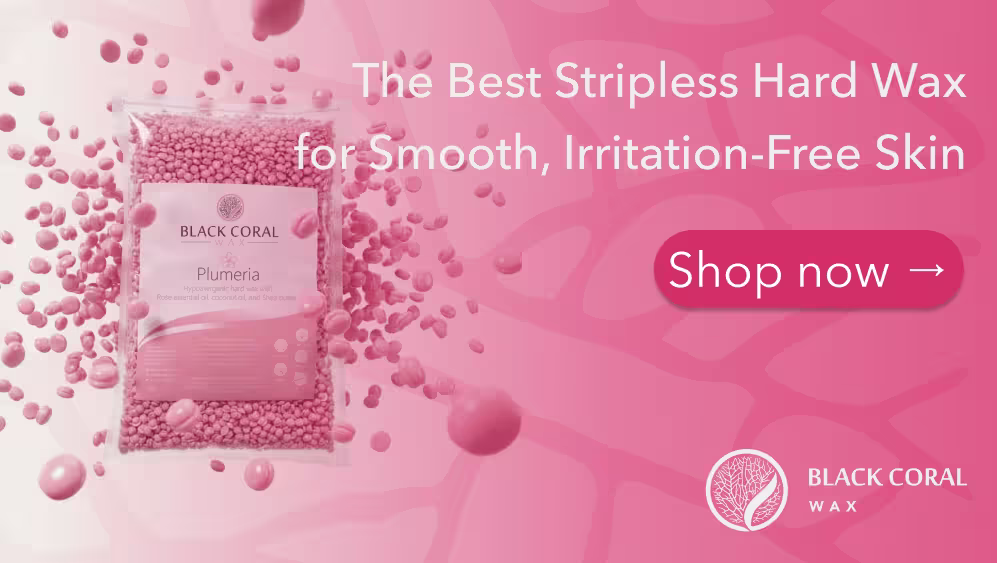
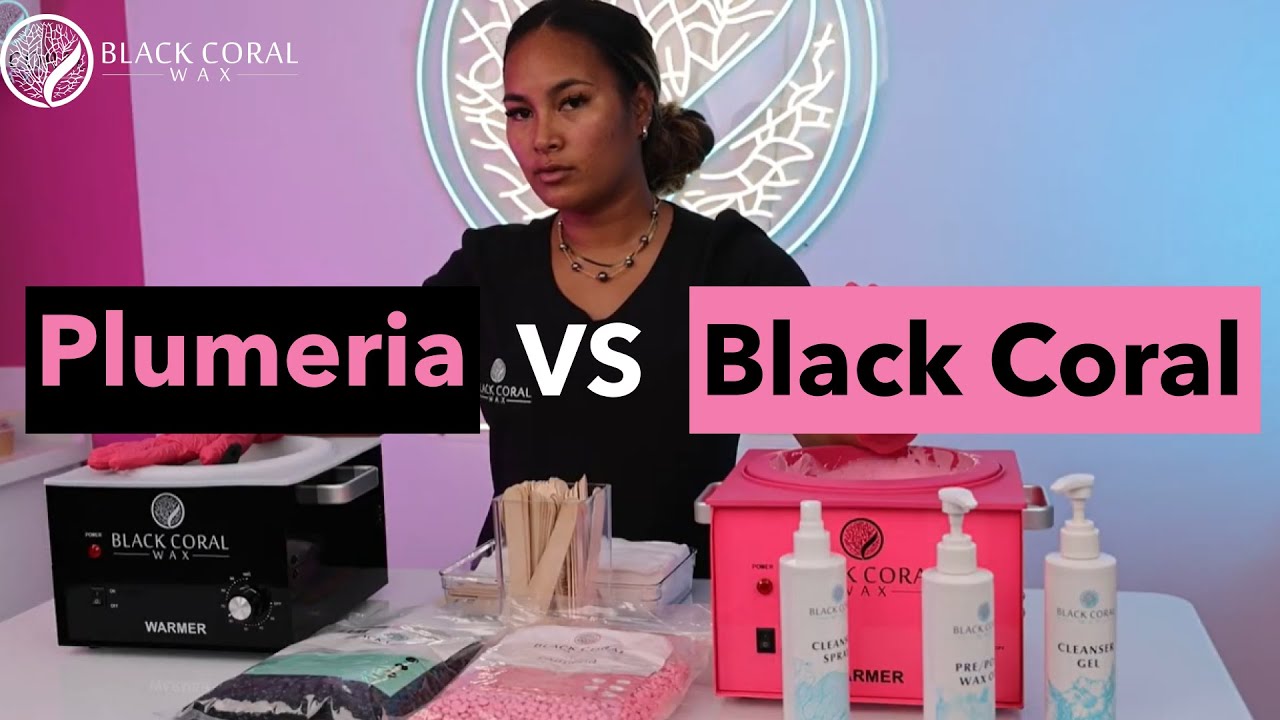
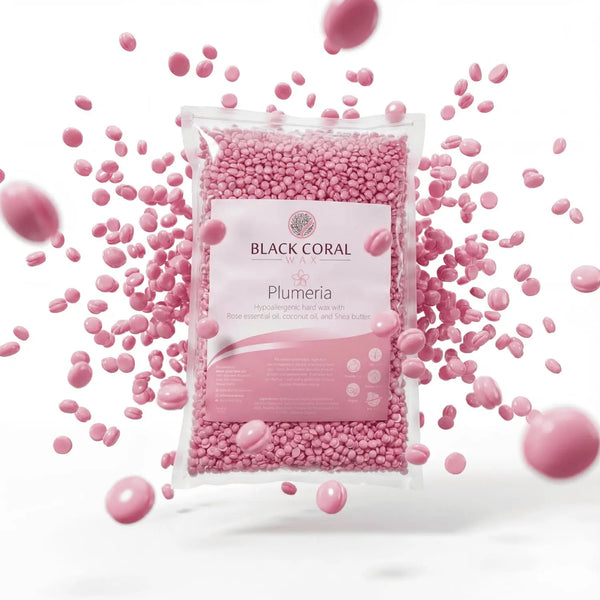
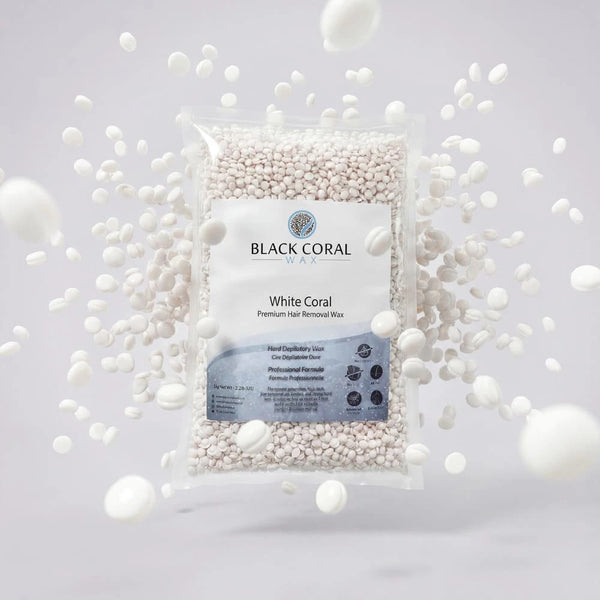
Discomfort varies from person to person, but the quality of the wax makes a real difference. Professional-grade hard waxes, like Plumeria Hard Wax or Black Coral Hard Wax, are specifically formulated to grip the hair, not the skin, which significantly reduces pain and irritation.
What should I do after a bikini wax?
Avoid heat, friction, and tight clothing for at least 24 hours post-wax. Skip saunas, pools, and intense workouts, and apply a gentle, fragrance-free soothing lotion to calm the skin.
How often should I get a bikini wax?
Every 4 to 6 weeks is the sweet spot for most people. Sticking to a regular schedule makes each session easier, less painful, and longer-lasting.