What Is Roll-On Wax? The Cartridge System That Cuts Waxing Time in Half
A fully booked wax room has a rhythm to it. One client is checking out, the next is already on the treatment bed, and you are trying to keep every service clean, calm, and on schedule. Large-area waxing is usually where the pressure builds, because legs, arms, backs, and shoulders need speed and control at the same time.
That is where many professionals start asking the same question: what is roll-on wax, and is it worth adding to the service menu?
The short answer is yes, once you understand what it is built to do. Roll-on wax is not just another wax texture. It is a workflow system designed for efficient application, more uniform coverage, and less direct handling of product. For salons that want smoother service flow without lowering their standards, it can be a smart operational choice.
FREE COURSE
Turn Your Passion for Beauty Into a $75K+ Waxing Business
GET IT NOW!
Course successfully sent. 🎉
Please go to your inbox to receive it.
What Is Roll-On Wax? A Cartridge-Based Soft Wax System
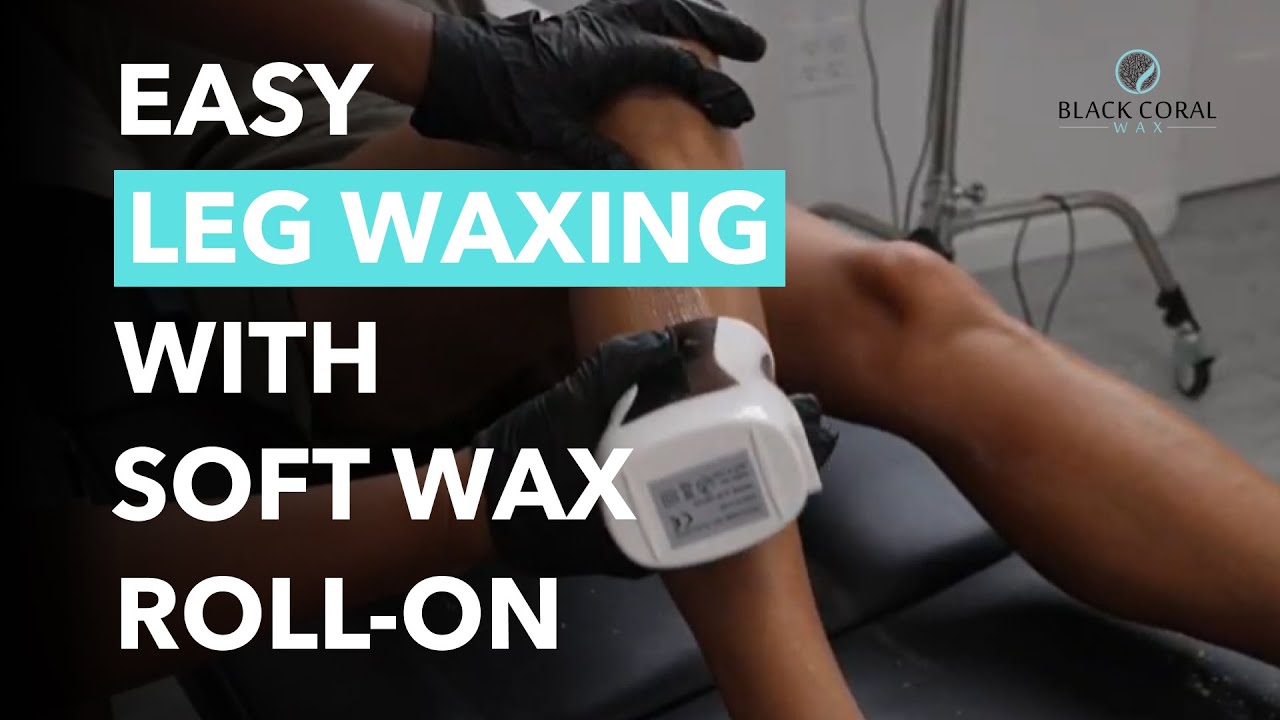
Roll-on wax is a cartridge-based soft wax system that applies wax through a roller head and removes it with a non-woven strip. Instead of an open pot and a spatula, the esthetician works with a preloaded applicator, which changes how the service is set up, performed, and kept clean.
It is also a relatively recent addition to professional waxing. The cartridge format is commonly dated to 1991, and it was designed around one promise: cutting application time on large body areas by up to half. That matters most in services where coverage and pace shape the whole client experience. A thin, even layer across a full leg simply feels different from repeated spatula loading and reapplication.
On the treatment bed, the difference is easy to feel. You warm the cartridge, test the flow, and glide the roller over the skin in a controlled pass.
The three parts of a roll-on wax cartridge
A roll-on system works because each component handles one part of the job:
-
The cartridge body holds the wax in a sealed container, which limits direct product handling and keeps the station tidier.
-
The roller head spreads the wax in a narrow, even sheet, which is exactly how strip wax performs best.
-
The soft wax inside is formulated to flow once warmed, grip the hair, and release from the skin with a non-woven strip.
Think of it like an ink roller on a printing press. If the flow is even, the result is even. If the flow is patchy, the service becomes unpredictable. Roll-on systems are built to reduce that variability.
Roll-on wax vs. a traditional wax pot
The biggest point of confusion is category. Roll-on wax is not a separate family of wax the way hard wax is. It is soft wax packaged in a cartridge delivery system.
That packaging choice affects workflow more than many professionals expect. With a pot, you control loading and spreading with a spatula every single time. With a cartridge, much of that control is built into the applicator head, so the process is easier to repeat from service to service. This is also why roll-on waxing tends to shorten the learning curve: newer team members can focus on pressure, direction, and strip placement without first mastering pot loading.
Roll-On Wax vs. Soft Pot Wax vs. Hard Wax: Key Differences
The easiest way to understand roll-on wax is to place it next to the methods professionals already know. Each option has a valid place in the treatment room, and the right choice depends on body area, service pace, cleanup style, and how much precision the zone needs.
Waxing method comparison
| Feature |
Roll-on wax |
Soft wax (pot) |
Hard wax |
| Application method |
Cartridge with roller head |
Spatula from a wax pot |
Spatula application, removed without strip |
| Removal method |
Non-woven strip |
Non-woven strip |
Removed directly after setting |
| Best body areas |
Large, flat areas such as legs, arms, back |
Versatile strip waxing on body areas |
Smaller, sensitive, or contoured areas |
| Layer control |
Thin and uniform by design |
Depends more on operator loading and spread |
Thicker application |
| Cleanup |
Generally tidy station workflow |
More open-product handling |
Less strip waste, but more wax management on the stick |
| Typical reason to choose it |
Fast, repeatable large-area services |
Flexible traditional soft wax routine |
Grip and control on delicate zones |
For a deeper breakdown of when to reach for each one, Black Coral Wax's guide to soft wax vs. hard wax is a useful reference.
Roll-on wax shines on broad areas where you want long, clean passes: legs, arms, backs, and shoulders. The roller lays down a consistent strip with fewer interruptions, so you spend less time reloading product and more time working in a steady pattern. For clients, that reads as a treatment that feels organized and decisive.
Pot soft wax still earns its place with experienced professionals who like controlling exactly how much wax sits on the applicator for different body shapes. The tradeoff is that it asks more of the operator, since temperature awareness, spatula loading, and product distribution all sit more heavily on technique.
Hard wax stays in the toolkit for sensitive or contoured zones where precision matters more than speed, such as facial services, underarms, and intimate waxing.
None of this makes roll-on wax a replacement for everything. It is a specialized efficiency tool, and the strongest service menus usually combine methods rather than forcing one wax style to do every job.
The Complete Roll-On Waxing Kit: Equipment and Station Setup
A fast, hygienic roll-on service is built at the station, not improvised during the appointment. When your setup is organized, the cartridge glides, your hands stay clean, and the client experiences a calm, efficient treatment.
Core equipment for roll-on waxing
A roll-on system works like a closed application track: the warmer heats the cartridge, the roller head applies a measured layer, and the strip removes it cleanly. Keep these items at every station:
-
Roll-on warmer to heat cartridges evenly and maintain usable flow
-
Wax cartridges matched to the service and body area
-
Non-woven strips for reliable removal
-
Pre-wax cleanser to clear oil, lotion, and surface residue
-
Post-wax oil or soothing finish to remove leftover wax and calm the skin
-
Gloves and a lined waste bin to support sanitary habits
Choosing the right warmer for your workflow
Match the warmer to your booking pattern. A single-cartridge unit suits solo practitioners, students, and rooms that use roll-on for a smaller group of services. A multi-cartridge warmer suits a busier room, where one cartridge is in use while another is ready to go.
The main issue is consistency: wax that is only partly warmed skips across the skin or forces you to press harder, which reduces comfort and evenness. A good warmer keeps the cartridge in the workable range so your technique stays light.
Pre-service checklist
Before the client is on the table, confirm that:
- The cartridge rolls freely, without drag or sputtering
- Strips are pre-cut or ready to grab, in the quantity the service will need
- Prep and finish products are open and accessible
- Gloves, tissues, and waste disposal are in place
- Backup cartridges and strips are stocked nearby for longer appointments
A well-set station supports cleaner handling, steadier timing, and a client experience that feels intentional from the first pass to the final cleanup.
How to Use Roll-On Wax: A Step-by-Step Professional Method
The method is designed to keep application consistent, reduce handling, and move larger services at a steady pace without sacrificing comfort.
Step 1: Consult and prepare the skin
Begin with a focused consultation. Check the area for contraindications, ask about recent exfoliation, sun exposure, and active sensitivity, and confirm the client knows what to expect during removal and aftercare. Then cleanse away lotion, oil, perspiration, and surface residue. Roll-on wax performs best on clean, dry skin, because a slick surface lets the wax slide instead of anchoring to the hair.
Step 2: Heat and test the cartridge
Warm the cartridge until the wax releases easily and evenly, with a honey-like flow. Before applying anything to the client, roll a small amount onto a strip to start the cartridge and check that the layer looks smooth, thin, and continuous. If the roller drags or skips, the wax usually needs a little more warming, not a heavier hand.
Step 3: Apply at the correct angle and direction
Hold the cartridge at a controlled angle and apply the wax in the direction of hair growth, with a steady wrist and light pressure. Let the roller head do the spreading. Too much pressure creates a thick coat, wastes product, and makes removal less comfortable; too little contact leaves gaps. The goal is a thin, uniform ribbon of wax that covers the hair without flooding the skin.
Step 4: Place the strip and create a clean bond
Apply a non-woven strip over the wax right away and smooth it firmly in the direction of growth, leaving a small tab for a clean, quick grip. The strip needs full contact so both layers behave like one piece during removal. If it wrinkles, lifts, or only partially adheres, the pull becomes inefficient and the service slows down.
Step 5: Remove with speed and skin support
Support the skin with one hand. With the other, remove the strip quickly against the direction of growth, staying close and parallel to the skin rather than pulling upward. The motion is like peeling tape low and flat instead of lifting it into the air, which removes hair more cleanly and reduces stress on the skin. Follow the strip with your hand to compress the area for a moment if needed.
Step 6: Finish and reset the area
Remove any remaining residue with a suitable post-wax product, leaving the skin clean and comfortable rather than greasy or sticky. Apply any calming product your protocol calls for, and review simple aftercare such as avoiding heat, friction, and aggressive exfoliation for the rest of the day. A clean finish and a tidy reset also make the next appointment easier to start on time. For more refinements, see Black Coral Wax's roll-on waxing tips and must-have products.
Professional Best Practices for Safe, Hygienic Roll-On Waxing
The cartridge format reduces handling, but professionals still need clear boundaries:
-
Use one cartridge per client if the roller has contacted the skin during service.
-
Wear gloves and keep surfaces clean throughout the appointment.
-
Store cartridges upright in a cool, dark space to maintain order and reduce leakage risk.
-
Discard anything compromised by damage, contamination, or poor performance.
Clean technique builds confidence before the first strip is even removed.
Clients notice these details even when they do not ask about them. It helps to keep the explanation simple: tell them roll-on is a cartridge-based soft wax system often used for larger areas because application is fast, even, and tidy. That positions you as a thoughtful practitioner rather than someone taking a shortcut.
If you are refining your salon workflow or building confidence with cartridge waxing, Black Coral Wax offers educational resources, roll-on options, and professional waxing tools to help you create a cleaner, more consistent service routine.

Frequently Asked Questions About Roll-On Wax
Can you use roll-on wax on the face or bikini area?
It is usually better suited to larger body areas. Small, highly contoured, or more sensitive zones often call for a method that allows tighter placement and more precision, such as hard wax.
Can you refill a roll-on wax cartridge?
That is not recommended. Refilling can create hygiene concerns and may affect how smoothly the roller functions.
What should I do if the roller gets stuck?
Test the cartridge on a strip first. If the flow is slow, the wax likely needs a bit more warming. Do not force the roller with heavy pressure.
Is roll-on wax good for new professionals?
Yes, especially for learning consistency on larger areas. The built-in applicator helps beginners develop cleaner product distribution and a steadier service rhythm.