Understanding Why Bumps on the Bikini Line Occur
Understanding the root cause of this irritation is the first step toward delivering consistently smooth, professional results. The skin in the bikini area is uniquely sensitive, while the hair is often thicker and more prone to curling back on itself. This combination creates the ideal conditions for two main types of bumps to form after a waxing service.
The Two Main Culprits
The first common issue is folliculitis, an inflammation of the hair follicle. It appears as small, red, or sometimes white-headed bumps that resemble a minor breakout. This can be triggered by bacteria entering the freshly opened follicle post-wax or from friction caused by tight clothing. For a deeper analysis, our detailed guide on the causes and prevention of folliculitis after waxing is an excellent resource.
The second offender is an ingrown hair, which is a common problem.Pseudofolliculitis barbae is the clinical name for this condition. It happens when a hair doesn't grow out of the skin correctly. Instead, it curls back and grows into the skin, making a sore, red bump. This is a big problem in places where people have coarse and curly hair.
The Science Behind the Annoyance
When you wax your hair, the follicle is left open and exposed for a short time. Bumps form for a number of reasons:
-
Hair Texture: If you have coarse, curly hair, it will naturally bend as it grows back, which greatly increases the chance that it will pierce the follicle wall or the skin's surface.
-
The skin in the bikini area is thin and delicate, which makes it more prone to the minor trauma of waxing, which can cause an inflammatory response.
-
Follicular Blockage: When dead skin cells, sweat, and oils build up in the hair follicle, they can stop new hair from growing.
This isn't a rare issue.According to a national survey, 25.6% of all groomers get bumps and other injuries while grooming their pubic hair.For women, that number goes up to 27.1%. The pubis, inner thigh, and labia majora are the areas that are most affected.
As a professional, your choice of products and how you use them have a direct effect on these results. You can deal with the root causes of irritation instead of just treating the symptoms if you know how the skin and hair in this area work. The goal is to make the skin heal and the hair grow back without any problems.
The Professional Protocol for a Flawless Bikini Wax
Achieving a perfectly smooth, bump-free finish begins long before the wax is removed. A professional service is built on respecting the delicate skin of the bikini area, and this is what distinguishes a standard wax from an exceptional one. It is a sequence of deliberate steps, each designed to minimize trauma and prevent bumps on the bikini line from forming.
The process starts with impeccable skin preparation. The skin must be thoroughly cleansed to remove sweat, oils, or bacteria that could enter open follicles post-wax. A professional-grade pre-wax cleanser sanitizes the area effectively without over-drying, creating a clean canvas.
A thin layer of pre-wax oil protects the skin right after washing. This is an important step. It makes sure that the wax sticks to the hair and not the skin. This detail makes things more comfortable for the client and helps keep the skin healthy.
Choosing and Using the Right Wax
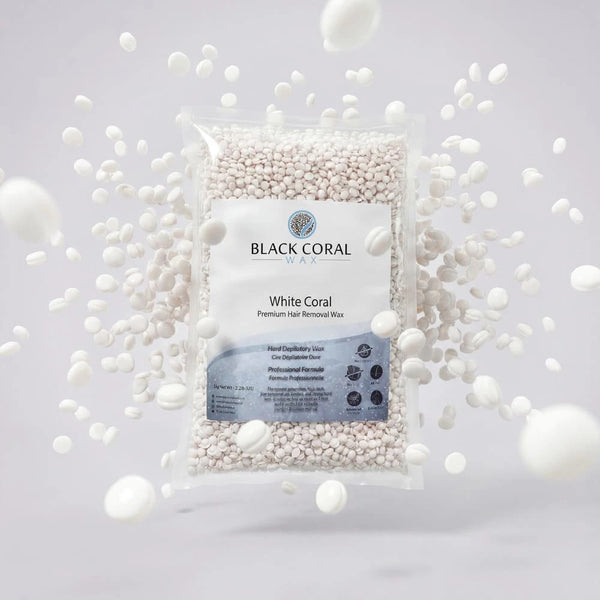
A high-quality hard wax is necessary for the coarse, often stubborn hair on the bikini line. Hard wax, on the other hand, wraps around each hair as it cools, holding it tightly without sticking to the skin. This makes the pain and risk of inflammation a lot lower.
Keeping the wax at the right temperature is a key skill. It should be like thick honey, soft enough to spread easily but hard enough to make a clean edge for removal. If it's too hot, you could burn your skin; if it's too cool, it could break, making it hurt and not work.
Putting on wax isn't just about spreading it around; it's also about planning how to grow hair. Working in smaller, more manageable parts lets you be more precise and puts less stress on the skin. This methodical approach is what makes the service comfortable and effective, which leads to a smooth, irritation-free result.
Doing a quick and clean removal
You have to do the last step, the pull, with confidence and skill. It should be quick, parallel to the skin, and going in the opposite direction of hair growth. This method pulls the hair out of the root without damaging it, which lowers the risk of breakage, which is a common cause of ingrown hairs.
After you take off the strip, put gentle pressure on it right away. This simple action calms the skin and soothes nerve endings right away.
The best way to avoid irritation is to follow this whole protocol, from the first cleanse to the last pull. Our detailed Brazilian waxing guide gives you useful tips on how to improve your technique, especially for more complicated services. By following a process that puts skin health first, you not only give your clients a perfect wax, but you also earn their trust, which keeps them coming back.
Important Client Care Before and After Waxing
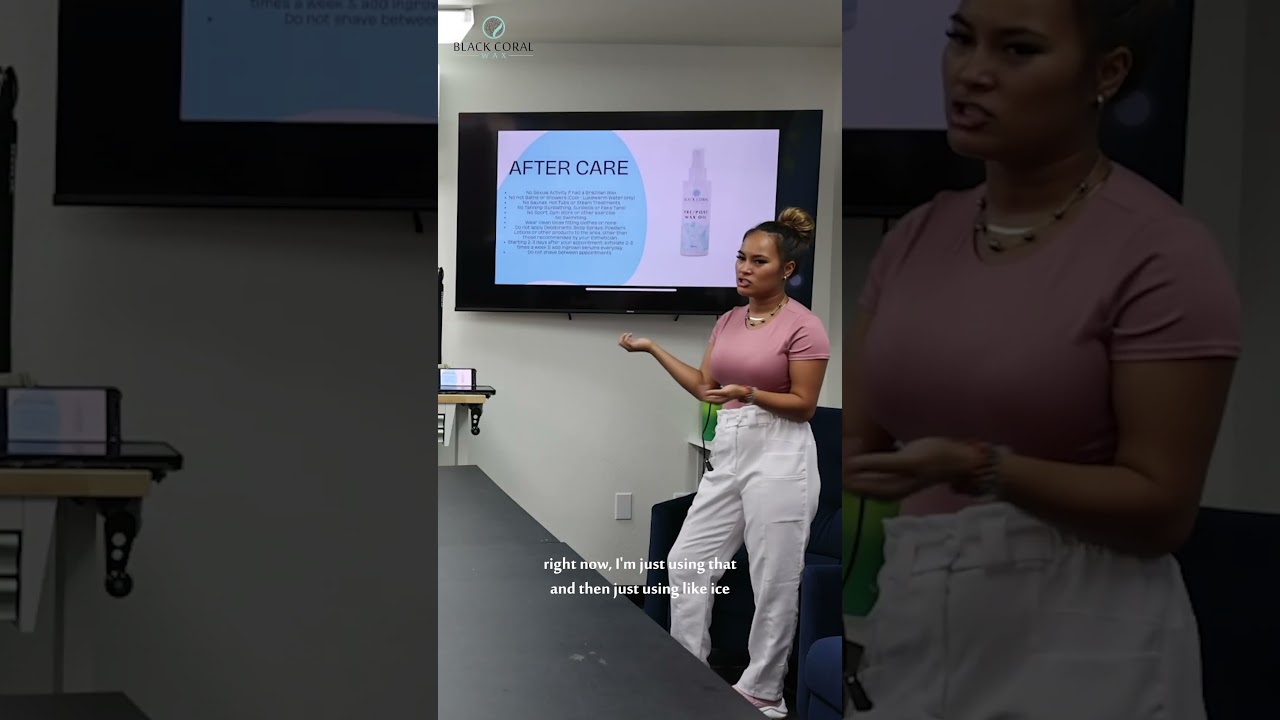
A skilled esthetician and a client who is committed to proper at-home care can work together to get a bikini line that is perfectly smooth. Your in-salon protocol sets the stage, but your client's aftercare routine keeps the results. The key to reducing irritation and speeding up the healing of beautiful skin is to give them clear, doable steps to follow before and after their wax.
This way of working together is more important than ever. More than 100 million people around the world have bumps from grooming. Studies on shaving show that better tools can cut down on razor bumps by up to 60%. However, professional waxing is a better option. It makes a big difference to gently remove a good hard wax and then take care of your skin properly. 51.3% of women say they have had grooming injuries on the pubis, so it's very important to guide your clients correctly.
Briefing the Client Before the Appointment
Getting ready starts before your client gets there. Give them a few simple rules to follow 24 to 48 hours before their appointment to make sure their skin is ready for waxing.
-
Gentle Exfoliation: Clients should use a gentle physical exfoliant the day before their service. A soft scrub or an exfoliating mitt is the best way to get rid of dead skin cells that can hold onto new hairs.
-
Don't Use Heavy Moisturizers: Clients shouldn't use lotions, oils, or heavy creams on the bikini area on the day of the wax. These things can make a barrier that keeps the wax from sticking to the hair properly.
-
Put on clothes that are loose and comfortable: Tell them to wear clothes that are breathable and don't limit their movement. Tight fabrics rub against each other and hold in heat, which can be uncomfortable for skin that has just been waxed.
The Important First 48 Hours After Waxing
The two days after a wax are very important. The follicles on freshly waxed skin are open, which makes it easy for heat, friction, and bacteria to get in. A clear list of things to avoid is a must for clients who want to avoid bumps on their bikini line.
For clients who might shave between appointments, it's still important to keep irritation to a minimum. Using aloe vera as a shaving gel for a smooth shave is one easy change that can help calm the skin and reduce friction.
Your duty of care as a professional goes beyond the treatment room. Giving them a take-home instruction card or a clear verbal summary shows that you are an expert and really care about their skin health.
Here is a simple timeline for your clients to help them understand what to do.
Client Aftercare Timeline for Bump Prevention
|
Timeframe
|
Do
|
Avoid
|
|
First 24 Hours
|
Wear loose, cotton underwear. Keep the area clean and dry.
|
Hot baths/showers, saunas, swimming pools, intense workouts, and sexual activity.
|
|
48 Hours Post-Wax
|
Apply a soothing, anti-inflammatory product. Stay hydrated.
|
Tight clothing (e.g., skinny jeans, leggings), sun exposure, and fragranced lotions.
|
|
After 48 Hours
|
Begin gentle exfoliation 2-3 times per week to prevent ingrown hairs.
|
Picking at any bumps or ingrown hairs. Harsh scrubs or chemical exfoliants.
|
This aftercare plan is the last and most important part of a professional service. Check out our guide to essential after-waxing care products for a more in-depth look at useful items. You protect the results of your work and build trust that leads to loyalty by teaching clients about this shared responsibility.
Choosing Hard Wax Instead of Soft Wax for the Bikini Area
Your choice of wax is very important for the sensitive skin along the bikini line because it has a direct effect on the client's experience and results. Both soft and hard waxes work to remove hair, but hard wax is better at keeping bumps from forming on the bikini line. Its special qualities make it perfect for this delicate area.
The best thing about hard wax is how easy it is to put on and take off. Hard wax only sticks to hair, while soft wax sticks to both hair and skin and needs a fabric strip. It wraps around each strand as it cools and hardens, giving you a firm grip without pulling on your skin.
Why hard wax hurts your skin less
This shrink-wrapping move is a big deal for sensitive areas. Because the wax doesn't stick to the skin, taking it off is much less painful and damaging. This important difference makes it much less likely that common problems will cause bumps.
-
Less Redness and Irritation: Hard wax doesn't pull on the skin, which reduces the immediate inflammatory response. This means that after the service, the skin is less red and sensitive.
-
Less Likely to Lift Skin: Soft wax can sometimes lift a tiny layer of skin cells off the thin skin in the bikini area, which can cause irritation or scabbing. Hard wax almost completely removes this risk.
-
Works on Coarse Hair: Bikini line hair is often thick and strong. Hard wax is great for grabbing these thicker hairs, making sure they come out cleanly from the root and lowering the chance of hair breaking, which is a major cause of ingrowns.
Check out our ultimate guide to soft wax vs. hard wax for a full comparison of how these waxes work on different parts of the body.
The Bad Things About Using Soft Wax on the Bikini Line
On the other hand, using soft (or strip) wax on the bikini line puts you at risk for things that don't need to happen. Because it sticks to things, every pull also pulls on a sensitive area.
It's not just a choice to use hard wax on the bikini area; it's a professional standard that puts skin health first. The careful, gentle removal process keeps the skin's integrity intact, which makes the healing process smooth and free of bumps.
This extra pulling can make the skin redder, make it more likely to bruise, and make it more likely to break out or get folliculitis after waxing. If you're a professional who wants to give the safest and most effective service possible, explaining these benefits to a client will show that you know what you're talking about and that it's worth it to use high-quality products on their most sensitive areas.
How to Troubleshoot Common Bikini Line Bumps
Even with a flawless waxing technique, bumps on the bikini line can sometimes appear. When a client expresses concern, your response is critical. Knowing how to advise them-whether for immediate redness or a delayed ingrown hair-is what distinguishes a good esthetician from a great one. This is your opportunity to solve the problem and reinforce your expertise.
First, identify the issue. Ask your client for details about the bumps. Are they a cluster of tiny, pimple-like spots? This typically indicates folliculitis, a mild inflammation of the hair follicles that can appear within a day or two.
Or is it a single, deeper, and slightly sore bump? This is more likely an ingrown hair, where new growth has curled back and become trapped under the skin. Differentiating between the two helps you provide the correct advice.
Addressing Immediate Post-Wax Reactions
If a client is experiencing immediate redness or early signs of folliculitis, the solution is to keep the area clean, cool, and calm. Recommend a gentle, fragrance-free cleanser and a soothing post-wax product to reduce inflammation. A cool compress can also provide significant relief.
The primary goal is to minimize friction. Remind them to:
-
Wear loose, breathable fabrics like soft cotton underwear.
-
Avoid strenuous exercise for at least 24 hours.
-
Stay away from heat sources like hot tubs, saunas, and excessively hot showers for a day.
Managing Delayed or Deep Ingrown Hairs
Ingrown hairs require more patience. Since they are a leading cause of bikini line bumps, it is essential to educate clients on how to prevent ingrown hairs after waxing for long-term smoothness. If a stubborn one has already formed, advise them to apply a warm compress for 10-15 minutes several times a day. This softens the skin and can help coax the trapped hair to the surface.
Professional Judgment Call: Never advise a client to dig out an ingrown hair at home, as this can lead to scarring and infection. If a hair is clearly visible at the surface and the skin is not inflamed, you may be able to gently extract it during their next appointment.
It's also worth noting that grooming habits and health are linked. A national survey found that individuals who groom their pubic hair had nearly double the odds of reporting a history of STIs, potentially due to micro-tears from improper hair removal. This underscores why using a high-quality hard wax that grips hair-not skin-is a professional imperative.
For any bumps that appear deep, cystic, painful, or show signs of infection, the most professional advice is to consult a dermatologist. Prioritizing their long-term skin health builds unwavering trust. For more preventative tips, see our complete guide on how to prevent ingrown hairs after waxing.
Your Top Questions About Bikini Line Bumps, Answered
Even with the best professional practices, questions about bikini bumps are common. Here are answers to some of the most frequent concerns to help you advise clients with confidence.
How Soon After Waxing Can Bumps Show Up?
The timing depends on the cause. Initial irritation bumps, such as the tiny red spots of folliculitis, can appear within one to three days as the follicle reacts to hair removal.
Ingrown hairs typically appear later, often a week or more after waxing, as new hair begins to grow back and becomes trapped. A small amount of redness immediately after the appointment is normal and should subside within a few hours.
Is It Okay to Wax Over Existing Bumps?
This is a firm no. It is never advisable to wax over inflamed, infected, or broken skin. Waxing over active irritation will worsen the condition, cause unnecessary pain, and risk spreading bacteria. Client safety must always be the top priority.
An experienced esthetician may be able to work around a few minor, non-inflamed bumps, but the professional standard is to wait until the skin has fully healed before the next service.
As professionals, our primary responsibility is to protect our clients' skin. Advising a client to reschedule until their skin is healthy demonstrates expertise and a genuine commitment to their well-being, which builds far more trust than proceeding with a risky service.
Are Some People More Prone to Bumps?
Yes, certain clients are more susceptible to post-wax bumps, often due to a few key factors:
-
Hair Texture: Clients with coarse or curly hair are more likely to experience ingrowns, as their hair naturally tends to curl back into the skin.
-
Skin Sensitivity: Individuals with reactive skin may experience more redness or be more prone to folliculitis after a wax.
For these clients, using a high-quality hard wax and adhering to a strict pre- and post-care routine is non-negotiable and makes a significant difference in preventing bumps.
What's the Best Way to Handle a Painful Ingrown Hair?
For a single, sore ingrown hair, the best approach is a warm compress. Applying a warm, damp cloth to the area for 10-15 minutes several times a day can soften the skin and encourage the trapped hair to surface.
Emphasize to your clients that they must not pick, squeeze, or dig at the bump, as this can lead to scarring and infection. If an ingrown hair becomes deep, cystic, or appears infected, the most responsible advice is to recommend they see a dermatologist.
At Black Coral Wax, we believe expert knowledge is the key to flawless results. Explore our professional-grade wax collections and aftercare products to elevate your services and give every client the smoothest skin possible.
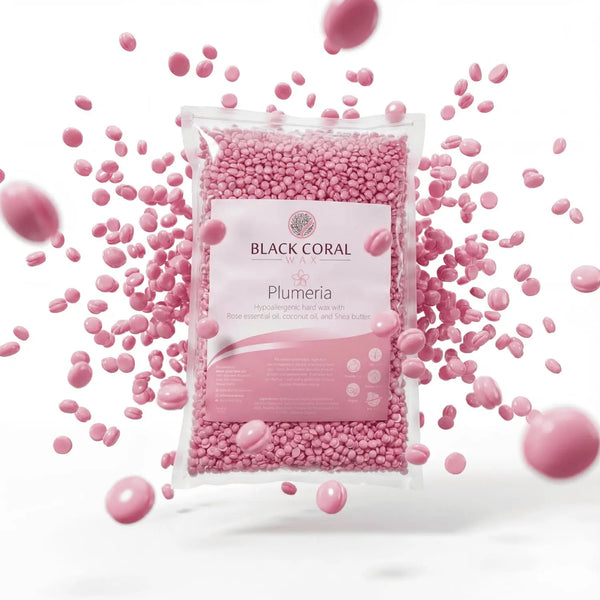
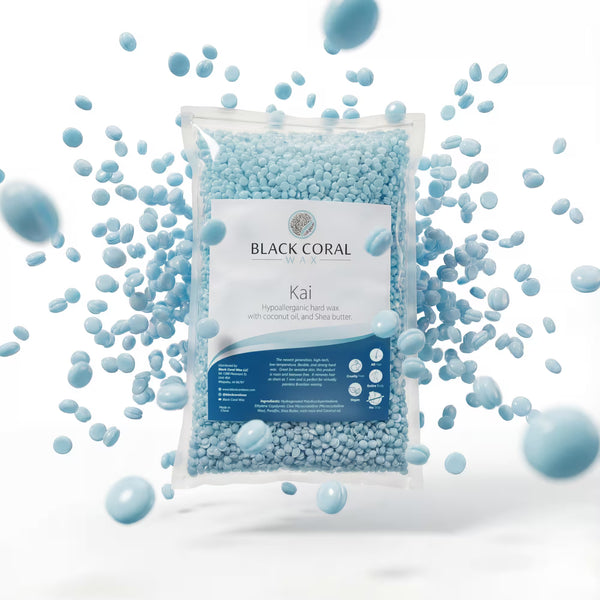
Discover Our Hard Wax Formulas