Male Waxing Mastery: The Professional's Guide to Technique & Client Trust
A client books a back wax, then adds a chest wax at check-in. The next day, another asks about intimate waxing but seems hesitant to say the words out loud. If that sounds familiar, you're not imagining a passing phase. Male clients are showing up with clearer grooming goals and higher expectations.
That shift creates a real opportunity for estheticians who want to move from offering a basic service to delivering specialist-level male waxing. Good technique matters, but so does consultation skill, privacy, product selection, and the ability to make a first-time client feel safe in your room.
FREE COURSE
Turn Your Passion for Beauty Into a $75K+ Waxing Business
GET IT NOW!
Course successfully sent. 🎉
Please go to your inbox to receive it.
What Male Clients Actually Need
Male clients do not fit one profile. You may see a college student cleaning up his grooming routine, a professional who wants a neater presentation, an athlete frustrated by friction and sweat retention, or a client preparing for a holiday or photoshoot. The common thread is not age or lifestyle. It is the desire for a treatment that feels competent, discreet, and clearly managed.
Many male clients book a single zone, but they are subtly assessing the full experience. They want to know whether you can explain the process without awkwardness, answer practical questions without overselling, and keep the appointment predictable from consultation through aftercare.
Four needs show up again and again in male appointments:
-
Professionalism: The room should feel private, clean, and procedural. Male clients often relax faster when the service feels like a well-run treatment, not a casual grooming chat.
-
Clarity: Direct explanations help. Tell them how to prep, what position you need, what sensations are normal, and what post-wax redness may look like.
-
Control: Clients usually settle when they know where to place their hands, when to take a breath, and how long each step will take.
-
Normalcy: First-time male clients often need quiet confirmation that their service, questions, and level of nervousness are all routine.
Jaw tension, clipped answers, shallow breathing, and over-apologizing are often clearer than the words themselves. Training on reading nervous client body language and calming tension during esthetic services can improve male waxing outcomes in a practical way.
Calm confidence works better than excessive reassurance. Explain what happens, give the client a role in the process, and let your consistency create the sense of safety.
Male-Specific Hair and Skin: What Changes Your Technique
Male body hair is typically denser, more directional, and more resistant on the first pull than female body hair. Testosterone stimulates the growth of coarse terminal hair across the chest, back, abdomen, and intimate areas. That changes your application size, removal rhythm, and margin for error.
When hard wax outperforms soft wax on male services
With coarse hair, the wax needs enough grip to capture the shaft cleanly while remaining flexible enough to lift without cracking or dragging. On sensitive zones, especially intimate areas, skin adhesion becomes the enemy of comfort.
Hard wax is typically the better fit when working on:
-
Coarse regrowth: It can wrap the hair shaft more effectively.
-
Sensitive anatomy: Less skin grab means more controlled removal.
-
Detailed areas: Smaller sections can be placed with greater precision.
-
Anxious clients: Lower perceived aggression during removal helps the whole service feel more manageable.
For a deeper look at the science behind this, this professional comparison of hard wax vs soft wax is a useful technical reference.
Hair mapping is non-negotiable
Male hair rarely grows in one clean direction. The chest may split outward from the sternum. The abdomen changes direction around the navel. Shoulders and upper back often contain swirls and flat-lying hair that punish rushed application. Before you apply anything, study the pattern.
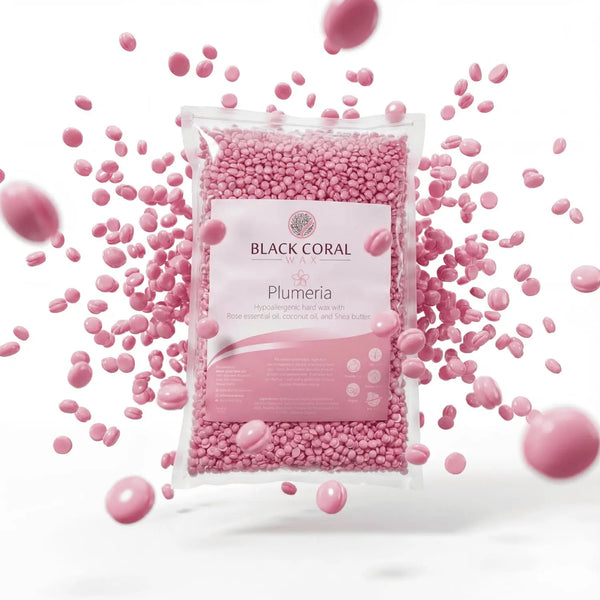
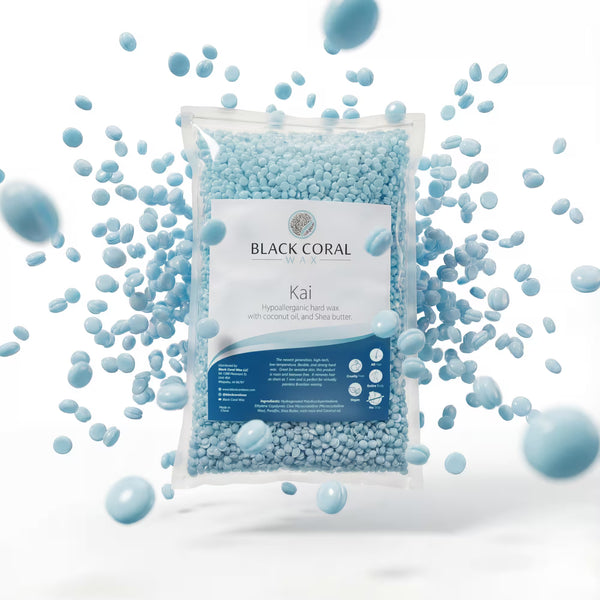
For tools: a flexible hard wax formula with a low working temperature (e.g. Chocolate Hard Wax), wooden applicators in multiple sizes, powder for moisture management, and a post-wax soothing product will take you farther than speed alone.
The Professional Male Waxing Workflow: Step by Step
A clear, steady service sequence lowers embarrassment, reduces guarding, and gives you better access to the skin, which leads to cleaner removal and less irritation.
Consultation and expectation setting
Begin with clear, professional questions. Confirm the areas to be waxed, ask when the client last shaved or trimmed, and check for active irritation, acne lesions, sensitivity, recent sun exposure, or any medication or skin treatment that could affect safety.
Set expectations early. Hair needs enough length for the wax to grip consistently, and clients who shave frequently often arrive too short in some areas and too long in others. Explain that uneven growth can affect comfort and results, especially on the first visit.
Address privacy and communication upfront: tell the client how draping will work, when you need repositioning, and whether you will talk them through each pull or keep instructions brief.
Preparation before application
-
Clean the skin thoroughly: Remove sweat, oil, deodorant, lotion, and gym residue.
-
Dry the area completely: Moisture interferes with adhesion and can make removal feel rougher.
-
Apply a light pre-wax product if appropriate: A very small amount reduces unnecessary skin grab.
-
Trim only if the hair is excessively long: Overlong hair catches, twists, and makes removal less controlled.
Your pace matters here. Calm preparation tells the client they are in practiced hands.
Application and removal technique
Work in smaller sections than you might use on less dense hair. Male services reward precision over coverage. A compact section lets you control edge thickness, maintain skin tension, and adjust quickly if growth direction shifts.
Keep one principle at the center of every pull: control the skin before you control the wax. If the skin is loose, the removal feels sharper and the result is less clean. If the skin is taut, the pull is more direct and the follicle releases more efficiently.
Key habits that improve outcomes:
-
Apply with the growth direction in the section you are treating.
-
Choose section size based on density: Dense hair responds better to smaller, deliberate applications.
-
Remove low and close to the skin: Lifting upward increases drag.
-
Use firm compressive pressure right after removal: It settles the nerve response and gives the client a predictable recovery moment.
Immediate aftercare in the treatment room
Remove residue, apply a soothing post-wax product, and check the skin for any areas that need cooling, trimming, or a conservative cleanup pass.
Give aftercare in plain language: avoid heat, heavy sweating, friction, and touching the area for the rest of the day. If the waxed area is intimate or high-friction, say so directly and explain why. Define what is normal and what is not. Mild redness and sensitivity are common, but increasing heat, swelling, or persistent irritation deserves follow-up. Recommend the next visit based on the client's regrowth pattern, not a generic schedule.
Zone-by-Zone Male Waxing Technique Guide
| Zone |
Primary wax type |
Key technique |
Client comfort tip |
| Back |
Hard wax |
Work in broad but controlled panels, checking growth direction across shoulders and lower back |
Ask the client to shift shoulder position when needed to flatten the skin |
| Chest |
Hard wax |
Map direction carefully around the sternum and pectorals; use smaller sections on dense areas |
Encourage steady breathing before pulls near the centre chest |
| Abdomen |
Hard wax |
Follow changing growth direction around the navel; avoid oversized applications |
Keep the skin taut with your free hand at all times |
| Intimate area |
Hard wax |
Use very small sections, clear draping, and precise hand placement |
Give concise instructions before each position change |
Back waxing often looks easiest from the doorway, but missed directional changes create patchiness fast. Leave a natural edge if the client doesn't want an overly sharp finish.
Chest waxing needs restraint. The instinct to clear large areas quickly typically leads to more broken hairs, especially near the sternum where sensitivity rises and growth direction shifts.
Intimate male waxing demands the highest level of communication. Speak clinically, maintain draping, and never assume the client knows how to position himself. If you want to build real confidence performing this service, the Black Coral Academy offers professional manzilian waxing tutorial designed for estheticians.
All in all, male waxing rewards professionals who combine strong technique with calm communication, smart product choice, and careful aftercare. If you're refining your service menu or training your team, explore Black Coral Wax for professional waxing products and educational resources that support comfortable, consistent results.
Frequently Asked Questions About Male Waxing
Does male waxing always hurt more?
Not always, but it often feels more intense for first-time clients because the hair can be coarser and the client may be more tense. Pain is most likely to climb when hair is too short, too long, or the practitioner uses oversized sections on dense growth. Good skin support, clean sectioning, and the right wax type matter more than bravado.
Are there extra safety concerns with intimate male waxing?
Yes. Privacy, draping, clear consent, and precise positioning instructions matter just as much as wax technique. Assess the skin carefully before you start. If you see irritation, compromised skin, or anything that makes safe waxing uncertain, pause and rebook when appropriate.
What aftercare should professionals emphasise most?
Keep it simple and memorable. Tell clients to avoid heat, friction, and heavy touching right after the service. Encourage them to monitor their skin, follow your recommended aftercare, and contact you if something doesn't seem right. Clear, client-specific aftercare education sets your service apart.