Cross-Contamination Prevention: Waxing Studio Protocols
A busy waxing room can look spotless and still have weak points. A gloved hand touches the lamp, then the trolley. A clean spatula sits too close to used strips. A wax warmer stays tidy on the outside, but product handling around it isn't controlled. That's how cross-contamination happens in real studios. Not through dramatic mistakes, but through rushed, repeated contact.
In professional waxing, hygiene isn't separate from the service. It is the service. Clients feel it in the setup, the pacing, the confidence of your movements, and the way every tool has a place. Strong cross-contamination prevention protects skin, supports client trust, and keeps your business defensible if your standards are ever questioned.
FREE COURSE
Turn Your Passion for Beauty Into a $75K+ Waxing Business
GET IT NOW!
Course successfully sent. 🎉
Please go to your inbox to receive it.
The Professional Hygiene Standard Every Waxing Studio Needs
Clients rarely say, "Show me your contamination-control workflow." They judge it by what they see: fresh table paper, a tidy trolley, clean hands, and product handling that looks deliberate, not improvised.
Many estheticians learn hygiene as a list of rules. That's useful at the start, but it's not enough once you're fully booked and moving fast. You need a system.
What professional hygiene actually looks like
A professional standard has a few clear traits:
-
Clean and used items never mingle. Applicators, gloves, linens, and product containers each stay in their lane.
-
The room supports the service. Your layout should reduce unnecessary touching and backtracking.
-
Every service follows the same pattern. Consistency matters more than good intentions on a slow day.
Preparing Your Waxing Room for Safe, Sanitary Service
The treatment room should function like a clean map. If you have to decide where something goes mid-service, the room isn't set up well enough.
Guidance from dental hygiene practice emphasizes distinct zones, dedicated tools, and strict surface-touch discipline, especially because risk rises when contaminated gloves touch surrounding surfaces in compact environments, as outlined in this article on preventing cross-contamination in mixed-use spaces. That logic applies directly to waxing rooms.
Set up clean and used zones
You don't need a large suite to work safely. You need separation that is obvious and repeatable.
-
Create a clean zone. Keep unused applicators, fresh gloves, unopened supplies, and skin prep products on one side of the trolley or room.
-
Create a used zone. Place a lined waste bin, used-strip disposal area, and any temporary holding space for contaminated items away from clean supplies.
-
Protect high-touch points. Position your lamp, wax warmer controls, and trolley handles so you can access them without crossing over dirty items.
Ask screening questions without making it awkward
Client screening should sound calm and normal, not interrogative. Keep it brief and relevant to the service.
-
Skin condition check: "Are there any areas that feel irritated, broken, or unusually sensitive today?"
-
Recent product use: "Have you used any strong exfoliants or active skincare on this area recently?"
-
Reaction history: "Have you had any unusual sensitivity or reactions after waxing before?"
Non-Negotiable Protocols for Tools and Product Handling
Cross-contamination prevention often breaks down at the point of product handling. In waxing, that means the spatula, the wax container, the trolley surface, and your own hands.
The most important rule is simple: never double-dip. Once an applicator has touched a client's skin, it doesn't go back into a communal wax source. It doesn't matter if the area looked clean or the spatula only touched a small patch. Used means used.
Why wax handling deserves its own protocol
Wax product can look self-contained, but it isn't protected if your handling is careless. The contamination risk comes from transfer: skin contact to applicator, applicator to wax, gloves to warmer, warmer to trolley, trolley back to fresh supplies.
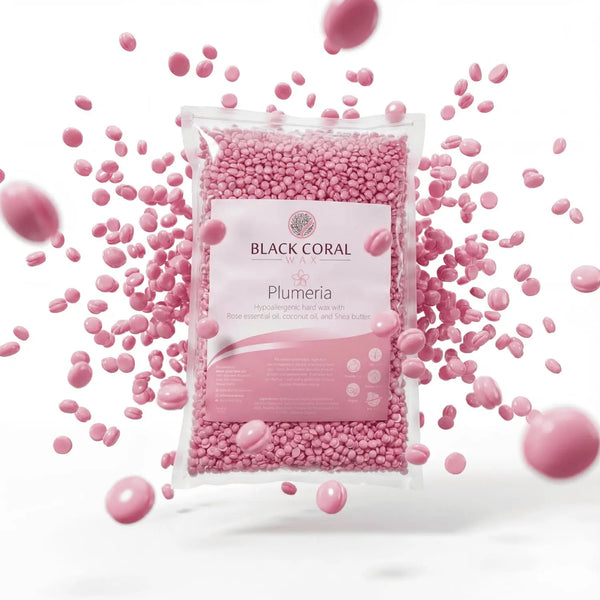
For hard wax beads, hygienic control starts before melting. Keep unused beads in a closed container, use a clean scoop when transferring them, and avoid reaching into storage with gloved hands that are already part of the service. If you use soft wax tins or a warmer insert, the same principle applies. Product access must stay separate from contaminated contact.
One option that supports a cleaner setup is a single-use cartridge format. Black Coral Wax's roll-on systems are designed as hygienic single-use cartridges, which can reduce direct product exposure during service. Even then, the cartridge, skin prep, gloves, and surrounding surfaces still need disciplined handling.
Tool classification for cross-contamination control
| Tool type |
Examples |
Required action |
| Single-use contact items |
Wooden applicators, wax strips, gloves, table paper |
Discard immediately after use |
| Reusable non-porous tools |
Metal tweezers, stainless bowls, trolley trays |
Clean, then disinfect according to your protocol before reuse |
| Product-dispensing items |
Wax scoops, cartridge heads, warmer handles |
Keep clean-only access where possible; avoid contact with contaminated gloves |
| Fabric and soft materials |
Linens, headbands, towels |
Remove after service and process through your laundry protocol; never reuse between clients without reprocessing |
If you can't confidently answer whether an item is still clean, treat it as contaminated.
What works and what doesn't
In a busy studio, shortcuts become habits fast. Here's how to make sure the habits you build are the right ones.
What works in real studios:
-
Pre-portioning where practical. Set out what you'll likely need before the client is on the bed.
-
Dedicated clean-hand contact points. Open drawers, adjust lamps, or handle product lids with a clean barrier or freshly changed gloves.
-
Separate storage for spare applicators. Keep them covered and away from the active service area.
What doesn't work:
- Parking used spatulas on the warmer edge.
- Reaching into bead containers mid-service with active gloves.
- Assuming heat equals sanitation. A warm product environment doesn't replace clean handling.
For a broader overview of professional setup essentials, Black Coral Wax's guide to professional waxing supplies for estheticians is a helpful reference.
Executing a Hygienic Workflow During the Service
A clean service feels smooth because every movement has already been decided. You shouldn't be improvising with gloves on.
Keep one hand for clean tasks when possible
A practical approach is a modified clean-hand, dirty-hand method. One hand manages skin contact and used materials. The other handles cleaner touch points when needed. It won't fit every body area perfectly, but it reduces unnecessary surface transfer.
Use glove changes strategically, not lazily. Change gloves after touching contaminated waste, after adjusting anything outside your clean field, and anytime you lose confidence in what the glove has contacted.
Protect the flow of the room
-
Move forward only. Don't let used strips, table paper edges, or gloves drift back over your clean trolley.
-
Control linens. If a linen has contacted the client or treatment area, it goes into the used stream. It doesn't return to the shelf or stool.
-
Keep equipment touchpoints intentional. Black Coral Wax's article on wax machine do's and don'ts for estheticians covers warmer habits worth building into your room choreography.
Post-Service Sanitation and Waste Disposal Best Practices
The service ends when the room is reset, not when the last strip comes off. Fast turnover is useful, but clean turnover is what protects the next client.
Reset the room in the right order
Start with removal. Discard used applicators, strips, gloves, and table coverings first so waste doesn't sit while you wipe around it. Then clean visible debris from surfaces before applying your disinfectant according to its label instructions.
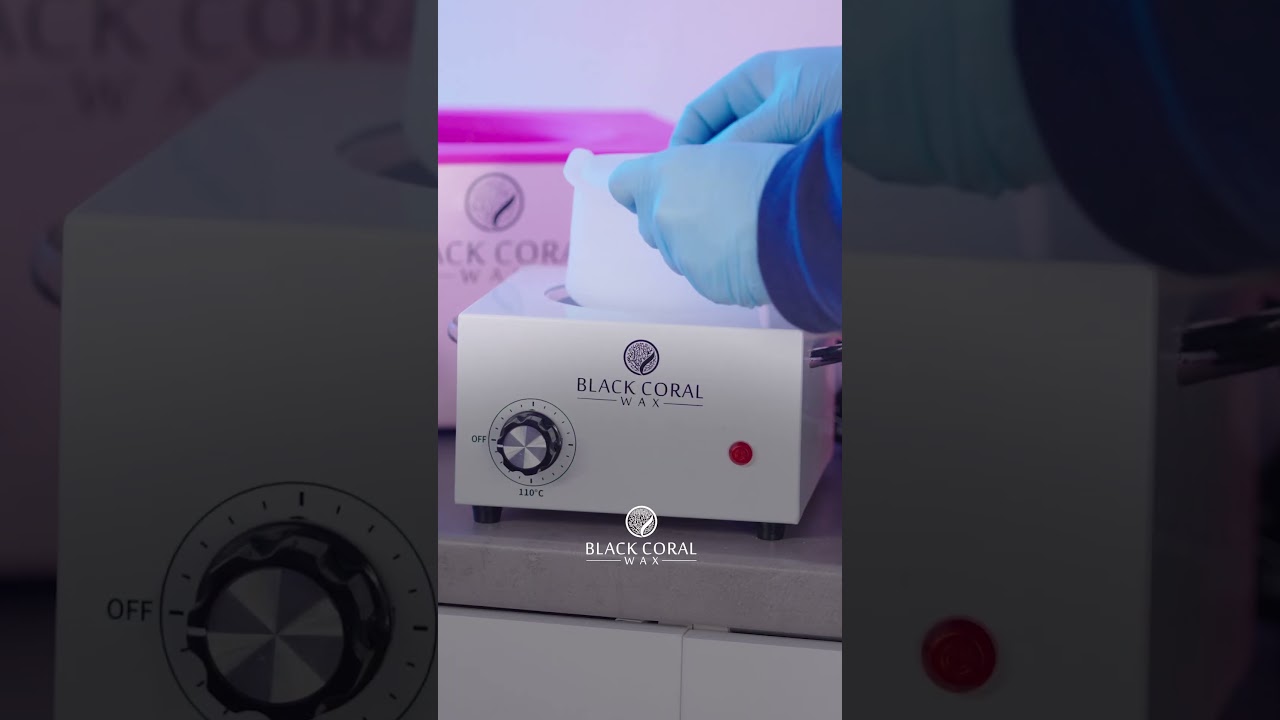
Focus on the surfaces people forget because they look clean: trolley handles, lamp switches, bottle exteriors, stool adjustments, and wax warmer touchpoints. Reusable tools need formal reprocessing, not a quick wipe. Black Coral Wax's step-by-step guide on how to clean a wax warmer helps make that part of the reset more consistent.
Visible cleanliness may not equal microbial safety. Go beyond it.
Building a Safety Culture Through Staff Training and Checklists
A safe studio is built on shared habits that hold up on the busiest day of the week. Staff with task-specific training are less likely to cause cross-contamination; hands-on instruction and process controls outperform one-time compliance-only education.
A strong safety culture includes:
-
Short per-client checklists. Opening setup, in-service handling, and room reset should each have a simple written sequence.
-
Hands-on refreshers. Watch how staff work, not just what they say they do.
-
Documentation. Intake forms, cleaning logs, and restock records help prove that your standards are active, not assumed.
Policies fail when they are too vague. "Keep everything sanitary" sounds good and changes nothing. People need concrete standards: where used applicators go, who restocks clean supplies, and when to stop and re-glove.
A strong cross-contamination prevention system protects more than the treatment room. It protects your reputation, your client relationships, and the consistency of every service you perform.
Frequently Asked Questions About Cross-Contamination Prevention
Can I reuse tweezers if I wipe them between clients?
No. Wiping alone is not enough. Reusable non-porous tools require proper cleaning followed by disinfection before they go back into service. A quick wipe removes visible debris but does not meet professional sanitation standards.
Is double-dipping ever acceptable on the same client?
No. Once an applicator touches skin, it should be treated as contaminated. Use a fresh applicator every time you return to the wax, regardless of whether you're working on the same client.
What if I work in a very small room?
Small rooms can still support effective cross-contamination prevention. The key is zoning: designate dedicated placement for clean and used items from the start and maintain strict control over what your gloved hands touch throughout the service.
How often should gloves be changed during a service?
Change gloves after handling any contaminated waste, after touching surfaces outside your clean field (such as a lamp or trolley handle), and whenever you are uncertain about what the glove has contacted. There is no fixed number; the standard is maintaining clean-hand confidence.
Do clients actually notice hygiene practices?
Yes. Clients may not use technical language, but they notice order, glove changes, fresh setup, and whether your movements feel controlled or careless. Visible hygiene discipline directly reinforces the perception of a professional, premium service.