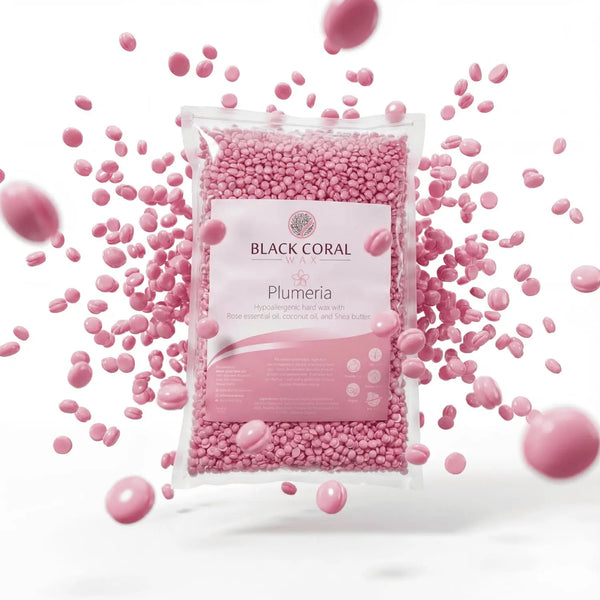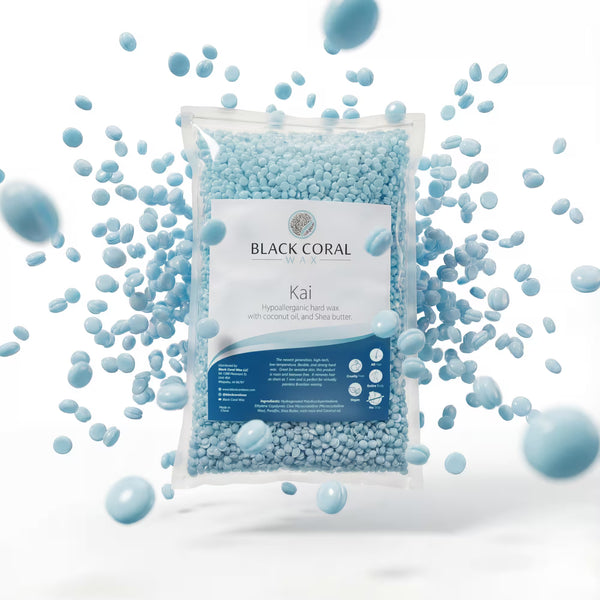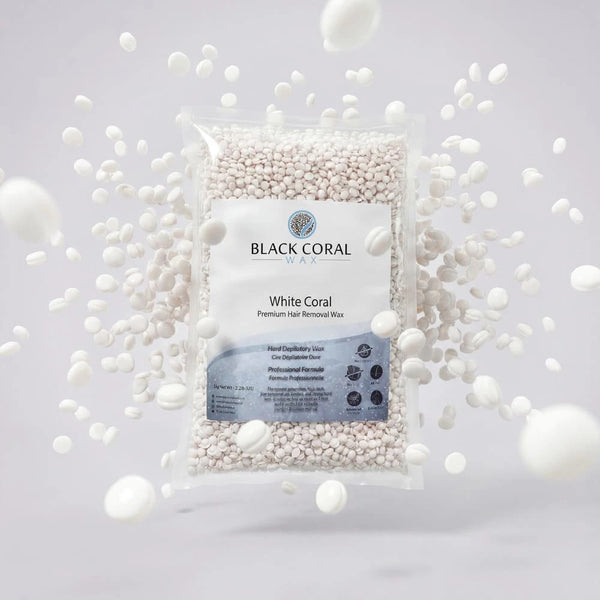


The best choice between hard wax and soft wax depends on the client's skin and hair type and the service you're doing. Hard wax is the best choice for sensitive areas and hair that is thick and hard to get rid of. It only sticks to the hair and not the skin, which makes clients much more comfortable. On the other hand, soft wax is the best choice for quickly and easily covering large areas like legs and arms.
Hard Wax or Soft Wax: How to Choose the Best One for You
Every esthetician should know when to use hard wax and when to use soft wax. Each type is made for a different purpose, and if you know how to use both, you can give each client a service that is comfortable, personalized, and works. The first step to improving your skills and gaining the trust of your clients is to learn about the main differences between them.
The primary distinction lies in their application and removal. Hard wax, which is also called stripless wax, is put on in a thicker layer and then left to cool and harden. It "shrink-wraps" the hair as it sets, making its own removal strip. Soft wax, also called strip wax, is spread out in a very thin layer. To remove it, you need to press a strip of muslin or non-woven fabric on top of it.
This basic mechanical difference tells you when and where to use each wax. It's not that one is always "better"; it's that each one has its own strengths that make it better for certain situations. The goal for professionals isn't to choose a favorite, but to build a flexible toolkit that can meet the needs of any client with accuracy and care.
A Quick Look at Hard Wax and Soft Wax
Here's a quick look at the main differences between hard and soft wax to help you choose the right one for each service. This table lists the most important things for salon professionals, such as how comfortable clients are and how well treatments work.
|
Attribute |
Hard Wax (Stripless Wax) |
Soft Wax (Strip Wax) |
|
Best For |
Sensitive areas (bikini, underarms, face), coarse hair |
Large areas (legs, arms, back, chest), fine to medium hair |
|
Application |
Thicker layer, sets and is removed on its own |
Thin layer, requires a fabric or paper strip for removal |
|
Adhesion |
Adheres only to the hair, not the skin |
Adheres to both the hair and the top layer of skin |
|
Pain Level |
Generally less painful, gentler on the skin |
Can be more uncomfortable due to skin adhesion |
|
Efficiency |
Slower application, ideal for precision work |
Faster application, covers large areas quickly |
|
Residue |
Leaves minimal, non-sticky residue |
Can leave a sticky residue requiring an oil-based remover |
In short, mastering your waxes is the same as mastering your craft. There is a time and place for each one, and a good esthetician knows how to switch between them easily.
Understanding the Science of Wax
The main difference between hard wax and soft wax is how they are made. Each wax is made to work with hair and skin in a very specific way. Estheticians can get great, skin-friendly results when they know the chemistry behind them.
This isn't just useless information; it's basic knowledge. Understanding how a professional wax works is a lot like understanding the science behind products in any high-performance field. It helps you understand what really makes a formula better.
The Formulation of Hard Wax
Hard wax is thoughtfully crafted with flexible polymers and specific rosins (resins derived from pine trees). When melted, these ingredients create a pliable, almost elastic consistency that is not sticky to the touch.
As the wax cools on the skin, these polymers tighten and "shrink-wrap" around each hair shaft. The key is that it grips the hair without adhering to the skin itself. This encapsulation is precisely why hard wax can cleanly remove coarse, stubborn, and even short hairs from the root, resulting in less pain and a minimal risk of lifting the skin.
Key Takeaway: The shrink-wrapping action is hard wax's greatest strength. It makes it incredibly effective on tough hair while remaining exceptionally gentle on the skin, which is why it's the professional standard for sensitive areas.
At Black Coral Wax, our hard wax beads are formulated to melt at a low temperature, prioritizing client comfort. This also gives them a faster set time, helping to improve your workflow without compromising on results. You can explore more about this in our guide covering the different types of wax and their uses.
The Composition of Soft Wax
Soft wax, in contrast, is engineered for adhesion. Its primary ingredients, typically rosin and other tackifying agents, give it a sticky, honey-like texture that bonds to both the hair and the top layer of skin cells.
This stickiness is what makes it so effective. It can grip numerous fine to medium hairs across large areas like the back or legs with incredible efficiency. When you press a muslin or pellon strip onto it, the wax transfers its adhesiveness to the fabric, allowing for a quick pull that removes a large amount of hair at once.
This strong adhesion is also why soft wax is thought to be more aggressive. It provides a light exfoliation-beneficial for some clients but potentially irritating for others, especially those with sensitive or mature skin. To make sure a clean removal and less pain, a precise, paper-thin application is very important.
Learning how to apply and remove it well
The real difference between hard wax and soft wax comes out in the treatment room. Both methods work well to get rid of hair, but the way they are used and taken off are very different. For each method to work, you need to know how to do it right to make sure the client is comfortable and get the perfect results that make professional service stand out.
If you know how to do both techniques, you can use them on any skin type, hair texture, or body part with complete confidence.
This skill is very important in our field. The type of wax you use determines the whole service process, from preparing the skin to taking care of it after the wax. This directly affects your client's experience and the efficiency of your salon.
The Hard Wax Method
Because working with hard wax is a methodical and precise process, it is the best choice for sensitive areas. The first step in the process is to put a thicker, more substantial layer of wax on clean skin, always in the direction that the hair grows.
One of the most critical steps is creating a small, slightly thicker edge or "lip" at the end of the wax application. This lip becomes your handle, allowing for a clean grip for removal without needing any fabric strips.
Professional Best Practice: Allow the wax to set until it’s firm but still pliable-never brittle. Removal is a swift, confident pull parallel to the skin and against the direction of hair growth. A clean pull minimizes discomfort and prevents hair from breaking at the surface.
With high-performance products like Black Coral’s Pele beads, the quick set time is a significant advantage for efficiency. It allows you to work faster without sacrificing precision, a huge benefit for any busy esthetician. For a deeper dive, review our guide on how to use hard wax correctly.
The Soft Wax Technique
Soft wax application is all about speed and coverage. The technique is to spread a paper-thin, nearly transparent layer of warm wax onto the skin, again moving with the direction of hair growth. Uniformity is crucial; a layer that’s too thick will not remove cleanly.
Immediately after applying the wax, press a non-woven fabric or muslin strip firmly on top. Smooth it down two or three times to ensure it's fully bonded to the wax.
The removal process for soft wax is quick and decisive:
-
Hold the skin taut at the base of the strip to support the skin and reduce pulling.
-
Grip the end of the strip firmly.
-
Pull it back quickly in one fluid motion, keeping it parallel to the skin and moving against the direction of hair growth.
Because it adheres to both hair and skin, soft wax is an excellent exfoliator. However, this same quality requires an expert technique to avoid causing irritation.
There's a clear reason professionals are increasingly leaning toward hard wax. Salons favor it because it's less painful on coarse hair and sensitive areas and leaves no sticky residue, making cleanup effortless. In fact, hard wax holds the highest commercial share in a hair removal market projected to grow from $13.38 billion to $24.95 billion by 2032.
Choosing the Right Wax for Every Body Area
Deciding between hard wax vs soft wax is not merely a matter of preference-it’s a strategic choice. The right wax depends on the body area, the client's skin sensitivity, and the hair type you’re treating. Getting this right is what elevates a good service to a great one.
Think of it as a chef using a set of specialized knives; you wouldn't use a large cleaver for delicate work. The same logic applies here. Each wax is formulated for a specific job, and knowing which one to select demonstrates true professional skill.
Delicate Areas: The Domain of Hard Wax
When it comes to sensitive and smaller zones, hard wax is the clear winner. It is engineered to shrink-wrap and adhere only to the hair, not the skin, making it the gentlest and most precise tool in your kit.
-
Face (Eyebrows, Lip, Chin): Hard wax provides incredible control for shaping brows and removing fine facial hair without leaving the skin red and irritated.
-
Underarms: This area is notoriously sensitive. Hard wax effectively removes coarse hair growing in multiple directions while keeping discomfort and redness to a minimum.
-
Bikini and Brazilian: For intimate waxing, client comfort is paramount. Hard wax is the industry standard here because it is significantly less painful. To perfect your technique, our guide on the best waxes for the bikini area is filled with professional tips.
Expert Insight: Even if a client claims their skin isn't sensitive, using hard wax on delicate areas sends a powerful message. It shows you prioritize their comfort, which is how you turn a one-time appointment into a loyal regular.
Large Areas: Where Soft Wax Shines
When you need to cover a lot of ground efficiently, soft wax is the workhorse you need. It’s designed to be applied in a thin layer over large surfaces, making it perfect for bigger jobs where speed is essential.
-
Legs: A full-leg service can be performed quickly and cleanly with soft wax.
-
Arms: Like legs, arms are an ideal candidate for the fast application and removal process that strip wax offers.
-
Back and Chest: For these larger body services, soft wax provides excellent coverage and removes fine to medium hair with impressive efficiency.
It’s no surprise that soft wax held a 52.1% global share in 2022; its practicality for these larger areas is undeniable. With the market valued at $6 billion and growing, its place in the salon is secure. You can discover more insights about the hair removal wax market on Fact.MR.
Knowing when to use hard or soft wax is key, but true expertise lies in adapting to each client's specific needs. To help you make the best choice every time, here's a quick guide matching body areas with the ideal wax type.
Wax Selection Guide by Body Area
|
Body Area |
Primary Recommendation |
Reasoning & Pro Tips |
|
Face (Brows, Lip, Chin) |
Hard Wax |
Offers precision for shaping and is gentle on delicate facial skin. |
|
Underarms |
Hard Wax |
Minimizes irritation and effectively grabs coarse hair that grows in multiple directions. |
|
Bikini / Brazilian |
Hard Wax |
The gold standard for client comfort. It adheres only to hair, significantly reducing pain. |
|
Legs |
Soft Wax |
Ideal for speed and efficiency over large areas. Use a quality strip to prevent breakage. |
|
Arms |
Soft Wax |
Perfect for quick application and removal on areas with fine to medium hair. |
|
Back & Chest |
Soft Wax |
Provides excellent, efficient coverage for large surfaces, making it the go-to for body waxing. |
|
Sensitive Skin (Any Area) |
Hard Wax |
Prioritize client comfort. If a client has sensitive skin, use hard wax even on larger areas. |
This table serves as a strong starting point, but always assess the client's skin and hair before you begin. A brief consultation can make all the difference.
Nuanced Scenarios and Hybrid Approaches
True expertise is about knowing when to adapt the rules. If a client with very sensitive skin requests a leg wax, choosing hard wax is the prudent move. While it may take longer, their comfort is the top priority.
Often, the best service involves a hybrid approach. You might use soft wax for the main sections of the legs and then switch to hard wax for trickier spots like the knees or ankles. This adaptability and thoughtful decision-making is the hallmark of a top-tier esthetician.
Matching Wax Type to Client Skin and Hair
The art of waxing extends beyond technique-it's about personalization. The choice between hard wax vs soft wax is influenced less by the body part and more by your client's unique skin and hair. A thorough consultation before beginning the service is non-negotiable. It is how you deliver an experience that is not just effective, but also safe and comfortable.
This client-first approach builds the trust and loyalty that transforms a one-time visitor into a regular. It demonstrates your commitment to their skin health, not just hair removal.
Prioritizing Skin Health and Sensitivity
For clients with sensitive, reactive, or mature skin, hard wax is the undisputed champion. It’s formulated to grip the hair and only the hair, bypassing the skin entirely.
This detail is crucial. It means hard wax drastically reduces the risk of redness, irritation, and skin lifting-all common concerns for this client type. Soft wax, which adheres to the top layer of skin, can be too aggressive for anyone with delicate or compromised skin.
Key Takeaway: If a client has sensitive, thin, or mature skin, always select hard wax, regardless of the treatment area. Prioritizing skin integrity over speed is what defines a true professional.
A quick patch test, especially for new clients, is always a sound practice. It shows you exactly how their skin will react and solidifies your reputation as a careful, safety-focused esthetician. To learn more, our guide on how to choose the best hard wax beads for every skin type offers additional expert advice.
Adapting to Different Hair Textures
Hair texture is just as critical as skin type when choosing your wax. Each wax is engineered to grip hair differently, so matching it to the hair profile is key to a successful service.
-
Coarse, Thick, or Short Hair: This is where hard wax truly excels. Its shrink-wrapping action creates a firm grip on each hair at the root, allowing for a clean pull without snapping even the most stubborn or short hairs.
-
Fine to Medium Hair: Soft wax is a powerhouse for fine hair on large areas. Its adhesive properties allow it to grab many hairs at once, making services like leg or back waxes quick and thorough.
By properly assessing your client's hair, you can select the wax that will provide the cleanest removal with the least stress on the skin. This expertise leads to flawlessly smooth results and keeps your clients returning.
Making the Best Decision for Your Salon
In the professional debate of hard wax vs soft wax, there is no single winner. The mark of an expert esthetician is knowing precisely which tool to use for each client, based on their skin, hair type, and the treatment area.
Hard wax has rightfully earned its reputation as the superior choice for client comfort, especially in delicate zones. Because it shrink-wraps the hair instead of adhering to the skin, it significantly reduces pain and irritation. This makes it an essential product for facial waxing, underarms, and Brazilian services. Investing in a premium hard wax is how you build a reputation for gentle, precise services that foster client loyalty.
Building a Versatile Waxing Service
However, soft wax remains the undisputed workhorse for large areas like legs, arms, and backs where efficiency is paramount. While data shows soft wax held a 52.7% share of a $3.0 billion global market in 2021, the entire industry is growing. As clients become more focused on personal grooming and hygiene, offering a full range of services is the only way to meet demand. You can explore more market research insights from Allied Market Research.
The smartest decision for any modern salon is to stock both. This approach allows you to address any service with the ideal product, which enhances client satisfaction and streamlines your workflow.
By equipping your salon with professional-grade hard and soft waxes, you’re not just offering services; you’re positioning yourself as a true hair removal authority. This versatility means you can confidently handle any request that walks through your door, proving your commitment to top-tier, client-focused care. For a deeper dive into selecting the right products, review our guide on choosing the best wax for estheticians.
Frequently Asked Questions
When it comes to hard wax vs. soft wax, a few questions consistently arise from professionals. Let's clarify some of the most common ones to ensure you feel confident in your salon practices.
Can I use hard wax on large areas like legs?
While you can, it's generally not the most practical choice. Using hard wax for a full leg service is more time-consuming and uses more product compared to soft wax.
Hard wax is designed for precision in smaller, more delicate areas where its gentle properties are most beneficial. For large jobs like legs or backs, soft wax is typically faster and more cost-effective.
Is one wax better for preventing ingrown hairs?
Hard wax has a distinct advantage here, especially for clients with coarse or stubborn hair. Its shrink-wrapping action grips the hair firmly at the root, which dramatically reduces the likelihood of hair breaking at or below the skin's surface-a primary cause of ingrown hairs.
Of course, proper pre- and post-wax care remains essential for maintaining clear, smooth skin regardless of the wax used.
What if a client has extremely sensitive skin?
For any client with highly sensitive or reactive skin, hard wax is the safest and most comfortable option. In this scenario, it is the recommended choice, regardless of the body part.
Its formulation is significantly kinder to the skin because it doesn't adhere, which means far less irritation and redness for your client.
Professional Tip: If a new client indicates they have sensitive skin, always perform a small patch test first. This simple step confirms their skin's reaction and demonstrates your commitment to their safety and comfort, which is a powerful trust-builder.
Do I need to stock both wax types in my salon?
Yes, absolutely. To operate a truly professional waxing service, you need to have both high-quality hard and soft wax available. A one-size-fits-all approach is not effective.
Having both allows you to customize every service to the client's specific skin type, hair texture, and the area being waxed. This adaptability is the key to delivering exceptional results every time.
At Black Coral Wax, we understand that having the right tool for the right job is everything. Our professional-grade waxes are formulated to give you the confidence to address any client's needs with skill and care.