The Best Salon Waxing Kit for Speed, Comfort, and Clean Results
Starting your first waxing station looks simple on paper. Buy a kit, plug in a warmer, stock applicators, and start booking clients.
In practice, that's where new professionals lose money and time. The wrong kit slows your services, reheats unevenly, wastes product, and makes even good technique feel inconsistent. Most online roundups miss the point for salon use entirely, focusing on home convenience rather than what helps a licensed professional work cleanly, safely, and efficiently all day.
FREE COURSE
Turn Your Passion for Beauty Into a $75K+ Waxing Business
GET IT NOW!
Course successfully sent. 🎉
Please go to your inbox to receive it.
The best salon waxing kit isn't one box with a nice label. It's a working system. Every component matters: wax format, warmer behavior, stick size, prep products, post-care, and how all of it fits your treatment menu.
How to Choose the Best Professional Salon Waxing Kit
A salon kit has to support your workflow. That means asking different questions than a home buyer would: Does the wax stay workable without turning stringy? Does the warmer recover heat predictably between clients? Can you move from brows to underarms to legs without stopping to troubleshoot texture?
What professionals should prioritize
-
Service fit: Match the kit to the treatments you'll perform most often. A brow-heavy studio needs a different setup than a body-waxing room.
-
Texture control: Good wax should apply smoothly, not drip or set before you finish your section.
-
Heat stability: A warmer that runs too hot or cools too fast creates avoidable inconsistency.
-
Cleanup practicality: Sticky rims, messy inserts, and residue-heavy tools slow room turnover.
-
Restock logic: If one item runs out constantly while the rest sits untouched, the kit wasn't built around real use.
Buy for the service menu you have now, then leave room to expand. Don't build your station around treatments you aren't confident offering yet.
Why all-in-one doesn't always mean professional-ready
Many starter kits are organized for easy purchasing, not for efficient treatment flow. A professional setup should help you reduce hesitation in the room. You want your cleanser within reach, your wax at a reliable consistency, your spatulas sized to the area, and your post-care ready before the last pull. If any part of the kit fights that sequence, it's costing you time and money.
What a Complete Professional Waxing Kit Should Include
A real professional waxing kit is a system of parts that work together. A complete setup covers wax, a heating method, application tools, and post-wax care products. That basic list is accurate, but salon use demands a more detailed eye. Each item affects texture, timing, client comfort, and cleanup.
The core components
-
Wax: Your pace setter. Some formulas spread in thin, controlled layers; others need more pressure or more reheating attention.
-
Warmer: Controls whether your wax stays smooth and predictable or becomes a constant adjustment problem.
-
Application tools: Small sticks, large spatulas, cartridge heads, and strip materials change how precise or fast a service feels.
-
Pre-wax prep: Cleanser removes oil, residue, and surface interference so the wax grips hair instead of sliding on skin.
-
Post-wax care: Oil or soothing lotion removes residue and calms the treated area so the service ends as professionally as it starts.
What new professionals often overlook
The weak point in many starter stations is the mismatch between components. A good warmer with poor applicators still creates messy placement. Quality wax with no proper skin prep leads to slipping and repeated passes. Strong technique without suitable post-care leaves the client remembering redness, not smooth skin.
For salon use, "complete" doesn't mean "contains many items." It means each part supports consistent execution: clean skin prep, stable wax application, area-appropriate tools, and a proper finish. If any of those steps are missing, the kit is only partially complete, regardless of what the packaging says.
For a detailed checklist of what belongs in a treatment-ready station, this guide to professional waxing supplies for estheticians is a useful reference.
Hard Wax vs Soft Wax vs Cartridge Systems: Choosing the Right Format
The most important buying decision in a waxing kit is the wax format. It determines service style, client comfort, and room speed.
Hard wax for precision and sensitive zones
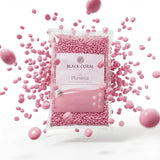
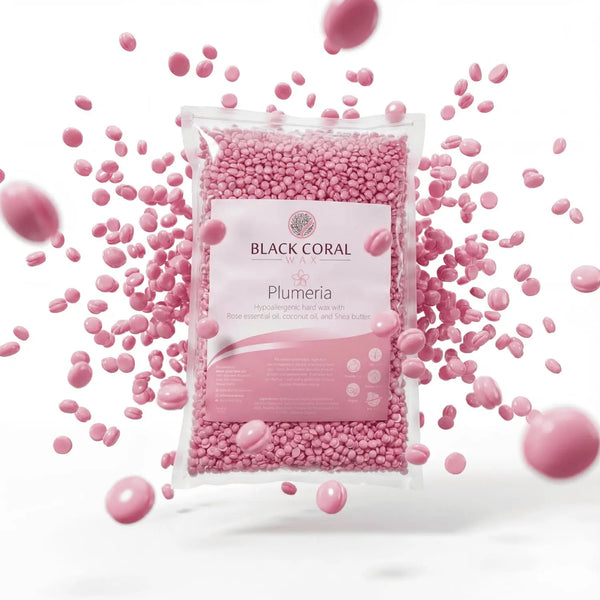
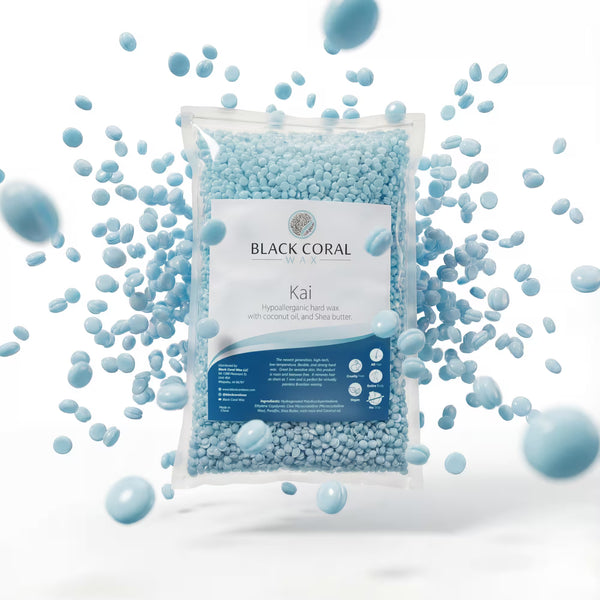
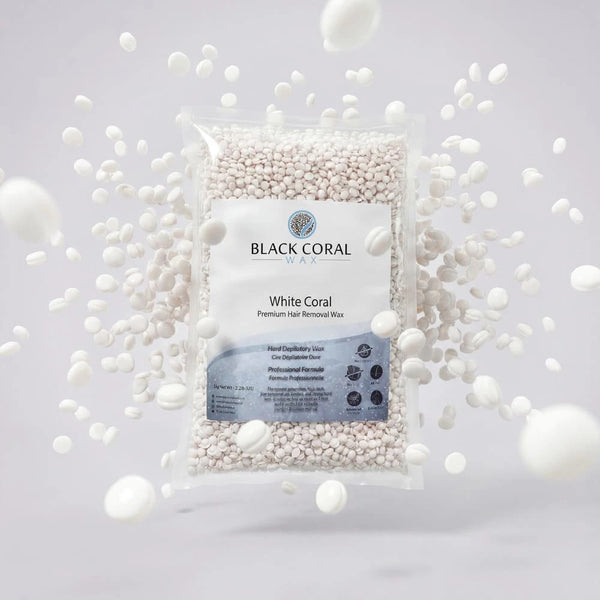
Hard wax sets on the skin and is removed without a strip, giving you more control on smaller or more delicate areas. It's typically the better fit for brows, lip, underarms, bikini, and Brazilian work. At the right working consistency, it lays down with body, wraps the hair cleanly, and lifts in one controlled motion.
Hard wax works best when you need:
- Detail work
- Sensitive-area comfort
- Cleaner cleanup
Soft wax for fast, broad coverage
Soft wax (strip wax) stays tacky and requires a strip for removal. It's useful when speed across larger areas matters more than strip-free precision. On legs, arms, chest, or back, it covers space quickly with a thin, even layer. Its texture is usually fluid, often described as a warm honey-like spread, which is a strength when application is clean and sectioning is disciplined.
Soft wax suits professionals who want:
- Faster large-area services
- Very thin application
- A familiar workflow for repetitive body waxing
Its downside is that poor technique shows fast. Overloading the spatula, working too slowly, or applying over poorly prepped skin makes the service sticky and inefficient.
Cartridge systems for large-area rhythm
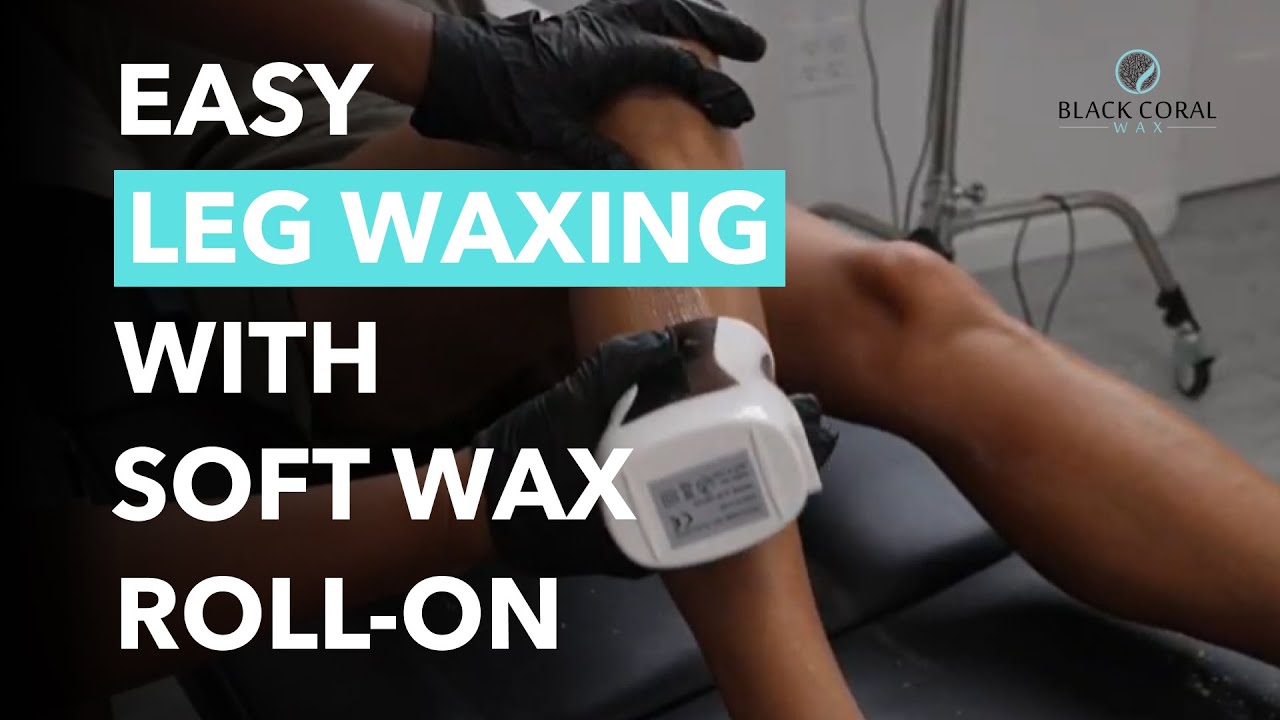
Roll-on cartridge systems are workflow tools. They offer controlled, even dispensing over larger body areas with less open-pot handling. The appeal is rhythm: cartridges help maintain cleaner, more uniform application for clients booking routine legs, arms, or back waxing. They're less flexible for detailed areas, but strong for standardized body services.
The mixed system most busy salons use
Most busy professionals eventually land on a mixed setup rather than a single format:
-
Hard wax: Face, underarms, bikini, Brazilian
-
Soft wax or cartridge: Legs, arms, back, chest
-
Dedicated tools for each: Separate sticks, strips, and cleanup habits
That gives you flexibility without forcing one product to do every job poorly.
Selecting the Right Wax Warmer for Consistent, Safe Results
If wax is the material, the warmer is the control center. A salon warmer should heat up properly, hold a stable working temperature, and recover smoothly after repeated use. If it overshoots, wax becomes too runny and harder to place cleanly. If it drops below working temperature, the wax thickens, strings, and fights the service instead of supporting it.
Key qualities to look for:
-
Reliable temperature control: Repeatable texture, not broad hot-or-warm guessing.
-
Capacity that matches your schedule: Single wax warmers suit focused menus; multi-pot or larger warmers suit mixed services and heavier traffic.
-
Easy-to-clean design: Rim buildup and insert mess slow your reset between clients.
-
Durability: A salon warmer gets handled constantly. Loose lids and flimsy controls don't age well.
Clients don't see your thermostat setting, but they feel the result immediately. A controlled warmer helps wax glide on in a consistent layer, which means more predictable set, cleaner edges, and less temptation to rework the same area. For a detailed evaluation of warmer options, this guide to choosing the best professional wax warmer covers what matters most in a salon environment.
A single warmer works well when your menu is narrow or your room is small. A multi-pot setup makes more sense when you switch formats often or need to keep separate waxes available without waiting for one pot to cool and reset.

Best Salon Waxing Kit by Professional Profile
The best salon waxing kit for a student isn't the best one for a booked-out salon. What matters is fit: your kit should match your treatment menu, room volume, and storage reality.
Students benefit from a narrower setup. One reliable wax type, a dependable compact warmer, a few spatula sizes, prep, and post-care are enough to build sound habits. The common mistake is buying too many formats too early, which splits attention between technique and troubleshooting.
Solo estheticians need range. Keep hard wax for precision services and add a second format only when your service menu supports it. A practical station includes one primary wax you know well, a warmer that holds texture steadily, multiple applicator sizes, and prep and finish products within arm's reach.
Salon owners should buy with staff use and appointment flow in mind. When several people share supplies, standardization matters. Uniform tools, clear product placement, and warmers that behave predictably keep services aligned across rooms. Bulk buying and format separation also start to make financial sense at this level.
The cheapest kit often becomes the expensive one when staff workaround habits start wasting time and product.
Mobile and small-space setups need disciplined choices. A compact station can still be professional if every item earns its place. Favor tools that reduce mess, formulas that don't demand excessive switching, and post-care that doubles as residue removal and skin finish.
Why Pre and Post-Wax Care Belong in Every Professional Kit
A waxing service starts before the first application and ends after the last residue is removed. If your kit ignores skin prep and aftercare, it's incomplete.
Pre-wax care creates the working surface. Clean skin helps wax grip hair instead of surface oil or lotion, making placement cleaner and reducing the need for repeated passes. In a professional room, it also signals hygiene and attention to detail before the client feels the first pull.
-
Pre-wax care: Cleanse the area, remove surface interference, and support controlled adhesion.
-
Post-wax care: Lift leftover residue, calm the skin, and leave the area comfortable rather than sticky.
-
Home guidance: Advise clients on how to treat freshly waxed skin so your results hold after they leave.
Aftercare also shapes the client's memory of the service. A finishing product such as oil can remove remaining wax residue while softening the skin at the end of treatment.
A polished waxing service doesn't feel rushed at the finish. It feels complete.
If you're refining your station or choosing your first professional setup, explore Black Coral Wax for waxes, warmers, and care products designed for a cleaner, more consistent waxing workflow.
Frequently Asked Questions About Best Salon Waxing Kits
How many wax formats should a new professional keep on hand?
Start with one format you can control confidently. Add a second only when your service menu clearly calls for it. Most early inconsistency comes from trying to master too many systems at once.
What's the biggest mistake when buying a first professional kit?
Buying for marketing language instead of treatment flow. A kit can look complete online and still leave you without the right warmer behavior, tool sizes, or skin prep support for daily salon work.
Is one kit enough for every stage of business growth?
Usually not. Your first kit should support clean execution and good habits. As your books fill and your treatment menu expands, your station should expand with it, which often means upgrading warmer capacity, separating wax formats, and tightening your restock system.