The Three Most Common Post-Wax Skin Reactions
Before reaching for any product or giving a client advice, the first step is to sort the reaction by timing, appearance, and cause. These three categories cover the vast majority of what professionals see.
1. Histamine response
This is the reaction most clients notice immediately after the service. Skin turns pink or red, follicles look raised, and the area may feel warm or itchy. It is a short-lived inflammatory response to the mechanical trauma of hair removal, not a sign that anything went wrong.
In most cases the skin settles within a few hours, and any residual redness resolves within 24 to 48 hours. If that is the timeline, it points clearly toward a histamine reaction rather than a wax allergy. Clients who tend toward flushing, have sensitive skin, or are waxing for the first time are more likely to experience a pronounced histamine response.
How to soothe it: Cool the area immediately after the service with a damp cloth or a gentle post-wax lotion. Avoid heat, friction, and tight clothing for the rest of the day. No active ingredients, no scrubs, nothing that adds more stimulation to already-stimulated skin.
2. Folliculitis and ingrown hairs
These usually appear several days after waxing, not immediately. The client often reports "bumps" and assumes allergy, but on closer inspection the bumps sit directly over follicles, may feel tender, and sometimes trap a curved hair beneath the surface.
This is not an allergic reaction. It is a regrowth and barrier-management problem. Contributing factors include tight clothing, sweat, friction, and dry skin that forms a compact layer over the follicle opening. Areas with dense hair growth or coarse regrowth are particularly prone.
How to soothe it: Keep the area clean and moisturized. Avoid picking or squeezing. Loose, breathable clothing helps reduce friction during the regrowth phase. Once the skin is fully calm and at least 48 hours have passed since waxing, gentle maintenance can begin - but that is a separate topic from managing an active reaction.
3. Allergic contact dermatitis
A true wax allergy is a type IV delayed hypersensitivity reaction, meaning the immune system mounts a cell-mediated response to a specific allergen. Symptoms typically appear 24 to 72 hours after exposure and include eczema-like redness, itching, swelling, and sometimes blistering. The reaction tends to worsen rather than improve over time, which is the clearest distinguishing feature from a histamine response.
Importantly, the allergy is rarely to the wax base itself. A peer-reviewed study published in Dermatitis identified the most common contact allergens in depilatory wax products as vitamin E, colophony, botanicals, fragrance, beeswax/propolis, and color additives. This means a client can react to a pre-wax oil, a post-wax lotion, a strip material, or a glove just as easily as to the wax formula itself. When a client says they are "allergic to wax," the trigger is often one specific ingredient rather than waxing as a method.
How to manage it: Stop using the suspected product immediately. Do not rebook the client into the same formula until the trigger has been identified. Keep the skin calm with plain, fragrance-free moisturizer and avoid any active ingredients until the reaction fully resolves. If the reaction is severe, spreading, or includes blistering, the client should see a doctor.
How to tell the reactions apart: a practical rule
|
Histamine response |
Folliculitis / ingrowns |
Allergic contact dermatitis |
| When it appears |
During or immediately after waxing |
Several days later |
24 to 72 hours after waxing |
| What it looks like |
Diffuse redness, raised follicles, warmth |
Bumps over follicles, possible trapped hair |
Eczema-like redness, itching, possible blistering |
| How it progresses |
Improves within hours to 48 hours |
Persists or worsens without care |
Worsens over time |
| Common cause |
Mechanical trauma of hair removal |
Trapped regrowth, friction, dry skin |
Specific ingredient in wax or aftercare product |
Immediate redness that fades quickly suggests histamine. Bumps appearing days later suggest follicular congestion. A reaction that appears after 24 hours and keeps worsening points toward allergy.
Reducing the Risk: What Professionals Can Do Before and During the Service
Many post-wax reactions are preventable. These are the factors worth addressing before the first strip is applied.
Take a thorough history. Ask about previous wax reactions, known skin sensitivities, current skincare actives (retinoids, AHAs, BHAs), and any medications that increase skin fragility. Clients on isotretinoin, certain antibiotics, or blood thinners need special consideration or a deferred service.
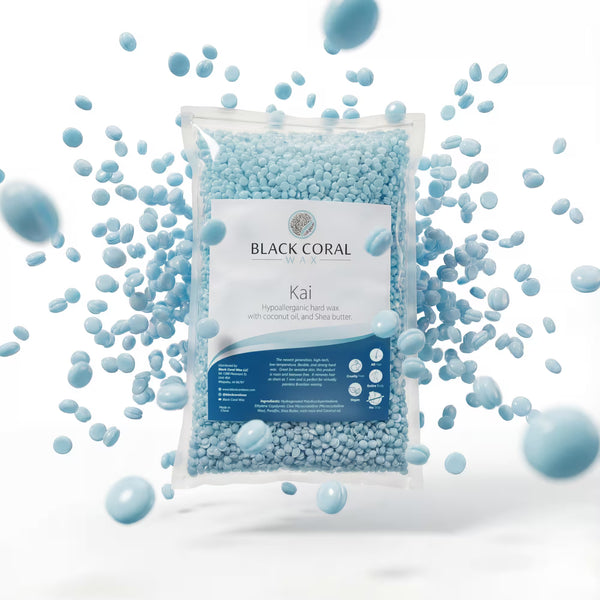
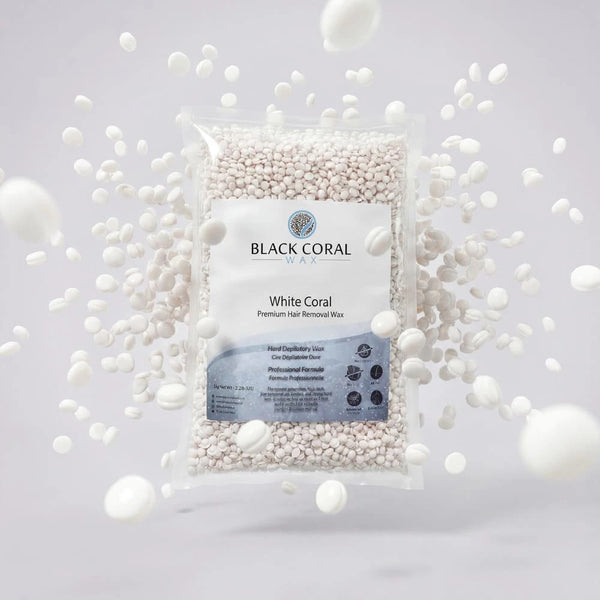
Choose the formula carefully. For clients with a known sensitivity history or reactive skin, a hypoallergenic wax formula - such as Black Coral Wax's Kai, White Coral, and Mae Mae Hard Wax - removes one of the most common variables from the start.
Patch test when in doubt. For clients with a strong sensitivity history, a patch test 24 to 48 hours before the full service is a straightforward way to catch a potential reaction before it becomes a problem.
Keep aftercare simple. The fewer active ingredients applied immediately post-wax, the lower the risk of a layered reaction. A plain, fragrance-free post-wax product is almost always the safest immediate choice.
What to Apply (and What to Avoid) After Waxing
The immediate post-wax window is not the time for active skincare. The skin's barrier has just been stressed, and the follicles are temporarily more open and vulnerable. Anything that adds stimulation during this window - whether an acid, a fragrance, or even a heavily formulated "soothing" product - can trigger or worsen a reaction.
Safe immediately after waxing:
- Cool compresses or chilled damp cloths to reduce redness and histamine response
- Plain, fragrance-free, low-ingredient moisturizers or post-wax lotions
- Gentle conditioning oils formulated for post-wax use, such as Ili Oil from Black Coral Wax, which works as a calming aftercare step rather than an active treatment
- Loose, breathable clothing to minimize friction
Avoid for at least 24 to 48 hours after waxing:
- Exfoliating acids (AHAs, BHAs) and physical scrubs
- Fragranced products, including most body lotions and oils not specifically formulated for post-wax use
- Heat: hot baths, saunas, sunbathing, and intense exercise that causes sweating
- Tight clothing over freshly waxed areas
- Touching or picking at the skin
When the Reaction Needs Medical Attention
Most post-wax reactions are uncomfortable but manageable. Some are not. These are the signs that a client should see a doctor rather than wait for the skin to settle on its own:
- Blistering or open sores in the treatment area
- Swelling that spreads beyond the waxed area
- A reaction that continues to worsen after 72 hours despite stopping all suspected products
- Any difficulty breathing, throat tightening, or systemic symptoms (these require emergency care)
As professionals, the role is to recognize these signs early and refer the client appropriately rather than attempt to manage a medical situation with skincare products.
A Note for Clients: What to Do Between Appointments
If you have experienced a reaction after waxing, the most useful thing you can do before your next appointment is note the exact timing. When did the redness appear? Did it worsen or improve over the first 48 hours? Did you apply anything to the skin afterward that could have been a factor?
That information gives your waxer or a dermatologist something concrete to work with. A reaction that clears up within a day is almost certainly not an allergy. One that peaks on day two or three and involves itching, swelling, or blistering is worth investigating properly - potentially with patch testing to identify the specific trigger.
Switching to a hypoallergenic wax formula and simplifying your post-wax routine are two steps that can make a significant difference while you work out the cause.
Frequently Asked Questions on Wax Allergy and Post-Wax Skin Reactions
How do I know if I have a wax allergy or just irritated skin?
Timing is the clearest signal. Redness that appears immediately and fades within a day is usually a histamine or trauma response. A wax allergy presents as a delayed reaction - redness, itching, or blistering that develops 24 to 72 hours after the service and worsens rather than improves. If you are unsure, a dermatologist can confirm the cause with patch testing.
What ingredients in wax products most commonly cause allergic reactions?
The most common contact allergens found in depilatory wax products are vitamin E, colophony, botanicals, fragrance, beeswax/propolis, and color additives. The reaction is usually to one specific ingredient rather than to wax as a material, which is why switching to a hypoallergenic formula often resolves the problem.
Can I wax again after an allergic reaction?
In most cases, yes - but not in the same formula until the trigger has been identified. Once you know which ingredient caused the reaction, you or your waxer can choose a formula that does not contain it. Patch testing before the next full service is strongly recommended.
What should I put on my skin immediately after waxing to prevent a reaction?
Keep it simple: a plain, fragrance-free moisturizer or a post-wax conditioning oil is enough. Avoid anything with active ingredients, fragrance, or a long ingredient list in the first 24 to 48 hours. Less is reliably more when the skin barrier has just been stressed.
When should I see a doctor after waxing?
Seek medical attention if you experience blistering, swelling that spreads beyond the waxed area, a reaction that worsens after 72 hours, or any systemic symptoms such as difficulty breathing. These go beyond normal post-wax irritation and need professional diagnosis rather than home management.