A Guide to Professional Hard Wax Reviews for Estheticians in 2026
Hello, fellow professional. As estheticians, we know that choosing the right hard wax is very important. It's the difference between a happy customer who comes back and a one-star review. But going through all of the professional hard wax reviews and convincing marketing claims can feel like a full-time job.
This guide is meant to cut through all of that noise. We're giving you a simple, expert-level way to judge any wax formula, so you can stop guessing and start making decisions with confidence.
FREE COURSE
Turn Your Passion for Beauty Into a $75K+ Waxing Business
GET IT NOW!
Course succesfuly sent. 🎉
Please go to your inbox to recieve it.
How to Properly Rate Professional Hard Wax
This is your masterclass in picking the right wax. We will go over the performance metrics that are most important for your client's comfort, your salon's reputation, and your workflow efficiency.
When you finish this guide, you'll know how to spot a really high-quality wax and make smart investments that will improve your services. Let's get started.
Setting the Standard for Your Review
Before comparing brands, you need a baseline. What defines a great hard wax? A top-tier professional formula must deliver, without fail, on a few key promises. These are the non-negotiables.
Your evaluation should always come back to these four pillars:
-
Client Comfort: The wax should melt at a low, safe temperature. It must grip the hair-and only the hair-to keep discomfort and irritation to a minimum.
-
Workflow Efficiency: A predictable set time is crucial. The wax should not be too runny or brittle. It needs to remain flexible for a clean, single-pull removal that keeps your appointments on schedule.
-
Skin Integrity: After the service, the client's skin should appear calm and feel smooth. A great wax leaves behind minimal redness or sticky residue.
-
Performance Reliability: The formula must work consistently everywhere, from coarse, stubborn bikini hair to the finest facial vellus hair.
To go deeper, our guide on how to choose the best hard wax beads for every skin type explains how different formulas are tailored to meet specific needs. This knowledge helps you read any review with a sharp, professional eye.
The table below is a quick-reference cheat sheet. Use it to measure any wax you’re considering against the metrics that truly count.
Key Hard Wax Evaluation Criteria at a Glance
|
Performance Metric
|
What to Look For
|
Impact on Your Service
|
|
Grip & Adhesion
|
Grips hair firmly, not skin. Effective on coarse and fine hairs.
|
Reduces discomfort, minimizes missed hairs, and prevents skin lifting.
|
|
Flexibility
|
Remains pliable after setting; doesn't crack or become brittle.
|
Allows for clean, one-piece removal and prevents messy breakage.
|
|
Set & Working Time
|
Sets quickly but allows enough time for application.
|
Speeds up your appointments and improves overall efficiency.
|
|
Melting Point
|
Melts at a low, comfortable temperature.
|
Enhances client safety and comfort, reducing the risk of burns.
|
|
Pain Reduction
|
Smooth application and "shrink-wraps" hair for a less painful pull.
|
Builds client trust and leads to higher satisfaction and retention.
|
|
Residue
|
Leaves little to no sticky residue on the skin.
|
Simplifies cleanup and creates a more professional, pleasant finish.
|
|
Ingredient Safety
|
Hypoallergenic, free of common irritants like parabens.
|
Protects clients with sensitive skin and upholds professional standards.
|
Knowing what to look for is the first step. With a solid framework, you are no longer just buying a product; you're investing in a tool that will make you a better, more efficient esthetician.
A truly great hard wax isn't just a consumable supply; it's a direct extension of your skill. It should enhance your technique, boost client trust, and streamline your service, making every appointment a testament to your professional standards.
By adopting a structured method for testing waxes, you ensure every formula you bring into your treatment room is a deliberate choice that supports your craft and your business. This guide will help you build that structure, transforming how you select products for good.
The Pillars of a High-Performance Hard Wax
So, what separates a decent wax from a truly exceptional one? It’s not the color or a slick marketing campaign-it’s the core performance pillars that deliver consistent, professional results every single time. For estheticians, mastering these characteristics is the secret to conducting a proper professional hard wax review.
When testing a new wax, every detail matters-from its texture on the skin to its impact on your workflow. The three pillars of Melt, Flex, and Grip are the absolute non-negotiables that define a superior hard wax. Nailing these down is your first step toward making smart, expert choices for your treatment room.
Melt Point and Consistency
First, it’s all about safety and comfort. A top-tier hard wax needs a low, stable melting point, typically between 45°C and 55°C. This lower temperature range drastically reduces the risk of burns, ensuring your client feels a soothing warmth upon application, not shocking heat.
That controlled temperature also determines the wax’s consistency. You're looking for a smooth, honey-like texture. It should be thick enough to cling to your spatula without dripping but still fluid enough to glide onto the skin effortlessly. A wax that melts evenly at a low temperature is the first sign you’re working with a quality, professional-grade formula.
Set Time and Flexibility
Next is the delicate balance between set time and flexibility. This is where your salon's efficiency is either made or broken. A wax must set quickly enough to keep your appointments moving, but it absolutely must stay pliable enough to mold to the body's contours without cracking or turning brittle.
Here’s what you should watch for:
-
Efficient Set Time: The wax should harden enough for removal in under a minute. This allows you to work efficiently without awkward pauses.
-
Lasting Pliability: A great formula remains flexible even after it sets. This “pliable strength” is essential for a clean, one-piece pull, preventing frustrating breakage that leaves small pieces behind.
If a wax cracks upon removal, it’s a clear sign of a lower-quality polymer blend. A high-quality wax holds its integrity, enabling a smooth pull that saves time and prevents re-waxing, which can irritate the skin.
Grip and Residue-Free Removal
Finally, we arrive at the ultimate test of any hard wax: its grip and removal. This directly affects your client’s comfort and the final aesthetic. The magic of a great hard wax lies in its ability to “shrink-wrap” around each hair as it cools.
This action allows the wax to grip the hair shaft-from the coarsest strands to the finest vellus hair-without adhering to the skin itself. This targeted grip is precisely why hard wax is much gentler than traditional strip wax. Our deep dive on hard wax vs. soft wax explains why this difference is so critical, especially for sensitive areas.
A proper grip results in a clean lift with minimal discomfort and virtually no sticky residue. The skin should feel smooth and calm immediately after the pull, a clear indicator of a high-performance formula that respects the skin’s barrier.
This preference for a gentle yet powerful removal is changing the industry. As of 2022, hard wax has surpassed soft wax in professional settings, holding the top spot for revenue share in the hair removal market. The category is projected to grow by USD 436.4 million at a 9.44% CAGR from 2023-2028, highlighting the professional community's shift toward providing a superior client experience. You can read the full research on hair removal wax market trends to see how quickly it's growing.
How to Conduct Your Own Wax Performance Test
Reading online reviews is a good starting point, but nothing surpasses testing a wax with your own hands, in your own treatment room. To truly know if a wax is right for your salon, you must put it to the test yourself. This involves moving beyond a quick trial and creating a simple, repeatable process to evaluate a wax’s true capabilities.
Running your own structured tests allows you to look past marketing claims and make purchasing decisions based on real results. A consistent approach is the only way to achieve a fair, accurate review that applies to your clients and your business.
Establish a Consistent Testing Protocol
Consistency is key when comparing waxes. The goal is to keep all other variables the same, so the only factor you’re evaluating is the wax itself. This is how you achieve a true side-by-side comparison.
Your testing protocol should control these key factors:
-
Warmer Temperature: Always heat the wax to the manufacturer's recommended temperature. Do not just trust the dial on your warmer-use a digital thermometer to verify the wax in the pot is at the precise temperature.
-
Application Technique: Use the same type of spatula and apply strips of a similar thickness and size for every test. This ensures one wax doesn't gain an unfair advantage from a different application.
-
Skin Preparation: Adhere to the exact same pre-wax cleanser and pre-wax oil (or no oil) for every test. Even minor changes in skin prep can alter a wax's grip and client comfort.
-
Room Environment: Try to test waxes in similar conditions. Significant shifts in room temperature or humidity can alter a wax's set time and flexibility.
Controlling these variables means any differences you observe are due to the wax, not other factors. Our article on how to use a hard wax pot for flawless professional waxing offers more tips for maintaining a perfect temperature.
Run Real-World Scenario Tests
A wax that works beautifully on one area might perform poorly on another. A thorough review means testing the wax in the same scenarios you face with clients daily. This is how you discover a wax's true strengths and weaknesses.
Set up your tests around these common client scenarios:
-
Different Body Areas: Test the wax on an area with coarse, dense hair (like an underarm or bikini line) and an area with fine, vellus hair (like the upper lip or cheek). This reveals how well it grips different hair types.
-
Different Skin Types: If possible, test the formula on a client with resilient skin and another with known sensitivity. This is the best way to gauge how gentle a wax truly is.
-
Humid Conditions: As spas grow, many are switching to hard wax because it performs so well in various environments. Its ability to work in humid climates is a huge plus, and with the wax market projected to grow by 9.44% CAGR through 2028, performance matters more than ever.
The best test is always a direct comparison. On a single client, try applying your current "control" wax to one underarm and the new "test" wax to the other. You’ll get immediate, side-by-side feedback on everything from application feel to removal comfort.
Document Everything with a Professional Checklist
Let’s be honest: memory is not always reliable. A detailed checklist ensures you judge every wax using the same solid criteria. Use a simple sheet to score each point and jot down your observations.
Your professional review checklist should include these points:
|
Metric to Document
|
What to Observe
|
|
Application Ease
|
Did the wax glide on smoothly? Was it drippy or easy to control?
|
|
Set Time
|
Use a stopwatch. How long did it take to set up but stay pliable?
|
|
Flexibility
|
Did the strip crack or become brittle during removal?
|
|
Removal Completeness
|
What percentage of hair was removed in the first pull? Was there any breakage?
|
|
Client-Reported Comfort
|
Ask your client to rate the discomfort from 1-10 for each wax.
|
|
Post-Wax Skin Reaction
|
Look for immediate redness or irritation. If possible, check in 24 hours later.
|
|
Residue Left Behind
|
Was the skin clean after the pull, or was there a sticky residue to clean up?
|
This hands-on, data-driven approach transforms you from a wax buyer into a wax expert. It ensures the products you choose are true partners in delivering the safe, exceptional service your clients deserve.
Analyzing Wax Ingredients for Safety and Efficacy
As a professional, you know technique is paramount. But the contents of your wax pot are just as critical. The ability to analyze an ingredient list is what separates a good esthetician from a truly great one. It’s about understanding the science behind the formula to make smarter, safer choices for every client.
Learning to read a label and start interpreting INCI lists is a game-changer. This skill allows you to see past the marketing and judge a wax for its true composition.
Decoding the Core Components
A professional hard wax is not a single ingredient but a carefully balanced blend where each component has a specific job. The best formulas achieve a synergy between grip, flexibility, and skin conditioning to create a wax that is tough on hair but gentle on the skin.
Here’s what to look for on an ingredient list:
-
Resins for Grip: These are the adhesive agents. Look for high-quality synthetic resins like glyceryl rosinate or other refined natural resins. They provide the strong grip needed to “shrink-wrap” hair without adhering aggressively to the skin.
-
Polymers for Flexibility: Ever used a wax that cracks and shatters? It likely lacked good polymers. Ingredients like Ethylene/VA Copolymer are the secret to a pliable, non-brittle wax. This provides the flexible strength needed to pull a strip cleanly without it breaking.
-
Plasticizers for Texture: Ingredients like synthetic beeswax or hydrogenated coconut oil act as emollients. They create that creamy, smooth texture and keep the wax workable as it cools, making the application more comfortable for your client.
This combination defines a professional-grade formula. A less expensive wax might share a base ingredient but often lacks the delicate balance required for consistent, comfortable results.
Identifying Skin-Soothing Additives and Potential Irritants
Beyond the core structure, top-tier waxes often include additives to calm and protect the skin. These are especially important when working on sensitive areas or with clients prone to redness and reactivity.
Look for calming agents like chamomile, plumeria, or azulene. These botanicals are valued for their anti-inflammatory properties, helping to reduce redness and soothe the skin immediately after removal.
Conversely, you must be equally adept at spotting ingredients that could cause issues. While most professional waxes are hypoallergenic, it’s always wise to know the common culprits. Some clients may react to certain natural resins (like colophonium, or basic pine resin) or to artificial fragrances and dyes.
A brand that uses minimal, skin-conscious ingredients demonstrates a commitment to quality. Knowing this difference is key, especially when you’re looking for the best hard wax for sensitive skin. When you can read a label with confidence, you’re not just preventing adverse reactions-you’re cementing your status as an expert who prioritizes skin health.
When faced with a dozen different hard wax brands, they can all start to look the same. The packaging is slick, the marketing is persuasive, and every single one promises a flawless pull. How do you cut through the noise and choose a wax that actually performs in the treatment room?
It’s about creating your own evaluation system-a personal framework that helps you look past the labels and focus on what really matters. This isn’t just about picking a product; it’s about choosing a professional partner. When you know what to look for, you can select a wax that’s as reliable and committed to quality as you are.
Go Straight to the Technical Data Sheet
Before you even melt a single bead, find the brand’s technical data sheet (TDS). This is where the real information lives, free from marketing fluff. Think of it as the wax’s resume-it provides the hard data you need to make an informed choice.
If a brand makes this sheet difficult to find, that's a red flag. A company proud of its formula will have this information front and center. Here’s what to zero in on:
-
Recommended Melting Temperature: This number is critical for client comfort and safety. Look for a lower range, typically between 45°C and 55°C. It’s a clear indicator of a modern formula designed to minimize burn risk.
-
Key Ingredients: A transparent brand won't hide its main components. You should see high-quality resins like Glyceryl Rosinate and flexible polymers listed, which are signs of a wax that grips hair, not skin.
-
Suggested Use Cases: Does the brand specify what the wax is for? A good TDS will indicate if a formula is an all-purpose workhorse or specialized for tricky spots like a Brazilian or upper lip. This helps you match the right product to the right service.
A brand that provides a detailed TDS is effectively saying, "We stand by our product." If you have to search for it, ask yourself what they might be hiding.
Check the Pro-to-Pro Reputation
What are other estheticians really saying? A brand’s reputation within the professional community is invaluable. Forget sponsored posts and look for honest professional hard wax reviews in esthetician-only forums, private social media groups, and conversations with trusted peers. A single bad review can be an outlier, but a pattern of complaints is a warning sign.
Consistency is another non-negotiable. As a professional, you need every single bag of wax to perform exactly like the last. If you see chatter about batch-to-batch issues-one order melts perfectly, the next is a stringy mess-it points to serious quality control problems. Your business is built on reliability; your wax should be too.
This demand for quality is reshaping the entire industry. The professional hair removal market is on a massive growth trajectory, projected to jump from USD 10.78 billion in 2025 to a staggering USD 16.31 billion by 2031. You can dig into more data on the global hair removal wax market to see just how fast our industry is moving.
Look for Real Educational Support
Finally, assess the company behind the wax. A great brand doesn’t just ship you a product and consider the job done. They act as a partner, investing in your success with high-quality education. Are they publishing useful blog posts, filming clear tutorials, or offering step-by-step guides that actually help you achieve better results?
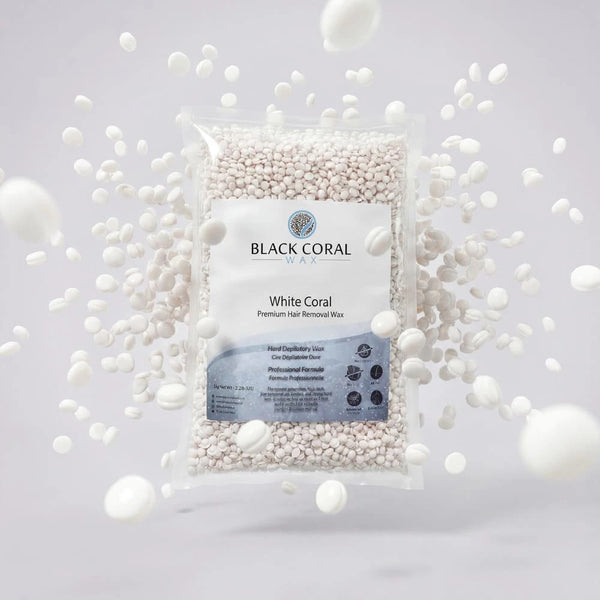
Transparency is a huge part of this. At Black Coral Wax, for example, we share the specifications for every formula because we believe empowered estheticians make the best choices. You should be able to see exactly what you’re buying and understand why it works.
To show you what this looks like in practice, here’s a look at our specifications. This is the kind of clear, upfront information you should expect from any professional brand.
Example Brand Specifications for Black Coral Wax
This table breaks down the key details for our core formulas, giving you a clear benchmark for what to look for when comparing different waxes.
|
Formula
|
Ideal For
|
Key Feature
|
Melting Point
|
|
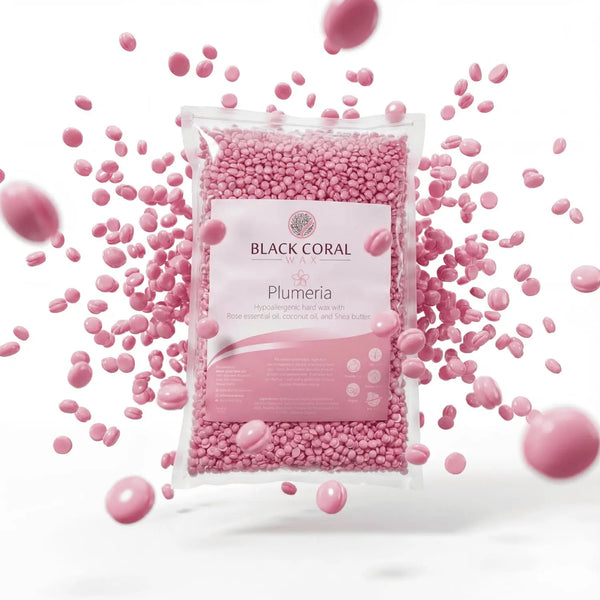
Plumeria Hard Wax
|
Sensitive Skin, Facial Waxing
|
Creamy, extra-gentle formula with a floral infusion
|
Low (45°C)
|
|
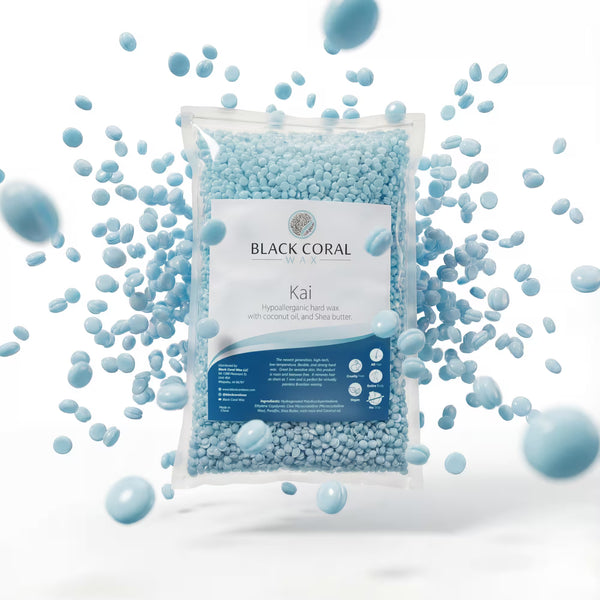
Kai Hard Wax
|
All-Purpose, Full Body
|
Versatile hybrid formula for all hair and skin types
|
Low-Medium (50°C)
|
|
Pele Hard Wax
|
Coarse & Stubborn Hair
|
Maximum-grip formula for Brazilians and underarms
|
Medium (55°C)
|
When you build your own system for checking the data, the reputation, and the educational support, you stop guessing and start choosing. You'll end up with a wax that is a true asset to your craft, helping you deliver the exceptional results your clients return for.
Making Smart Wax Choices Is Your Superpower
Learning to properly review professional hard wax is more than a skill-it’s how you build a reputation for excellence and deliver amazing results for your clients. With a solid method for testing products, you can make choices based on actual performance, not just marketing promises.
Think of it this way: the right hard wax is your partner in every service. It should work with you, not against you, making your job easier, keeping clients comfortable, and reflecting the high quality of your work.
Wax with Confidence
Keep testing, keep learning, and trust your professional judgment. Your dedication to finding the best products is what makes your services stand out. It’s a commitment your clients will notice and appreciate, and it’s what will keep them coming back.
Choosing wisely protects your clients' skin, sharpens your technique, and solidifies your position as a trusted expert in a crowded market.
The real goal is to build a collection of waxes you know you can count on. When you have a wax that performs consistently, you can focus entirely on your technique and on giving your client the flawless, comfortable experience they expect.
This mindset elevates you from an esthetician to a true authority on skin and hair removal. If you're ready to put together the perfect setup, you’ll find valuable insights in our guide on building the ultimate hard wax kit.
As you move forward, use this guide to help you make smarter purchasing decisions and uphold the high standards that define your brand. To see how Black Coral Wax is made to meet these exact needs, we invite you to explore our waxes and find the perfect match for your craft.
Frequently Asked Questions About Hard Wax
Even seasoned professionals have questions when trying a new hard wax. Getting clear answers helps you master your craft and feel more confident in the treatment room. Here are some of the most common questions we hear from estheticians conducting their own professional hard wax reviews.
Mastering these details doesn't just improve your services-it demonstrates to your clients that you are the expert they can always trust.
What Is the Biggest Mistake Estheticians Make When Reviewing a New Wax?
The most common mistake is failing to create a controlled test. Often, an esthetician will try a new wax on a random client without standardizing conditions, making it impossible to get a true sense of its performance.
To conduct a proper professional hard wax review, you need a baseline. This means using the same warmer temperature, applying the wax to the same body part (e.g., one underarm), and ideally, comparing it side-by-side with your current wax in the same appointment. This approach isolates the wax’s performance from variables like room temperature, skin condition, or pain tolerance, giving you an accurate comparison.
How Does Client Skin Type Affect My Wax Choice?
Skin type is a crucial factor. When reviewing a new wax, you must test it on clients with known sensitive or reactive skin. A wax that performs beautifully on resilient skin might cause significant redness, irritation, or even skin lifting on someone more delicate.
Your review process should include notes on how the skin appears immediately after waxing and, if possible, 24 hours later.
A top-tier wax will leave even the most sensitive skin looking calm with minimal redness that subsides quickly. This is the clearest sign you’re working with a gentle, professional-grade formula that prioritizes skin health.
Why Is Wax Set Time a Critical Review Metric?
Set time directly impacts your bottom line. A wax that sets too slowly leaves you waiting for it to be ready for removal. Those wasted moments add up and can disrupt your entire day’s schedule.
Conversely, a wax that sets too quickly can become brittle and crack upon removal. This leads to a messy service that requires time-consuming cleanup and re-application, which can further irritate the client’s skin. When you review a wax, time how long a standard strip takes to become firm yet remain pliable. The sweet spot for a professional wax is typically a set time under 60 seconds while maintaining its flexibility for a clean pull.
Are Certain Hard Waxes Better for Specific Body Areas?
Absolutely. While a great all-purpose hard wax is a workhorse, many formulas are designed for specific applications. A wax with a creamier texture and excellent flexibility is often perfect for a delicate facial service or a detailed Brazilian.
A formula designed with a stronger grip, however, might be your go-to for coarse, stubborn hair on the underarms or legs. When you’re conducting professional hard wax reviews, always test a product on multiple body areas. Be sure to try it on a sensitive area with fine hair (like the upper lip) and a tougher area with coarse hair (like the bikini line) to fully understand its range and grip. This is how you find the perfect tool for every service.
At Black Coral Wax, we create our formulas for professionals who refuse to settle for anything less than the best. Our waxes are designed for incredible performance, client comfort, and the reliability you need every day.
Discover what a true professional-grade wax can do for your business. Explore the Black Coral Wax collections and find the perfect partner for your craft.