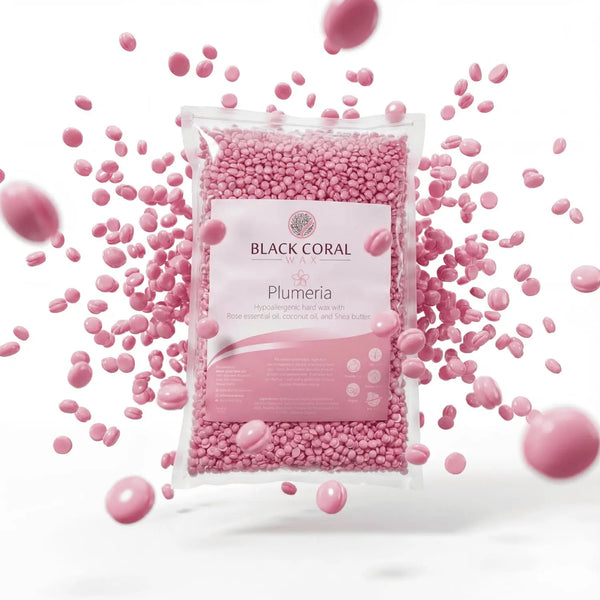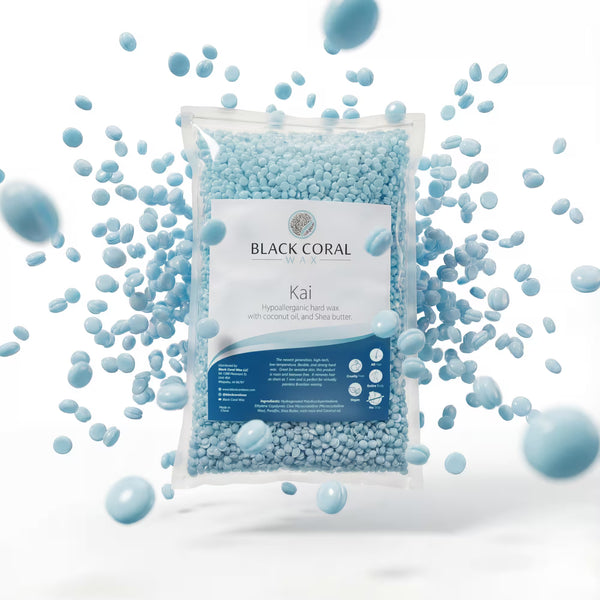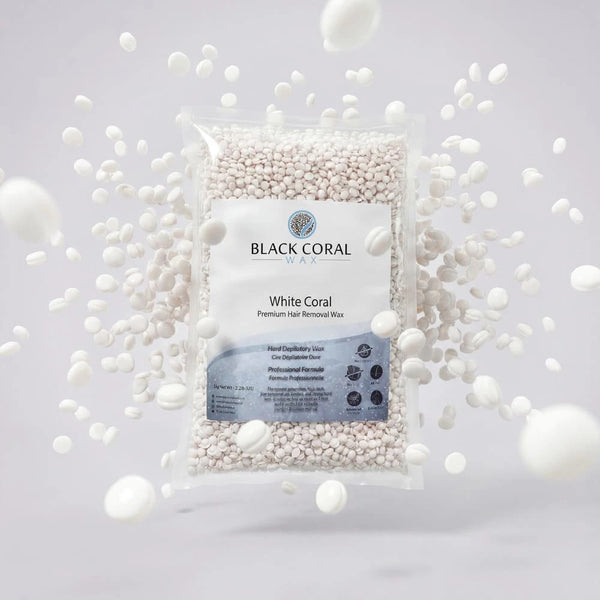


When you're searching for the best hard wax for sensitive skin, the answer is always a professional-grade, hypoallergenic formula that puts skin health first. For estheticians and beauty enthusiasts alike, these specialized waxes are designed to grip only the hair, not the skin, which makes a world of difference in reducing pain, redness, and irritation. This guide will walk you through why hard wax is superior for delicate skin, what ingredients to look for, and how to achieve flawless results.
Why Hard Wax Is the Go-To for Sensitive Skin
For anyone with reactive or delicate skin, the thought of waxing can be intimidating. Redness, bumps, and lingering sensitivity are real concerns. This is exactly why hard wax has become the trusted solution for professionals and clients who demand a gentler experience. Its entire design is built around being kind to the skin.
Unlike soft wax, which requires a fabric strip and adheres to both skin and hair, hard wax is different. You apply it warm, let it cool to "shrink-wrap" around the hairs, and then remove the strip of wax itself. This simple change in mechanics means there's minimal pulling on the skin, which is the main culprit behind waxing pain and irritation.
The Key to a Softer Wax
The formula is what makes it work. Most of the time, hard wax is made from a mix of resins and polymers that make it flexible and stretchy. When it dries, it makes a flexible piece that you can lift up without getting any hair stuck to it.
There are a lot of great things about this targeted approach:
-
Less Pain: The pulling feeling is much less strong because it doesn't stick to the skin.
-
Less irritation: It doesn't lift the top layer of skin cells (a harsh form of exfoliation) that soft wax often causes, which helps keep your skin from getting angry and red.
-
Lower Temperature: A lot of high-quality hard waxes melt at a lower temperature, which makes the application more comfortable and safer for people with sensitive skin.
Hard Wax vs. Soft Wax: Which One Is Better for Sensitive Skin?
Both waxes get rid of hair, but they are very different when it comes to treating skin that is sensitive. A recent study of the market even showed that there is a huge global demand for hard wax, especially ones with calming ingredients. It's clear that the industry is moving toward softer choices.
The main difference is simple but important: hard wax only grabs hair, while soft wax grabs everything. For skin that is sensitive, the most important thing is to reduce that trauma, and hard wax is the clear winner.
Here’s a quick side-by-side to make it crystal clear:
|
Feature |
Hard Wax |
Soft Wax |
|---|---|---|
|
Adhesion |
Adheres only to the hair |
Adheres to both hair and skin |
|
Application |
Thicker layer, no strip needed |
Thin layer, requires a fabric strip |
|
Pain Level |
Generally much lower |
Can be quite painful |
|
Best For |
Sensitive areas, all hair types |
Large areas, fine to medium hair |
Understanding these differences is the first step to achieving flawless, comfortable results every time. To dive deeper into this topic, check out our ultimate guide to soft wax vs hard wax.
Decoding Hard Wax Ingredients for Sensitive Skin
Not all hard waxes are created equal, especially when it comes to sensitive skin. The secret to a gentle, effective waxing session really comes down to what's on the ingredient list. When you know what’s inside your wax pot, you can make a better choice for your client's comfort and get those impeccable results every time.
When you're looking for the best hard wax for sensitive skin, the base ingredients are your first clue. High-quality waxes often start with natural resins, like pine resin, because they have a superior grip. But for clients with extreme sensitivities or allergies, a good synthetic resin is a fantastic hypoallergenic alternative that's incredibly gentle yet still effective.
Key Ingredients for a Soothing Wax
Beyond the base, certain additives can transform a good wax into a great one. These are the ingredients specifically included to protect and calm the skin during the hair removal process.
-
Titanium Dioxide: This mineral makes the wax creamier and helps it stay stable. It adds an extra layer of protection between the wax and the skin, which helps calm down redness and makes the formula less harsh.
-
Look for natural extracts like chamomile, lavender, or calendula that help calm the skin. These are well-known for their calming and anti-inflammatory effects, which help calm skin when they come into contact with it.
-
Emollients like coconut oil or other plant-based oils add moisture and make the wax more flexible, so it won't break or crack when you take it off.
As you can see, natural soothers and protective buffers are great, but synthetic fragrances can make things worse by causing irritation.
Things to Stay Away From if You Have Sensitive Skin
What isn't in the wax is just as important as what is. Some common additives are known to cause reactions in people who are sensitive. Always stay away from formulas that have synthetic fragrances and dyes in them. These are two of the most common things that cause skin irritation and allergic reactions.
An educated choice begins with the label. Prioritizing hypoallergenic formulas with minimal, high-quality ingredients is the most reliable strategy for protecting sensitive skin from discomfort and post-wax bumps.
The demand for gentle, skin-safe products is reshaping the industry. Consumers are more willing to invest in premium products that are free of parabens and other harsh irritants. You can even read more about hair removal market trends to see how this focus on skin health is evolving.
Understanding these ingredients is a great first step. You can go even deeper by learning how to choose the best hard wax beads for every skin type in our detailed guide.
Comparing Top Hard Wax Formulas
When you’re hunting for the best hard wax for sensitive skin, the real test isn't on the label - it's in the treatment room. Not every formula can handle the pressure, and what works like a dream for a quick lip wax might fall short during a full Brazilian. Let's get real and break down how the top waxes actually stack up on the metrics that matter for client comfort and flawless results.
We're putting the top contenders under the microscope, looking at everything from pliability and grip strength to melting point and how the skin reacts. This side-by-side look will show you the real difference between a standard pro wax and a truly exceptional hypoallergenic formula.
Pliability and Application Experience
A wax's flexibility - or pliability - is everything during application. A great wax should glide on smoothly without getting stringy or tacky, and it absolutely cannot crack or turn brittle when it's time for removal. This is non-negotiable for creating clean edges on tricky areas like the bikini line or brows.
-
Traditional Resin-Based Waxes: These often have a much stickier texture. While their grip is usually strong, they can be unforgiving if you don't lay the strip perfectly, sometimes getting brittle if left on the skin a moment too long.
-
Cream-Based Formulas (with Titanium Dioxide): Generally, these waxes are more pliable and a bit gentler. The creamy consistency creates a nice buffer, making the application feel smoother and the removal less of a shock to sensitive skin.
-
Hypoallergenic Synthetic Waxes: These are the MVPs of flexibility. They're engineered to stay elastic even in thin layers, which means you get precise application without ever worrying about it cracking. That’s a huge win for both the esthetician and the client.
Grip Strength on Different Hair Types
Ultimately, a wax has one job: remove the hair on the first try. A truly superior formula has to grab both the finest, fluffiest vellus hairs (think upper lip) and the coarsest, most stubborn ones (hello, bikini area). Needing a second pass is a recipe for irritation, especially on sensitive skin.
Expert Insight: The best hard wax for sensitive skin creates a "shrink-wrap" effect. It grabs the hair shaft tight without sticking to the skin itself. This is the secret to minimizing trauma while getting maximum hair removal.
Consider this: a standard wax might be great at pulling coarse hair but leave fine, downy fuzz behind, resulting in patchiness. On the flip side, some ultra-gentle waxes just don't have the muscle for thick, dense hair. A top-tier hypoallergenic formula is built for versatility, giving you a powerful grip on every hair type while still being kind to the skin.
Melting Point and Client Comfort
The wax's temperature is a make-or-break factor for client comfort and safety. A formula with a lower melting point is a game-changer. It dramatically reduces the risk of burns and makes the whole experience way more pleasant-something that’s absolutely essential for anyone with sensitive skin.
Waxes with natural bases, like beeswax, often need higher heat to melt down properly. In contrast, most modern synthetic resin waxes are designed to melt at a much cooler, more comfortable temperature, usually around 130-140°F. This might seem like a small detail, but it makes a massive difference in the client's experience. It builds trust and makes sure they leave feeling pampered, not scorched.
To see just how much modern formulas are changing the game for sensitive skin, check out our introduction to Kai Hard Hair Removal Wax.
Hard Wax Performance Comparison for Sensitive Skin
To make things even clearer, let's put these concepts into a simple side-by-side comparison. This table breaks down how a specialized hypoallergenic wax like Black Coral's stacks up against other common professional formulas on the market.
|
Performance Metric |
Black Coral (Hypoallergenic) |
Leading Competitor A |
Popular Competitor B |
|---|---|---|---|
|
Pliability |
Excellent; remains flexible and never cracks. |
Good, but can become brittle if left on too long. |
Moderate; creamy but can be stringy. |
|
Grip Strength |
Superior; shrink-wraps both fine & coarse hair. |
Strong on coarse hair, but can miss fine vellus hair. |
Gentle grip, may require a second pass on stubborn hair. |
|
Melting Point |
Low (130-140°F); enhances client comfort. |
Medium; requires higher heat, potential for discomfort. |
Low-to-Medium; melts easily but consistency varies. |
|
Skin Reaction |
Minimal redness; formulated for sensitive skin. |
Can cause moderate redness and irritation. |
Gentle, but may leave a sticky residue behind. |
As you can see, while many professional waxes perform well in one or two areas, a formula specifically engineered for sensitive skin delivers a more balanced and superior experience across the board. It’s not just about removing hair; it’s about doing it safely, comfortably, and effectively every single time.
Choosing the Right Wax for Each Body Area
Not all sensitive skin is the same, and a hard wax that works wonders on eyebrows might not be the right choice for a Brazilian. Matching your wax formula to the specific body area is a pro-level technique that guarantees better client comfort and flawless results. It all comes down to understanding the unique challenges of each zone, from hair texture to how delicate the skin is.
This situational approach is how you find the best hard wax for sensitive skin in every scenario. When you tailor your product choice, you can head off common problems like hair breakage, unnecessary redness, and skin irritation before they even start.
Facial Waxing: Eyebrows, Lip, and Chin
The skin on the face is incredibly delicate and often the first to react. For spots like the upper lip, eyebrows, and chin, you need a wax with two key features: a low melting point and exceptional pliability.
A low-temperature wax is non-negotiable here. It takes the risk of burns off the table and keeps the experience comfortable, especially on heat-sensitive facial skin. The wax also has to be super flexible so you can apply it precisely and remove it cleanly without cracking - which is everything when it comes to detailed shaping.
Pro Tip: A hypoallergenic synthetic formula is usually the safest bet for facial waxing. It gives you superior flexibility and a gentle grip on fine vellus hairs without aggravating the delicate skin underneath.
Underarms and Bikini Line
These areas bring a double challenge: the skin is sensitive, but the hair is often coarse, dense, and grows in every direction. The goal here is to find a wax that offers an iron-clad grip without punishing the skin.
For underarms and the bikini line, you’ll want a wax with:
-
Superior Grip: The formula needs to "shrink-wrap" around thick, stubborn hairs to pull them cleanly from the root on the first try.
-
Creamy Texture: Waxes with ingredients like titanium dioxide create a protective buffer, which helps calm redness and makes the removal feel less harsh on these tender areas.
Brazilian Waxing
The Brazilian demands the ultimate combo of strength and gentleness. This is arguably the most sensitive service you can offer, requiring a wax that can handle coarse hair while being incredibly kind to the most delicate skin on the body.
The perfect wax for a Brazilian has to be a true multi-tasker. It needs the powerful grip required for a bikini line but with an even more flexible and gentle formulation. A low-temperature, hypoallergenic synthetic wax is often the gold standard here, providing a secure hold that minimizes pain and skin trauma for a comfortable and effective service every time.
A Professional Technique for Flawless Results
Choosing the best hard wax for sensitive skin is a huge first step, but even a top-tier formula needs the right technique to deliver those flawless, comfortable results. Getting the application process down ensures every client leaves feeling cared for, with smooth skin and almost zero irritation. These steps are designed to help seasoned estheticians refine their methods and empower at-home users to achieve that salon-quality finish.
This focus on best practices is a key reason the industry is booming. The global hair removal hard wax market was valued at around USD 1.2 billion in 2023 and is expected to more than double by 2032, hitting nearly USD 2.5 billion. That growth reflects a real consumer demand for less painful, more effective waxing solutions-which only happens when great products meet expert application.
Essential Pre-Wax Skin Preparation
Good prep is the foundation of a successful waxing session. You should never apply wax to skin that hasn't been prepared, as it can lead to patchy hair removal and unnecessary irritation.
Your pre-wax ritual should always include these steps:
-
Cleanse the Area: Use a gentle, pre-wax cleanser to remove any makeup, oils, or lotions. This gives the wax a clean surface to adhere properly to the hair, not the skin.
-
Apply a Pre-Wax Oil: A light layer of pre-wax oil is a game-changer. It creates a protective barrier that helps the hard wax grip only the hair, preventing it from sticking to and pulling on sensitive skin.
Perfecting Your Application Strategy
Once the skin is prepped, your focus shifts to the application itself. The temperature, thickness, and pressure you use are everything.
You want to maintain a consistent, honey-like texture with your wax. The sweet spot for most high-quality hard waxes is between 130-140°F. Always test the wax on your inner wrist before applying it to your client to avoid burns.
Apply the wax with firm, even pressure in the direction of hair growth. Don't forget to create a clean "lip" at the end of the strip - this makes for a much easier pull.
Key Takeaway: A flawless pull starts with a flawless application. Consistent thickness and a well-defined removal edge are non-negotiable for preventing hair breakage and reducing discomfort.
Critical Post-Wax Care for Calm Skin
What you do after the wax comes off is just as important as what you do before. Post-wax care is all about soothing the skin, closing the pores, and preventing common issues like bumps or ingrown hairs.
Immediately after removing the final strip, apply gentle pressure to the area with your hand to calm the nerve endings. Follow this with a quality post-wax oil or calming lotion to remove any leftover residue and soothe inflammation.
Advise clients to avoid hot showers, tight clothing, and intense exercise for at least 24 hours. This gives their skin the time it needs to recover fully and reinforces your expertise, ensuring they leave with beautiful, calm skin.
Got Questions About Waxing Sensitive Skin? We Have Answers
Even when you've got the best products on your shelf, questions are bound to pop up, especially when you're working with delicate skin. Getting clear, expert answers is what builds confidence and leads to incredible results. So, let’s tackle some of the most common questions estheticians and at-home waxers ask about using the best hard wax for sensitive skin.
Think of this as your go-to guide for handling those tricky situations, whether you're in the salon or perfecting your technique at home.
Can I Wax Over Rosacea or Eczema?
This is a big one, and the short answer is: proceed with extreme caution. While professional-grade hard wax is much gentler on the skin, you should never wax over an active flare-up of rosacea or eczema. The heat and pulling motion could seriously aggravate the inflammation and cause significant pain.
If the skin condition is mild or currently dormant, a patch test is non-negotiable. Always test the wax on a small, hidden area at least 24 hours before the full service to see how the skin reacts. For clients with chronic skin conditions, the safest and most professional move is to advise them to check with their dermatologist before booking an appointment.
What Is the Ideal Wax Temperature?
For sensitive skin, temperature control is everything. You're aiming for a thick, honey-like consistency - never thin, runny, or watery. For a high-quality, low-temperature hard wax, this sweet spot is usually between 130-140°F (55-60°C).
Crucial Safety Tip: Always, always test the wax temperature on your inner wrist before applying it to your client or yourself. It should feel comfortably warm, not hot. This simple step is your best defense against burns and ensures the skin stays calm from start to finish.
How Can I Prevent Bumps and Ingrown Hairs?
Preventing post-wax bumps is a two-step process: flawless technique followed by diligent aftercare. Those little red bumps are often caused by bacteria getting into the open follicles right after waxing.
This is how to keep your skin smooth and clear:
-
Always use a pre-wax cleanser to clean the skin first. It gets rid of bacteria and oils on the surface, leaving you with a clean slate to work with.
-
Immediately soothe: Use a high-quality, antibacterial post-wax oil or serum after waxing. This calms the skin right away and helps keep those follicles safe after they have been emptied.
-
Give it some air: Tell your clients to stay away from tight clothes, sweaty workouts, and hot tubs for at least 24 to 48 hours after their appointment.
-
Exfoliate, but not yet: You should start gently exfoliating 2 to 3 days after waxing. This stops dead skin cells from trapping new hairs, which is a big reason why hairs grow back. Our in-depth guide on how to deal with folliculitis after waxing will give you even more information.
Are you ready to give your clients (or yourself!) the best wax for sensitive skin that is also comfortable? Black Coral Wax is your trusted partner. We make professional-grade, hypoallergenic formulas that protect sensitive skin and give you perfect results. Check out our professional waxing kits, our collection of high-quality hard waxes, or join our Academy for free expert training.