The first things to do for bumps and irritation after waxing
The goal of waxing is to make the skin perfectly smooth, but the process makes the skin sensitive and weak. The hair follicles are open, which can cause the area to become red and swollen for a short time. It's important to tell the difference between normal, short-lived redness and the start of a more serious problem like ingrown hairs.
Your main job in the first 48 hours is to keep the skin calm and clean. More inflammation will happen if you use aggressive treatments. A gentle touch lets hair follicles close properly, which lowers the risk of bumps. If you're dealing with skin sensitivity right after waxing, it's very important to know how to calm it down.
Calm and Soothe Your Skin Immediately
Your first line of defense is a simple cool compress. Applying cold to the skin helps constrict blood vessels, providing instant relief by reducing redness and swelling.
To create one, soak a clean washcloth in cool water or wrap a soft gel pack in a thin towel. Gently place it on the waxed area for about 10 minutes at a time. This simple action helps calm nerve endings and mitigates the inflammation that can contribute to trapped hairs later.
Let Your Skin Breathe
Friction and trapped moisture are adversaries of freshly waxed skin. For the next 48 hours, your choice of clothing is just as important as the products you apply.
-
Opt for Loose-Fitting Garments: This is the ideal time for flowy pants, skirts, or loose shorts instead of restrictive skinny jeans or leggings.
-
Pick Natural Fabrics: Cotton and linen are good choices because they let the skin breathe, which keeps sweat and bacteria from building up and blocking open follicles.
-
Think about going commando: After getting a bikini or Brazilian wax, wearing loose bottoms without underwear at home can help the area breathe and reduce friction.
Stay away from things that trigger your environment
Be gentle with your skin during this delicate time of healing. Heat, sweat, and harsh chemicals can cause inflammation, which can cause bumps or even folliculitis, which is when hair follicles become infected.
Stay away from the following for at least 24 to 48 hours:
-
Hot showers, baths, saunas, or steam rooms
-
Hard workouts that make you sweat a lot
-
Swimming in pools with chlorine or saltwater
-
Sunbathing or using a tanning bed
Our professional guide to showering after waxing goes into more detail about these rules and gives more professional advice.
Even though it hurts sometimes, remember that waxing is usually better than shaving for keeping hair from growing back. When you shave, the hair's tip becomes sharp and blunt, which makes it easy for it to curl back into the skin. Waxing, on the other hand, pulls hair out from the root, letting it grow back with a softer, tapered tip that is much less likely to get stuck.
A professional way to get rid of ingrown hairs that are already there
When you see an ingrown hair, you might want to pick or squeeze it right away. Don't give in to this urge. An aggressive approach will only make the inflammation worse, which raises the risk of infection or scarring. Being professional means being patient and ready, not using force.
The goal is not to pull the hair out, but to make it easier for it to come out on its own. You create the best conditions for the trapped hair to come out safely and without pain by thinking about the skin first.
Soften and Prepare the Skin
Before taking any other steps, you must soften the skin and the follicle. A warm compress is the most effective way to do this. The warmth helps open pores and relax the skin, making subsequent steps easier and less traumatic for the area.
Soak a clean washcloth in warm-not hot-water and hold it against the bump for 10-15 minutes. Repeating this twice a day can often encourage the hair to surface on its own by calming inflammation and softening the plug of dead skin cells blocking its path.
Gentle Exfoliation to Clear the Way
Once the skin is softened, it's time for gentle exfoliation. This is not the moment for harsh, abrasive scrubs. The goal is to lift away the top layer of dead skin cells trapping the hair without causing further irritation.
A chemical exfoliant is often the best choice. Look for a product containing salicylic acid (a BHA). As an oil-soluble acid, it can penetrate the pore to dissolve debris and reduce inflammation from within.
Professional Tip: After applying a warm compress, gently pat a small amount of a BHA serum or spot treatment directly onto the ingrown hair. The skin will be more receptive to absorption. Pat, don’t rub.
If you prefer a physical exfoliant, choose a fine-grained scrub or a soft silicone brush. Use light, circular motions for no more than 30 seconds. Over-scrubbing will only lead to redness and swelling.
The Art of Safe Extraction
Extraction should be your absolute last resort. Only consider it if you can clearly see the hair loop or sitting just beneath the surface of the skin. Digging for a deeply embedded hair is a direct path to infection and post-inflammatory hyperpigmentation.
If, and only if, the hair is visible, you may proceed-with sterile tools.
-
Sterilize Everything: Clean the tip of a pair of sharp, pointed tweezers with rubbing alcohol. Cleanse the skin around the ingrown hair as well.
-
Release, Don't Pluck: Gently press on either side of the hair to see if the tip will emerge. Use the tweezer tip to carefully guide the visible end of the hair out from under the skin. Do not pluck the hair out completely. Plucking restarts the ingrown cycle. The sole objective is to free the trapped end.
-
Cleanse Again: Once the hair is free, wipe the area with a mild antiseptic or witch hazel to prevent bacteria from entering the open follicle.
Calm and Heal the Place
After any kind of manipulation, the last and most important step is to calm the skin. To help the skin heal properly and get rid of any leftover redness, you need to use a calming, non-comedogenic product.
For this purpose, a light, nourishing oil is best. Black Coral's ili Oil is an example of a product that hydrates and reduces inflammation without blocking the pore you just cleared. This final touch helps the area heal properly and lowers the chance of getting marks after inflammation. Our guide on how to use ingrown hair pads gives you more expert tips on how to keep your skin clear and get the results you want.
How to Exfoliate and Moisturize to Keep Ingrown Hairs from Happening
Getting rid of ingrown hairs is important, but the best thing to do is to stop them from happening in the first place. To keep your skin smooth and bump-free, you need to stick to a regular post-wax routine that includes two important habits: exfoliation and moisturizing.
To stop ingrown hairs, you don't need to scrub hard; you just need to know what causes them. When dead skin cells build up, they can close off the opening of the hair follicle. As the new, softer hair grows back, it gets stuck and curls back into the skin, which causes an ingrown.
The Power of Post-Wax Exfoliation
Exfoliation is your most effective tool for preventing ingrowns, but timing and technique are crucial. The primary rule is to wait for the skin to heal completely. Allow at least 48 to 72 hours after your wax before exfoliating. Exfoliating too soon will only irritate sensitized skin and can worsen inflammation.
Once the healing window has passed, you can begin. However, not all exfoliation methods are equal. Understanding the difference between physical scrubs and chemical exfoliation is key to achieving smooth, lasting results.
Choosing Your Post-Wax Exfoliation Method
Deciding between a physical scrub and a chemical exfoliant depends on skin type and the area being treated. Both are effective but work in different ways. This table breaks down the essentials to help you select the right method for your routine.
|
Exfoliation Type
|
How It Works
|
Best For
|
Professional Tip
|
|
Physical
|
Manually removes dead skin with a gentle scrub, mitt, or brush.
|
Less sensitive skin; larger areas like legs and arms.
|
Always use light, circular motions. The goal is to buff, not scrub, to avoid micro-tears in the skin.
|
|
Chemical
|
Uses acids (like AHAs or BHAs) to dissolve the bonds holding dead skin cells together.
|
All skin types, especially sensitive or acne-prone skin on the bikini line and underarms.
|
Salicylic acid (a BHA) is excellent for ingrowns because it is oil-soluble and can penetrate deep into the pore to clear it out.
|
In the end, the best method is the one that you will use all the time. For a lot of people, a gentle chemical exfoliant is the best and easiest way to keep hair follicles clear without making them feel bad.
You can read our full guide to learn more about how to exfoliate after waxing for softer, bump-free skin and to learn more about the different methods and products you can use.
The Important Part of Moisturizing Every Day
Exfoliation clears the way, but moisturizing keeps the trip smooth. People often forget this step, but it is just as important for keeping hairs from growing back. When your skin is hydrated, it is soft and flexible, which makes it easy for new hairs to grow through the surface.
On the other hand, dry skin is tight and tough, which makes it hard for new, delicate hairs to break through. Daily moisturizing keeps your skin barrier healthy and flexible, which is the best condition for hair to grow.
Your best defense against ingrown hairs is to keep your skin barrier well-hydrated. It keeps the skin smooth and flexible, so even the tiniest hairs can grow out without any problems.
When choosing a moisturizer, make sure it is hydrating and won't clog your pores. A light body oil is usually better than a thick, heavy cream because it absorbs quickly and nourishes the skin without leaving a greasy residue.
This is exactly where a professional aftercare product like Black Coral's ili Oil really shines. It was made to give skin deep hydration that keeps it soft, and its non-comedogenic blend makes sure that follicles stay clear. Adding a high-quality oil to your daily routine will not only keep ingrown hairs at bay, but it will also give your skin a healthy, glowing look.
Advanced ways to avoid problems for perfect results
To really stop ingrown hairs, you have to make a long-term commitment that starts before the appointment and lasts long after. As a professional, your job is to help clients develop healthy skin habits, not just do a service. This partnership is very important for getting long-lasting results.
It's very important to know what the root cause is. Up to 27.1% of women who groom their pubic area may get ingrown hairs, but the method of removal is an important factor. A study from 2017 found that waxing cut the risk of high-frequency injuries by 89% compared to shaving. This is because waxing takes hair out of the root, while shaving leaves a sharp, angled tip that can curl back into the skin. The PMC study can help you learn more about these grooming injury results.
Why It's Important to Prepare Before Waxing
Before the client gets there, the wax must be perfect. If you prepare the wax correctly, it will stick to the hair and only the hair, which will keep it from breaking and causing ingrown hairs.
Important Steps for Clients Before Waxing:
-
Make sure your hair is the right length: Your hair should be at least ¼ inch long, which is about the same length as a grain of rice. If the hair is too short, the wax won't be able to hold onto it well, which can cause it to break at the skin's surface, which is a common cause of ingrowns.
-
Gently exfoliate: Tell your clients to exfoliate 24 to 48 hours before their appointment. This gets rid of dead skin cells that can hold onto hairs, making the removal cleaner and faster.
-
Give their skin some moisture: Skin that is well-hydrated is more flexible and strong. Tell them to moisturize every day before the appointment, but not on the day of the service.
Choosing the Right Wax to Keep Your Hair from Breaking
The type of wax you use has a direct effect on how likely it is that you will get ingrown hairs. The goal is to get a clean pull from the root every time, and the best way to do this is with high-quality hard wax.
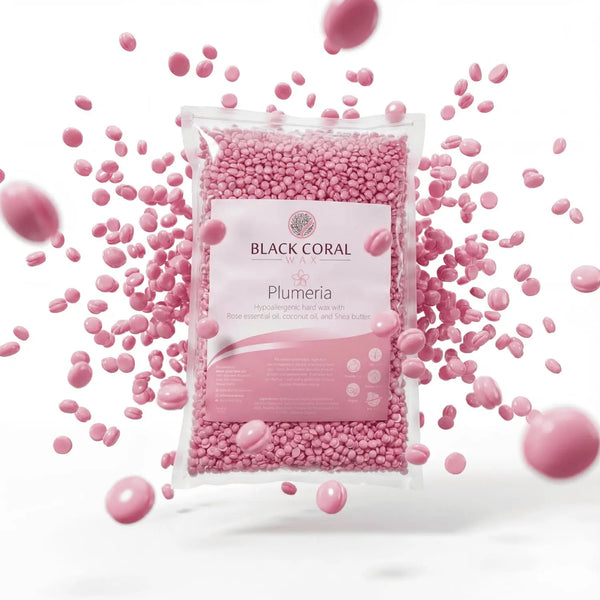
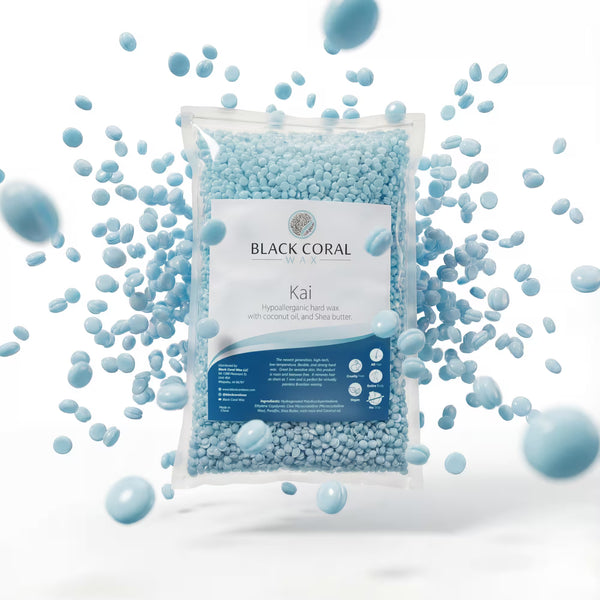
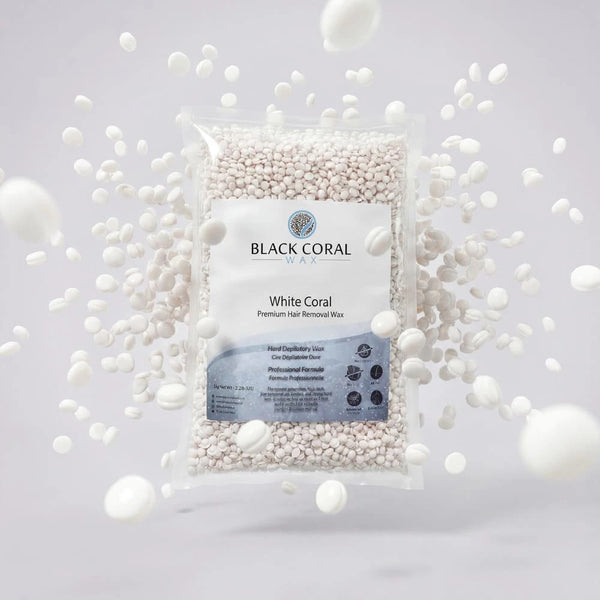
Black Coral's Plumeria and Kai beads are examples of high-quality hard waxes that are made to "shrink-wrap" around the hair as they set. This technology gives you a strong hold on the hair without sticking too tightly to the skin. The result is less pain when removing hair and, most importantly, much less hair breakage. When hair is cleanly removed from the follicle, it grows back with a soft, tapered tip that is much less likely to get stuck.
Reinforcing Consistent Post-Wax Strategies
After the wax, the focus is on keeping the skin smooth and healthy. Teaching clients is very important. The only way to keep ingrowns from coming back and get the best results is to stick to a regular aftercare routine.
Keeping up with a regular waxing schedule is one of the best long-term plans. Every three to four weeks, appointments weaken the hair follicle, which makes hair grow back thinner, softer, and less dense. Finer hair doesn't have the strength to get stuck under the skin.
As a professional, give your clients a clear plan for aftercare when they leave:
-
Don't wear clothes that are too tight: Tell your clients that tight, synthetic fabrics can rub against their hair and push it back into the follicle. Loose, breathable fabrics are very important for the first few days.
-
Moisturize every day. When your skin is soft and hydrated, new hairs can break through the surface without any problems. Ili Oil is a great choice because it doesn't clog pores and gives deep hydration.
-
Exfoliate Regularly: Clients should exfoliate 2-3 times a week starting 48 hours after their wax to keep dead skin from building up and trapping new hair growth.
These easy habits have a big effect. Your Ultimate Guide to Preventing Bumps on the Bikini Line is a great resource if you want more specific advice. Your clients can get the smooth, ingrown-free skin they want by using expert techniques and sticking to a strict at-home routine.
When to Send a Client to a Doctor
As estheticians, we are committed to fixing skin problems and getting perfect results. A real professional, on the other hand, knows what they can and can't do. Knowing when an ingrown hair needs to be looked at by a doctor is an important part of keeping clients safe and building trust.
Most ingrown hairs are not a big deal and go away with proper care, but a small bump can sometimes turn into a serious infection or show that there is a skin problem. Your job is not to diagnose, but to look for warning signs that a client should see a dermatologist.
Finding the Signs of Infection
An ingrown hair that isn't infected may be a little red and sore, but an infection has worse symptoms. Teaching clients what to look for lets them act quickly. If you or your client see any of the following signs, tell them to see a doctor.
Look for these important signs:
-
Too Much Pus: A small whitehead is usually not a problem. A lot of thick, yellow or green pus, on the other hand, means that there is a bacterial infection.
-
Pain or tenderness that is very bad: The area will really hurt when you touch it, not just be a little uncomfortable. The pain might get worse over time.
-
Spreading Redness: Look for redness that goes beyond the bump. A red circle that gets bigger means that the infection is spreading.
-
Hot to the Touch: If your skin feels noticeably warm or hot, it means your body is actively fighting an infection.
-
Fever or chills: This is a very bad sign. If a client has a painful bump and other symptoms all over their body, like a fever or chills, the infection may be spreading. They should go to the doctor right away.
Folliculitis is a more serious problem that can look like an ingrown hair that won't go away. Our guide on folliculitis after waxing gives you important information to help you tell the difference between these two conditions and give the best advice.
When Bumps Are Too Big for You
Some bumps are not something an esthetician can treat, even if they are not infections. Trying to control them can make the problem worse or leave scars.
Your main job is to keep your client's skin safe. It shows that you really care about their health when you know when to step back and send them to the doctor for things like cysts or boils. This builds a lot of trust.
If you think someone might be sick, always send them to a doctor.
-
Cysts: These are not normal ingrown hairs. Cysts are big, deep, painful bumps that feel like a hard lump under the skin. They can be as small as a pea or as big as a grapefruit. They might not have a "head" that can be seen, and a doctor needs to treat them.
-
Boils: A boil is a painful lump filled with pus that forms when a hair follicle gets infected. Boils are usually much bigger and more painful than a normal infected pore, and they often need to be drained by a doctor.
-
Problems that happen over and over again: If a client keeps getting painful ingrown hairs in the same spot even after taking care of them properly, there may be a deeper problem. A dermatologist can find out what's really going on and offer treatments that we can't, like prescription topicals or antibiotics.
Questions and Answers About Ingrown Hairs After Waxing
As estheticians, we often get asked about bumps that happen after waxing. Giving your clients clear, expert answers makes the problem less confusing and gives them the tools they need to take better care of their skin between appointments. These are our answers to the most common questions about how to deal with ingrown hairs after waxing.
Can I Wax Over an Ingrown Hair That Is Already There?
A lot of people ask this question, and the answer is a clear no. If you wax over an ingrown hair that is red, swollen, or infected, it will only get worse. The heat from the wax can make the inflammation worse, and the pulling motion can break the skin, which can lead to scarring and more infections.
The right thing to do is to wax around the area that hurts. You might be able to wax around a small, non-inflamed bump, but never right over it. Tell your client to use a chemical exfoliant and warm compresses on the area. You can wax the area again after the skin has completely healed.
How long does it take for an ingrown hair to go away?
We have to be patient and set realistic goals as part of our job. With regular, gentle care, a small, uninfected ingrown hair usually goes away on its own in 7 to 10 days. A warm compress every day and gentle exfoliation on a regular basis can speed up this process by bringing the hair to the surface.
But if a bump gets infected, hurts, or turns into a deep cyst, it can last for weeks and need the help of a dermatologist. Always tell your clients that picking or squeezing is bad because it makes the healing process take longer and can leave dark spots that last for months.
Are Some People More Likely to Get Ingrown Hairs?
Yes, for sure. Genetics and the type of hair you have are two big things that affect it. People with coarse, thick, or curly hair are more likely to get ingrown hairs because this type of hair naturally curls back toward the skin as it grows, making it more likely to get stuck.
The type of skin you have also matters. People with dry skin often have more dead skin cells on their skin, which can block the hair follicle. A one-size-fits-all aftercare plan doesn't work because of this. A client with fine, straight hair may not be able to use the same routine as someone with coarser, curlier hair.
What is the most important thing to do after care?
If we could only pick one, it would be regular exfoliation. Exfoliation is the active step that directly stops ingrown hairs by getting rid of dead skin, which is their main cause. Moisturizing is a close second.
You keep the hair follicles open by regularly getting rid of the top layer of dead skin. This makes it easy for new, softer hair to grow out instead of getting stuck and curling back under the skin.
Make sure your clients know to start a gentle exfoliation routine 48 to 72 hours after their waxing appointment. If they keep doing this 2-3 times a week, it will become their best habit for getting smooth, bump-free skin and is the first step in any good plan for how to get rid of ingrown hairs after waxing.
At Black Coral Wax, we think that the best results come from using both professional techniques and high-quality products. Our waxes are made to pull cleanly, which reduces breakage, and our aftercare products help skin stay healthy and strong.
Check out our selection of professional waxes and aftercare items to improve your service and keep your clients' skin smooth and beautiful.