How To Make a Brazilian Wax Hurt Less: Expert 2026 Guide
The nerves usually start before the appointment. Your hair is grown out, your calendar reminder is coming up, and the question in your head is simple. How bad is this going to be?
That anxiety is normal. Brazilian waxing involves a sensitive area, coarse hair, and a lot of anticipation. Most discomfort comes from a mix of factors, not from one single cause. Hair length, skin condition, wax choice, room temperature, pull technique, breathing, timing, and aftercare all shape the experience.
That’s why how to make a brazilian wax hurt less has a practical answer. Comfort isn’t luck. It’s the result of good preparation, skilled application, and calm, consistent aftercare.
As estheticians know, the least painful waxes usually follow the same pattern. The client arrives with the right regrowth, the skin is not irritated, the wax is suited to intimate areas, the sections are controlled, and the skin is supported right after each pull. Clients who understand that process tend to feel less tense before the service and more confident during it.
If you want a fuller overview of the service itself, this Brazilian wax guide explains what it is and how it works.
FREE COURSE
Turn Your Passion for Beauty Into a $75K+ Waxing Business
GET IT NOW!
Course succesfuly sent. 🎉
Please go to your inbox to recieve it.
Introduction A New Perspective on Brazilian Waxing Comfort
A Brazilian wax doesn’t have to feel chaotic, harsh, or unpredictable. When people say a wax was “worse than expected,” there’s usually a reason behind it. The hair was too short. The skin was over-exfoliated. The wax was too aggressive for the area. The client held their breath and tightened every muscle.
A more comfortable service starts by changing that pattern.
Comfort comes from three things working together
The most reliable way to reduce discomfort is to treat waxing like a system instead of a single appointment. Three parts matter most:
-
Client preparation: The skin and hair need to be ready before wax ever touches the area.
-
Professional technique: Application size, pull direction, skin support, and pacing all affect how the service feels.
-
Product behavior: Intimate waxing generally feels better with formulas that remove hair efficiently without unnecessary skin traction.
When those three line up, the service is faster, cleaner, and easier to tolerate.
Brazilian waxing is always a sensory service. The goal isn’t to pretend there’s no sensation. The goal is to remove avoidable pain.
What works and what usually doesn’t
Some advice gets repeated because it sounds comforting, not because it solves the underlying issue. “Bracing yourself” doesn’t help much. Neither does showing up with uneven regrowth and hoping the waxer can work around it.
What does help is more practical. Proper regrowth helps the wax grip once instead of needing repeat passes. Calm, intact skin handles the service better than dry, freshly scrubbed skin. A controlled hard wax removal is often gentler than a strip wax pull in this area. Immediate pressure after removal can make a noticeable difference in how the pull registers.
That’s the shift worth making. Instead of asking whether Brazilian waxing hurts, ask what reduces avoidable discomfort at each stage.
The Foundation of Comfort Pre-Wax Preparation
A Brazilian that feels rough usually starts with preventable mistakes long before the first pull. I see the biggest comfort problems when hair is too short, skin is overstimulated, or the client walks in hot, tense, and underprepared. Good prep does not remove all sensation, but it does remove a lot of unnecessary irritation.
Get the hair length right
Hair length is the first checkpoint I assess, because it affects both pain and performance. If the hair is too short, even excellent low-melt point hard wax cannot grab cleanly. That often leads to patchy removal, extra cleanup, and more skin contact than the area needs.
A workable range is ¼ to ½ inch, or about a grain of rice in length, according to The Wax Room’s guidance on reducing Brazilian wax pain. In practice, that usually means waiting about three to four weeks after shaving or the previous wax, depending on how quickly hair grows.
This is why trimming or shaving “just a little” before the appointment so often causes problems. Mixed lengths slow the service down. Slower service usually feels less comfortable.
If you want a step-by-step timing guide, skin prep checklist, and appointment-day reminders, this guide on how to prep for a Brazilian wax covers the basics well.
Exfoliate enough to free the hair, not enough to irritate the skin
Exfoliation helps most clients. Over-exfoliation hurts them.
A gentle exfoliation 24 to 48 hours before the service can lift dead skin around the follicle opening so the wax grips hair more cleanly. That matters even more with hard wax, because the goal is for the product to wrap the hair efficiently without dragging across sensitized skin.
Use a mild scrub, a soft mitt, or a gentle chemical exfoliant your skin already tolerates. Keep it light. Redness, stinging, or a tight shiny look are signs you went too far.
A few prep mistakes show up often:
-
Exfoliating the same day
-
Using strong acids too close to the appointment
-
Scrubbing inflamed, broken, or freshly shaved skin
The skin should feel calm and smooth, not polished raw.
Lower sensitivity on the day of the service
Appointment-day habits change how the service feels on the table. I notice a clear difference between clients who come in cool, hydrated, and steady, and clients who rush in after coffee, a workout, or a hot afternoon outside.
These adjustments help:
-
Skip alcohol if possible the day before
-
Keep caffeine moderate if you are already anxious or jittery
-
Avoid heavy sun exposure
-
Do not come straight from an intense workout
-
Wear breathable clothing that does not trap heat and friction
None of these steps is dramatic by itself. Together, they make the skin less reactive and the appointment easier to manage.
Keep the skin balanced, not coated
Healthy skin handles waxing better than dry, flaky, overtreated skin. That does not mean applying thick creams, oils, or balms right before the appointment. Residue can interfere with adhesion, especially in an area where precision matters.
A simple routine works better than a complicated one:
|
Timing
|
What to do
|
What to avoid
|
|
A few days before
|
Keep skin moisturized and calm
|
Trying multiple new products
|
|
24 to 48 hours before
|
Gentle exfoliation
|
Aggressive scrubbing
|
|
Day of appointment
|
Clean, dry skin
|
Heavy creams or oils on the area
|
For professionals, this is also the consultation stage that saves trouble later. Ask about shaving, retinoids, acids, recent exfoliation, skin irritation, and any product left on the area. Those details affect how the wax behaves, especially with high-performance hard wax formulas designed to pull hair, not stick aggressively to skin.
Use judgment with numbing products
Clients ask about numbing cream all the time. It can help some people, but I treat it as a secondary tool, not the foundation of comfort. Poor prep, poor timing, or the wrong wax choice will still make the service feel harder than it should.
There are trade-offs. Some numbing products leave residue that affects wax grip. Others can irritate intimate skin or mask feedback that helps the waxer adjust pressure and pacing safely.
If someone wants to use one, they should follow the directions carefully, patch test first, and make sure the skin is fully clean before waxing. For a closer look at where numbing creams help and where they create problems, this guide to numbing cream for waxing is worth reviewing.
In-Room Strategies for a Less Painful Pull
The moment that usually decides how a Brazilian feels is not the pull itself. It is the combination of wax choice, application temperature, section size, and how well the skin is supported during removal. In the treatment room, comfort is built step by step.
For intimate waxing, hard wax is usually the better tool because it grips the hair more selectively and creates less broad pull on delicate skin.
Why hard wax usually feels better in the Brazilian area
Soft wax and hard wax behave very differently on intimate skin. Soft wax is removed with a strip, so it tends to create wider surface traction. Hard wax cures around the hair and is removed without a strip, which keeps the removal more focused.
That distinction matters in practice. Hard wax is widely preferred for Brazilian services because it can remove coarse hair while being less aggressive on the surrounding skin, as discussed in this comparison of Brazilian wax discomfort and wax type. For a sensitive area, more targeted adhesion usually means less sting, less repeated work, and less redness by the end of the service.
Low-melt formulas reduce heat stress
Clients often describe two separate discomforts during a Brazilian. One is the pull. The other is the shock of wax that feels too hot on contact.
Low-melt hard wax helps with both technique and comfort because it stays workable at a lower temperature. That gives the waxer more control over spread, edge formation, and timing without overheating the skin. It also helps the client stay relaxed, which matters more than many people realize. A client who flinches at application usually tightens through the next pull.
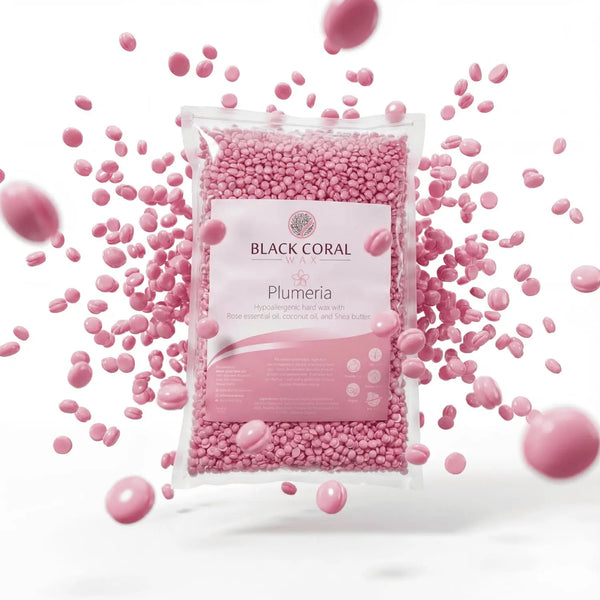
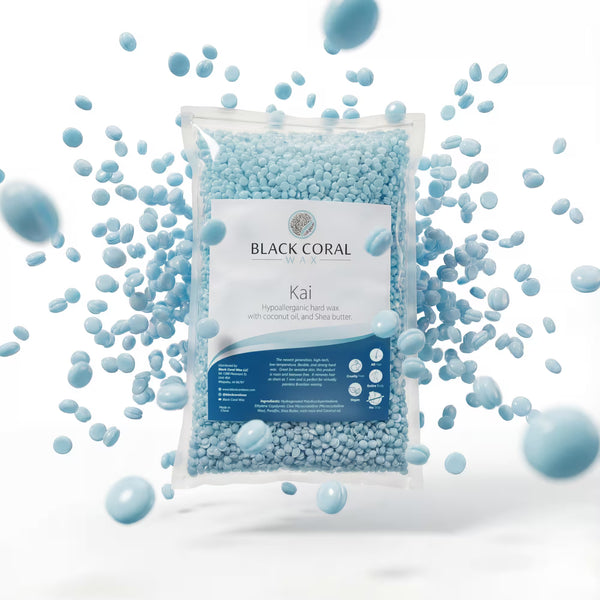
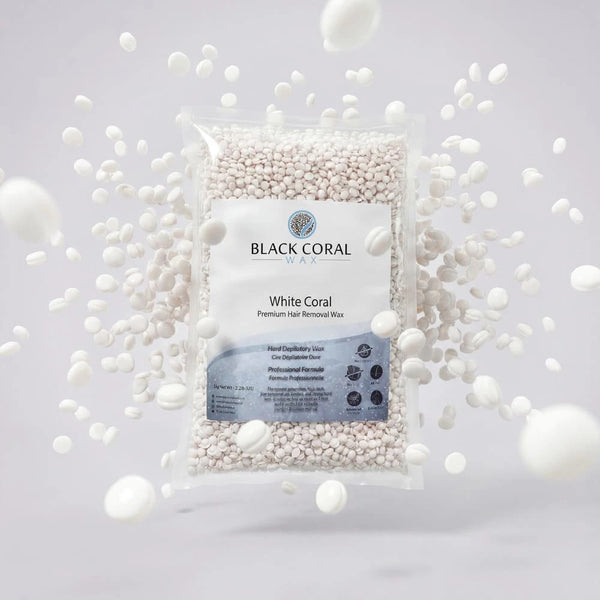
One example is Black Coral Wax hard wax, which is formulated with a low melting point and a flexible set designed to grip hair rather than the skin. In real treatment room use, that kind of formula makes it easier to work in small, controlled sections and keep the wax pliable instead of brittle.
Technique matters more than speed
A quick service is not always a comfortable one. Good Brazilian technique is efficient, but it is also controlled.
The details that reduce pain are usually the same details that improve results:
-
Small sections: Smaller applications let the waxer follow curves and dense growth patterns without overloading the skin.
-
Even application: Wax that is too thin can crack. Wax that is too thick can drag and remove awkwardly.
-
A clean removal edge: A clear lip helps the strip come off in one decisive motion.
-
Pulling parallel to the skin: This reduces upward drag and unnecessary trauma.
-
Immediate counter-pressure: Firm pressure after removal often shortens the sting.
I tell newer waxers this all the time. If the wax is fighting you, pulling harder is rarely the answer. Adjust the thickness, the temperature, the section size, or the direction of application.
What clients can do during the appointment
The client has a real role in comfort once the service starts. Small changes in breathing and body tension can make a noticeable difference.
These habits help:
-
Exhale on the pull. Breath-holding usually comes with muscle bracing.
-
Keep the legs, glutes, and lower abdomen as relaxed as possible. Tight muscles make the area harder to work and often make each pull feel sharper.
-
Follow positioning instructions promptly. A small hip or knee adjustment can turn a difficult section into a clean one.
-
Say so if the wax feels too hot. A good waxer wants that feedback immediately.
-
Mention any product still on the skin. Residue from oil, lotion, or anesthetic can change adhesion and performance.
Clients who are considering topical anesthetics should also understand the trade-offs before the appointment. This professional guide to numbing cream for waxing explains where those products can help and where they can interfere with wax grip or skin response.
Communication prevents unnecessary pain
The roughest appointments usually involve poor feedback, not just sensitive skin. A client forgets to mention a recently shaved patch. The waxer keeps working over an area that is already irritated. A short section does not release cleanly, and nobody pauses to reassess.
A skilled Brazilian service is selective. Some hair should be left for the next visit instead of forced out of skin that is already reactive. Good judgment matters as much as a good pull.
Experienced waxers also read the wax in real time. If it is setting too fast, dragging, snapping, or failing to wrap the hair properly, the fix is to correct the method or the product setup. That is how a Brazilian stays as comfortable as the service can realistically be.
Beyond the Pull Essential Post-Wax Aftercare
The wax is finished, but the comfort work isn’t. Freshly waxed skin is more exposed, more reactive, and more likely to get irritated by heat, friction, sweat, and heavily fragranced products. Good aftercare keeps that short-term sensitivity from turning into lingering redness or ingrown trouble.
The first 48 hours
Think of the skin as freshly exfoliated and temporarily more vulnerable. The immediate goal is to reduce friction and avoid anything that adds heat or congestion.
These are the usual post-wax ground rules:
-
Wear loose clothing: Tight underwear, tight leggings, and rough seams can rub the area.
-
Skip heat exposure: Very hot baths, steam rooms, and saunas can leave skin feeling more inflamed.
-
Hold off on intense exercise: Sweat and friction are a poor combination right after waxing.
-
Avoid scented body products: Fragrance can sting on freshly waxed skin.
-
Keep hands off the area: Touching and picking add irritation.
A calming product can help if the skin feels warm or reactive. Look for something lightweight, soothing, and non-heavy rather than thick occlusive formulas that trap heat.
What soothing care should feel like
Post-wax care should calm the skin, not coat it in something greasy and heavily perfumed. In a treatment room, I want the area to look settled, not shiny and congested.
Good soothing products usually feel:
|
Skin feel after application
|
What it suggests
|
|
Light and comfortable
|
Better for freshly waxed skin
|
|
Greasy or heavy
|
May trap heat and friction
|
|
Stinging on contact
|
Too active or too fragranced
|
|
Soft but breathable
|
Usually a better post-wax direction
|
If the area is pink and mildly warm for a short period, that can be a normal reaction. The skin has just gone through hair removal. What you want to avoid is escalating irritation from post-service habits.
For a professional client handout style version of these steps, this Brazilian wax aftercare guide for professionals to share is a useful reference.
Freshly waxed skin does best with less. Less heat, less rubbing, less fragrance, less “fixing.”
Starting ingrown prevention at the right time
A lot of people make the same mistake after a Brazilian. They either start exfoliating too soon because they’re worried about ingrowns, or they avoid exfoliation entirely and end up with trapped regrowth later.
A better rhythm is to let the skin settle first, then reintroduce gentle maintenance. Once the area no longer feels freshly sensitized, light exfoliation and regular moisturizing usually help the new hair emerge more cleanly.
Long-term care is simple:
-
Resume gentle exfoliation after the skin has calmed
-
Moisturize consistently to keep skin flexible
-
Avoid constant picking at bumps or trapped hairs
-
Stay on a regular waxing schedule instead of alternating with shaving
That last point matters. Clients who bounce between shaving and waxing often return with uneven regrowth and more texture, which can make the next appointment feel less smooth.
What aftercare does for future pain
Aftercare isn’t only about looking less red the same day. It also affects how the next wax goes. Skin that stays balanced between appointments tends to present better. Hair can surface more evenly, and the waxer spends less time fighting trapped regrowth and reactive patches.
That’s one reason comfortable Brazilian waxing is cumulative. You don’t just prepare for the appointment. You maintain the area between appointments so the next service starts from a better baseline.
Troubleshooting and When to Avoid Waxing
Not every appointment should go ahead as planned. One of the most important parts of a safe waxing practice is knowing when to pause, modify, or reschedule. That protects the skin and usually prevents the kind of painful experience people remember for the wrong reasons.
Situations where waxing should be avoided
Some conditions make Brazilian waxing a bad idea, even with excellent technique. The skin barrier has to be intact enough to tolerate adhesion and removal.
Common reasons to postpone include:
-
Oral retinoid use
-
Active skin infection
-
Open cuts, abrasions, or broken skin
-
Severe sunburn
-
Strong irritation, rash, or an unexplained flare in the area
If you’re a beauty professional, this should be part of every consultation, not an afterthought. This guide to contraindications to waxing for beauticians is a helpful resource for reviewing red flags before treatment.
What’s normal and what deserves attention
A mild pink flush right after waxing can be a routine skin response. So can temporary warmth or tenderness. Those reactions usually settle rather than intensify.
Pay closer attention if you notice:
-
Redness that keeps worsening
-
Clusters of bumps that look irritated rather than calm
-
Heat that doesn’t settle
-
Visible skin lifting or rawness
-
Persistent discomfort that feels out of proportion
At that point, less is better. Don’t scrub. Don’t apply strong active products. Don’t keep testing random creams.
If the skin looks increasingly angry after waxing, stop experimenting and get professional guidance.
At-home waxing needs stricter self-editing
Advanced at-home users can get good results, but only if they’re honest about their limits. The biggest mistakes I see are overheating wax, working on skin that should have been left alone, and forcing repeat passes to chase every last short hair.
If you wax at home, be disciplined about these basics:
-
Patch test first. Intimate skin is not the place to guess.
-
Check temperature every time. Wax should feel warm, not startlingly hot.
-
Work in small sections. Control beats coverage.
-
Stop if the skin becomes too irritated. Finishing the service is not worth escalating damage.
-
Don’t keep reworking the same spot. A missed hair is easier to manage than overprocessed skin.
When a shorter-term compromise is smarter
Sometimes the most professional choice is incomplete removal. That can mean trimming a section, leaving very short hairs for next time, or asking the client to come back after better regrowth. It’s not a failure. It’s good judgment.
Comfort and skin integrity go together. If you protect the skin today, the client is more likely to return with trust and better conditions for the next wax.
Frequently Asked Questions for a Smoother Experience
Can you get a Brazilian wax during your period
You can, but many clients feel more sensitive around that time. If the appointment can be scheduled for a point in the cycle when the body feels calmer, that’s often more comfortable. If not, wear appropriate protection, let your esthetician know, and expect that the area may feel more reactive than usual.
What’s the most painful part of a Brazilian
Sensitivity isn’t identical for everyone, but the front and inner intimate areas are often where clients brace the most. Those areas usually have denser growth and more tension. The back section is often quicker and less intimidating than people expect.
Will Brazilian waxing eventually become painless
Usually not completely sensation-free, but it often becomes more manageable with good consistency. Clients who keep a regular schedule and avoid shaving between appointments often describe later visits as easier to tolerate because the growth is more uniform and the service is more efficient.
Should you take a pain reliever before your appointment
Some people choose to, but it isn’t the main factor that determines comfort. Good regrowth, calm skin, and proper wax choice make a bigger difference. If someone is considering any pain-relief product, they should use it thoughtfully and make sure it won’t interfere with the service or their personal health needs.
How do you manage anxiety before a first Brazilian
Keep it simple. Eat normally, hydrate, arrive on time, and tell your esthetician it’s your first visit. Clients who try to act unbothered often tense up more than clients who say they’re nervous.
A few practical tricks help:
-
Use steady breathing: Exhale during the pull instead of holding your breath.
-
Avoid doom-scrolling waxing horror stories: Anticipation can be worse than the service.
-
Ask what the plan is: Knowing how the appointment will flow reduces uncertainty.
-
Choose an experienced waxer: Confidence in the room matters.
Is shorter hair always better because there’s less to remove
No. Hair that’s too short is often harder to remove cleanly, which can create more discomfort because the area may need extra work. “Less hair” only helps if there’s still enough length for proper grip.
What if some hairs are left behind
That doesn’t automatically mean the waxer did something wrong. Hair can grow in different stages and directions, and some very short hairs may not be ready. It’s usually better to leave a few than to overwork already sensitive skin.
Conclusion Your Path to Comfortable Waxing
A more comfortable Brazilian wax comes from decisions you can control. Start with proper regrowth and calm skin. Use a wax suited to sensitive areas. Keep the technique clean, controlled, and respectful of the skin. Then protect the area with sensible aftercare instead of over-treating it.
That’s the answer to how to make a brazilian wax hurt less. It isn’t one trick. It’s a chain of smart choices that reduce avoidable irritation before, during, and after the service.
For professionals, that means better consultation, better section control, and better product selection. For informed at-home users, it means more restraint, more patch testing, and a stronger focus on skin condition than on speed.
When the process is done well, Brazilian waxing feels far more manageable than many people expect. The service becomes less about bracing for pain and more about trusting the method.
If you’re refining your waxing routine or upgrading your treatment setup, explore the professional hard wax, pre-care, and post-care options from Black Coral Wax for more support with sensitive-skin services and consistent waxing results.