

Most of the time, the best numbing creams for waxing have 4-5% lidocaine in them. These items are made for professional use, so they won't leave a greasy residue that could get in the way of the procedure and will keep you as comfortable as possible. Picking the right product can make a treatment that could be painful much more comfortable. This is important for gaining and keeping customers' trust.
Why Numbing Cream Is Important for Client Comfort
A happy customer is a loyal customer, and in the world of professional waxing, comfort is what builds trust. Pain relief is very important, especially when working on sensitive areas like the bikini line or underarms.
Numbing creams are no longer a luxury; they are now standard in salons that put the health and happiness of their clients first. Their mechanism is simple: they temporarily stop nerve conduction in the skin, which makes the procedure smoother and more accurate. Also, a client who is relaxed has muscles that are less tense, which makes the specialist's job easier.
The Benefits of Numbing Creams for Business
Buying high-quality numbing agents isn't a cost; it's a strategic choice that has a direct effect on the results of your business. You can set your salon apart from the rest by offering a service that is more comfortable, which will also help build its reputation.
-
More loyal customers: Customers are more likely to come back for more waxing if it is painless or much less painful.
-
Good reviews and recommendations: Happy customers are the best brand ambassadors because they are excited to tell their friends and post about their good experiences online.
-
Getting new customers: Offering a service with a low pain threshold draws in people who were afraid of waxing before.
Making sure your clients are comfortable is more than just a nice thing to do; it's the key to building long-lasting relationships with them. Also, find out how to help salon clients relax so that they can have the best possible experience.
How Numbing Creams Work: What They Do and What They Contain
To see why the best numbing creams for waxing work so well, we need to look at how they work on cells. This is where the process happens, making what could be a painful procedure much more bearable.
Think of the nerves in the skin as a way for the brain to get pain signals. Lidocaine and prilocaine, which are active ingredients in numbing creams, work as temporary blocks in this network.
These substances stop sodium channels in nerve cells from working. Nerve impulses can't be made or sent when the channels are closed. Because of this, the brain doesn't get pain signals from the waxed area.
Key Active Ingredients in Numbing Formulas
Though the principle of action is similar, individual ingredients differ in potency, speed, and depth of penetration. To get the best results and the least chance of irritation, professional formulas often mix several ingredients.
The base of a cream and the amount of active ingredient it contains both affect how well it works. A good product soaks in quickly and doesn't leave a greasy layer that could make the wax not stick.
We made a comparison of the most popular active ingredients to make it easier for you to choose.
A look at the most common active ingredients in numbing creams
The table shows the most important features of common numbing agents, which helps professionals choose the right one for their needs.
|
Active Ingredient |
Typical Concentration (OTC) |
Activation Time |
Depth of Action |
Key Benefits |
|
Lidocaine |
2% - 5% |
20-30 minutes |
Medium to deep |
Considered the gold standard in local anesthesia. Acts quickly and effectively. |
|
Benzocaine |
5% - 20% |
5-15 minutes |
Superficial |
Quick action, ideal for surface anesthesia. |
|
Prilocaine |
2.5% - 5% |
30-60 minutes |
Deep |
Acts deeper, often combined with lidocaine for enhanced effect. |
|
Tetracaine |
0.5% - 2% |
30-45 minutes |
Deep |
Strong and long-lasting, found in advanced formulations. |
Not just the main active ingredient, but the whole formula should always be looked at. To keep your skin from reacting badly, you need to stay away from things that might cause allergies. If you want to know more about how to deal with these kinds of situations, read our guide on histamine reactions after waxing.
How to Pick the Best Waxing Numbing Cream
Choosing the right numbing cream is more than just looking at prices. To find the best numbing cream for waxing, you should take a professional approach and look at the most important factors that make the procedure safe and effective.
The first thing to do is look at the composition (INCI). Look for products that have been shown to work, like lidocaine, and change the amount based on the specifics of the procedure. The cream's formula is just as important. Good products soak in quickly and don't leave a greasy film that could make wax less sticky.
Key Criteria for Choosing a Professional Cream
To make an informed decision, consider these aspects. They will help you invest in a product that meets both your expectations and those of your clients.
-
Concentration of active substance: A higher concentration, e.g., 5% lidocaine, is ideal for very sensitive areas like the bikini line. For larger parts like legs, a lower content often suffices.
-
Oil-free formula: This is essential. Ensure the product has a light, water-based formula. Oily creams create a barrier on the skin that drastically reduces wax adhesion.
-
Dermatological tests: Always pick products that have been tested on skin. This makes sure that the formula has been tested to lower the chance of causing irritation.
-
Choose creams that are made for professional use if you want to use them. They are made for salon use and usually come with clear instructions on how to use them.
Think of the numbing cream as just another tool you can use in your job.It needs to be safe, accurate, and dependable.Buying a high-quality product guarantees that the results will be what you expect and that your clients will be happy.
Finding the Right Product for the Client and Treatment Area
You need to treat each client and body part differently. A professional can choose the best product for a person's needs.If your skin is very sensitive, try creams that are less harsh or cut down on the time you use them. Check out our guide on using soft wax on sensitive skin if you want to learn more about how to work with wax on delicate areas.
Research on the American market shows that customers are actively looking for ways to make waxing less painful. Rankings of popular hair removal creams show that Americans are quick to choose products that make the process less painful. This is a big deal for the beauty industry. Find out which items are the most popular and how much they cost. It's clear that salons must now offer comfort, not just as an option.How to Use Numbing Cream the Right Way? Step-by-Step Guide: Even the best numbing cream for waxing won't work well if you don't use the right technique.This is very important to making sure the client is as comfortable as possible. Proper application is a precise process that makes sure the results are always the same and effective.
Follow these steps as if they were a proven plan of action.It makes sure that the cream's active ingredients get deep into the skin and start working at the right time.
Step 1: Get the skin ready
Before applying the cream, create the ideal conditions for its absorption. This step is fundamental and should not be skipped.
-
Cleansing: The skin must be perfectly clean. Use a gentle cleansing agent to remove impurities, sweat, or cosmetic residues.
-
Drying: After washing, thoroughly but gently dry the skin with a clean towel. Apply the cream only to a completely dry surface.
-
Degreasing: Use a pre-wax product or a gentle alcohol-free toner to remove sebum. A greasy layer hinders the active ingredients from penetrating the skin.
Thorough preparation is especially crucial when waxing sensitive areas. For more detailed information, refer to our comprehensive guide on how to prepare for a Brazilian wax.
Step 2: Apply and Activate the Cream
The method of applying the cream and the application time directly affect its effectiveness. Precision and patience are key here.
Think of the cream layer as a mask-it must thoroughly cover the skin to allow the active ingredients to penetrate deeply. A layer too thin won't work, while too thick wastes the product.
Apply the cream in an even, non-transparent layer, gently massaging it into the skin. Important: do not rub it in completely! A visible white film should remain on the surface.
To enhance the cream's effect, use occlusion. Cover the treated area with a thin layer of cling film. Occlusion prevents the cream from drying out and slightly raises the skin's temperature, opening pores and facilitating the absorption of numbing agents.
Step 3: Wait and Remove the Product
The most common mistake? Too short application time. Active ingredients need time to penetrate the epidermal barrier and reach the nerve receptors.
-
Action time: Generally, the cream should remain on the skin for 30 to 60 minutes. Always check the manufacturer's recommendations, as this time may vary depending on the formula.
-
Removal: Just before waxing, remove the film and thoroughly remove the entire cream with a dry paper towel or spatula. The skin must be perfectly clean, without any product residue.
Remember, even the smallest amount of remaining cream can affect wax adhesion. Taking extra time for this step ensures that the procedure will be not only comfortable but also effective.
Safety and Avoiding Common Mistakes
Professionalism in the beauty industry is more than executing a perfect procedure-it's primarily about ensuring safety. Even the best numbing cream for waxing requires conscious use to avoid problems and build a salon's trusted image.
Conducting a detailed client interview is essential before applying the product. This is a crucial moment to identify potential allergies to active ingredients, such as lidocaine or benzocaine.
Allergy Test is an Absolute Necessity
The most important element of safety protocol is an allergy test. This is a standard of professional service with no exceptions.
The golden rule that protects both the client and your salon's reputation: perform an allergy test at least 24-48 hours before the planned procedure. Apply a small amount of cream to a discreet area of the skin, such as behind the ear or on the inner forearm.
In professional practice, using numbing creams before waxing always involves risk assessment. Salons typically perform a patch test as a minimum in preventing allergic reactions.
Key Contraindications and Warning Signs
Certain situations make using a numbing cream inadvisable. Recognizing these "red flags" shows your professionalism and care for the client's health.
Contraindications for using numbing cream:
-
Damaged epidermis: Never apply cream to open wounds, scratches, or abrasions.
-
Active inflammatory conditions: This includes acne, eczema, psoriasis, or skin infections in the treatment area.
-
Allergy to ingredients: Confirmed in an interview or allergy test, an allergy to lidocaine or other substances from the "caine" group is an absolute contraindication.
-
Pregnancy and breastfeeding: Exercise particular caution during these times. It's best for the client to consult a doctor beforehand.
Monitor the reaction to the allergy test and the skin after cream application. Excessive redness, severe burning, itching, or rash are warning signs-immediately halt the procedure.
In-depth knowledge of contraindications is the foundation of safe work. To expand it, check out our detailed guide on contraindications to waxing.
Frequently Asked Questions (FAQ)
Even with the best practices, doubts may arise. Therefore, we've gathered answers to the most common questions about using numbing creams in professional waxing.
Will the numbing cream weaken the wax's effectiveness?
No, provided it is used correctly. The key is to thoroughly and completely remove the cream from the skin just before applying the wax. Professional oil-free formulas do not leave a greasy layer, ensuring the wax retains perfect adhesion.
How long does the numbing effect last?
The duration depends on the product, its concentration, and the individual's skin reaction. Typically, the numbing effect lasts 1 to 2 hours after removing the cream. This is enough time to comfortably perform even more time-consuming procedures, like waxing full legs.
Can numbing cream be used before every procedure?
Yes, as long as the interview and allergy test do not reveal contraindications. It is especially recommended for waxing sensitive areas such as the bikini line, underarms, or upper lip. It's also an excellent solution for clients with a low pain threshold.
Proper use of numbing cream is more than just reducing pain. It's a tool that builds trust and shows that the client's comfort is your top priority.
How should the service with numbing cream be priced?
You can include the cost of the cream in the price of waxing more painful areas (e.g., Brazilian bikini), presenting it as part of a premium service. Alternatively, offer anesthesia as an additional paid option. This gives the client a choice and clearly communicates the added value-a much higher comfort procedure. The choice of model depends on your salon's pricing strategy.
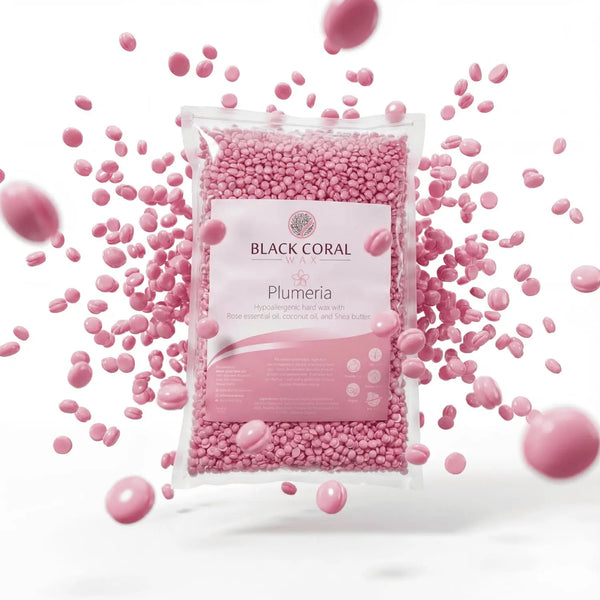
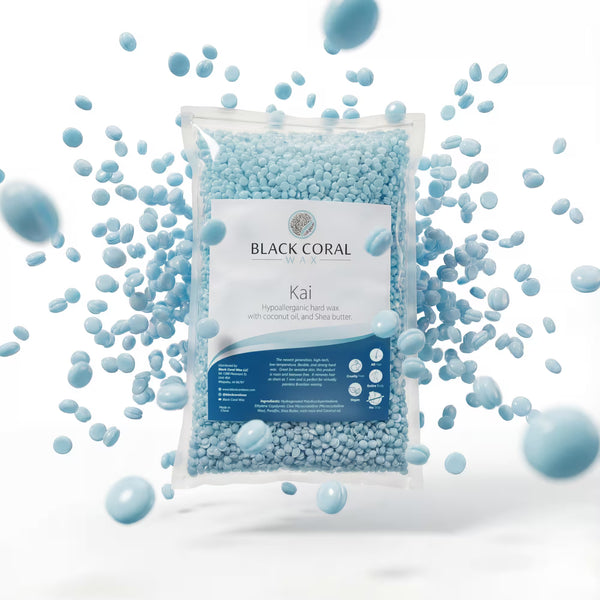
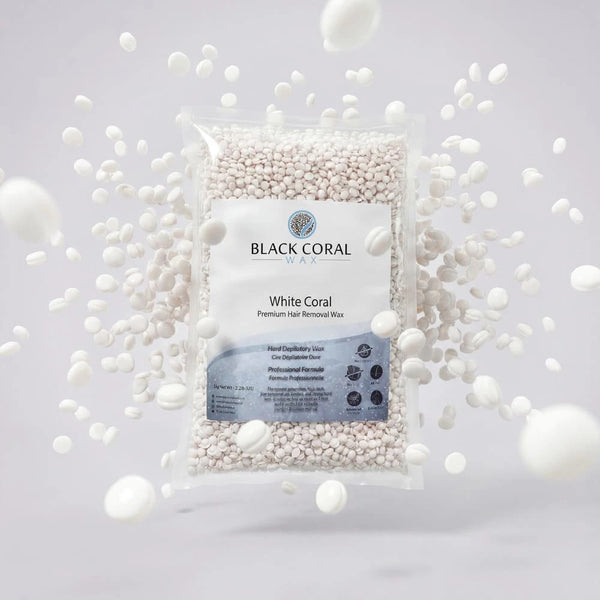
Discover professional waxes and care products that perfectly align with the highest standards of client comfort. Explore the Black Coral Wax collections and elevate your service level. Learn more at blackcoralwax.com.