

A really good facial wax is one that works every time. For a professional esthetician, wax is not just a product; it's a precise tool that always gives perfect results. A better formula should hold on to even the thinnest hairs without sticking to sensitive skin. This will make the whole process comfortable for the client and leave a clean, smooth finish.
What Makes a Good Facial Wax for Professionals
A licensed esthetician who uses the term "good facial wax" is showing that they are dedicated to their work. It's a basic part of the service that clients expect you to do well. Three things make up this trust: the safety of the clients, the effectiveness of hair removal, and the smooth integration of the workflow. Forget about fancy packaging or strange claims; what really matters is that you can count on professional-level performance, client after client.
It all starts with the formulation. A low-temperature application isn't just a good thing; it's a must. Because the skin on the face is thin and delicate, a cooler wax is necessary to keep burns from happening and redness to a minimum. This one thing makes the client feel more comfortable right away.
How well it works on different hair types and shapes
Another quality that can't be changed is flexibility. A good wax should be able to bend. It can't break or become brittle, especially when shaping delicate areas like the upper lip, brow bone, or nostrils. This flexibility makes it easy to remove in one smooth motion, which is the key to a quick and less painful service.
The true mark of a premium wax, however, lies in its grip. The best formulations are engineered to adhere to hair, not skin. It should be tenacious enough to grip both the finest, downy vellus hairs and coarse terminal hairs. When your wax performs this well, there is no need to treat the same spot multiple times, which reduces skin stress and saves valuable appointment time.
For a wax to be considered professional-grade for facial services, it must minimize skin adhesion. This is the secret to a less painful experience, significantly reduced post-wax redness, and the consistent, flawless results that build unwavering client trust.
Ultimately, a wax that performs at this level translates directly into satisfied, loyal clients. When someone leaves your treatment room with beautifully smooth skin and minimal irritation, they associate that exceptional result with your skill and the quality of the products you choose.
To see what that level of precision looks like, view this gallery of professional brow and facial waxing results. Understanding the standard a great wax can achieve is the first step in elevating your own services. A premium formula is the foundation of every safe, comfortable, and profitable facial wax service. To learn more, explore our guide on choosing the best wax for estheticians.
The Formulation Science Behind High-Performance Wax
What truly separates a standard wax from an exceptional one? It all comes down to the science of its formulation. A premium wax is like a perfectly crafted recipe-each ingredient has a distinct purpose, and they all must work in harmony to deliver flawless, professional results every time.
Understanding what constitutes a good facial wax helps you recognize why it performs the way it does. The global wax market was valued at USD 10,456.0 million in 2023 and is projected to reach USD 14,165.8 million by 2030. Within this massive industry, cosmetic waxes are growing the fastest, driven by demand from estheticians and clients for better, skin-conscious formulas. You can explore the data in this professional wax market report from Grand View Research.
This trend confirms that a superior formula professionals can trust isn't just a luxury-it's a necessity.
Core Components of a Superior Wax
Let’s break down the key ingredients in a high-quality wax and their specific functions.
Key Facial Wax Ingredients and Their Functions
This table outlines the essential building blocks of a professional facial wax and the role each plays in delivering a smooth, effective service.
|
Ingredient Category |
Example |
Primary Function in Facial Wax |
|
Resins |
Gum Rosin, Pine Resins |
The primary gripping agent. Adheres to the hair for removal from the root. |
|
Plasticizers |
Glyceryl Rosinate |
Adds flexibility and pliability, allowing the wax to hug contours without cracking. |
|
Soothing Agents |
Chamomile Extract, Aloe |
Calms the skin on contact to help minimize redness and irritation during treatment. |
|
Waxes |
Beeswax, Candelilla Wax |
Provides structure and helps control the wax's melting point and setting time for a consistent texture. |
Each component is carefully selected to create a wax that is not only effective but also gentle and easy to work with.
Balancing Performance Characteristics
Creating an excellent wax formula is a delicate balancing act. The precise ratio of resins, plasticizers, and other ingredients directly impacts how the wax behaves from the moment it melts to the second it's removed.
Here are the most important performance metrics that every professional esthetician cares about:
-
Melting Point: A good facial wax has a low melting point. It makes sure that the wax can be used at a comfortable temperature that won't burn or irritate sensitive skin.
-
Setting Time: This is how long it takes for the wax to harden after you put it on. The best formula is one that is slow enough to allow for precise application but fast enough to keep appointments on time.
-
Elasticity tells you how far the wax can stretch without breaking. With high elasticity, you can make a clean "lip" for pulling, and the strip will come off in one piece, leaving no annoying residue.
These three traits must all work together perfectly. A wax that melts at a safe temperature but takes too long to set can get in the way of your work. One that dries quickly but breaks when you take it off makes things messy and not very useful.
Check out our guide on the different types of wax and their uses to learn how different formulations are made for different services.
A better wax formula is proof of good chemistry. It's where grip meets flexibility and performance meets skin safety, making a tool that feels like a natural extension of the esthetician's skill.
You can really appreciate what makes a wax professional when you know the science behind it. It's not just about getting rid of hair; it's also about doing it safely, cleanly, and with as little pain as possible.
Why professionals choose hard wax for the face
There is a debate among professionals about whether to use hard wax or soft wax for facial waxing, but for experienced professionals, the choice is clear. Hard wax is almost always the choice of estheticians who care about the health of their clients' skin and getting perfect results. This isn't a choice; it's a decision based on how the wax works with sensitive skin on the face.
Hard wax is a smart tool. It "shrink-wraps" around each hair as it cools and sets. The wax only sticks to the hair, not the skin underneath.
This mechanism is what makes waxing a lot more comfortable and safe. Hard wax sticks only to the hair, which greatly lowers the risk of lifting the skin, which is a big worry with harsher waxes. This means that your client will have a lot less pain, redness, and irritation, which builds trust and makes them want to do business with you again.
A Clear Distinction in Adhesion
Soft wax, also known as strip wax, functions like an adhesive. It sticks to everything it touches-both the hair and the top layer of skin. While effective for larger, more resilient areas like the legs or back, it is often too harsh for the sensitive skin on the face.
Using soft wax on the upper lip or brows can cause unnecessary discomfort and leave behind significant redness. This is why a good facial wax is synonymous with a high-quality hard wax.
The professional standard for facial waxing is protecting the skin's integrity. Hard wax achieves this by binding to the hair, not the epidermis, for a clean removal that’s both effective and remarkably gentle.
This fundamental difference is why top estheticians build their entire facial waxing service around premium hard wax.
Facial Waxing Comparison: Hard Wax vs. Soft Wax
To further clarify, here’s a direct comparison of why hard wax is the superior choice for any service from the neck up.
|
Feature |
Hard Wax (Stripless) |
Soft Wax (Strip Wax) |
|
Adhesion |
Binds primarily to hair, not skin. |
Adheres strongly to both hair and skin. |
|
Gentleness |
Excellent. Ideal for sensitive facial skin, minimizing irritation and lifting. |
Low. Can be too aggressive, often leading to redness and discomfort. |
|
Application |
Applied thicker and removed on its own once set. |
Applied thinly and removed with a cloth or paper strip. |
|
Precision |
Superior. Allows for precise shaping, perfect for detailed work like eyebrows. |
Moderate. Less suitable for creating sharp, clean lines on small areas. |
|
Client Comfort |
Generally considered much less painful due to its selective adhesion. |
Often more painful because it pulls on the skin during removal. |
|
Best For |
Eyebrows, upper lip, chin, sideburns, and nostrils. |
Larger, less sensitive body areas like legs, arms, and back. |
As the table shows, the choice becomes clear when working on the most visible and sensitive areas of the body.
How it will affect your service
When you choose hard wax, it's not just about the technique; it's also about how your clients feel. Clients will remember how comfortable the service was when they leave your treatment room with perfectly shaped brows and calm, clear skin. That good experience makes people want to come back and tell their friends about it.
If you want to learn more about the differences and uses of hard wax and soft wax, our professional guide is a great place to start. By confidently explaining why you choose hard wax, you show that you care about your clients' safety and comfort, which will help you build your reputation as a trusted expert.
Choosing the Right Wax for Your Client
There is no one "best" wax for use in a professional setting. An expert knows how to choose the right wax for each person. It's not just about the product when it comes to a good facial wax. You also need to pick the right formula for your skin type, hair type, and the area you're treating.
This personalized approach turns a regular service into a unique experience. It shows that you really care about your client's safety and comfort and that you know a lot about your job. This is important for getting repeat customers.
For Skin That Is Sensitive or Reactive
People with sensitive, rosacea-prone, or reactive skin need the most gentle care possible. Putting regular wax on them can cause anything from long-lasting redness to a full histamine reaction. These clients must have very high standards when it comes to choosing a wax.
The goal is to cause as little damage to the skin as possible. For this reason, hypoallergenic formulas are the best choice. Look for hard waxes that don't have common irritants like synthetic dyes or strong scents.
-
Soothing Botanicals: Waxes that contain calming herbs like chamomile, lavender, or azulene can make a big difference. These agents calm the skin right away, making it less red before the client even gets off the treatment bed.
-
Low-Temperature Application: This is a must for skin that is sensitive. A wax that melts at a lower temperature feels better when you put it on and is much less likely to irritate delicate skin when it gets hot.
Choosing a wax made for sensitive skin not only removes hair, but also protects your client's skin barrier during the service.
How to Deal with Rough and Stubborn Hair
Some clients, on the other hand, have thick, stubborn hairs on their chin, jawline, or upper lip. These tough hairs that are deeply rooted are a unique problem. If the wax is too soft, it won't have enough grip, which will break hairs and require you to treat the area again.
You need a wax with a lot of tensile strength for this job. The formula needs to be strong enough to wrap around each thick hair without breaking or becoming brittle when it is taken off.
When dealing with rough facial hair, the wax's grip and flexibility are very important. It needs to be strong enough to pull the hair out of the root in one try, but soft enough not to break the hair or the wax strip.
In this case, formulation science is very important. A wax with more high-quality resins gives a strong grip, making sure that removal is quick, clean, and as comfortable as possible. This focus on performance is also making men want to groom themselves more. The market for organic beard wax grew to USD 769.9 million in 2024, showing that more and more people are interested in high-quality facial hair products. This report has more information about how the market for professional grooming is growing.
Addressing Fine Vellus Hair
Finally, consider the removal of fine vellus hair-often called 'peach fuzz'-from the sideburns or cheeks. While these hairs are soft, their density and fine texture can make them surprisingly difficult to remove. A wax that is too thick or sets too quickly may simply glide over them.
For this type of service, a more fluid and elastic wax is your best tool. You need a formula that can be spread in a thin, even layer and has a slightly longer setting time. This allows the wax to envelop every tiny hair.
The elasticity is crucial for removal. The wax strip must remain flexible as you pull it, ensuring it lifts all the fine hairs in one clean sheet instead of cracking. This is what delivers the flawlessly smooth finish clients expect from a full-face wax. To learn more about tailoring your product choices, read our complete guide on how to choose the best hard wax beads for every skin type.
Mastering Professional Application Techniques
A top-tier wax is an excellent start, but it only realizes its full potential in the hands of a skilled professional. Even the best formula on the market cannot compensate for poor application. Mastering technique is what transforms a standard service into an exceptional client experience, delivering flawless results while prioritizing comfort and safety.
The entire process, from skin prep to post-wax care, is a careful interplay of product and skill. Honing your technique is a continuous journey that elevates your craft and builds lasting client trust.
The Foundational Step: Skin Preparation
Before the wax is applied, a thorough skin preparation routine sets the stage for success. This initial step is not a mere formality; it ensures the wax can perform its job effectively without compromising the client's skin barrier. Rushing this stage can lead to irritation, missed hairs, and a suboptimal finish.
A professional skin preparation protocol always includes these two critical actions:
-
Gentle Cleansing: Begin by cleansing the area with a pre-wax cleanser. This removes any makeup, oils, or lotions that could prevent the wax from gripping the hair properly. The skin must be completely clean and dry.
-
Skin Protection: Next, apply a very light layer of pre-wax oil or powder. This creates a fine barrier between the skin and the wax, ensuring the formula adheres to the hair, not the epidermis. This step is non-negotiable for minimizing discomfort and preventing skin lifting.
This simple two-step process primes the canvas, allowing a good facial wax to work exactly as it was designed to. The result is a cleaner removal and calmer skin.
Perfecting Wax Application and Removal
The application itself is a matter of precision and control. From the temperature of your wax to the pressure of your spatula, every element plays a crucial role in the final outcome. Mastering this stage is what separates the novice from the expert and guarantees a safe, efficient service.
Temperature Control is Everything The ideal consistency for facial hard wax is similar to warm honey-fluid enough to spread easily without being uncomfortably hot. Before it touches a client, always test the temperature on the inside of your own wrist. This simple safety check prevents burns and ensures client comfort from the start.
Pressure and Directional Application When applying the wax, use firm, consistent pressure with your spatula. This helps envelop every hair from root to tip. Remember the golden rule: always apply the wax in the direction of hair growth. This allows the wax to set properly around the hair shaft for a clean pull.
The hallmark of a professional application is creating a clean 'lip' at the end of the strip. This slightly thicker edge provides a firm grip for a quick, confident removal against the direction of hair growth, which dramatically reduces client discomfort.
Navigating Tricky Areas The face is not a flat surface. When waxing the upper lip, it is often best to work in two or more smaller sections to maintain control. For eyebrows, a small spatula is essential for applying wax with precision and creating sharp, clean lines. Holding the skin taut during removal is also key, especially in delicate zones, as it provides support and makes the pull much more comfortable. These details accumulate to create a superior service that showcases your expertise.
Important things to do after waxing and things to avoid
The last pull doesn't mean the end of a facial wax service. The time right after hair removal is just as important for getting a beautiful, long-lasting result. A successful wax is defined by two key elements: providing excellent aftercare to keep the skin calm and knowing which common mistakes to avoid.
Think of post-wax care as your professional signature; it demonstrates a commitment to your client's well-being beyond the treatment room. The skin is sensitive after waxing, and open hair follicles can be more likely to get bacteria and irritation. So, a calming routine after waxing is a must. The goal is simple: calm down the swelling and protect the skin.
A cooling gel that soothes can work very well to get rid of redness right away after waxing. Look for skin-care products that have aloe or chamomile in them to calm the skin right away. Then, use a light, non-comedogenic oil to gently remove any wax residue while also nourishing the skin. This won't clog pores that have just been cleared.
Important Aftercare Tips for Clients
Give your clients clear, easy-to-follow aftercare instructions to give them power. This shows that you know what you're doing and helps them keep the smooth, clean finish you got.
-
Hands Off: Tell clients not to touch the area that has just been waxed for at least 24 hours to keep oils and bacteria from spreading.
-
No makeup or strong products: Tell them to stay away from makeup, scrubs, and products with strong scents for the rest of the day.
-
Keep it Cool: Saunas, intense workouts, and very hot showers are off-limits for 24-48 hours, as heat and sweat can irritate sensitive follicles.
-
You must protect your skin from the sun: freshly waxed skin is very sensitive to the sun. If you have to be outside in the sun, use a broad-spectrum sunscreen that is gentle on your skin.
This proactive client education sets you apart in a crowded field. The market for personal waxing is expected to reach $25.5 billion by 2025. This shows how much clients value professional services.
Things to Avoid When Using the Common Application
A bad application can't be fixed by even the best aftercare routine. Knowing what not to do is just as important for your safety and getting a perfect finish with a good facial wax.
One of the most common errors is improper temperature control. If the wax is too hot, it can easily burn the skin on your face. It won't spread or hold the hair properly if it's too cool, which can cause breakage. Another common problem is putting on wax strips that are too thick or too thin. Thick strips waste product and can be hard to get rid of, but thin strips might break or leave hair behind.
If you know how to do these technical things, you can be sure that every service you offer is safe, effective, and of the highest professional quality. Check out our guide on after-waxing care products for a more in-depth look at products that help keep your skin healthy after waxing.
Your Most Important Questions About Facial Waxing
Even experienced professionals have questions about the details of facial waxing. To help you get every service just right, here are clear and simple answers to some of the most common questions.
What temperature is best for a good facial wax?
The ideal temperature for a professional hard wax is achieved at a low melting point, typically between 40°C and 45°C (104°F to 113°F). This temperature is warm enough to make it easier to remove hair by relaxing the hair follicle, but cool enough to be safe on sensitive facial skin, so it won't burn or irritate.
Before you put the wax on a client's face, always check the temperature on your inner wrist. This is a safety check that must be done for every service.
Can I Use the Same Wax on My Face and Body?
Some high-quality hard waxes can be used for a lot of different things, but it's best to use a wax that was made just for the face. A good facial wax should be softer and more flexible, have a lower melting point, and have ingredients that help reduce redness.
Using a specialized facial formula is not just about caution; it’s about achieving the safest, most effective results on everything from fine vellus hair to stubborn chin hair.
How can I stop my clients from getting pimples after a facial wax?
Three main things can help keep breakouts from happening after waxing. First, keep your hygiene perfect by never double-dipping applicators and making sure all of your tools are clean. Second, use a high-quality, non-comedogenic hard wax that will not clog pores.
Last but not least, it's very important to teach clients. Give easy-to-follow rules for aftercare:
-
Do not touch the area with dirty hands.
-
Don't wear makeup or thick creams for at least 24 hours.
-
Don't do hard workouts or go to the sauna if they make you sweat too much.
Suggesting a gentle, calming post-wax oil or serum can also help keep the skin calm and the follicles clean, making sure your client gets a smooth, clear finish.
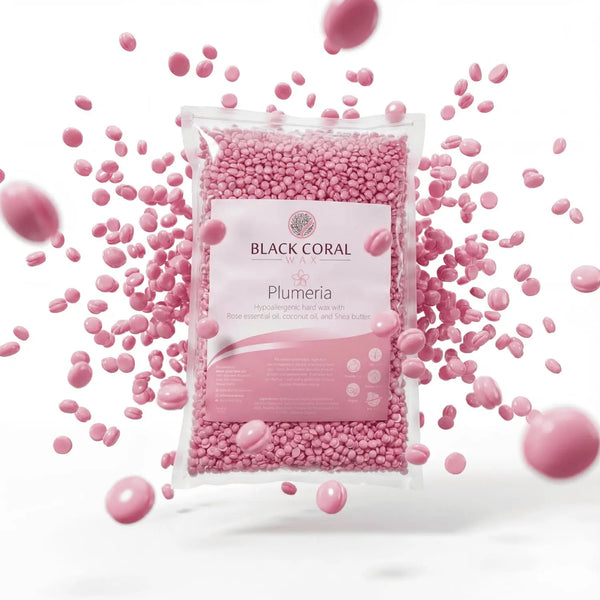
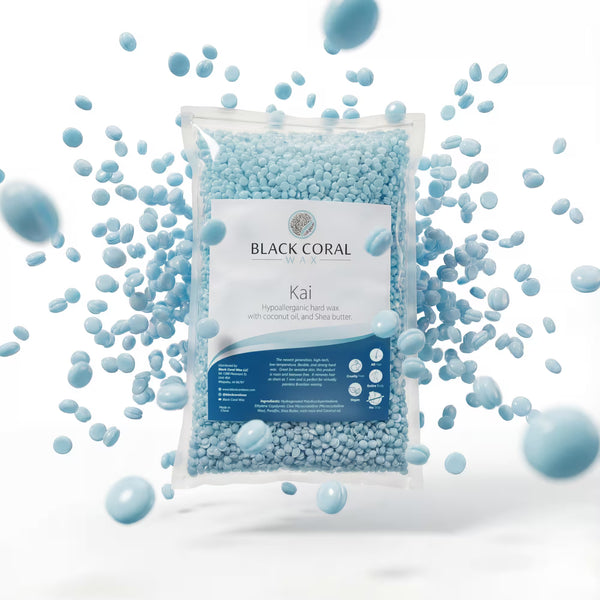
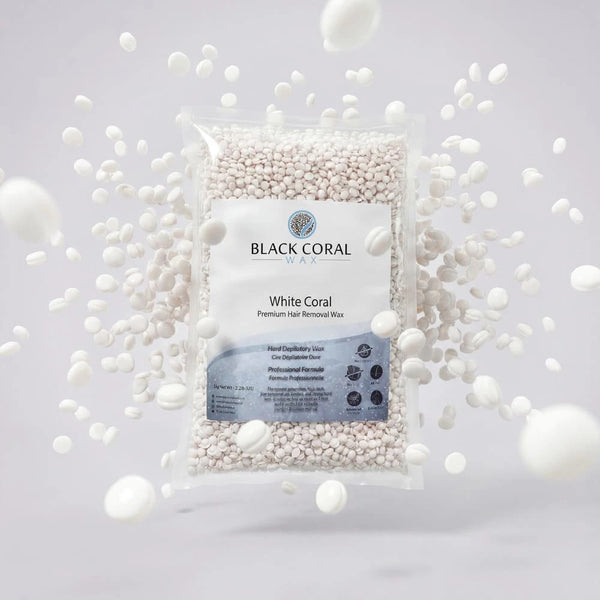
We at Black Coral Wax know that professionals need products that work well and look good every time. Our collection of premium hard waxes is formulated to provide a gentle yet highly effective experience for every client.
Find out about the professional collections of Black Coral Wax