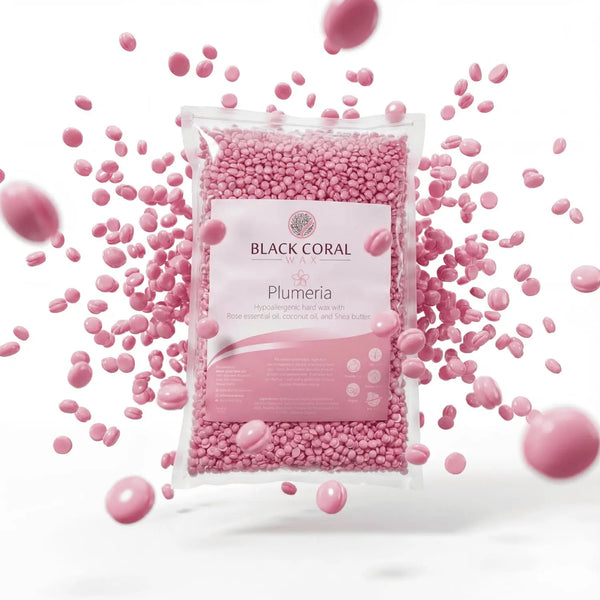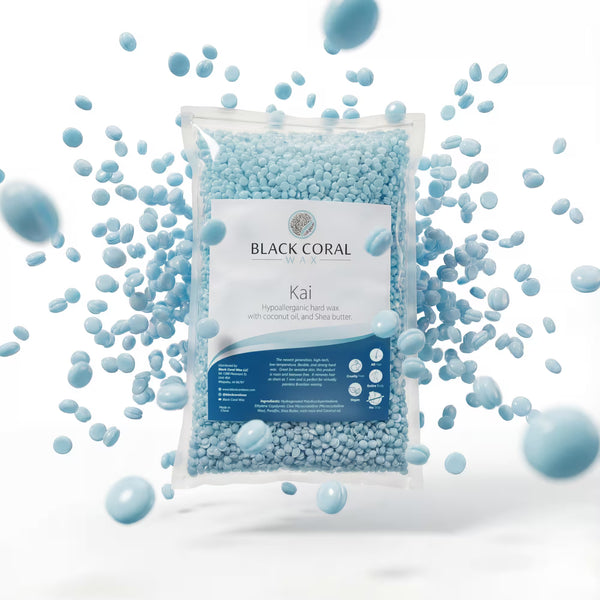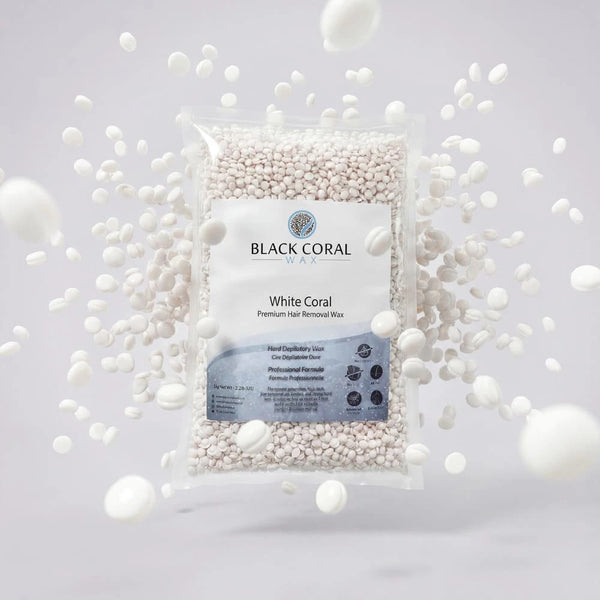


For a seasoned esthetician or a budding beauty enthusiast, the best wax isn't just a product - it's your partner in the treatment room. It's the key to providing a flawless service, perfectly matching the treatment area with your client's unique skin and hair type. The right choice offers a powerful grip while remaining gentle on the skin, which is the secret to achieving impeccable results and ensuring clients leave feeling comfortable and confident.
As a professional rule of thumb, hard wax is your go-to for sensitive spots like the face and bikini line, while soft wax is a workhorse for clearing larger areas like legs and backs efficiently.
Your Guide to Choosing the Best Professional Wax
As a professional, the wax you choose practically defines your service. It’s the difference between a painful, awkward experience and a comfortable, luxurious one. It separates mediocre results from skin that looks and feels incredible. This guide is here to help you make that critical decision, moving beyond just brand names to really understand the science behind a superior wax.
This isn't just about picking a product off the shelf; it's about elevating your craft. When you master the art of wax selection, you build a loyal clientele who trusts your expertise completely. Being able to confidently explain why you’re using a specific formula for their unique needs transforms a simple hair removal service into a personalized skincare treatment.
Understanding the Market and Your Role
The demand for professional waxing services is stronger than ever. The global hair removal wax market for salons and spas is expected to hit around USD 18.4 billion by 2033, a huge jump from about USD 10.19 billion in 2023. This isn't just a trend. This growth is fueled by clients who see professional grooming as essential self-care and understand that waxing offers so much more than just hair removal-it exfoliates the skin and helps keep pesky ingrown hairs at bay.
As an esthetician, your skill in selecting the perfect wax puts you in the ideal position to meet this growing demand with expert care. You can find more details in this hair removal wax market report.
A Quick Guide for Instant Confidence
To help you make smart, quick decisions in the treatment room, we've put together a simple breakdown. This table is designed to help you instantly match the right wax to the right service, giving you a solid foundation of confidence before we dive deeper into the specifics of each type.
Quick Guide to Selecting Professional Wax
Here's a cheat sheet to help you choose the right wax type on the fly, ensuring every client gets the best possible treatment for their specific needs.
|
Treatment Area |
Recommended Wax Type |
Why It Works Best |
|---|---|---|
|
Face (Brows, Lip, Chin) |
Hypoallergenic Hard Wax |
Adheres only to fine hair, not delicate facial skin, minimizing redness and irritation. |
|
Underarms & Bikini Line |
Flexible Polymer Hard Wax |
Grips coarse, stubborn hair from multiple directions while remaining gentle on sensitive skin. |
|
Legs & Arms |
High-Quality Soft Wax |
Spreads thinly and removes hair efficiently from large, less sensitive body parts. |
|
Back & Chest |
Soft Wax or All-Purpose Hard Wax |
Soft wax offers speed for large areas, while a versatile hard wax can tackle varied hair textures. |
Think of this table as your starting point. Mastering these basics will make your services more efficient and your clients much happier. Now, let's get into the finer details of what makes each wax tick.
Hard Wax Versus Soft Wax: A Professional Breakdown
Every esthetician knows that choosing between hard and soft wax is one of the most fundamental decisions we make daily. This isn't just about preference; it's a strategic choice that depends on the treatment area, the client's hair type, and their skin's sensitivity. Mastering when to use each is what separates a good service from a great one.
Think of hard wax as a shrink-wrap for hair. You apply it warm, let it cool and "set," then remove it on its own - no strip needed. Its magic is that it grabs onto the hair and not the skin, making it the undisputed champion for delicate areas and sensitive clients.
Soft wax, on the other hand, is a powerful adhesive. It goes on in a super-thin layer and comes off with a non-woven strip. This method is incredibly efficient for clearing large areas quickly, making it a total workhorse for services like leg and back waxing.
When to Choose Hard Wax
Hard wax is your go-to for precision and comfort, especially in areas where the skin is thinner or more reactive. Because it doesn’t stick to the skin, you can often go over the same spot more than once to catch those stubborn little hairs without causing significant irritation.
Its gentle nature makes it the best wax for estheticians who specialize in sensitive treatments like Brazilians or facial waxing. The demand for high-quality professional waxes is booming, especially in North America, which is expected to hit a market size of around USD 4.27 billion in 2025. This growth is all about clients wanting less painful, more skin-friendly options - and advanced hard wax formulas are leading the charge.
Hard wax is more than just a product; it’s a technique. Its ability to grip coarse, short hair while completely bypassing the skin makes it an essential tool for delivering a nearly painless experience on the most sensitive parts of the body.
Here are the ideal scenarios for pulling out the hard wax:
-
Sensitive Treatment Areas: It’s perfect for the bikini line, Brazilian waxes, underarms, and facial services like brows, lip, and chin.
-
Coarse or Stubborn Hair: Hard wax excels at encapsulating thick, dense hair, providing a clean pull right from the root.
-
Clients with Reactive Skin: For clients prone to redness or irritation, hard wax significantly reduces skin trauma.
-
Short Hair Removal: It can effectively grab hairs as short as 1/16 of an inch, making it a lifesaver for clients between their regular appointments.
When to Choose Soft Wax
When you need speed and efficiency for larger, less sensitive body areas, soft wax is the answer. You can apply it thinly and remove it quickly, letting you cover a ton of surface area in a fraction of the time it would take with hard wax.
While it does adhere to the top layer of skin - which provides an exfoliating benefit - it also means your technique has to be on point to avoid irritation. You should never apply soft wax to the same area twice in one session. For a deeper dive into the nuances, check out our ultimate guide to soft wax vs hard wax.
Soft wax is your best bet for these situations:
-
Large Body Areas: It's the most efficient choice for legs, arms, back, and chest.
-
Fine to Medium Hair: Soft wax is great at removing the finer hair that covers large surfaces.
-
Clients with Normal Skin: It works best on skin that isn’t prone to sensitivity or reactivity.
-
Cost-Effective Services: Since you apply it in such a thin layer, a little soft wax goes a long way, making it a budget-friendly choice for bigger jobs.
Ultimately, the debate isn't about which wax is "better" in general. It's about which is the best wax for estheticians to use for a specific job. A truly skilled professional keeps both hard and soft wax in their treatment room, ready to customize every single service for flawless, comfortable results.
Decoding Wax Ingredients for Superior Results
The formula inside the pot is what separates a good wax from a truly great one. Understanding the ingredient list is like a chef knowing their spices-it lets you predict performance, protect your client's skin, and deliver consistently amazing results. This knowledge turns a label from a mystery into your most powerful tool.
Think of an ingredient list as the wax’s DNA. It tells you exactly how it will behave under heat, how flexibly it will apply, and how gently it will treat the skin. Mastering this is what makes an expert esthetician stand out, someone who cares about both efficiency and client comfort.
The Foundation: High-Quality Resins
At the heart of every wax formula are resins. These ingredients are responsible for grip, determining how well the wax adheres to hair. High-quality, natural resins like rosin (derived from pine trees) provide an unmatched grip that is both powerful and effective, cleanly removing hair from the root.
Cheaper, synthetic alternatives might get the job done, but they often lack the sophisticated adhesion of their natural counterparts. This can lead to missed hairs and the need to go over the same spot twice - a fast track to skin irritation. When choosing a professional wax, a formula built on premium resins is non-negotiable.
The Secret to a Flawless Pull: Plasticizers and Polymers
Have you ever had a hard wax strip crack or break mid-pull? The culprit is usually a lack of flexibility. This is where plasticizers and polymers come into play. These ingredients are added to give the wax its crucial elasticity, allowing it to bend and move with the body's curves without becoming brittle.
A wax formula with a modern polymer blend is an esthetician's best friend. It can tackle the most stubborn, coarse hair with incredible flexibility, ensuring a clean, single-pull removal that clients will thank you for.
This flexibility is absolutely essential for a comfortable client experience and an efficient service. A flexible wax lets you create that perfect "lip" for removal and ensures the entire strip comes off in one clean piece, taking every last hair with it.
Skin-Soothing and Protective Agents
The best professional waxes do more than just remove hair; they care for the skin. That's why top-tier formulas include soothing and protective agents to minimize irritation. These ingredients are critical for keeping skin healthy, especially when working on sensitive areas.
Here are a few key ingredients to look for:
-
Titanium Dioxide: This creates a creamy, buffered wax that acts as a protective barrier between the wax and the skin. It’s an excellent choice for clients with highly reactive or sensitive skin because it seriously cuts down on redness.
-
Chamomile or Azulene: These plant extracts are known for their strong anti-inflammatory properties. When they touch the skin, they help to calm it down, which makes the whole process feel much better.
-
Emollients and Oils: Mineral oil and other skin-conditioning agents are examples of ingredients that act as a gentle barrier and keep the wax from drying out the skin, leaving it soft and hydrated. Our guide on the types of wax and their uses gives a detailed comparison of how different formulas work.
You can choose a wax based on how well it works instead of how well it is marketed by learning how to read these key ingredients. Not only does this knowledge improve your work, but it also builds trust with your clients, who will know they are getting the best care for their skin.
Matching Wax to the Types of Hair and Skin of Clients
It's not just about technique that makes someone an expert in the treatment room; it's also about customization. A one-size-fits-all approach to waxing will never give you the perfect, comfortable results that keep clients coming back. Your service goes from being just a hair removal to a truly personalized treatment because you can read a client's skin, figure out what type of hair they have, and pick the right wax.
This is your guide to getting the hang of that customization. We'll go over some common client situations, suggest the best wax for the job, and point out the most important ingredients that make a big difference. This is how you let every client know that their skin is in good hands.
A neat station with clearly labeled, high-quality products isn't just for show; it's what makes it possible to give personalized, professional waxing services every time.
You can always customize the service to meet your client's needs if you have a variety of waxes on hand. This builds trust and guarantees beautiful results.
Waxing Skin That Is Sensitive or Prone to Acne
People with sensitive or acne-prone skin often come in feeling nervous. They are worried about redness, irritation, or breakouts after waxing. Choose a formula that will protect and calm their sensitive skin so you can shine. The goal is clear: keep their skin as calm as possible and reduce trauma.
For these clients, a hypoallergenic hard wax is the gold standard. Since it shrink-wraps the hair instead of sticking to the skin, it dramatically cuts down the risk of irritation. Look for creamy formulas that act as a buffer between the wax and the skin.
-
Things to Look For:
-
Titanium Dioxide: This is what makes wax have that smooth, creamy feel. It makes a barrier that protects the skin and reduces redness and pain during the pull.
-
Chamomile or lavender are two plants that are well known for their anti-inflammatory properties. They help calm the skin when they come into contact with it.
-
Hypoallergenic Resins: If a client is known to be sensitive to certain things, they need formulas that don't contain common allergens like colophony (rosin).
Tip: Always do a small patch test on clients with very sensitive skin, especially if it's their first time in your studio. This easy step builds a lot of trust and keeps you from having any bad reactions.
How to Deal with Coarse or Stubborn Hair
When you have coarse, thick, or stubborn hair, like on your bikini line, underarms, or chest, you need a wax that really grips. A weak formula will either break the hair or need to be used multiple times, which will annoy everyone and make the process more difficult.
A flexible, polymer-blend hard wax is your best friend at this point. These advanced formulas are made to be more elastic and strong, so they can wrap tightly around thick hair without breaking or becoming brittle. They give you the muscle you need without hurting your skin. Our in-depth guide shows you how to choose the best hard wax beads for every type of skin if you want to learn more.
The Best Formulas for Fine Vellus Hair
Vellus hair, also known as "peach fuzz," is a different kind of problem. Many hard waxes have trouble getting a good grip on it because it's so fragile. You can use either a high-quality soft strip wax or a special hard wax made for fine hairs. The goal is to get rid of it all quickly and without putting too much stress on the skin.
A good soft wax is often the best choice for big areas like arms or legs. It can quickly grab even the smallest hairs because it sticks to things. But for the face, a gentle hard wax that is applied at a lower temperature is usually the best choice to protect that delicate skin.
-
Important Ingredients to Look For:
-
Natural Resins: Soft wax with high-quality rosin gives the right amount of stickiness to lift fine hairs without leaving any behind.
-
Mineral oil keeps hard wax formulas soft and flexible, which keeps them from drying out the skin.
Here's a table you can use to quickly find the right wax for the client in front of you.
Choosing the Right Wax Based on Client Profile
This table shows you exactly what to get based on what your client needs, so you can be sure to always make the right choice.
|
Client Profile (Type of Hair and Skin) |
Type of Wax That Is Best |
Important Ingredients to Look For |
Pro Tip |
|---|---|---|---|
|
Skin that is sensitive or reacts |
Hard Wax That Doesn't Cause Allergies |
Chamomile, lavender, and titanium dioxide |
Always do a patch test. Apply a pre-wax oil to the skin to give it an extra layer of protection. |
|
Acne-Prone Skin |
Creamy, Low-Temp Hard Wax |
Titanium Dioxide, Tea Tree Oil (for antibacterial properties) |
Ensure skin is thoroughly cleansed with a non-comedogenic pre-wax cleanser. Advise client on proper aftercare. |
|
Coarse or Resistant Hair |
Polymer-Blend Hard Wax |
Flexible Polymers, High-Quality Resins |
Apply slightly thicker strips to ensure the wax fully envelops the coarse hair follicle for a clean pull. |
|
Fine Vellus Hair ("Peach Fuzz") |
High-Quality Soft Strip Wax or a specific Low-Temp Hard Wax |
Natural Rosins (Soft Wax), Mineral Oil (Hard Wax) |
For facial waxing, use smaller strips and hold the skin taut to prevent bruising and ensure full removal. |
|
Mature or Thin Skin |
Gentle Hard Wax |
Beeswax, Vitamin E, Soothing Botanicals |
Work in small sections and apply minimal pressure. Avoid soft wax, as it can be too aggressive on delicate skin. |
When you learn how to match your wax to your client, you're not just doing a job; you're giving them a personalized solution that makes them trust you and shows off your skills. This level of attention to detail is what makes an esthetician great.
Elevating Your Service Beyond the Wax Pot
Picking the best wax for estheticians is a huge first step, but it’s really only half the battle. Truly exceptional, five-star results come from a complete professional protocol that takes care of the client's skin from the moment they walk in until long after they’ve left. This holistic approach proves you're a trusted skincare pro, turning a simple wax into a luxury experience.
Think of pre- and post-wax care as the opening and closing acts to the main event. Without proper skin prep, even the world's best wax can't perform at its peak. And without solid aftercare, clients can end up with redness, bumps, or irritation that reflect poorly on your service - no matter how perfect the hair removal was.
The Non-Negotiable Pre-Wax Protocol
A great wax starts with a perfectly prepped canvas. This stage is all about cleansing the skin and creating a protective barrier so the wax only grabs the hair, which makes the whole process more comfortable and effective. Rushing this step is one of the biggest mistakes an esthetician can make.
A thorough pre-wax routine makes every service safe, effective, and as comfortable as possible for your client. This is the kind of professional touch that builds loyalty and gets you those glowing reviews.
Here are the essential steps:
-
Thoroughly Cleanse the Skin: Kick things off with a gentle, antiseptic pre-wax cleanser. This gets rid of any makeup, oil, sweat, or lotion that could stop the wax from getting a good grip. Cleansing also sanitizes the area, which helps cut down the risk of post-wax breakouts.
-
Apply a Pre-Wax Oil (for Hard Wax): When you're using hard wax, a light layer of pre-wax oil is a total game-changer. It creates a super-thin, protective barrier on the skin, which helps the wax shrink-wrap around the hair-not the skin itself. This one step seriously reduces pain and minimizes any chance of skin lifting or irritation.
-
Use Powder (for Soft Wax): For soft wax services, a light dusting of powder can be your best friend. It soaks up any extra moisture or oil, letting the strip wax stick cleanly and evenly for a flawless pull.
Mastering Post-Wax Care and Client Education
What you do right after the last strip is pulled is just as important as the removal itself. The client's skin is sensitive, and the follicles are open and vulnerable to bacteria and irritation. Your post-wax protocol needs to focus on calming, soothing, and protecting the skin immediately.
Your expertise shouldn't end when the service is over. Educating clients on proper at-home aftercare is what extends the life of their wax, prevents frustrating side effects like ingrown hairs, and solidifies your status as their go-to skin expert.
Immediately after removing the final strip, apply a soothing post-wax product. A quality calming oil or lotion helps dissolve any stray wax residue, cool down redness, and hydrate the skin. Look for products with anti-inflammatory ingredients like chamomile or aloe vera to calm the area down right away.
Finally, client education is everything. Give them clear, simple instructions for the next 24-48 hours. Advise them to:
-
Avoid hot baths, saunas, and intense workouts.
-
Wear loose, breathable clothing to prevent friction.
-
Wait 48 hours before exfoliating the area.
-
Keep the skin clean and stay away from heavy, perfumed lotions.
By following a complete service protocol, you do more than just remove hair-you provide a full-on skincare treatment. For more ideas on perfecting your service from start to finish, check out our guide on how to train your staff for perfect waxing results every time. This dedication is what builds a reputation for excellence and keeps clients coming back.
Why Pros Choose Black Coral Wax
We’ve talked about the science behind great wax, the importance of tailoring services to each client, and what a top-tier service looks like from start to finish. Now, let’s bring it all together. The final piece of the puzzle is choosing a brand that understands these principles - one that was built on them.
That’s where Black Coral Wax comes in. We’re not just another product on the shelf; we are a partner in your craft. Our entire line was developed by working side-by-side with estheticians to solve the real-world challenges you face in the treatment room every day. Our formulas were born from a refusal to settle for “good enough.” We engineered them for incredible performance, put skin health first, and created a wax that lets you work with total confidence.
Performance Meets Skin-First Ingredients
At Black Coral Wax, we know that amazing grip and skin safety have to go hand-in-hand. You can’t have one without the other. Our waxes are designed for a low-temperature application, which means your client feels comfortable from the moment it touches their skin. That gentle heat minimizes the risk of burns and keeps skin stress to a minimum.
At the same time, our formulas deliver an unbelievable grip that shrink-wraps around every single hair, removing even the most stubborn ones right from the root. This means you can work faster with fewer passes, which leads to less irritation and beautifully smooth results that last. If you want to experience the difference, our flagship Black Coral Hard Wax is a professional favorite for its perfect blend of flexibility and power.
A Brand That’s Growing with the Industry
The professional beauty world is always moving forward, and so are we. The global cosmetic wax market is expected to hit USD 32.3 billion by 2035 - a huge jump from USD 17.3 billion in 2025. What’s driving this? Clients are smarter and more demanding than ever. They want natural, high-quality, and hypoallergenic products.
We’re proud to be at the forefront of this shift, offering formulas that don’t just meet but exceed what today's clients are looking for. You can read more about the cosmetic wax market's impressive growth on Future Market Insights.
Choosing Black Coral Wax means you're joining a community of estheticians who refuse to let quality be an afterthought. It’s an investment in your clients’ comfort, your own efficiency, and your reputation as a true expert.
We invite you to feel the difference for yourself. Check out our professional waxing kits, explore the formulas you’ve just learned about, and take your skills to the next level by joining the Black Coral Wax Academy for free, expert-led training. Your journey to becoming the most in-demand esthetician in town starts right here.
Your Top Questions About Professional Waxing, Answered
Every esthetician runs into a few common questions when it comes to waxing. Let's clear up some of the big ones, so you can feel confident in every service you offer.
What Is the Best Wax for a Brazilian Service?
For a Brazilian, hard wax is the undisputed champion. The reason is simple: it adheres to the hair, not the skin. This is non-negotiable for client comfort in such a delicate area. You’ll want a flexible, low-temperature formula for this service. Look for a modern polymer blend that can grip dense, coarse hair right at the root without becoming brittle. A superior hard wax means less pain for your client, a lower risk of irritation, and the flawless results that build loyalty.
Can I Use the Same Wax on the Face and Body?
While you technically could use an all-purpose wax, it’s not best practice. The skin on the face is much thinner and more sensitive than the skin on the body, and facial hair is typically much finer. For brows, lip, and chin services, a gentle hard wax is your best friend. Creamy formulas with titanium dioxide are particularly effective because they’re extra gentle and calming on facial skin. For larger body parts like legs or backs, a quality soft strip wax will be far more efficient and cost-effective.
How Do I Prevent Wax From Breaking During Removal?
A wax strip breaking mid-pull is a common frustration that usually comes down to one of three things: the application was too thin, the wax was left on the skin too long, or the formula itself lacks flexibility.
To fix this, ensure you're applying your hard wax strips with adequate thickness. The most important part is creating a solid, rounded "lip" on the edge you'll be pulling from. This gives you a substantial grip for a clean, quick removal. Also, work in smaller, more manageable sections and pull the wax as soon as it's set but still pliable - don't let it get hard and brittle on the skin.
At Black Coral Wax, we are dedicated to empowering estheticians with top-tier products and education that deliver real-world results. Our waxes are designed to give you and your clients that flawless finish, every single time.
Ready to see the difference for yourself? Explore our professional waxing kits and find your new favorite formula today.