How Long Between Waxing Bikini: A Pro Guide
A client stands up after a clean bikini wax, checks the mirror, smiles, and asks the question every esthetician hears all day.
“When should I come back?”
That question sounds simple. In practice, it is where professional judgment starts to show. A rushed answer gives a generic rebooking window. A thoughtful answer builds trust, protects the skin, and improves the next service.
If you work in waxing, you already know that smooth results do not come from one appointment alone. They come from rhythm. The right timing helps you catch hair at a workable length, avoid unnecessary irritation, and keep the client on a schedule that supports better regrowth over time.
When people search how long between waxing bikini, they usually want one number. Most clients expect something tidy, like “every 4 weeks.” That baseline can be useful, but it is not enough for every body, every season, or every service type.
A bikini line wax, a fuller bikini style, and a Brazilian do not always follow the same pattern. Neither do clients with coarse regrowth, clients coming off shaving, or clients who only book around vacations.
The most helpful answer is not a fixed number. It is a framework. You look at hair length, growth pattern, skin response, and real-life timing. Then you recommend the next appointment with confidence.
FREE COURSE
Turn Your Passion for Beauty Into a $75K+ Waxing Business
GET IT NOW!
Course succesfuly sent. 🎉
Please go to your inbox to recieve it.
Introduction The Most Important Question After a Perfect Wax
The best rebooking advice feels specific, calm, and easy for the client to follow.
Some clients want to stay consistently smooth. Others just want to avoid the awkward in-between stage before a beach trip. Both need guidance, but not the same guidance. That is where your role shifts from service provider to educator.
A premium waxing service includes three things:
-
A realistic interval that matches the treatment area
-
A skin-first plan that respects healing
-
A maintenance rhythm the client can keep
For bikini services, timing matters because this area tends to show regrowth quickly and can become uncomfortable if the hair gets too long or if the skin is rewaxed too soon. When clients understand the reason behind the schedule, they are more likely to return at the right time instead of waiting until the area feels unruly.
Pro takeaway: The rebooking conversation is part of the treatment. It is not an add-on after the wax.
That is why the question of how long between waxing bikini appointments deserves a more complete answer. A strong answer helps the next wax go better than the last one. It also reduces the confusion clients often have around early regrowth, patchy return, and why one body area seems ready sooner than another.
The Gold Standard Timeline for Bikini Waxing Schedules
For most professionals, the clearest starting point is this. Classic bikini waxing is commonly recommended every 3 to 4 weeks, while Brazilian waxing is typically booked every 4 to 6 weeks, depending on regrowth and service history. For bikini waxing specifically, professional guidance commonly points to every 3 to 4 weeks, with hair grown to about 1/4 to 1/2 inch for effective removal and smoother results,.
Bikini line versus Brazilian
A classic bikini wax usually targets the visible perimeter outside underwear or swimwear lines. Because the area is smaller, many clients prefer to maintain it more often so the edges stay neat.
A Brazilian removes much more hair, often all of it. That service usually benefits from allowing a bit more time so enough regrowth is present across the full area for a thorough pull.
The ideal hair length
The easiest way to explain target length to clients is the grain of rice comparison.
Hair should generally be around 1/4 inch, or about 6 mm, to give the wax enough to grip well. If it is much shorter, the wax may not catch every hair cleanly. If it gets too long, removal can feel more intense and the service may require more management.
Here is the practical version you can use in consultation:
|
Service area
|
Usual rebooking window
|
What you are watching for
|
|
Classic bikini
|
3 to 4 weeks
|
A tidy perimeter and workable regrowth
|
|
Brazilian
|
4 to 6 weeks
|
Full-area regrowth long enough for clean adhesion
|
Why the baseline matters
A standard timeline gives clients confidence. It also gives your booking desk a dependable first recommendation. But the baseline only works when it is paired with observation.
Ask:
-
Is the hair coarse or fine
-
Did the client shave recently
-
Was the last wax complete and clean
-
Is the client trying to stay smooth for an event or maintain
If you want a broader service-life conversation to support that booking advice, Black Coral Wax has a helpful article on how long does waxing last for beauticians and clients.
Key point: Start with the standard interval, then adjust based on what the hair and skin are doing in front of you.
Understanding the Science of the Hair Growth Cycle
Clients often think all pubic hair grows at the same time. It does not. That is why a wax can look perfect on day one and still have some new hairs appear sooner than expected.
Think of follicles like a garden
A simple analogy helps. Picture a garden bed where some plants are actively growing, some are slowing down, and others are resting under the soil.
Hair follicles behave in a similar staggered way.
-
Anagen is the active growth stage
-
Catagen is the transition stage
-
Telogen is the resting stage
You can only remove what is available and long enough to grip. Some hairs are not ready on the same day as others.
Why timing works the way it does
Professional guidance on pubic hair growth notes that approximately 50% of hair remains in a dormant telogen phase at any given time, with that dormant period lasting roughly three months, and hair growing at about 1/8 inch per week. That is why the usual 4 to 6 week interval often works so well for full pubic waxing services, because it gives hair time to reach the 1/4-inch threshold needed for effective adhesion.
For peer education, Black Coral Wax also offers a useful overview on understanding hair growth in men and women for professional waxing.
What synchronization means in real life
When a client follows a steady waxing rhythm, more follicles begin appearing on a more predictable schedule. You see fewer random stragglers. The service feels cleaner and easier to pace.
That does not mean every client suddenly fits one perfect interval. It means consistent booking creates more order.
A client who bounces between shaving, delayed appointments, and panic waxing usually has:
A client who stays on schedule usually gives you a more workable canvas.
Client-friendly phrase: “Some hairs are resting while others are growing, so the goal is not one perfect appointment. The goal is a pattern your follicles can follow.”
Where professionals often need to clarify expectations
The first few appointments can confuse clients. They may assume visible hair at a certain point means the wax did not work. In many cases, it is another set of follicles entering view later.
That why education matters. Not every new hair is a missed hair. Sometimes it is a newly emerged hair from a different cycle.
Key Factors That Personalize the Waxing Schedule
The standard window is useful. Skill involves knowing when to shorten it, when to stretch it, and when not to force a client into a calendar pattern that does not match their body.
Current guidance acknowledges that density, thickness, and the skill of the technician affect how long results last, and that thick or coarse hair may call for more frequent waxing. It also notes a real gap. There is not enough segmented guidance by hair type, skin tone, or regional differences for professionals who need more personalized scheduling, as discussed in this article on bikini wax longevity.
For a practical prep conversation around workable regrowth, this Black Coral Wax article on the ideal hair length for best waxing results fits naturally into your consultation toolkit.
Hair texture and density
Coarse, dense regrowth usually pushes clients toward the shorter end of the normal range. Not because you want to overbook them, but because long, dense regrowth can feel more uncomfortable and may be harder to remove cleanly in one pass.
Fine hair often gives you more flexibility. Some clients still prefer a frequent schedule for cosmetic reasons, but others can comfortably wait longer without sacrificing service quality.
A practical chairside rule:
Skin response matters as much as hair
Some clients regrow quickly but also redden easily. Others heal fast and tolerate regular maintenance well.
If the skin stays calm and the hair reaches a good length on schedule, rebooking is straightforward. If the skin is reactive, your recommendation may need to lean toward healing first, then maintenance second.
Recent shaving history changes the first few visits
A client switching from shaving often has mixed lengths, blunt ends, and a less predictable pattern. The first few waxes can feel inconsistent compared with a long-term waxing client.
That does not mean the schedule is wrong. It means the pattern is still settling.
You may notice:
-
shorter hairs that escaped because they were not ready
-
areas that look fuller sooner
-
client anxiety about “fast” regrowth
Your wording matters here. You are not selling a fantasy of instant perfection. You are building a schedule that improves the next appointment.
Hormonal shifts and life stages
Hormonal changes can affect how quickly hair appears and how dense it feels. In practice, this shows up during pregnancy, postpartum changes, cycle-related fluctuations, medication changes, or other shifts the client may mention in consultation.
Use these conversations carefully and respectfully. You do not need to diagnose anything. You only need to note whether the client’s usual timing has changed and whether the skin has become more reactive.
Lifestyle and season
A client training regularly, swimming often, traveling to warm climates, or spending more time in swimwear may want a tighter maintenance rhythm for comfort and appearance.
Another client may prefer to stretch appointments in quieter seasons and return to a more frequent pattern before holidays or vacations.
Professional tip: A sustainable schedule always beats an idealized one the client cannot keep.
A simple framework for custom rebooking
Use this quick decision filter at checkout:
|
What you observe
|
What it may suggest
|
|
Hair feels dense and returns quickly
|
Book nearer the earlier end of the normal range
|
|
Hair is finer and the skin remains calm
|
A slightly longer interval may work
|
|
Client is new to waxing after shaving
|
Expect some inconsistency at first
|
|
Client books around travel or events
|
Build the schedule around real calendar needs
|
How Pre and Post-Wax Care Maximizes Your Results
The schedule alone does not carry the result. Skin prep and aftercare shape how comfortable the service feels, how clean the grow-out looks, and whether the client arrives at the next appointment in good condition.
Professional standards establish a 5 to 7 day minimum healing interval before rewaxing the same bikini area, extending to 14 days for clients with documented skin sensitivity. The reason is straightforward. Waxing removes hair and also affects the skin surface, so rewaxing too soon can increase inflammation and raise the chance of ingrown hairs or folliculitis.
If ingrowns are a recurring issue in your treatment room, this Black Coral Wax resource on preventing ingrown hairs after waxing is worth sharing with clients.
Before the appointment
Clients often make the mistake of trimming too short or arriving with heavy product on the skin.
Keep your pre-wax advice simple:
-
Come clean and dry so the wax can adhere properly
-
Avoid over-trimming because hair still needs enough length to grip
-
Pause harsh exfoliants or irritating topicals if the skin feels compromised
-
Wear easy, breathable clothing for comfort after the service
Right after the service
The first stretch after waxing is about protecting a freshly exfoliated area from heat, friction, and buildup.
Advise clients to keep the area calm and clean. Tight clothing, heavy sweating, and unnecessary rubbing can create a rougher recovery than the wax itself.
Skin-first rule: If the skin still looks or feels unsettled, focus on recovery before trying to remove more hair.
The healing window
This point causes a lot of confusion. Clients sometimes see a few hairs and want to wax again immediately. That is not always safe or useful.
The skin needs time. Even if a few follicles surface, the tissue may still be recovering. Rewaxing too early can turn a small cosmetic annoyance into a bigger skin problem.
A simple care checklist you can give clients
|
Timing
|
What to do
|
|
Before the wax
|
Keep skin clean, dry, and free of heavy residue
|
|
Immediately after
|
Reduce friction and avoid anything that overheats the area
|
|
During regrowth
|
Resume gentle maintenance only when the skin feels settled
|
|
Before rebooking
|
Check both hair length and skin condition, not just the calendar
|
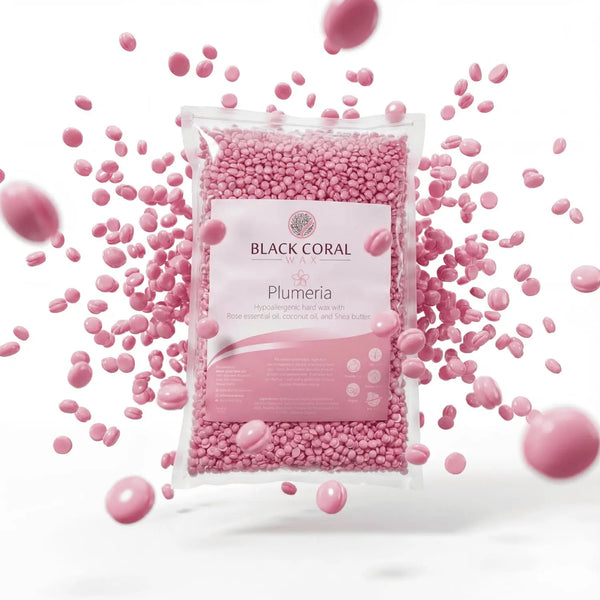
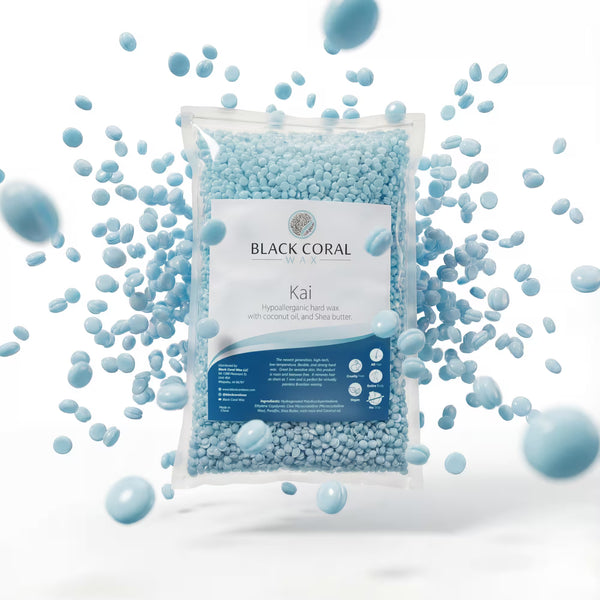
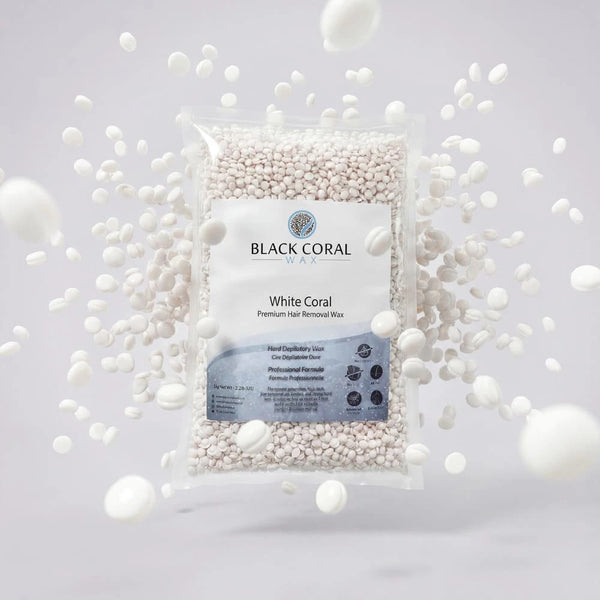
This is also where product choice can support the routine. In a professional setting, a hard wax system such as Black Coral Wax is often chosen for bikini services because low melting points, flexible pull, and strong grip can help technicians work efficiently on sensitive areas. Aftercare products such as a light post-wax oil may also help keep the area comfortable when used appropriately.
The Professional Role in Client Education and Scheduling
Clients usually remember two things after a wax. How the service felt, and what you told them to do next.
That second part shapes retention more than many estheticians realize. A client who understands their schedule is less likely to drift, shave between visits, or return only when the area feels difficult to manage.
What to say when rebooking
Keep the explanation short and specific.
Try language like this:
-
For a classic bikini client: “I’d like to see you back within your maintenance window so the hair is long enough to grip but not overgrown.”
-
For a newer wax client: “Your first few visits may feel less predictable. That is normal while the growth pattern settles.”
-
For a reactive-skin client: “We are booking around both regrowth and skin recovery.”
That approach sounds informed without sounding clinical.
Pre-booking helps the treatment plan hold
When clients leave without an appointment, many of them wait too long. Then they come back with mixed lengths, more discomfort, or frustration about the grow-out stage.
Pre-booking keeps the service connected from one visit to the next. It also makes your recommendations feel like care planning rather than a casual guess.
If you want to strengthen retention beyond rebooking, a salon can also pair education with a thoughtful referral system.
Education increases perceived value
Clients can get hair removed in many places. They stay with the professional who explains why their skin reacted a certain way, why the regrowth looks uneven this month, and why a different interval makes sense next time.
A concise educational handoff often matters as much as technical skill.
For front-desk teams and newer waxers, Black Coral Wax also has a practical article on 3 things clients wish you'd explain before a wax.
Best practice: Rebooking works best when the client hears a reason, not just a date.
Conclusion Crafting the Perfect Waxing Rhythm
The right answer to how long between waxing bikini appointments is rarely just one number.
A strong schedule balances hair length, skin recovery, service type, and the client’s real life. For some, that means a classic bikini rhythm on the shorter side. For others, it means more space between fuller services. The point is not to chase a rigid rule. It is to create a repeatable pattern that supports clean removal, better comfort, and more predictable regrowth.
When professionals guide that rhythm well, clients feel the difference. The appointments make more sense. The results feel more consistent. The skin tends to stay happier.
If you want to support that kind of consistent, skin-conscious waxing routine, explore the professional waxes, pre-care, and post-care options at Black coral Wax.