

To stop ingrown hairs after waxing, you need to do more than just use one product. You need to prepare your skin well, use the right waxing technique, and take care of your skin consistently. The goal is simple: keep hair follicles free of dead skin cells and lower inflammation. Once this is done, new, softer hairs can grow out freely instead of getting stuck under the skin.
Learning about the cycle of ingrown hairs
With the right professional approach, you can almost completely avoid those annoying bumps that come after waxing. An ingrown hair is just a hair that has curled back on itself or is growing sideways into the skin instead of straight out of the follicle. Waxing is one of the best ways to get smooth skin, but it can also make them worse if you don't take care of your skin afterward.
The answer is to see prevention as a full cycle of care that goes beyond the service itself. It includes everything from what your client does before their appointment to how they should take care of their skin over time. Clients who stick with this cycle get the consistently smooth, bump-free results that make them trust you and keep coming back to your salon.
Why waxing can sometimes make hairs grow back in
To stop ingrown hairs, you need to know what causes them. There are a number of things that can cause ingrown hairs after waxing:
-
Breakage of Hair: If a hair breaks below the skin's surface instead of being pulled out cleanly from the root, its sharp tip can easily pierce the follicle wall as it grows back, getting stuck.
-
Follicle Obstruction: The hair follicle is open after waxing. The new, weaker hair may not be strong enough to push through if the scalp gets clogged with dead skin cells, oil, or sweat. Instead, it may grow sideways.
-
Skin Inflammation: Removing hair can hurt the skin a little, which can make the area around the follicle swell. This swelling can make the opening smaller, which can keep the new hair just below the surface.
This is why you have to be professional. The wax you choose, how you put it on and take it off, and how you teach your clients are your most important tools. A more detailed approach is needed for trickier areas like the bikini line.
As a professional, your job goes far beyond the treatment room. Teaching clients how to take care of their skin after waxing is just as important as the waxing itself. A client who sticks to a set schedule works with you to get perfect results.
The Benefits of Getting Waxed by a Professional
Even though there is a small risk, getting professional waxing done regularly is much better at stopping ingrown hairs than shaving or other methods. Dermatologists often say that waxing makes hair grow back finer and less dense over time because it takes the hair out of the root. After just a few sessions, many clients notice a big drop in hair density, which lowers the risk of ingrown hairs.
Regular waxing clients also tend to experience less irritation compared to those who shave. Shaving creates blunt-edged hairs that are far more likely to curl back into the skin. It's also critical to screen clients for any issues that could interfere with the service. To stay informed, you can review our guide on contraindications to waxing for beauticians.
Pre-Wax Preparation: The Foundation for Flawless Skin
An exceptional wax isn’t just about what happens in the treatment room. The best results-flawlessly smooth and long-lasting-begin at home, well before the wax is warmed. A professional routine for preventing ingrown hairs after waxing starts with client prep, and gentle exfoliation is the first step. This single action sets the stage for a smoother service and a much better outcome.
The purpose of pre-wax exfoliation is to slough away the outermost layer of dead skin cells. When this layer becomes too thick, it acts as a barrier, trapping new, finer hairs as they attempt to grow back. This obstruction is one of the primary culprits behind ingrown hairs.
You can make sure your clients' skin is perfectly ready for their appointment by telling them to exfoliate 24 to 48 hours before. This timing lets any small irritation go away, making it easy to remove hair and, just as importantly, letting it grow back healthily.
Picking the Best Way to Exfoliate
This is where your knowledge comes in: not all exfoliants are the same. Helping clients choose the right product for their skin type can make a big difference. There are two main types of exfoliants: physical and chemical. Each has its own strengths.
Exfoliants for the body These products use a soft abrasive action to manually buff away dead skin. Some examples are scrubs with fine sugars, beads that break down in water, or a dry brush with soft bristles. They give you the immediate satisfaction of having smoother skin, and they are often a good place for people who are new to exfoliation to start.
-
Best for: skin that is normal, oily, or a mix of the two and is not easily irritated.
-
Tip for applying: Tell clients to move their hands in light, circular motions. You should avoid putting too much pressure on the skin, as this can cause micro-tears.
Exfoliants that are made of chemicals These products work more slowly by using mild acids or enzymes to break the bonds that hold dead skin cells together. Alpha-hydroxy acids (AHAs), like glycolic or lactic acid, are great for this. They clean more deeply without scrubbing, which makes them great for sensitive skin. Check out our guide on how to get ready for a Brazilian wax for more tips on how to get ready for certain services.
-
Best for: People with sensitive, dry, or acne-prone skin who might think that physical scrubs are too harsh.
-
Tip for use: Always tell clients to patch-test first and carefully follow the directions on the product to avoid over-exfoliation and irritation.
When you exfoliate your skin well, the wax can grab the hair directly instead of dead skin. This makes the pull cleaner, breaks less hair, and lowers the risk of ingrown hairs by a lot.
A Clean Slate and Hydration
In addition to exfoliating, two other important things to do before waxing are to keep your skin hydrated and to arrive with clean skin.
Moisturizing every day is very important. When your skin is hydrated, it is softer and more flexible, which makes it easier for new hairs to grow back. On the other hand, skin that is dry can become tight and brittle, which makes it much harder for new hairs to break through and makes it more likely that they will get stuck.
Lastly, the most important rule: clients must come to their appointment with skin that is clean and free of products. Lotions, oils, and deodorants can make it hard for the wax to stick to the hair. This causes uneven results and hair breakage, which is one of the main causes of ingrown hairs. This simple step will help your professional-grade wax work its best, getting rid of every hair from the root for a perfectly smooth finish.
Learning how to wax properly to avoid hurting the skin
Your hands-on technique is the most important thing you can do to stop ingrown hairs, in addition to preparing your client's skin. Every step, from putting it on to taking it off, has an effect on skin damage and the chance of hair breaking. A refined technique not only makes the wax cleaner, but it also protects the skin, reduces inflammation, and gets your client ready for perfect, bump-free regrowth.
This is where your professional skills really show. You can cut down on irritation a lot and make sure that hair is removed cleanly from the root by paying attention to important technical details. If you snap hairs below the surface, they will almost always become ingrown. Your technique is the best way to stop this from happening.
Selecting the Right Wax for the Job
The foundation of a low-trauma service is choosing the right wax for the area and hair type. A one-size-fits-all approach is ineffective in professional waxing. Different body parts have unique skin sensitivities and hair textures, demanding a thoughtfully selected product to achieve the best results without causing a reaction.
For stubborn, coarse hair on less sensitive areas like the legs or back, you need a wax with a strong grip. A formula like Black Coral Wax's Pele Hard Wax Beads is ideal. It’s designed to shrink-wrap around thick hairs for a clean pull that minimizes the need to go over the same spot twice.
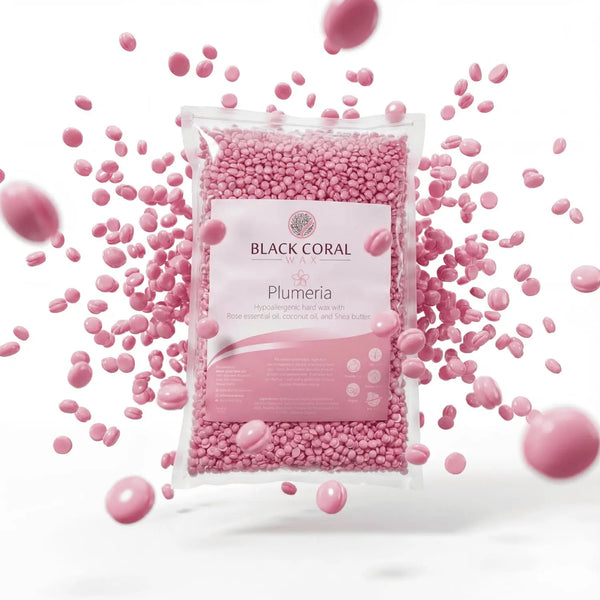
For delicate areas like the bikini line, underarms, or face, a gentler approach is required. A flexible, low-temperature wax is essential. Our Plumeria Hard Wax Beads is formulated specifically for sensitive skin. It adheres firmly to the hair but not aggressively to the skin, which significantly reduces redness and irritation.
Perfecting Your Application and Removal
Once you have the right wax, your application and removal technique is paramount. These motions determine whether the hair lifts cleanly from the follicle or snaps mid-shaft. Mastering this is non-negotiable for preventing future skin issues for your client.
A few technical details make all the difference:
-
Hold the Skin Taut: Always use your free hand to stretch the skin firmly before you apply and before you pull. Taut skin creates a stable surface, allowing for a cleaner release with less pulling or bruising.
-
Apply With Hair Growth: Apply the wax in the same direction the hair grows. This allows the wax to properly encapsulate the entire hair shaft, ensuring a solid grip at the root.
-
Remove Against Hair Growth: When you remove the strip, always pull it back against the direction of hair growth. This lifts the hair directly out of the follicle.
-
Keep It Parallel: This is perhaps the most crucial detail. The pull must be fast and parallel to the skin, not upwards. Pulling up and away from the skin lifts the epidermis, causing significant irritation and hair breakage.
Using a high-quality, low-temperature hard wax is a game-changer. It melts at a cooler temperature, making it more comfortable for the client and reducing the risk of heat-induced inflammation, which can constrict follicles and trap new hairs.
The Role of Pressure and Precision
The amount of pressure you use during application also matters. Apply firm, consistent pressure with your spatula to ensure the wax fully surrounds each hair. This creates a solid connection that prevents hair from slipping out of the wax during removal, a common cause of breakage.
Finally, work in small, manageable sections. While it may feel faster to apply large strips, doing so gives you less control over keeping the skin taut and executing a clean, parallel pull. Smaller sections ensure each pull is precise, effective, and minimally traumatic to the skin, leading to better results and a more comfortable client experience.
The Immediate Post-Wax Aftercare Protocol
The first 48 hours after a wax are critical. During this window, the benefits of a great wax can either be preserved or undone. The skin is extra sensitive, and the hair follicles are open, making them susceptible to irritation and bacteria. Educating your clients on immediate aftercare is essential for maintaining flawless results.
The strategy for this period is simple: calm the skin, keep the follicles clean, and avoid anything that introduces heat, friction, or bacteria. Think of it as creating a peaceful healing environment for the skin, so new hair can grow back smoothly without becoming trapped.
The Golden Rules for the First 48 Hours
Providing clients with a clear, simple list of do's and don'ts empowers them. The three biggest things to avoid are excessive heat, moisture, and friction. These factors can increase blood flow and inflammation in an already sensitized area, which tightens follicles. They also create a warm, damp environment where bacteria can thrive, leading to pustules and ingrown hairs.
Here is a simple guide to share with your clients for those crucial first two days.
Post-Wax Care: Immediate Do's and Don'ts (First 48 Hours)
|
Do |
Don't |
|
Wear loose, breathable clothing (e.g., cotton). |
Wear tight jeans, leggings, or synthetic activewear. |
|
Take cool or lukewarm showers. |
Take hot baths, or use saunas, steam rooms, or hot tubs. |
|
Apply a professional, soothing post-wax oil to calm skin. |
Use heavily fragranced lotions, perfumes, or deodorants on the area. |
|
Gently pat the skin dry with a clean towel. |
Go swimming in pools, lakes, or the ocean. |
|
Keep the area clean and avoid touching with unwashed hands. |
Engage in strenuous exercise that causes excessive sweating. |
Breaking these rules is the fastest way to invite irritation, so ensure your clients understand the importance of this initial period.
Soothing the Skin and Reducing Inflammation
The very first step after the last strip is pulled is to apply a professional-grade soothing product. This is a critical step that initiates the healing process immediately. A quality aftercare product will reduce redness and create a protective seal over open follicles.
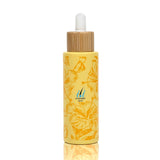
We recommend a product like Black Coral Wax's ili Oil. Its formula is lightweight and non-comedogenic, meaning it delivers significant hydration without clogging pores. The natural botanicals work to calm inflammation and replenish the skin’s moisture barrier.
A common mistake is applying thick, heavy creams or body butters right after a wax. While well-intentioned, these products can suffocate the skin and trap bacteria in the follicles, leading to breakouts. A light, antiseptic, and hydrating oil is always the superior choice.
Advise clients to apply a small amount of a quality oil once or twice a day for the first two days. This simple step feels wonderful on freshly waxed skin and is highly effective at preventing bumps before they form.
The right aftercare makes all the difference in keeping skin smooth between appointments. You can explore more professional-grade options in our guide to after waxing care products. When you provide this clear, actionable advice, you reinforce your expertise and ensure your clients are thrilled with long-lasting results.
Long-Term Routine for Preventing Ingrown Hairs
Flawlessly smooth skin isn't just about the first 48 hours. The real secret lies in the maintenance that happens after the initial healing window. This ongoing routine is your client's best defense to ensure every new hair grows out smoothly, without getting trapped.
The foundation of this strategy is gentle, consistent exfoliation, beginning about 3 to 5 days after the waxing service. From then on, it becomes the most important step in preventing dead skin buildup. As new, finer hairs start to regrow, a clear path is non-negotiable.
The Power of Consistent Exfoliation
If there is one long-term habit to adopt for preventing ingrown hairs, it is regular exfoliation. It is highly effective. Since ingrown hairs typically appear in the first week after a wax, a solid exfoliation routine can reduce their occurrence significantly. The primary issue is dead skin cells clogging the follicle, and a simple routine resolves this.
This is especially true for clients with curly hair, who are naturally more prone to bumps. Exfoliating 2-3 times a week with the right products can encourage hair to grow straight out of the follicle.
Choosing the right type of exfoliant is key. There are two main options: physical and chemical. A good routine may even incorporate both.
-
Physical Exfoliants: These include gentle scrubs, brushes, or exfoliating mitts that manually buff away dead skin for an instantly smooth feel. They are great for use a few times a week, especially on less sensitive skin.
-
Chemical Exfoliants: These products are a game-changer. They use gentle acids or enzymes to dissolve the "glue" holding dead skin cells together. The result is a deeper, more even exfoliation without harsh scrubbing, making them perfect for daily use or for sensitive skin types.
Integrating Chemical Exfoliants for Better Results
To truly master ingrown hair prevention, it’s helpful to understand what is chemical exfoliation. Ingredients like salicylic acid, a beta-hydroxy acid (BHA), are excellent because they are oil-soluble. This allows them to penetrate deep into pores to clear out oil and debris, preventing blockages and calming inflammation.
Alpha-hydroxy acids (AHAs) like glycolic and lactic acid are also fantastic. They work more on the skin’s surface to brighten and smooth. For ultra-sensitive skin, enzyme exfoliants from fruits like papaya or pineapple offer an incredibly gentle option.
Professional Tip: When introducing a client to chemical exfoliants, advise them to start slow. Using it every other day at first allows the skin to acclimate before moving to daily use. Overdoing it can compromise the skin's natural barrier and cause irritation.
Daily Moisturization: The Unsung Hero
While exfoliation gets most of the attention, daily moisturization is equally crucial. Keeping the skin hydrated and supple makes it much easier for new hairs to break through the surface. Dry, tight skin acts like a barrier, forcing weaker, finer hairs to grow sideways or curl back on themselves.
Encourage clients to use a lightweight, non-comedogenic moisturizer every day. The best time is right after a shower when the skin is still slightly damp and can absorb hydration more effectively. It’s a simple step that nourishes the skin, improves its elasticity, and perfectly complements exfoliation efforts.
A high-quality aftercare product like Black Coral Wax's ili Oil is perfect for this daily ritual. Its formula delivers deep, non-greasy moisture while also offering gentle exfoliating and anti-inflammatory benefits. Using a multi-tasking product like this combines several steps into one, making it easier for clients to remain consistent.
For a complete breakdown of how to build the perfect routine, check out our guide on the best skincare routine between waxing sessions. This consistent care keeps skin resilient, healthy, and beautifully smooth until the next appointment.
Customizing Care for Different Skin and Hair Types
A truly professional approach to waxing is never one-size-fits-all, especially when it comes to preventing ingrown hairs. Some clients are naturally more susceptible to post-wax bumps due to their unique skin and hair characteristics.
Understanding these differences is what elevates a good esthetician to a great one. It allows you to offer targeted solutions that solve real problems, building lasting client trust. By customizing your pre- and post-wax protocols, you can get ahead of ingrowns before they even start.
Strategies for Coarse and Curly Hair
Clients with coarse, curly hair are often the ones who struggle most with ingrowns. The hair's natural tendency to curl back on itself makes it easy for it to become trapped under the skin after removal. Hair texture is a significant factor here, and this hair type requires a specialized game plan.
For these clients, two things are non-negotiable:
-
Diligent Exfoliation: Emphasize the importance of a consistent exfoliation routine that uses both physical and chemical exfoliants. Ingredients like salicylic acid are particularly beneficial, as they can penetrate the follicle to dissolve oil and dead skin that would otherwise trap the hair.
-
Flexible Hard Wax: Your technique and product choice are paramount. You need a high-quality, flexible hard wax that shrink-wraps each coarse hair. This ensures a clean pull from the root and dramatically minimizes the risk of the hair snapping below the skin's surface.
Managing Sensitive or Acne-Prone Skin
When working with sensitive or acne-prone skin, the primary goal is to keep inflammation at bay. For this skin type, waxing can easily trigger redness, irritation, and breakouts if not handled carefully. An aggressive aftercare routine will only worsen the situation.
The focus must be on gentle, soothing protocols.
Soothing the skin immediately after the wax is critical for sensitive types. A calming, non-comedogenic oil creates a protective barrier over open follicles, which helps reduce redness and prevents bacteria from causing breakouts.
Advise these clients to avoid any exfoliation for at least 72 hours after their wax. Their skin needs adequate time to recover.
Their aftercare should feature calming ingredients like chamomile, aloe vera, or tea tree oil, which are excellent at reducing inflammation without clogging pores. A light, breathable moisturizer will also help keep their skin barrier healthy and strong. You can learn more about selecting the right products in our guide on how to choose the best hard wax beads for every skin type. This tailored care makes all the difference, ensuring even the most delicate skin stays smooth and clear.
Ingrown Hair FAQs
Even with a perfect waxing routine, questions can arise. Here are answers to some of the most common inquiries from clients and new estheticians.
How Soon Can I Exfoliate After Waxing?
Patience is key. You must wait at least 48 to 72 hours after your appointment before exfoliating. Your skin has undergone a significant process and needs time to calm down and for the follicles to close. Exfoliating too soon can cause significant irritation and increase the likelihood of ingrown hairs.
What Should I Do If I Still Get an Ingrown Hair?
First and foremost, do not pick at it. Squeezing or trying to dig out an ingrown hair can lead to infection and scarring.
Instead, follow these steps:
-
Apply a warm, damp compress to the area for a few minutes to soften the skin and encourage the hair to come to the surface.
-
Next, gently apply a chemical exfoliant containing salicylic acid. It will work its way into the pore to dissolve the blockage without physical scrubbing.
If the ingrown hair is particularly stubborn, a sterile, professional extraction by your esthetician may be necessary.
Does the Type of Wax Really Make a Difference?
Absolutely. Using a high-quality, professional hard wax formulated for sensitive skin is one of your best defenses against ingrowns. Lower-quality wax can break the hair shaft instead of pulling it cleanly from the root, and broken hairs are prime candidates to become ingrown. A professional-grade hard wax will adhere firmly to the hair but not aggressively to the skin, resulting in a cleaner pull and significantly less inflammation.
Is It Normal to Get a Few Bumps After a First-Time Wax?
Yes, for anyone new to waxing, some redness and a few small bumps are completely normal. The skin is not yet accustomed to having hair removed from the root, and the follicles can become temporarily inflamed. This initial reaction typically subsides within a day or two and becomes much less common with a consistent waxing schedule.
At Black Coral Wax, we believe in combining expert knowledge with superior products to achieve the flawless, smooth skin clients desire. Ensure your salon is equipped with professional-grade waxes and aftercare that deliver exceptional results.
Explore our premium wax collections and discover the difference for yourself.