Face Waxing for Flawless Results: A Step-by-Step Breakdown
Face waxing is an essential service for achieving smooth, glowing skin that lasts for weeks. When performed correctly, it can also lead to finer, sparser hair regrowth over time. For professionals, mastering face waxing for areas like the upper lip, eyebrows, and chin is key to delivering a polished, high-end client experience.
The Professional Approach to Face Waxing
Transforming a standard hair removal service into a premium experience hinges on a professional approach. This goes beyond technique; it’s about building client trust through meticulous safety protocols, prioritizing comfort, and using high-performance products formulated for delicate facial skin.
FREE COURSE
Turn Your Passion for Beauty Into a $75K+ Waxing Business
GET IT NOW!
Course successfully sent. 🎉
Please go to your inbox to receive it.
A superior face waxing service is defined by three core principles: safety, comfort, and impeccable results. Excelling in these areas ensures not only client satisfaction but also builds loyalty and reinforces your reputation as a trusted expert. This mindset should inform every step of your workflow, from the initial consultation to the final aftercare instructions.
Delivering a consistently professional service means ensuring every esthetician is trained to the same high standard. For salon owners and managers building a team, our guide on how to train your staff for perfect waxing results every time provides actionable insights for creating a unified, expert-level service.
Conducting the Client Consultation and Skin Prep
An exceptional facial wax begins long before the wax is applied. The client consultation and skin preparation are foundational steps that set the stage for a safe, effective, and comfortable treatment.
This initial conversation is your opportunity to build rapport and thoroughly assess the client's skin. A professional consultation involves asking targeted questions about their current skincare routine, any recent aesthetic treatments, and relevant health history.
Key consultation questions to ask:
- Are you currently using any retinoids (like Retin-A), Accutane, or acid-based exfoliants (AHAs/BHAs)?
- Have you had any recent chemical peels, microdermabrasion, or laser treatments?
- Do you have any known skin sensitivities, allergies, or conditions like rosacea or eczema?
The answers to these questions will help you identify potential contraindications-conditions that make waxing unsafe for the client at that time. Proceeding without this information can lead to skin lifting, severe irritation, and a loss of client trust.
Creating the perfect canvas for waxing
Once you have confirmed it is safe to proceed, the next step is to prepare the skin. The goal is to create a clean, dry surface to ensure the wax adheres only to the hair, not the skin.
First, cleanse the area with a gentle, professional-grade pre-wax cleanser to remove makeup, natural oils, and impurities. This is a non-negotiable step for optimal wax adhesion.
After cleansing, apply a very light layer of pre-wax oil. This creates a protective barrier between the wax and the skin, enhancing client comfort and ensuring the wax grips only the hair.
For best results, advise clients to gently exfoliate 24-48 hours before their appointment.
Zone-by-Zone Face Waxing Application
Facial waxing requires a customized approach. You cannot treat every part of the face identically, as each zone has unique hair growth patterns and levels of skin sensitivity.
Working in small, manageable sections is the key to maintaining control, which is paramount on delicate facial skin. Always apply the wax in the direction of hair growth and remove it against the direction of growth. Remember to brace the skin firmly before each pull. This simple action really improves client comfort.
Upper lip and chin
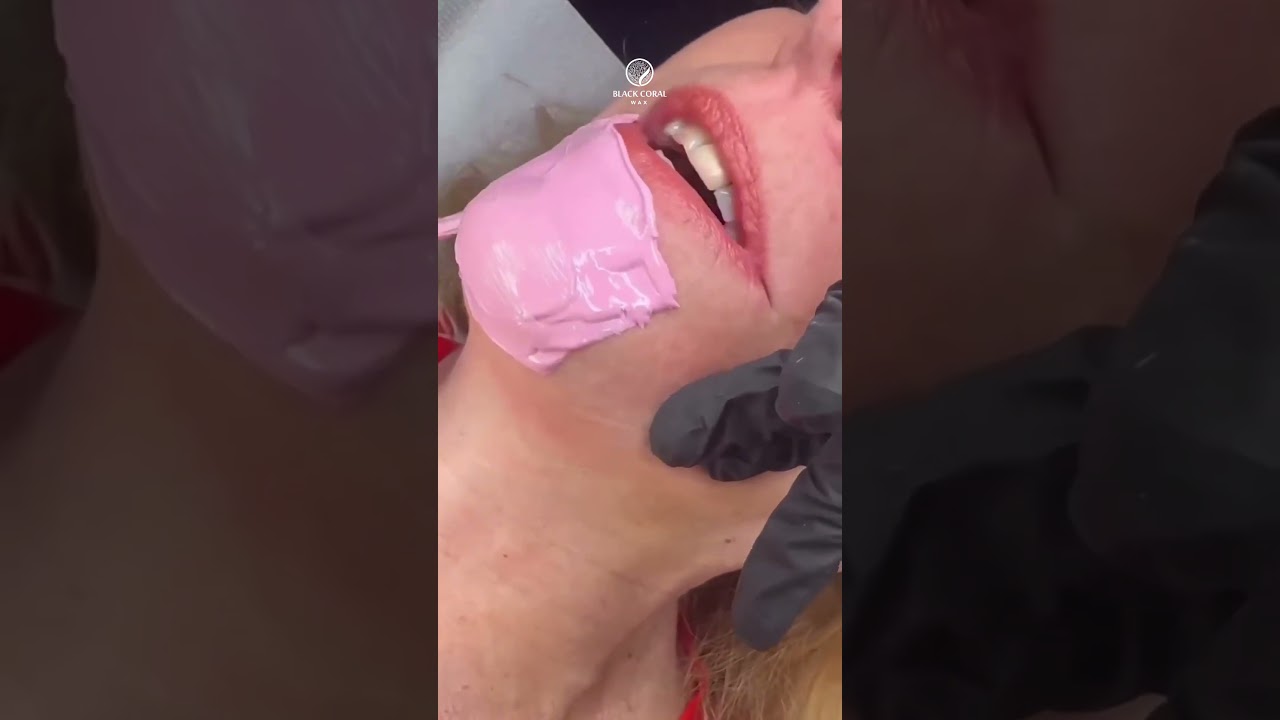
The upper lip is one of the most frequently requested facial waxing services, yet it is also one of the most sensitive areas. It's best to treat it as two separate sections: the left and the right. Apply a thin strip of wax from the outer corner toward the center, following the natural direction of hair growth.
Chin hair can be particularly challenging due to its coarse texture and multi-directional growth patterns.
-
Analyze hair growth: Before applying wax, take a moment to study the direction of the hair.
-
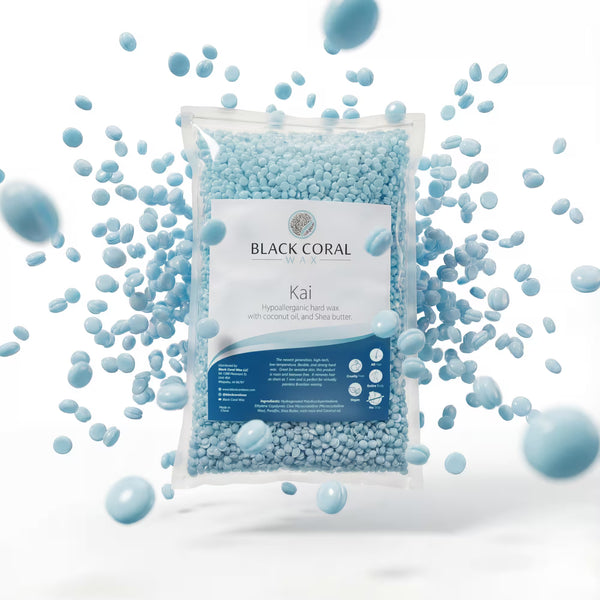
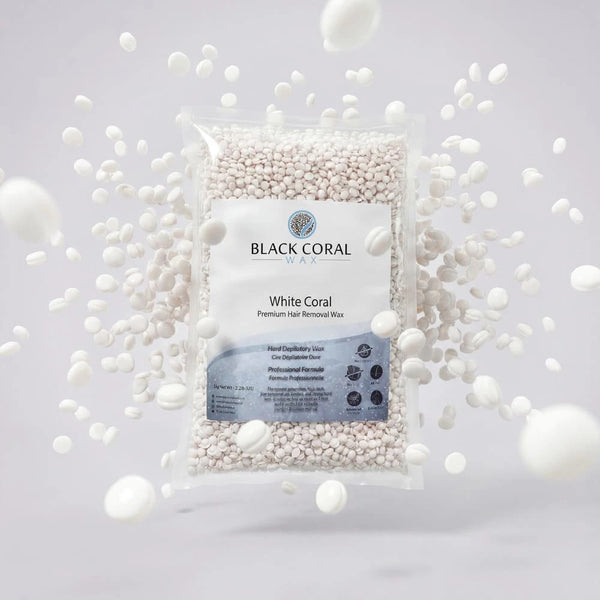
Work in small patches: Hard wax is ideal for this area. Use small, targeted applications to address different growth patterns effectively.
-
Keep the skin taut: A firm hold on the skin just below the application area is essential. This ensures a cleaner removal with minimal discomfort.
Eyebrows and sideburns
Eyebrow shaping is a true art form. It requires absolute precision, and hard wax is the professional's choice for creating sharp, clean lines without disturbing the desired brow shape. Always map the brow first to establish the ideal start, arch, and end points.
For brows, think small, controlled movements. Use the edge of your spatula to apply crisp lines of wax above and below the brow line. The goal is to enhance the client's natural shape by removing stray hairs.
For sideburns and cheeks, you are often dealing with fine, vellus hair, also known as "peach fuzz." Apply thin strips of wax downward, in the direction of hair growth. Removing this hair creates an exceptionally smooth surface, which allows for flawless makeup application and better absorption of skincare products. When removing the wax, pull upward, keeping your hand parallel to the skin.
Mastering Wax Removal to Minimize Discomfort
The removal technique is a defining moment in the client’s experience and directly impacts the final result. A clean, swift pull not only leaves the skin perfectly smooth but also makes the service feel significantly more comfortable.
The key is in the execution. Pull the strip parallel and close to the skin, moving swiftly in the opposite direction of hair growth. This technique removes the hair from the root instead of breaking it at the surface, which prevents irritation and ensures longer-lasting results.
The gentle and effective pull
You can transform a potentially uncomfortable moment into a seamless one with a few professional techniques.
-
Apply firm pressure: Immediately after removing the wax, apply firm but gentle pressure to the freshly waxed skin with your hand or fingers for a few seconds. This simple motion helps soothe nerve endings and instantly minimizes any stinging sensation.
-
Coach the breath: This classic distraction technique is highly effective. Instruct your client to take a deep breath in as you prepare to remove the strip, and then exhale sharply as you pull. You can discover more professional tips in our guide on how to make waxing less painful.
Still unsure about the details? Sometimes reading isn't enough; you need to see it done right. At Black Coral Academy, our step-by-step video courses show you exactly how professionals approach face waxing, leaving no room for guesswork. Head over to blackcoralacademy.com to browse available waxing courses and gain the hands-on knowledge you need.
Post-Wax Care and Client Education
The service is not complete until the skin has been soothed and the client is educated on proper aftercare. The steps you take after the last strip is removed are just as crucial as the waxing itself.
Immediately after waxing, the skin is sensitive and requires calming care. Apply a high-quality post-wax oil or a soothing lotion formulated to calm redness, remove any residual wax, and hydrate the skin when it is most receptive.
Empowering clients with aftercare advice
Your final responsibility is to send clients home with clear, simple instructions to maintain their smooth, calm skin. This step reinforces your expertise and empowers them to prevent common post-wax issues like irritation or breakouts.
Provide a few essential rules for them to follow:
- For the next 24-48 hours, avoid hot showers, saunas, strenuous exercise, and direct sun exposure.
- Do not use harsh skincare products, exfoliants, or retinoids on the waxed area for at least two days.
- Beginning 48 hours after the service, gently exfoliate the area 2-3 times per week to prevent ingrown hairs.
With consistent facial waxing, hair regrowth can become finer and less noticeable over time. Regular treatments can lead to slower regrowth, making it a highly effective method for managing facial hair, especially when performed by a trained professional.
Frequently Asked Questions About Face Waxing
What is the best type of wax for face waxing?
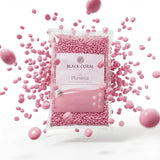
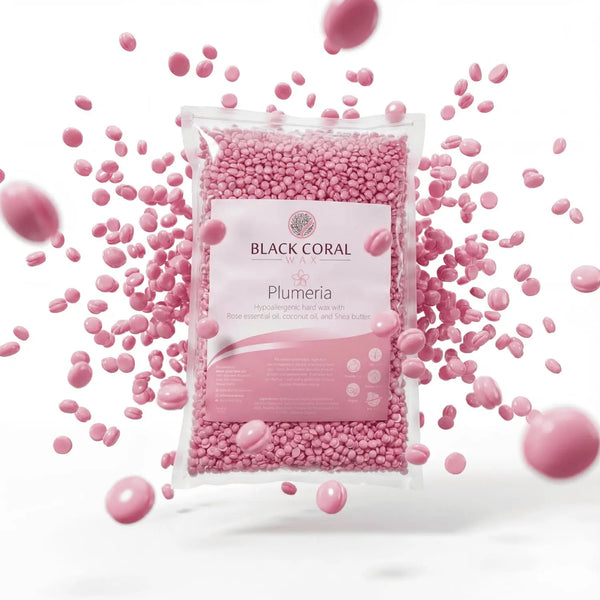
For professional face waxing, hard wax is the superior choice. It is specifically designed to adhere to the hair, not the skin. This formulation is ideal for the delicate and sensitive skin on the face, such as the upper lip, eyebrows, and chin. Because hard wax doesn't pull on the skin, it results in significantly less irritation and redness, making the experience much more comfortable for the client.
How long does hair need to be for a face wax?
For optimal results, hair should be approximately ¼ inch long (about the length of a grain of rice). If the hair is too short, the wax cannot grip it effectively, which may lead to patchy results. If the hair is significantly longer, your esthetician can trim it before the service to ensure a cleaner, more comfortable removal.
Can clients wear makeup after a face wax?
It is best to advise clients to keep freshly waxed skin free of makeup for at least 24 hours. Immediately following a wax, the skin is sensitized and hair follicles are open. Applying makeup can introduce bacteria, potentially leading to clogged pores, irritation, or breakouts. Allowing the skin a full day to calm and recover is key to achieving a smooth, flawless finish.