The After Wax Care Routine That Actually Keeps Skin Clear
Your skin looks perfect right after waxing. Then real life starts: a hot shower, a gym session, tight leggings, a fragranced body lotion, or hands that keep checking the area. Any of these can undo even the cleanest wax.
That's why after wax care isn't optional. Wax removes the hair, but your home routine protects the skin, reduces the risk of bumps, and makes your next appointment go more smoothly.
FREE COURSE
Turn Your Passion for Beauty Into a $75K+ Waxing Business
GET IT NOW!
Course successfully sent. 🎉
Please go to your inbox to receive it.
The First 48 Hours After Waxing: 3 Golden Rules
The first 2 days matter most. Your skin is reactive, warm, and more vulnerable to friction and irritation. A few simple rules during this window make the biggest difference.
1. Keep hands off the waxed area
Checking for smoothness with your fingertips is one of the fastest ways to create problems. Every touch introduces bacteria and friction. On the face, underarms, and bikini line, that can quickly show up as small bumps.
Only touch the area when gently cleansing or applying a calming product, always with clean hands.
2. Avoid heat and sweat after waxing
Heat intensifies redness and discomfort. Sweat adds salt, moisture, and friction exactly when your follicles are trying to settle.
For the first 48 hours, skip:
| What to avoid |
Why |
| Hot showers and baths |
Heat aggravates freshly waxed skin |
| Saunas and steam rooms |
Prolonged warmth and humidity can trigger irritation |
| Intense workouts |
Sweat and friction often lead to bumps |
| Direct sun exposure |
Sensitized skin reacts to UV much more easily |
For practical tips on washing oneself after the appointment, this post-wax showering guide covers it well.
3. Minimize friction and heavy products
Tight clothing, lace seams, rough denim, and fragranced products are the most common post-wax mistakes. Freshly waxed skin does best with breathable fabrics and simple formulas.
Reach for soothing, not active:
- Aloe-based gels and serums
- Light, fragrance-free moisturizers
- Calm, uncomplicated formulas
If a product tingles, smells strong, or feels heavy, it doesn't belong on freshly waxed skin.
Long-Term After Wax Care: Exfoliation and Hydration
Once the first 48 hours have passed, your ongoing habits determine how consistent your results stay. Long-term after wax care comes down to two things: exfoliation and hydration.
Exfoliation that helps, not hurts
Exfoliation prevents ingrown hairs by clearing away dead skin that could trap new growth. Start only after your skin has fully settled, typically 3 to 5 days after waxing.
More scrubbing does not mean fewer ingrowns. Over-exfoliating irritates the skin and makes things worse.
| Method |
How it works |
Best for |
| Physical exfoliation |
Lifts surface buildup through gentle friction |
Tougher body areas with a fine-grained, gentle scrub |
| Chemical exfoliation |
Dissolves dead cells without friction |
Areas prone to ingrowns or congestion |
AHAs (such as lactic or glycolic acid) work at the skin's surface. BHAs (salicylic acid) penetrate deeper into the follicle, making them especially effective for ingrown hairs in the bikini area, underarms, and inner thighs.
If you have curly or coarse hair, you're naturally more prone to ingrowns because regrowth can curl back under the skin more easily. In that case, BHAs after the first 48 hours tend to outperform physical scrubs.
A good routine should be easy to sustain. If you can't keep it up weekly, it's too complicated.
Daily hydration is non-negotiable
Dry skin traps hair. That's the simple reason daily moisturizing matters. A lightweight moisturizer applied consistently keeps skin flexible, so regrowth has an easier path through the surface.
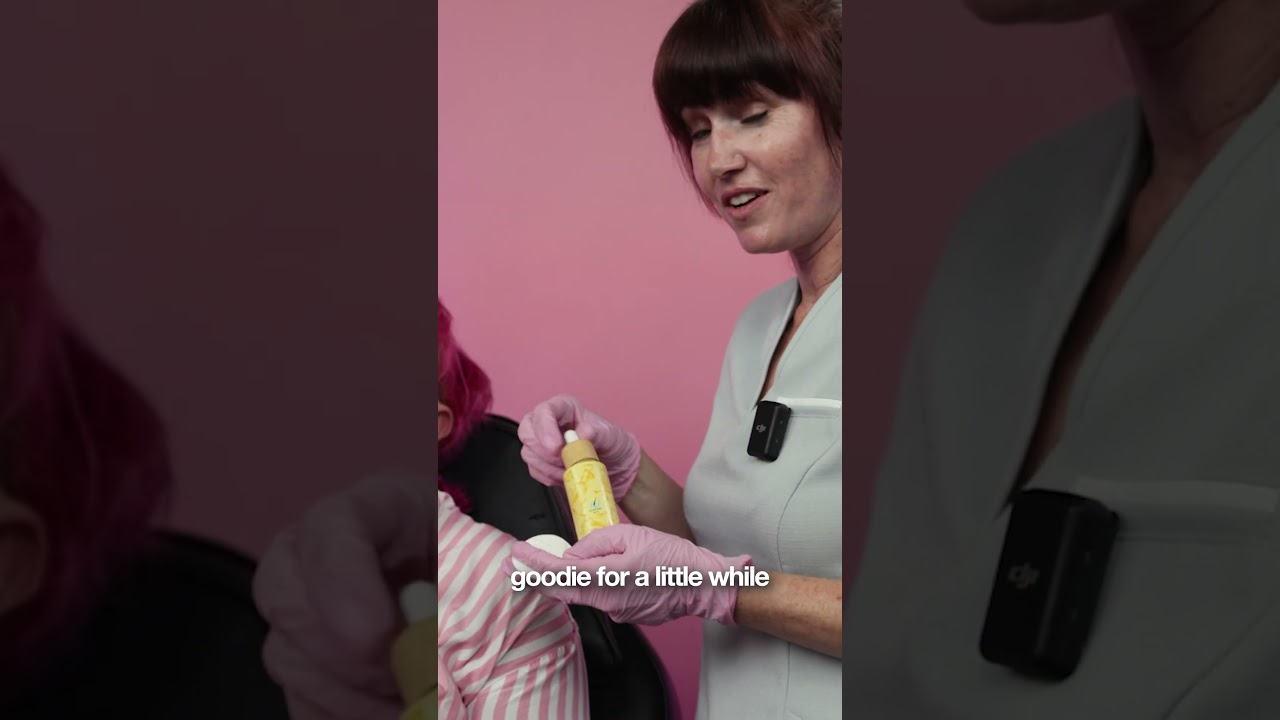
If you're looking for a product purpose-built for this, Black Coral Wax ili Oil is a fast-absorbing oil formulated specifically for post-wax care. It combines hydrating grape seed and jojoba oils with tea tree and lavender to soothe irritation and help prevent ingrowns without leaving a greasy residue.
Troubleshooting After Waxing: Redness, Bumps, and Ingrown Hairs
Even with careful aftercare, reactions can happen. The key is knowing what's normal and temporary versus what needs a change in approach.
Redness after waxing
Mild redness right after waxing is completely normal. Redness that lingers usually points to too much heat, too much friction, or products introduced too soon.
What to do:
- Apply a clean, cool compress.
- Pause active products (exfoliants, fragranced lotions, strong serums).
- Simplify your routine until the skin feels calm.
What not to do:
- Don't scrub the area.
- Don't layer multiple "healing" products at once.
- Don't keep touching it to check.
Small bumps after waxing
Bumps that appear shortly after waxing are usually a short-term skin response - irritation, friction, bacteria, or sweat - rather than ingrown hairs (which tend to show up later, once regrowth has had time to develop).
In most cases, adjusting habits is enough: looser clothing, cleaner hygiene, fewer products. Adding more treatments rarely helps.
However, if the problem keeps coming back, this guide on preventing bumps after waxing explains the causes and how to address them.
Ingrown hairs
Ingrown hairs need a gentler approach than most people expect. Picking, squeezing, and digging with tweezers creates more inflammation than the hair itself.
How to deal with ingrown hairs after waxing:
-
After 48 hours, introduce regular chemical exfoliation (BHA).
-
Moisturize daily: Soft skin offers less resistance to regrowth.
-
Don't pick or squeeze: post-inflammatory marks can last far longer than the original bump.
For more tips and products to support your post-wax routine, visit Black Coral Wax.
Frequently Asked Questions on After Wax Care
Can I shave between waxing appointments?
It's better not to. Shaving disrupts the regrowth cycle you're building with regular waxing, making the next appointment less predictable and often less effective.
Is after wax care different for hard wax vs soft wax?
The core rules are the same. Your skin still needs protection from heat, friction, and over-treatment regardless of which wax was used. The area being waxed and your skin's individual reactivity matter more than the wax type.
When should I start exfoliating after a wax?
After your skin has settled, typically 3 to 5 days post-waxing. Starting too early risks irritation. If you're prone to ingrowns, a gentle, consistent routine works better than aggressive scrubbing.
Does facial waxing need different aftercare?
Yes, mainly in product choice. Facial skin reacts quickly to fragrance, active ingredients, and makeup friction. After face waxing, keep your routine minimal and soothing until the skin feels fully calm, and hold off on makeup for at least a few hours.