What Causes Dark Spots on the Bikini Line
A body in beige underwear from the side, showing skin with dark spots near the bikini line.
Dark spots are a clear sign that your skin is stressed. Finding out what is bothering you is the first step in dealing with them. Beauty professionals need to know these triggers in order to offer services that not only remove hair but also protect and improve skin health.
What Friction and Irritation Do
Friction is one of the main causes of dark spots on the bikini line. Tight clothes, workout clothes made of synthetic fabrics that trap moisture, and even how your body moves can all cause this sensitive skin to rub against things all the time.
This daily rubbing causes low-grade, long-term inflammation, which makes pigment-producing cells (melanocytes) work harder. Even if you don't remove any hair, the skin tries to build a protective barrier, which makes the area gradually darker.
Removing hair and hurting the skin
If you don't do it carefully, both shaving and waxing can cause PIH. Shaving, especially with a dull razor, can cause small cuts and razor burn, which is a common type of inflammation that can leave dark spots. Our guide to understanding, treating, and preventing razor bumps talks about this.
If the technique is too harsh or the skin isn't ready, even professional waxing can hurt the skin. This is why it's so important to hire a skilled esthetician who uses high-quality professional wax to protect your skin and keep it from getting irritated.
A lot of people have PIH. A comprehensive survey of 48,000 individuals across 34 countries indicated that 14.8% of participants experienced PIH, frequently associated with the inflammation resulting from regular hair removal. Read the whole study about these results.
Ultimately, any action that inflames the skin - from a stubborn ingrown hair to picking at a blemish—can leave a dark mark. The professional goal is always to minimize inflammation from the very beginning.
How Professionals Prevent Hyperpigmentation During Waxing
Preventing dark spots on the bikini line is an integral part of the professional waxing service itself. The most effective defense against post-inflammatory hyperpigmentation is a superior, skin-conscious waxing protocol designed to minimize trauma at every step.
This process is more than hair removal; it's a strategic approach to preserving the health of delicate skin. From preparation to removal, every action is focused on creating an ideal canvas for a clean, non-irritating result.
Getting Your Skin Ready for Gentle Waxing
Careful skin preparation is the first step in effective prevention. Putting wax on skin that hasn't been treated yet raises the risk of inflammation. Professionals start by gently cleaning the area to get rid of any oils, lotions, or sweat that might get in the way of the wax sticking. This makes sure that the wax sticks to the hair and not the skin.
After cleaning, it's important to put on a thin layer of pre-wax oil or powder. This makes a barrier that protects the hair shaft while the wax "shrink-wraps" it without pulling or lifting the delicate skin. You greatly lower the risk of micro-trauma that signals melanin production by limiting direct contact with the skin.
Picking the Right Wax for Sensitive Skin
The kind of wax used is very important for keeping irritation from happening, especially in a sensitive area like the bikini line. The product you choose has a direct effect on how comfortable your clients are and how their skin looks.
-
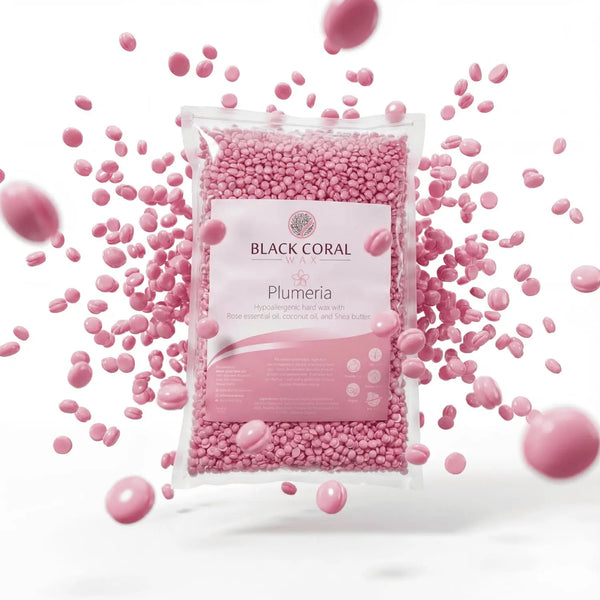
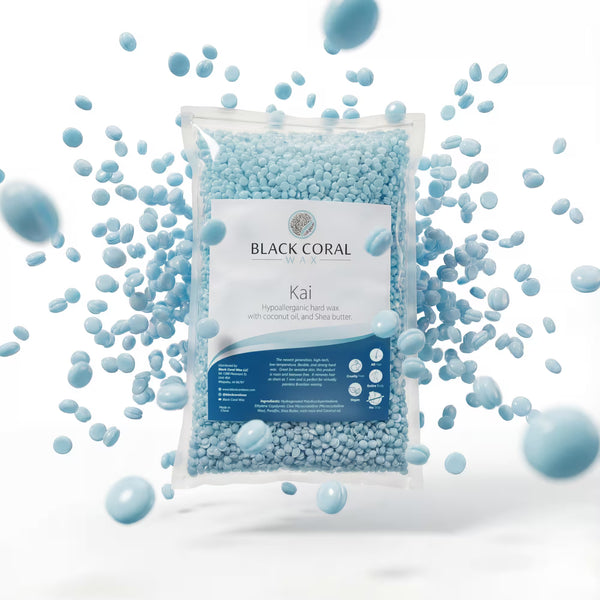
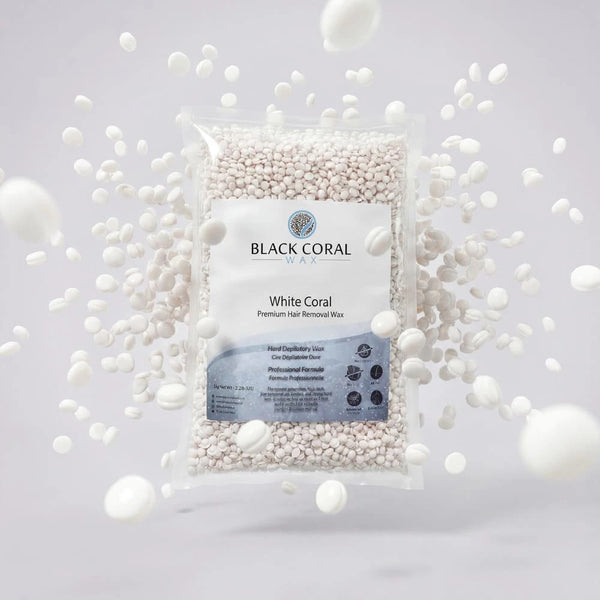
Hard wax is the professional standard. Soft wax, on the other hand, sticks to both hair and skin. Hard wax is made to only stick to hair. As it cools, it wraps around each strand, which makes it much less painful to pull on the skin. This means less pain and a lower chance of inflammation.
-
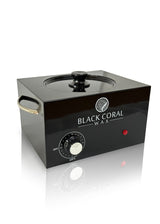
Low-Temperature Formulas: A high-end professional hard wax melts at a lower temperature that is safe for skin. Using wax that is too hot can cause thermal irritation, which is a direct cause of PIH.
Any service that puts skin health first must use a high-performance, low-temperature hard wax. To get the hang of this, check out our full guide on how to use hard wax to get perfect, irritation-free results.
The way you do things is just as important as the product. The goal is to be effective but not harsh. Strong application pressure makes sure the wax completely covers the hair, and a quick, clean removal that is parallel to the skin and never pulls up reduces stress on the follicle and surrounding tissue.
Learning how to apply and take off
The last part is technique. Even the best wax can cause hair to break, ingrow, and get inflamed, which can lead to dark spots on the bikini line.
To keep precise control, professionals work in small, manageable sections. This makes sure that each strip comes off cleanly the first time, so you don't have to wax the area again, which is a common source of irritation. Another important thing to remember is to keep the skin tight while taking it off. It keeps the area stable, pulls less on the skin, and makes the client more comfortable, which are all things that help the skin stay calm and clear after the service.
Building an Effective Aftercare Routine to Prevent Dark Spots
A flawless wax sets the stage, but the true work of preventing bikini line dark spots continues in the hours and days following the appointment. A strategic aftercare routine is the best defense against the inflammation that triggers hyperpigmentation. The focus is on immediately calming the skin and maintaining its health long-term.
The initial 24 to 48 hours post-wax are the most crucial. During this time, the skin is sensitized and follicles are open, making the area highly vulnerable. The primary goal is to soothe and protect, stopping inflammation before it can stimulate excess melanin. This proactive care establishes the foundation for an even-toned result.
The First 48 Hours After Waxing: How to Take Care of Yourself
After a service, the focus should be on calming and anti-inflammatory ingredients. A lightweight, non-comedogenic post-wax oil or a gel that cools can work very well. Look for products that have chamomile in them to help with redness or tea tree oil for its natural antiseptic properties.
It's just as important to teach clients what not to do during this time:
-
No hot baths, saunas, steam rooms, or hard workouts.
-
Tight Clothes: To avoid chafing, suggest wearing loose, breathable fabrics like cotton.
-
Scented Products: Lotions and soaps with strong scents can easily irritate skin that has just been waxed.
This first calming stage is very important for helping the skin heal from the small, controlled trauma of waxing. This greatly lowers the risk of dark spots forming.
Your Aftercare Timeline After Waxing
Giving clients a clear timeline takes the guesswork out of aftercare and gives them the tools they need to keep their results.
|
Timeframe
|
Recommended Actions
|
What to Avoid
|
|
First 24 Hours
|
Apply a soothing, anti-inflammatory oil or gel. Wear loose, cotton clothing. Keep the area clean and dry.
|
Hot showers/baths, saunas, swimming, intense exercise, sun exposure, and fragranced products.
|
|
24-48 Hours
|
Continue using gentle, soothing products. Keep friction to a minimum.
|
Tight clothing (especially leggings or skinny jeans), and picking at any bumps.
|
|
After 48 Hours
|
Begin gentle exfoliation (2-3 times per week). Moisturize daily to keep skin soft and hydrated.
|
Harsh scrubs, over-exfoliating, and using products with drying alcohols.
|
Following this timeline helps ensure the skin heals properly, paving the way for smooth, clear results.
Long-Term Care: Gentle Exfoliation and Hydration
After the first 48 to 72 hours, the focus changes to keeping the skin barrier healthy and stopping ingrown hairs. Exfoliation that is gentle and regular is very important. It gets rid of dead skin cells that can trap new, fine hairs as they grow back. This is one of the main reasons for the inflammation that causes PIH.
But not all exfoliants are good for you. Physical scrubs with big, rough particles can hurt the delicate skin on the bikini line and make it more irritated than it was before.
Chemical exfoliants are usually the best choice for the bikini area. Glycolic, lactic, or salicylic acid are all gentle acids that work by breaking the bonds between dead skin cells. This makes the skin smoother without causing irritation.
Chemical exfoliants work below the surface to keep follicles clear, which stops ingrown hairs from forming in the first place. This method doesn't cause the irritation that often comes with hard scrubbing.
Last but not least, you must drink water every day. The skin barrier is stronger, more flexible, and less likely to get irritated when it is well-hydrated. Recommending a daily moisturizer or soothing oil keeps the skin soft and flexible, which lets new hairs grow without getting in the way.
Check out our guide to professional after-waxing care products to help you create the best post-service routine for your clients. The key to keeping hyperpigmentation at bay and getting smooth, clear results is regular care.
How to Safely Get Rid of Dark Spots on Your Bikini Line
Four skin care products: Vitamin C serums, Niacinamide, Azelaic Acid, and a tube of SPF sunscreen.
When a client already has hyperpigmentation, the goal changes from prevention to gentle, active treatment. Using harsh ingredients will only start the cycle of inflammation again, which will undo any progress.
It takes a long time to get rid of dark spots on your bikini line. It takes time and a regular routine with the right skin-friendly ingredients. Setting this expectation is important for gaining the trust of clients and making sure they are happy with the slow, steady progress.
Important Ingredients for Calming and Brightening
To treat PIH well, the ingredients must both stop melanin production and calm the skin. This area is very sensitive, so anything too harsh will make things worse.
These three strong ingredients are safe and work well in the bikini area:
-
Niacinamide is a type of vitamin B3 that can do a lot of things. It stops pigment from moving between skin cells, which makes dark spots fade. It also makes the skin barrier stronger and has anti-inflammatory properties, which makes it great for keeping irritation from happening again.
-
Azelaic acid is known for being gentle. It works by stopping tyrosinase, which is an important enzyme in the production of melanin. It also works great to calm down redness, getting rid of both the color and the reason for it.
-
Vitamin C (Stable Forms): Vitamin C is a strong antioxidant that helps protect the skin from environmental stressors that can make dark spots worse. It also stops the production of melanin, which over time makes the skin tone brighter and more even. Ascorbyl Glucoside or Tetrahexyldecyl Ascorbate are two stable forms that don't cause as much irritation.
Remind clients that these spots came about over time and will go away in the same way. If they use them every day, they should see a difference in one to two months and a bigger difference in three to six months.
The Non-Negotiable Role of Sun Protection
All progress can be undone by unprotected sun exposure. UV radiation is a major trigger for melanin production, darkening existing spots and encouraging new ones to form.
Even incidental exposure can impact the bikini area. This is why sun protection is an absolutely essential part of any treatment plan for hyperpigmentation.
Advise clients to apply a broad-spectrum SPF 30 or higher to the bikini area daily if it will be exposed. A mineral-based sunscreen containing zinc oxide or titanium dioxide is often less irritating for sensitive, post-wax skin.
Making sunscreen a daily habit is the best insurance for their clear-skin goals. It protects their progress and prevents the need for more intensive treatments in the future.
If a client is also dealing with bumps and irritation, understanding the full picture is helpful. Our article on the causes, prevention, and effective treatments for folliculitis after waxing offers further insight. Combining targeted treatments with diligent protection delivers the most reliable and lasting results.
Advanced Insights for Educating Your Clients
The difference between a single service and a loyal, long-term client relationship often lies in the consultation. When you act as a skin health expert, you build profound trust. This involves educating clients on how to manage bikini line dark spots proactively, not just treating them reactively.
During the initial consultation, you can identify clients who may be prone to PIH. Ask about their skin's history—do they mention dark marks from acne, cuts, or previous hair removal? This is a strong indicator of a reactive skin type. You can then gently explain that their skin may benefit from a specialized approach to achieve the best results.
Setting Realistic Expectations and Product Knowledge
When discussing aftercare, explain why professional-grade products are superior to drugstore alternatives for post-wax care. Many over-the-counter lotions contain alcohols or fragrances that can worsen inflammation—a direct pathway to hyperpigmentation.
Frame the conversation around their long-term skin health:
-
Professional Serums vs. Basic Lotions: Explain that the products you recommend have higher concentrations of active, calming ingredients formulated specifically to soothe post-wax skin. Many consumer lotions are designed for basic hydration and can contain fillers that may clog pores.
-
Gentle Exfoliants vs. Harsh Scrubs: Teach them why a chemical exfoliant with lactic or azelaic acid is better for the delicate bikini area than a gritty physical scrub. Explain that harsh scrubs create micro-tears, another form of skin trauma that can trigger pigment production.
When you guide clients to the right aftercare, you aren't just upselling; you are providing a genuine solution that protects the results of your service. This is how you become an invaluable expert.
It's also beneficial to have a broad understanding of other causes of hyperpigmentation. For instance, knowing the basics of hyperpigmentation from laser can help you answer client questions with greater confidence.
Building this partnership requires consistent messaging and support, which we discuss in our guide on how to train your staff for perfect waxing results every time. When clients feel you are on their team, they remain loyal and achieve the results they desire.
Answering client questions clearly and confidently demonstrates your expertise and empowers them in their own skincare journey. Here are answers to a few common questions you may encounter.
How Long Does It Take to See Results?
When treating hyperpigmentation, patience and consistency are key. Fading dark spots typically takes 3 to 6 months of dedicated, targeted care. The exact timeline depends on the depth of the pigmentation and how long the spots have been present.
Remind clients that daily use of brightening ingredients and, most importantly, diligent sun protection are non-negotiable for achieving results. While initial improvements may be visible within the first month or two, significant fading requires a longer commitment.
Can I Get a Bikini Wax If I Already Have Dark Spots?
Yes, absolutely. In fact, professional waxing is often a better choice than shaving for skin prone to hyperpigmentation. Shaving creates constant friction and micro-trauma, which can easily worsen existing dark spots.
A professional service using a quality, low-temperature hard wax minimizes skin trauma because it adheres to the hair, not the skin. Encourage clients to communicate their concerns, allowing you to use the gentlest techniques and recommend the appropriate pre- and post-care to prevent inflammation.
Open communication is crucial. When a client voices concerns about dark spots, it’s an opportunity to tailor the service specifically to their skin's needs, ensuring a comfortable experience and preventing any worsening of the condition.
Are At-Home Brightening Products Safe for the Bikini Area?
Many at-home products are safe, but careful selection is vital. The bikini area is extremely delicate, so it is essential to choose formulas designed for sensitive skin.
Advise clients to avoid products with harsh chemicals, synthetic fragrances, or high concentrations of acids that can cause irritation and lead to more inflammation. Instead, guide them toward products with gentle yet effective ingredients:
-
Niacinamide: Excellent for reducing pigment transfer and strengthening the skin barrier.
-
Azelaic Acid: Gently inhibits melanin production and is effective at calming redness.
-
Licorice Root Extract: A natural skin brightener with anti-inflammatory properties.
Always recommend a patch test before full application. Testing the product on a small, discreet area can prevent potential reactions and ensure it is compatible with their skin.
At Black Coral Wax, we believe expert knowledge is the foundation of exceptional results. Equip your salon with professional-grade products designed for sensitive skin and achieve the flawless finish your clients deserve.
Explore Our Professional Wax Collections