The Essential Esthetician Waxing Supply Checklist
|
Supply Category
|
Essential Items
|
Key Professional Consideration
|
|
Wax
|
Hard Wax, Soft Wax, Roll-On Wax
|
Choose hypoallergenic, professional-grade formulas for sensitive skin.
|
|
Equipment
|
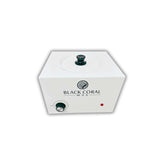
Professional Wax Warmer (Single or Double)
|
Look for adjustable temperature control for safety and consistency.
|
|
Applicators
|
Large, Medium, and Small Wooden Spatulas
|
Using a fresh applicator for each dip prevents cross-contamination.
|
|
Removal
|
Non-Woven Pellon or Muslin Strips
|
Quality strips won't shred or leave residue behind.
|
|
Pre-Wax Care
|
Antiseptic Cleanser, Pre-Wax Oil or Powder
|
Proper prep removes surface oils and bacteria, ensuring better wax adhesion.
|
|
Post-Wax Care
|
Post-Wax Oil, Soothing Lotion or Serum
|
A good post-wax oil removes residue and calms irritated skin.
|
|
Sanitation
|
Disposable Gloves, EPA-approved Disinfectant, Wax Pot Cleaner
|
Hygiene is non-negotiable. Clean tools and surfaces build client trust.
|
|
Client Comfort
|
Exam Table Paper, Cotton Rounds, Tweezers
|
Small details like clean table paper make a big professional impact.
|
This list includes everything you need to provide a safe, effective, and professional service. In the end, the waxing supplies you pick say a lot about your standards. This guide will go into more detail about each category, which will help you choose the tools that will help you improve your skills and grow your business with confidence. Let's begin with the most important part: the wax.
Choosing Your Wax: Formulations that are hard vs. soft
The wax you use is the heart of your service. It directly shapes your client’s comfort, the final results, and your professional reputation. Mastering which formula to use for each client and body area is a fundamental skill for every esthetician.
Your main tools are hard wax and soft wax. Each serves a distinct purpose and requires its own technique. This isn’t about one wax being “better” than the other; it’s about knowing which is the right tool for the job. Making that call with confidence is what separates a good esthetician from a great one.
The Science of Hard Wax
Hard wax, often called stripless wax, functions by "shrink-wrapping" the hair. Once applied, it cools and hardens, gripping the hair without adhering to the skin underneath. This is the secret to its more comfortable removal process.
Because it primarily grips the hair, hard wax is the undisputed champion for delicate services. It significantly reduces redness and irritation, which is critical on areas where the skin is thinner and more reactive.
Hard wax is the perfect choice for:
-
Facial Waxing: Ideal for creating precise brow shapes or cleaning the upper lip and chin where skin is sensitive.
-
Brazilian and Bikini Services: This product is a must-have for these services because it grips coarse hair well while being gentle on delicate skin.
-
Underarms: This area can get irritated easily, but hard wax makes it much more comfortable.
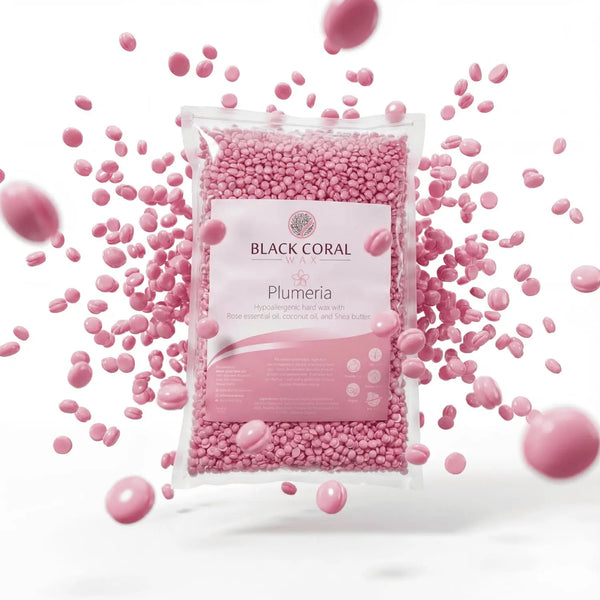
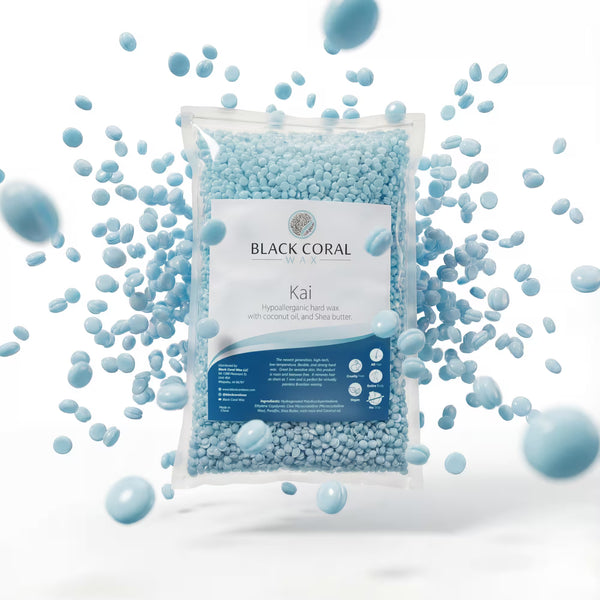
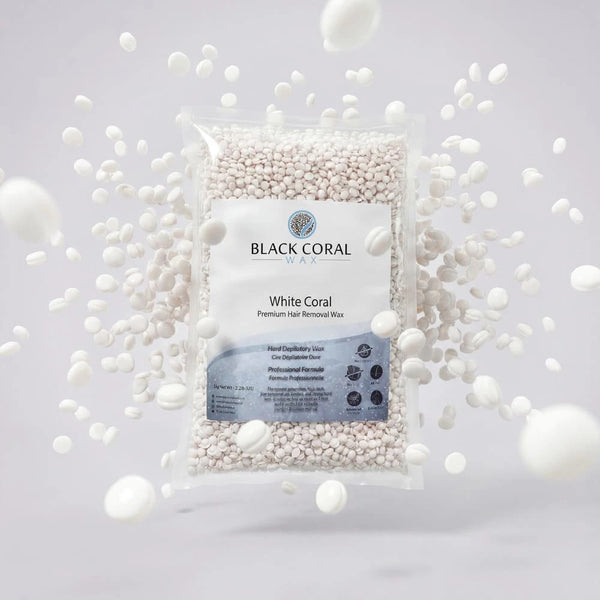
A high-quality hard wax, like the professional-grade beads from Black Coral Wax, melts at a lower temperature and stays flexible as it cools. This keeps it from getting brittle or cracking when you take it off, so you always get a clean, quick result. You can read our full guide on how to choose the best hard wax beads for every skin type for more information.
How well soft wax works
Strip wax, also called soft wax, works more like a strong glue. It goes on in a very thin layer and comes off with a cloth or muslin strip. Its best feature is that it can quickly and effectively clear large areas.
This formula sticks to both the hair and the top layer of dead skin cells, which lightly exfoliates. It works great for waxing big areas in just a few pulls, which saves a lot of time during an appointment.
Use soft wax in these situations:
-
Full Legs and Arms: You can quickly and accurately cover these big areas by spreading it thinly.
-
Back and Chest Waxing: This method works very well for getting rid of fine to medium hair on these larger, less sensitive areas.
-
Cleaning Up Fine Hairs: It does a great job of catching the fine, downy hairs on bigger body parts that hard wax might not always get.
When you buy waxing supplies for estheticians, you must have both a high-quality hard wax and a dependable soft wax. Knowing when to switch between them shows that you are an expert and care about your client's comfort.
Choosing the Right Thing for Your Client
The decision between hard and soft wax isn’t just about the body part-it’s also about the client’s specific skin and hair type. A client with very sensitive skin might benefit from hard wax even on their lower legs. Conversely, someone with very fine, stubborn hair on their back might get a cleaner finish with soft wax.
Here’s a quick guide to help you decide on the fly:
|
Feature
|
Hard Wax (Stripless)
|
Soft Wax (Strip Wax)
|
|
Best For
|
Sensitive skin, coarse hair, small areas
|
Normal skin, fine to medium hair, large areas
|
|
Key Areas
|
Face, bikini, underarms, Brazilian
|
Legs, arms, back, chest
|
|
Adhesion
|
Adheres primarily to the hair
|
Adheres to both hair and skin
|
|
Application
|
Thicker layer, a pull tab is created
|
Very thin layer, requires a removal strip
|
|
Client Comfort
|
Generally less painful, less irritation
|
Can be more irritating on sensitive skin
|
|
Efficiency
|
More precise, can be reapplied on the same spot
|
Faster for large areas, cannot be reapplied
|
The demand for high-quality waxing is strong. The global hair removal wax market is expected to hit USD 4,270 million in 2025, with North America being a significant market. This growth is fueled by clients seeking cleaner, less painful results from professionals who use innovative products-a standard Black Coral Wax is proud to set. You can read the full research about the hair removal wax market to see the trend for yourself.
Ultimately, having both types of wax in your treatment room allows you to customize every service. This flexibility is what guarantees you will achieve the best results, keep your clients happy, and build your reputation as a knowledgeable waxing expert they can trust.
Choosing the right tools and accessories for your salon
Once you've picked the right wax, it's time to put together the tools that will make your service come to life. Your tools are just as important as the wax itself because they affect how well you work, how safe your clients are, and the final result. Think of this equipment as the base for a waxing business that clients will trust and come back to, not as an expense.
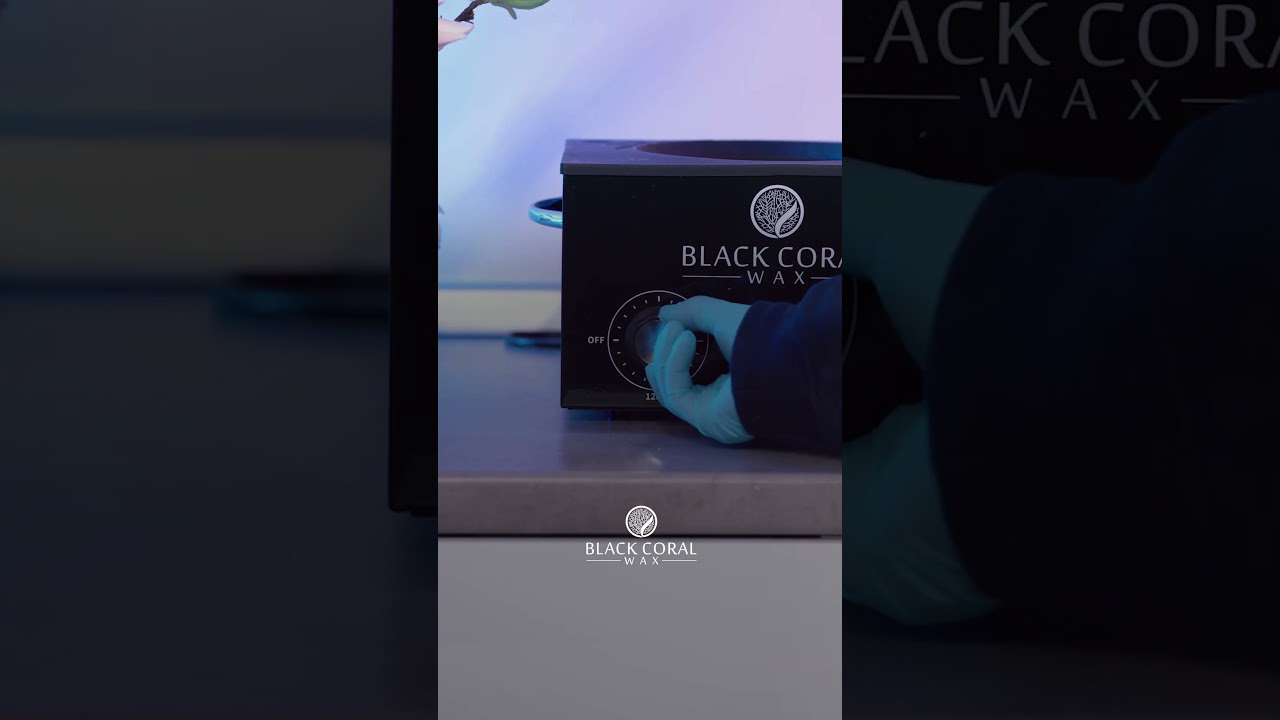
Your professional wax warmer is the most important tool in your treatment room. This is not just a pot for melting wax; it's a high-quality tool made for safety and performance.
The Professional Wax Warmer: The Most Important Tool in Your Kit
In a professional setting, a consumer-grade warmer from a store won't work. They usually don't have the exact temperature control needed to keep your wax in that perfect, workable state.
If your wax is too cool, it gets thick, drags on the skin, and doesn't hold hair well. Not only do you risk burning your client if the wax is too hot, but you also risk ruining its performance. Professional warmers are made for an esthetician's daily life and have features that make your job safer and easier.
-
This is not up for debate: an adjustable thermostat. It lets you set the exact temperature that your wax manufacturer says to use, so your hard or soft wax will always work perfectly.
-
Strong Construction: These warmers are made to last all day and have back-to-back appointments. They are made of materials that can withstand being heated and cleaned all the time without breaking down.
-
Designs that are unique: You can find warmers that fit 14- or 16-ounce soft wax cans, as well as bigger pots that can melt a lot of hard wax beads at once.
A good warmer is like a partner who doesn't talk in every service. It makes sure that the wax you use is always at the right temperature, so you have a safe, comfortable, and effective experience from start to finish.
A good warmer is worth the money because it builds trust with clients and always gives beautiful results. Our guide to making the most money with a professional wax warmer will show you how the right tools can help you make more money.
Necessary Items for a Perfect Service
The smaller, carefully chosen accessories are what really make your professional setup complete, in addition to the warmer. These things make sure that every part of the service is clean, accurate, and comfortable for your client.
These important tools should be on your list of must-have waxing supplies for estheticians.
Applicators for precise work
When it comes to waxing, one size never fits all. A good esthetician has a lot of different applicators on hand for different parts of the body.
-
Large applicators are for quickly covering big areas, like backs and legs.
-
For everyday use on places like the bikini line or underarms, medium applicators are the best choice.
-
Small or "eyebrow" applicators give you the control you need to do detailed work, like shaping brows or waxing the upper lip.
Sanitation Supplies and Strips
If soft wax is part of your service menu, high-quality removal strips are essential. Find strips of muslin or non-woven (pellon) that are strong enough to pull cleanly without tearing or leaving behind any residue.
Your cleaning supplies are just as important. This includes:
-
Gloves that can be thrown away: Always a new pair for each client. No exceptions.
-
Equipment Cleaner: You will need a special cleaner that can safely get rid of wax buildup on your warmer and other tools.
-
Treatment Table Paper: Each person gets a new, clean, and professional surface when they use a disposable paper roll.
Estheticians who are very careful with their waxing supplies are doing well in their field. By 2025, the US personal waxing and nail salon industry is expected to make $25.5 billion, which shows how much customers value professional care. People want better products, like professional-grade hard waxes that provide a strong grip with a gentle touch. This is what Black Coral Wax's formulas are known for. ibisworld.com has more information about the personal waxing business. These tools give you the power to give your clients the high-quality experience they want.
Learning how to take care of your skin before and after waxing
A great waxing service doesn't just remove hair; it also treats your skin. The time just before and just after the wax is put on and taken off is what makes a normal appointment feel like a luxury. This is where your skills and high-quality waxing supplies for estheticians really show.
Every wax is like a full skin service. It starts when you get the skin ready and ends when you give your client the aftercare advice they need. Not only does mastering this process guarantee smooth, beautiful results, but it also shows that you are a skin expert they can trust. That level of care builds trust with customers who come back time and time again.
The Most Important First Step: Getting Your Skin Ready for Wax
Before you even dip your applicator, you can tell if a great wax will work. Getting your skin ready is the most important step, not an extra step. It makes sure the wax works as well as possible while keeping the client's skin safe and comfortable.
The main goal is to make the wax a clean, perfect surface. To do this, you need to do two things: first, wash the skin to get rid of any lotion, sweat, or oil, and then put a thin barrier between the skin and the wax.
A professional pre-wax routine always has:
-
A Deep Clean: Use a mild, antiseptic cleanser made for use before waxing. For hygiene reasons, this step is not optional. It gets rid of bacteria and dirt on the surface, which lowers the chance of breakouts or irritation after the service by a lot.
-
A Barrier of Protection: Put on a very thin layer of pre-wax oil or powder after the skin is clean and dry. This is very important when you use hard wax. The oil makes a barrier so the wax sticks to the hair instead of the skin, which makes the pull much more comfortable for your client.
If you do these two things right, your wax will always be cleaner and more pleasant.
The Art of Post-Wax Care: Soothing and Protecting
The skin is weak after the hair is gone. Your post-wax routine is your chance to calm, soothe, and protect your skin so that problems like redness, bumps, and irritation don't happen. This part of the service is just as important as the removal itself.
First, get rid of any wax that is still sticky. This is exactly what a good post-wax oil is made for. It gets rid of any leftover wax without having to rub it hard, which would only make freshly waxed skin worse.
As a professional who cares about skin, a well-thought-out post-wax treatment is your trademark. It's the last touch that makes your client feel better and lets them know that their health is your top priority.
Now that the residue is gone, the focus is on calming. Use a calming lotion or gel with gentle, healing ingredients.
Look for things that contain:
-
Aloe Vera: A classic for a good reason. It works great to cool down the skin and lessen inflammation.
-
Chamomile is another powerful herb that can help calm redness and irritation.
-
Tea Tree Oil: Has natural antiseptic properties that help keep pores clean and stop breakouts.
If you want to learn more about how to choose the best post-wax products, check out our guide on the best after-wax care products.
Lastly, the most important thing to do after waxing is to teach your client. For the next 24 to 48 hours, don't take hot baths, go to saunas, work out hard, or wear tight clothes. This advice helps them avoid bumps and ingrown hairs, which makes their smooth results last longer and makes you look like the expert they can trust.
Taking care of your salon's inventory and buying things
Let's talk about the business side of your practice, which is just as important as having the perfect brow shape: your supply closet. A good plan for buying and keeping track of your inventory is what keeps your salon open and your days running smoothly.
It's a balance. It's a nightmare to run out of your favorite hard wax while a client is on the table, but so is seeing expired products that you paid too much for. It's not enough to just count jars to manage your inventory well. You also need to turn your supply closet from a source of stress into a tool for success.
The Strategic Benefit of Buying in Bulk
If you care about your job, buying supplies at full price is not a good idea. One of the best things you can do for your business is to work with a professional wholesale supplier like Black Coral Wax. That's how you make your practice profitable and steady.
Buying in bulk has a direct and immediate effect on your profits.
-
Big savings on costs: This is the most clear benefit. You pay a lot less for each jar of wax or bottle of pre-care when you buy in bulk. That lower cost per service increases your profit margin, which gives you more money to put back into your business.
-
Guaranteed Product Consistency: When you work with a trustworthy supplier, you can be sure that every order will be the same. Your wax will always melt, spread, and work the same way. You won't have to worry about bad batches or surprises anymore; your clients will always get beautiful results.
-
Less hassle and lower shipping costs: Ordering bigger, less frequent orders saves you time and money. You will pay less for shipping and spend less time tracking packages from different sellers.
Think of buying in bulk as making a connection. When you find a brand that knows what professionals need, you're not just getting wax. You're getting a dependable partner who will help your business grow.
Now you can stop worrying about supplies and focus on what you do best: giving your clients great waxing services.
How to Forecast Your Purchasing Needs
The secret to smart ordering is knowing exactly how much product you use. Forecasting prevents over-ordering or, worse, running out. The best way to do this is to determine your average use per service.
Start by tracking everything for a week or two. Measure it. See how many grams of hard wax you use for a typical Brazilian or how many strips go into a full leg wax. This isn't guesswork; it's using data to make smart business decisions.
Calculating Your Usage:
-
Track Usage Per Service: For a couple of weeks, record how much product (e.g., grams of wax, number of applicators) you use for each service you offer.
-
Calculate Service Averages: Find the average amount of each supply needed for a Brazilian, a leg wax, a brow shape, and so on.
-
Review Your Bookings: Look at your calendar for the upcoming month and count how many of each service you have scheduled.
-
Estimate Your Order: Multiply your upcoming appointments by your average usage numbers. Then, add a small cushion-about 15-20% extra-to cover last-minute bookings or new clients.
That’s it. This simple calculation turns ordering from a stressful guessing game into a strategic business move. You'll have exactly what you need, right when you need it, keeping your cash flow healthy and your supply closet perfectly stocked.
Elevating Your Craft with the Right Supplies
The supplies you choose are more than just tools-they are a statement about your professional standards and commitment to client care. We've covered the essentials: choosing the right wax, sourcing reliable equipment, and establishing a solid pre- and post-care routine. These are the building blocks for a service that truly stands out.
When you use high-quality, dependable products, it’s not just about achieving a better result. It’s about building the trust and loyalty that keep clients returning. They can feel your commitment to quality in their comfort on the table and see it in their flawless results.
From Service To Experience
As you advance in your career, consider how the right supplies can turn a simple service into a memorable experience. A smooth-running salon, for example, depends on smart inventory management. Whether you're repackaging bulk products or creating your own line of pre- and post-waxing care, using custom product labels adds a professional touch and keeps everything organized.
Remember that every detail, from the temperature of your wax to the soothing lotion you apply, contributes to the client’s overall perception of your business. Your choice in waxing supplies for estheticians is your signature.
This focus on excellence not only makes clients happy; it gives your team the confidence to perform their best work. To continue building on that, you might find our article on how to train your staff for perfect waxing results every time helpful.
By consistently choosing professional-grade supplies, you aren't just buying products. You are investing in your reputation, your clients' happiness, and the long-term health of your business.
Frequently Asked Questions About Waxing Supplies
As you build your esthetics business, questions about your tools are natural. Here are some of the most common questions we hear from professionals, with straightforward answers to help you choose your supplies with confidence.
What Is the Best Type of Wax for Clients with Very Sensitive Skin?
For clients with sensitive or reactive skin, a high-quality, hypoallergenic hard wax is almost always the best choice. Unlike soft wax, hard wax is designed to "shrink-wrap" around the hair, not adhere to the skin. This fundamental difference means significantly less irritation, redness, and discomfort for your client.
When selecting a hard wax for this purpose, look for one with a low melting point that remains flexible as it cools. This prevents the wax from becoming brittle, which allows for a much gentler removal-a detail your sensitive-skinned clients will appreciate. Always perform a small patch test and prep the skin with a pre-wax oil to create an extra protective barrier.
How Do I Know What Temperature My Wax Warmer Should Be?
The correct temperature always depends on the specific wax you are using. This is why a professional warmer with a precise, adjustable temperature dial is a non-negotiable tool for your treatment room. Most hard waxes perform best when heated to the consistency of thick, warm honey.
This ideal consistency is typically achieved between 130-160°F (55-70°C), but you must read the manufacturer’s instructions for every product you use. If the wax is thin or runny, it is too hot and poses a serious burn risk. Before it ever touches a client, always test the temperature on the inside of your own wrist to ensure it's safe.
Can I Save Money by Buying Non-Professional Waxing Supplies?
It may be tempting to purchase cheaper, non-professional supplies, but this approach almost always backfires. Consumer-grade waxes are known for having inconsistent formulas that lead to poor hair removal, hair breakage, and more pain for your client. That kind of experience can quickly damage your professional reputation.
Investing in professional-grade waxing supplies for estheticians isn't just an expense-it’s a promise to your clients. It guarantees consistent, safe performance and the kind of exceptional results that build a loyal following and a thriving business.
Lower-quality warmers are another significant problem. They often lack accurate temperature controls, which creates a major safety hazard in your treatment room.
What Are the Most Essential Post-Wax Care Instructions for Clients?
Educating your clients on how to care for their skin afterward is one of the best ways to prevent common issues like irritation and ingrown hairs. Keep your instructions clear and simple.
Advise clients to avoid the following for at least 24-48 hours:
-
Hot baths, saunas, steam rooms, and jacuzzis.
-
Strenuous workouts or any activity that causes excessive sweating.
-
Tight clothing that rubs against the freshly waxed skin.
-
Sun exposure or tanning beds, as the skin is extra vulnerable to burning.
You should also recommend they begin gentle exfoliation 2-3 days after their appointment and continue a few times a week. Suggest a specialized product, like a post-wax soothing oil, to calm the skin and help prevent ingrowns. Finally, remind them that shaving between appointments disrupts the hair growth cycle and will make their next wax less effective.
At Black Coral Wax, our mission is to provide estheticians with the highest quality supplies to help them perfect their craft. Explore our complete collections of professional waxes and pre- and post-care products to build a toolkit that delivers incredible results and keeps clients returning.
Discover premium waxing supplies at Black Coral Wax.