Why Rashes Happen After Waxing: What You Need to Know
When hair is pulled out from the root, it causes a small, controlled injury to the skin. This action breaks the hair follicle and the skin's natural barrier, which causes an immediate inflammatory response. The body sends healing cells to the area, which causes the redness, swelling, and bumps that are often seen after waxing.
Knowing the why is the first step for estheticians and knowledgeable home users to confidently stop and treat these reactions. It's important to remember that this reaction doesn't always mean that the product or technique is wrong. A lot of the time, it's just the body's normal way of working.
What Causes Rashes After Waxing
Most post-wax reactions are caused by a few important things. Recognizing them is important for making sure that every client has a safer and more comfortable experience.
-
Histamine Reactions: These appear as small, itchy, hive-like bumps almost immediately after waxing. It’s the body’s classic "allergic-style" response to the physical act of hair removal. The good news is that it typically subsides within a few hours. We have a detailed guide on how to manage a histamine reaction after waxing for further reading.
-
Folliculitis: If you notice small, pimple-like pustules appearing 1-3 days after the service, you are likely dealing with folliculitis. This occurs when bacteria-often the common Staphylococcus aureus-enter the freshly opened hair follicles, causing a minor infection.
-
Irritant Contact Dermatitis: This is the most straightforward reaction. It presents as general redness and sensitivity resulting from the combination of the wax's temperature and the physical pulling action.
While these reactions can seem concerning, they are quite normal. In fact, a major U.S. study found that rashes are a common side effect of hair removal, accounting for approximately 12.2% of all reported injuries from pubic hair grooming.
Interestingly, that same study revealed that professional waxing actually lowered the odds of injury for women compared to shaving. This shows how important it is to follow professional rules and use the right techniques to keep clients safe and happy.
Finding Different Reactions of Skin After Waxing
A good esthetician can tell the difference between different rashes after waxing, which makes them great. This skill is important for being able to respond with confidence, calming the client's skin, and giving them the right aftercare advice.
There are three main types of reactions that happen in the treatment room. Knowing their specific signs and timelines will help you make smart, professional decisions right away, so that every client feels cared for and safe when they leave.
Contact Dermatitis from Irritants
This is the most common reaction you'll see, and it's not a big deal. Irritant contact dermatitis is not an allergy; it's just how the skin reacts right away when it gets waxed.
It's like a very mild sunburn. The warm wax and the pulling force used to remove hair together cause temporary swelling. This is a completely normal reaction.
-
Looks: Blotchy, red all over with some swelling in the waxed area. You might feel a little warmth on the skin.
-
The main symptom is a mild stinging or sensitive feeling, but not usually an itchy one.
-
Common Onset: Right away, either during the service or right after. It usually goes away on its own in a few hours to a day.
Histamine Response
A histamine reaction may feel stronger, but it is a very common and short-lived side effect. When hair is pulled out of the follicle, the body sometimes thinks of it as a small "trauma" and releases histamines to protect the area.
This is the same thing that happens when an insect bites you. The body is not allergic to the wax itself; it is reacting to the process of removing hair.
A histamine reaction looks like small, itchy, red or white bumps that look like hives or a rash that comes on suddenly. These bumps usually show up within minutes to an hour after waxing and are very itchy.
Because this is a natural physiological response, it can occur even with the best technique and highest-quality wax. Fortunately, it typically disappears as quickly as it appeared, often fading within a few hours.
Bacterial Folliculitis
The most persistent and potentially problematic reaction is bacterial folliculitis. This develops when bacteria, usually Staphylococcus aureus that resides on the skin, enters the open hair follicles and causes a small infection.
Imagine each freshly waxed follicle as a tiny open doorway. Without proper hygiene and aftercare, bacteria can enter and cause issues. Unlike the other reactions, this one does not appear immediately.
Folliculitis is particularly prevalent following hair removal. Studies have shown that there is a direct link between hair removal and folliculitis, especially in places where there is a lot of friction. A study of professional athletes who regularly wax or shave found that 84.1% of them had folliculitis, which shows how common this itchy, bumpy rash can be.
-
Appearance: Small, red bumps that often have a tiny white or yellow pus-filled head, like a small acne breakout.
-
The bumps can be itchy, sore, or even a little painful.
-
Typical Onset: It usually happens one to three days after the appointment, when the bacteria have had time to grow.
It's important to know the signs of folliculitis so you can teach your clients how to avoid it with the right aftercare.
This quick reference table will help you tell these common reactions apart at a glance.
Quick Guide to Identifying Post-Wax Rashes
|
Rash Type
|
Appearance
|
Primary Symptom
|
Typical Onset
|
|
Irritant Dermatitis
|
Blotchy, general redness; mild swelling
|
Mild stinging or tenderness; warm skin
|
Immediate (during or right after service)
|
|
Histamine Reaction
|
Small, hive-like bumps (red or white)
|
Intense itching
|
Quick (minutes to an hour after service)
|
|
Bacterial Folliculitis
|
Pimple-like pustules with whiteheads
|
Itchy, tender, or slightly painful bumps
|
Delayed (1 to 3 days after service)
|
This table is a good place to start. If you remember these important differences, you'll be able to quickly figure out what's going on and give your client's skin the best care and advice possible.
Your Professional Prevention Guide
The best way to deal with rashes after waxing is to stop them from happening in the first place. This means that beauty professionals need to change their focus from just removing hair to putting skin first. A proactive approach not only gets results that are perfectly smooth, but it also builds deep trust with clients and makes your services seem high-end and focused on safety.
Prevention is a process that takes many steps and starts long before the wax touches your skin and ends with your last post-care advice. You can greatly lower the risk of irritation, folliculitis, and other common bumps after waxing by learning important details like your client's history and how to apply the wax.
Learn how to do a pre-wax consultation
Your first line of defense is a thorough consultation with the client. This isn't just paperwork; it's a very important fact-finding mission to find possible contraindications that could cause bad skin reactions. A professional intake form should always ask about:
-
Medications for the skin and mouth: Find out if your clients are using any products that contain retinoids (like Retin-A), alpha-hydroxy acids (AHAs), or beta-hydroxy acids (BHAs). These ingredients speed up the turnover of skin cells, which makes the skin too thin for waxing and raises the risk of lifting.
-
Recent Treatments for Skin: Always look for recent chemical peels, microdermabrasion, or laser treatments. Skin that has been through a lot of work needs time to heal before it can be safely waxed.
-
Allergies and Sensitivities: Write down any allergies you have or if you have a history of having very sensitive skin. This information is very important for choosing the right wax and aftercare items.
This conversation sets a professional tone right away, showing that you care about the client's safety and health.
Get your skin ready perfectly
Once you've gotten the client ready for waxing, the next step is to carefully prepare their skin. The right preparation makes sure that the wax only sticks to the hair and not the skin. It also makes the surface clean, which lowers the risk of bacterial infection.
Every service should include a skin prep protocol that includes these important steps:
-
Thoroughly Clean: Always start by cleaning the area with a pre-wax cleaner that is made for professionals. This is important for getting rid of oils, sweat, makeup, and bacteria that can get stuck in open follicles and cause breakouts or folliculitis.
-
Put on a protective barrier: If you have sensitive skin, use a light coat of pre-wax oil or powder after the cleanser. This makes a very thin barrier that lets the wax hold onto the hair tightly while keeping it from sticking to the skin. This makes the pain and irritation much less.
This two-step preparation is what makes a clean, comfortable wax. This is a simple but effective way to stop the two most common causes of rashes after waxing: bacterial infection and too much skin damage.
Pick the Right Product and Get Your Technique Just Right
The last two pieces of the prevention puzzle are the type of wax you choose and how you apply it. It's not a luxury to use high-quality, professional products that are made for certain skin and hair types; it's necessary to get the best results.
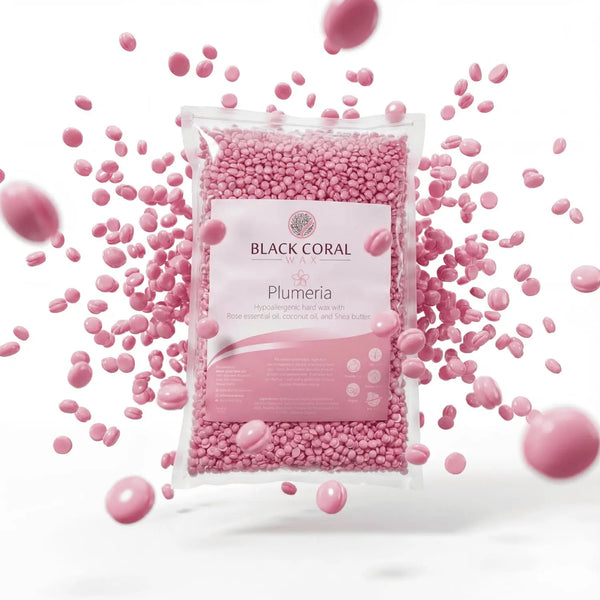
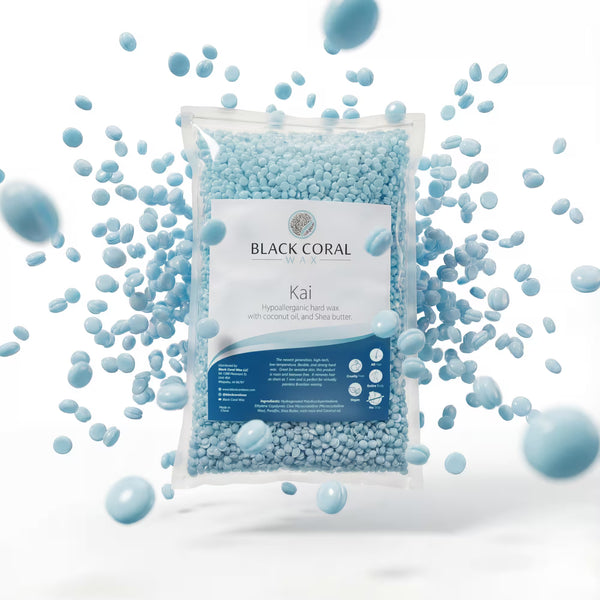
A high-quality, low-temperature hard wax is the best choice for sensitive areas like the bikini line, underarms, or face. It is made to be gentle and wrap around the hair itself, not the skin. This greatly lowers the pulling force on the skin and reduces inflammation.
Technique is just as important. If you don't use the right wax, it can still irritate your skin. To be a good professional, you need to know how to do these two things:
-
Keep the skin tight: Before pulling the wax strip, always use your free hand to stretch the skin tightly. This makes the surface stable, makes it easier to remove hair from the follicle, and greatly reduces the painful "snap-back" that hurts the skin.
-
Pulling Parallel to the Skin: Don't pull the wax strip straight up and away from the body. Instead, pull it back quickly and close to the skin, along the surface. This motion gets rid of hair more effectively and puts less stress on the follicle, which lowers the risk of hair breakage and future ingrowns.
You can stop post-wax reactions by doing a full consultation, careful preparation, using high-quality products, and perfecting your technique. You might want to check out our guide on the most common waxing mistakes and how to avoid them to improve your skills even more.
Immediate Soothing and First Aid Steps
Some clients will still get rashes after waxing, even if the technique is perfect. This is especially true for people with sensitive skin. When something goes wrong, your first, professional response is the most important thing. Acting quickly not only calms the skin but also gives your client peace of mind, which builds their trust in your skills.
Your salon's first-aid plan should be a confident, safety-first set of rules that works right away. This quick care sets the stage for a quick recovery and a loyal customer.
Calming Techniques in the Salon
As soon as you see any redness, bumps, or irritation, you need to step in. Your job is to calm the skin and reduce inflammation before your client gets off the treatment bed.
-
Put on a cold compress: Putting a cool, clean compress on the area is one of the best things you can do right away. The cold makes blood vessels smaller, which makes redness and swelling go down right away. This simple step makes you feel better right away and helps stop the inflammatory response.
-
Use a Professional Soother After Waxing: After the cold compress, use a good calming product for after waxing. Pick a lotion or oil that has ingredients that are known to reduce inflammation and not cause acne. Chamomile, aloe vera, and tea tree oil are all great botanicals for calming irritation without blocking newly opened pores.
It's very important what you use after waxing. It shouldn't have heavy oils, synthetic fragrances, or dyes that could make sensitive skin worse after waxing. The best way to help your body heal is to use a professional, lightweight formula.
Important Care at Home for the First 24-48 Hours
The care a client gives their skin at home in the first few days is just as important as the care they get in the salon. Giving them clear, simple instructions gives them the power to avoid more irritation and get the best possible result. This advice also shows that you know a lot about your field, which strengthens your role as an expert beyond the service itself.
Tell your clients to follow these important rules for the first 24 to 48 hours after their wax:
-
Put on clothes that are loose and breathable: Tight clothes, especially those made of synthetic materials like polyester or spandex, trap heat and moisture and cause friction. This is a common cause of folliculitis. Suggest fabrics that are loose and natural, like cotton, so that the skin can breathe.
-
Stay Away from Places Where Heat and Bacteria Are Common: Tell clients not to take hot baths, go to saunas, hot tubs, or swimming pools. Heat can make inflammation worse, and the bacteria that live in pools and hot tubs can easily get into open follicles and cause an infection.
-
Don't do hard workouts right now. When you sweat, bacteria can get into weak follicles. Advise clients not to do any hard exercise for a day or two. This keeps the area clean, dry, and free of friction, which can make rashes worse after waxing.
Giving your clients a clear, two-part plan for immediate in-salon care and detailed at-home care makes you look like a real skin expert. This confident, reassuring way of doing things turns a possible bad thing into a chance to show off your professional skills.
Making more advanced aftercare routines
What happens after the client leaves your salon is very important for the long-term health of their skin. To calm down redness right away, you need to do something right away. But to keep rashes from coming back after waxing, folliculitis, and stubborn ingrown hairs, you need to stick to a regular aftercare routine.
When you change the subject from first aid to proactive care, you give your clients more power and show that you know what you're talking about. This is how you make sure they get results that are smooth and last a long time, and that their skin stays healthy and strong between appointments.
The 48-Hour Waiting Period Is Very Important
Being patient is the first rule of good aftercare. It takes the skin about 48 to 72 hours to fully heal after waxing. At this point, the follicles are closing and the inflammation is going down.
If a client starts to scrub their skin too hard or use harsh products too soon, they can slow down the healing process and make things worse. Before moving on to the next step, remind them to follow the basic first-aid steps: wear loose clothing, avoid intense heat and sweat, and keep the area clean.
Introducing Gentle Exfoliation
After the first healing window has closed, gentle exfoliation is the most important thing you can do to keep ingrown hairs from happening. When dead skin cells build up on the surface, they can form a barrier that keeps new, softer hairs from growing back. This is one of the main reasons why bumps and irritation can last for weeks after waxing.
-
When to Start: Tell clients to start exfoliating 2 to 3 times a week, but only after waiting 48 to 72 hours after their appointment.
-
What You Should Use: Suggest a gentle physical exfoliant, like a soft brush or a mild scrub, or a chemical exfoliant that contains salicylic or glycolic acid. These work because they break down the bonds that hold dead skin cells together without being too harsh.
A good exfoliation routine clears the way for new hair to grow, which greatly lowers the chance of getting ingrown hairs.
The Importance of Daily Hydration
Well-moisturized skin is supple, flexible, and far less prone to irritation. Daily moisturizing is a non-negotiable step in any serious aftercare routine.
Hydrated skin allows new hairs to break through the surface more easily, which is another effective way to prevent ingrowns. Advise clients to apply a lightweight, non-comedogenic moisturizer daily. This keeps the skin's protective barrier strong and healthy. For long-term skin health, learning how to repair a damaged skin barrier can significantly improve your skin's resilience post-wax.
Using Targeted Treatments for Prevention
For clients who are particularly prone to ingrown hairs or folliculitis, a targeted treatment product can be an excellent addition to their routine. This is an ideal opportunity to recommend professional retail products that extend your in-salon expertise into their homes.
When you explain how specialized ingredients work, you're not just selling a product-you're reinforcing your knowledge and providing clients with a tangible tool to maintain their results. This supports their skin health and builds immense trust in your professional recommendations. A 2007 study highlighted how the micro-tears from waxing can become entry points for bacteria, underscoring how critical vigilant hygiene and aftercare are for preventing complications.
Knowing When to Refer to a Medical Professional
As an esthetician, your expertise in skin is extensive, but true professionalism includes recognizing the boundaries of your practice. Most rashes after waxing are minor and resolve on their own, but some situations require a medical evaluation. Identifying these red flags is crucial for your client's health and the integrity of your business.
Remember, your role is to provide expert waxing and aftercare advice, not to diagnose medical conditions. Recommending a doctor's visit is not a sign of failure-it is the highest form of client care, reinforcing your commitment to their total well-being.
Clear Red Flags for Medical Referral
Certain symptoms extend beyond typical post-wax irritation and may signal a more serious issue, such as a severe or spreading infection. If a client reports any of the following, it is essential to advise them to seek medical attention.
These warning signs include:
-
Systemic Symptoms: A fever or chills accompanying a rash is a major red flag, indicating a significant infection that requires medical treatment.
-
Intense or Spreading Pain: While some tenderness is normal, severe, throbbing, or spreading pain is not. This could indicate a deeper infection like cellulitis.
-
Worsening Rash: A rash that worsens, spreads, or becomes more inflamed after 2-3 days of proper aftercare is a clear sign it is not a simple reaction.
-
Large, Painful Boils (Furuncles): The appearance of large, hard, painful lumps under the skin may indicate a more severe staph infection that needs to be drained by a doctor.
-
Signs of an Allergic Reaction: Difficulty breathing, swelling of the face or throat, or hives spreading rapidly across the body are signs of a serious allergic reaction (anaphylaxis) requiring immediate emergency care.
For persistent or severe rashes, it's important to know when to see a dermatologist for skin concerns.
How to Professionally Guide Your Client
When you need to make this recommendation, your tone should be calm, confident, and reassuring-never alarming. Your goal is to empower your client, not frighten them.
Pro Tip: Frame the referral as a partnership in their well-being. You might say, "As a skin expert, I'm here to support you, but these symptoms are outside my scope of practice. The best next step is to have a physician take a look to ensure you get the right treatment. Your health and safety are my top priority."
This approach builds profound trust and solidifies your reputation as an ethical, knowledgeable professional who places client safety above all else.
Frequently Asked Questions About Waxing Rashes
Even with perfect technique and premium products, questions about rashes after waxing are inevitable. This quick guide provides clear, professional answers to the most common concerns, allowing you to guide clients with complete confidence.
How Long Does a Normal Post-Wax Rash Last?
A normal rash, which has mild redness and small bumps, should get a lot better in 24 to 48 hours. This is how the skin normally reacts to hair removal for a short time.
If the rash lasts longer, hurts more, or small bumps filled with pus show up a day or two later, it is probably not just irritation. These are typical signs of folliculitis, which needs special care to go away.
Is it possible to get a rash even with high-quality professional wax?
Yes, it is possible. This is especially true for people who are getting their first treatment or who have very sensitive skin. Sometimes, what looks like a rash is really a histamine reaction, which is the body's natural way of protecting itself from the "trauma" of hair removal. It usually shows up as small, itchy bumps that look like hives and go away quickly.
This doesn't mean the wax is bad or the technique is bad; it's just how some bodies react.
Using a professional-grade, low-temperature hard wax is one of the best ways to lower this risk. It grips the hair instead of the skin, which greatly lowers the amount of skin trauma that causes rashes that are caused by irritation.
Is it okay to wax over skin that is already irritated?
No. Never put wax on skin that is already damaged or inflamed. Waxing over a rash, bumps, or any other irritation will only make it worse, hurt more, and put your skin at risk of serious damage.
There are a number of risks when you wax skin that is already damaged:
-
Skin Lifting: If the skin is already weak, the top layer of the epidermis can be easily ripped off.
-
More Inflammation: The heat and pulling will only make the redness and swelling worse.
-
Risk of Infection: Waxing over broken or irritated skin makes it easy for bacteria to get in, which could turn a small problem into a big infection.
Always wait until the skin is completely calm and healed before the next appointment. This is a non-negotiable aspect of safe and healthy skin care.
At Black Coral Wax, we believe expert knowledge is what separates a good wax from a great one. Equip your salon with professional-grade products designed for even the most sensitive skin and deliver flawlessly smooth results every time.
Explore Our Premium Wax Collections