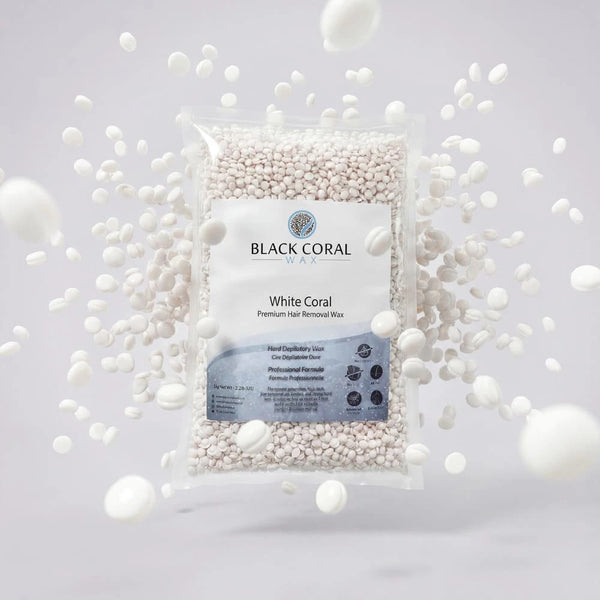
A perfectly done waxing service starts with a well-organized station. Your hard wax kit is like your professional command center. It's a carefully chosen set of all the tools you need to do a safe, quick, and comfortable job. This setup is what makes a professional treatment different from a simple one done at home, and it's what makes the results perfectly smooth.
FREE COURSE
Turn Your Passion for Beauty Into a $75K+ Waxing Business
Course succesfuly sent. 🎉 Please go to your inbox to recieve it.
How to Set Up Your Professional Waxing Station
Unpacking the supplies in a new hard wax kit is more than just that; it's the first step in creating a professional experience. It's very important to have a clean, organized setup. It makes your work easier, keeps things clean, and gives your client immediate confidence.
It is clear that the industry is moving toward more use of professional-grade kits. In 2023, the global waxing kit market was worth about $1.2 billion. By 2032, it is expected to be worth $2.1 billion. More than 10,000 estheticians in North America trust brands like Black Coral Wax for consistent, skin-friendly results. North America makes up more than 32% of this market. A detailed report on the global waxing kit market gives more information for those who are interested in the data.
Making Your Workspace
First, pick a flat, stable surface just for your waxing service. A rolling utility cart is an essential tool for professionals because it keeps everything organized and easy to move. To keep your wax warmer from accidentally dripping, make sure the surface can handle heat.
Your top priorities are cleanliness and ease of access. Put your tools in the order you plan to use them to make a natural and efficient flow. A clean station makes it less likely that you'll fumble, which helps your client feel safe and relaxed in your skills.
A brief overview of the essential components in your kit and their functions.
Your Hard Wax Kit Components at a Glance
Component
Primary Function
Pro Tip
Professional Warmer
Melts wax beads to a perfect, consistent temperature.
Begin pre-heating while you prep the client's skin so it is ready when you are.
Black Coral Wax Beads
The heart of the service; adheres to hair, not skin.
Select the formula based on the body area and hair type for optimal grip and gentle removal.
Pre-Wax Cleanser
Removes oils and impurities, allowing the wax to grip hair effectively.
A clean canvas is non-negotiable for an effective wax. This step is essential.
Applicators (Spatulas)
For applying wax cleanly and precisely.
Use various sizes: large for legs and back, small for brows and upper lip. Never double-dip.
Post-Wax Oil/Soother
Calms skin, removes wax residue, and helps prevent irritation.
A quality oil like our ili Oil significantly enhances client comfort and reduces post-wax redness.
Disposable Gloves
A must for hygiene, protecting both you and the client.
Change them between clients and even during a service if they become too sticky.
This table helps you see how your work flows, which makes the setup process quick and easy to understand.
Taking the parts of your hard wax kit out of the box
Get to know each item as you unpack it. The most important part of the kit is the warmer, which heats the wax evenly. Inside, the wax melts in a pot that can be taken out. Learn how to use the temperature dial, because this control is the key to getting the wax to the perfect, honey-like consistency.
Don't forget about the solutions for before and after waxing. The cleanser is very important because it keeps the wax from sticking to the skin. A good post-wax oil will calm, moisturize, and make the whole experience better for your client.
Last but not least, think about how long your equipment will last. It's a good business practice to keep things in good shape, especially your heater. Read our article on how to clean a wax warmer the right way for a full guide. It will help your tools stay in great shape for a long time.
Getting the wax to the right consistency
Not only is applying wax an art, but so is getting the texture just right before it touches the skin. Your hard wax kit warmer is your most useful tool here because it controls the temperature that affects how the wax behaves. The key to providing a comfortable and effective service that keeps clients coming back is to master this.
The formula for Black Coral Wax beads is low-temperature, which means they will melt at a lower heat setting. This is a huge improvement for client comfort and cuts the risk of burns by a lot. When the wax is at the right temperature, it turns into a soft, honey-like liquid that slides on the skin easily.
Think of your warmer’s dial less as a heat control and more as a consistency control. Most professional warmers offer a range, typically with low, medium, and high settings or a numbered dial. For our low-temp beads, you will rarely need the highest setting after the initial meltdown.
To begin, set the warmer to a medium-high temperature to melt the beads. Once the wax is fully liquid, turn the dial down to a lower holding temperature. This is the setting you will maintain throughout the service to keep the wax at a perfect working consistency.
The goal is a consistency similar to thick, warm honey. If it’s thin and watery, it is too hot. If it is clumpy and difficult to stir, it is too cool.
Achieving the Ideal Texture
The perfect texture allows the wax to create a strong yet flexible strip. It must be fluid enough to spread smoothly over the skin in a clean layer, yet thick enough to avoid dripping.
Before your first client, always perform a temperature check. Dip your applicator into the pot, scoop a small amount, and observe it drizzling back in. Pay attention to the flow. Then, apply a small test patch to the inside of your own wrist to feel the heat. It should feel comfortably warm, never hot.
Even seasoned professionals encounter consistency issues. Here is a quick guide to identifying and fixing them:
Wax is Too Stringy or Runny: This is a clear sign your wax is overheated. Turn your warmer down immediately and allow it to cool for a few minutes. Stirring helps distribute heat and cools it faster. Applying wax that is too hot is a safety risk and difficult to control.
Wax is Too Thick and Drags: If the wax feels like spreading cold peanut butter and drags on the skin, it is too cool. Increase the temperature slightly and allow it a few minutes to warm up. Stir it occasionally until it returns to a smooth, honey-like state.
If the wax was applied too thinly or cooled too much before it was taken off, it can become brittle on the skin. Make sure that the layer you apply is about as thick as a nickel. You might have to work in smaller sections to remove strips while they are still soft if you are working in a cool room.
How to professionally apply and remove things
This is where your talent really shows. When your wax reaches that perfect honey-like texture, it's time to focus on prep and application. A professional hard wax kit has all the right tools, but the way you use them makes a good wax into a great one.
Hard wax works very well because it is made to stick to hair and not skin. This special quality has made it a popular choice in the hair removal business because it lowers the risk of irritation by up to 50% in sensitive areas compared to regular strip waxes. This skin-friendly approach is why it made the most money in 2022, especially as professionals start using low-pain methods for sensitive services. To understand this change in the industry, you can look at the research on hair removal trends.
Preparing the Skin for Waxing
Proper skin preparation is non-negotiable. This step ensures the wax performs correctly by creating a clean, dry canvas that allows the wax to grip every hair while protecting the skin.
Begin by cleansing the area with a professional pre-wax cleanser. This removes surface oils, sweat, or lotion that could interfere with adhesion. Apply it with a cotton pad against the direction of hair growth to lift the hairs, then pat the skin completely dry.
For extra-sensitive areas like the bikini line, underarms, or face, a pre-wax oil is an invaluable asset. Apply a very thin layer-just enough to create a slight sheen without making the skin slippery. This small step allows the wax to shrink-wrap around the hair without sticking to delicate skin.
How to Use Art
Putting on wax is a fluid motion that needs both confidence and control. The "scoop, swirl, and spread" method makes it easy for professionals to load their applicator and lay down a perfect strip every time.
Scoop: Put your applicator in the wax pot and get a lot of it.
Swirl: While you take off the applicator, swirl it against the edge of the pot. This stops the wax from dripping and cools it down a little before it touches the skin.
Spread: Put the wax on with firm, even pressure, and always move in the direction of hair growth. This pressure is important because it makes the wax cover each hair from the root.
Aim for a strip that is approximately the thickness of a nickel. If it is too thin, it may crack and break upon removal. If it is too thick, you waste product and increase setting time.
The single most important part of the application is creating a clean "lip" or "tab" at the end of the strip. This slightly thicker edge provides a solid grip for a quick, clean removal.
Timing and Removal
Knowing precisely when to remove the strip is a skill that develops with practice. The ideal moment is when the wax has set but is still pliable-it should not feel tacky, but it should not be brittle either.
To check, lightly tap the strip. It is ready if it feels firm and doesn't stick to your glove.
With one hand, hold the skin tight and with the other, grab the lip and pull. The motion should be quick and parallel to the skin, going against the way the hair grows. A quick, straight pull makes it less painful and stops hair from breaking. Don't pull straight up, as this can cause bruising or lift the skin.
Our guide on how to properly use hard wax has more tips and pictures to help you get your form just right. Getting good at this process is what gives your clients the smooth, calm skin they want.
Important Aftercare for Long-Lasting Smoothness
The waxing service doesn't stop when the last strip is pulled off. The things you do right after and in the days that follow are just as important for getting the perfect, long-lasting smoothness that comes with a professional treatment.
There are two parts to post-wax care: soothing right away and keeping up with it over time. Both are necessary to soothe the skin, reduce redness, and stop common problems like bumps and ingrown hairs. If you're using a hard wax kit, you have to learn this part of the process.
Protocol for Right After Waxing
The skin is most sensitive right after waxing. The hair follicles are open, and the area may feel warm or look red. This is when you should give gentle, targeted care to calm and protect.
The first thing you should do is get rid of any sticky wax. This is what a good post-wax oil, like our ili Oil, is made for. It gets rid of leftover wax without harsh rubbing and puts calming ingredients right on the skin.
Use soft, sweeping motions to put on the oil. Don't rub too hard, as this will only make sensitive skin worse. The goal is to make the skin feel calm, clean, and comfortable.
For clients with extra-sensitive skin or after a more intensive service like a Brazilian, a cool compress can provide significant relief. The cool temperature helps constrict blood vessels, which quickly reduces redness and inflammation.
The 24-48 hours following a wax are the most critical. During this window, the skin is vulnerable. Proper aftercare is not just about comfort-it is about protecting the skin from irritation and bacteria as it recovers.
Effective aftercare also supports your skin's overall health. If a waxing session leaves skin feeling stressed, knowing how to repair a damaged skin barrier can accelerate recovery and prevent further irritation.
Long-Term Care and Ingrown Hair Prevention
Once the initial sensitivity subsides, the focus shifts to maintaining results and-most importantly-preventing ingrown hairs. This is a significant concern for professionals and clients alike. Preventing ingrowns, which can affect up to 25% of people who wax, is a major factor in client satisfaction.
Follow this simple routine in the days after an appointment:
Avoid Irritants: For the first 24-48 hours, avoid hot baths, saunas, swimming pools, and intense workouts. Sweat and friction can lead to clogged pores and irritation.
Wear Loose Clothing: Tight, synthetic fabrics can trap heat and moisture. Opt for loose, breathable cotton to allow the skin to breathe and reduce friction.
Exfoliate Gently (But Not Too Soon): This is the single most effective way to prevent ingrown hairs. Begin gentle exfoliation about 2-3 days after waxing. A mild scrub or a chemical exfoliant with ingredients like salicylic or glycolic acid will prevent dead skin cells from trapping new hair growth.
Moisturize Daily: Hydrated skin is healthy skin. Daily moisturizing keeps the skin soft and supple, allowing new hairs to push through the surface easily instead of becoming trapped.
Our complete guide to after waxing care products offers more detailed advice on building the perfect routine.
Maintaining Your Hard Wax Kit
Finally, aftercare extends to your tools. A clean hard wax kit is the foundation of a hygienic, professional service. After every client, it is vital to clean and sanitize your workspace and equipment.
To clean your wax pot, turn it on a low setting just long enough to soften any leftover wax residue. Unplug the warmer, then use a professional wax cleaner and a non-abrasive cloth to wipe the inside of the pot clean.
Never use water to clean your pot. Water will not dissolve wax and can damage the warmer’s electrical components. A pro tip: keeping the lid on between uses prevents dust and debris from contaminating your wax, ensuring every service is as clean as the last.
Choosing the Right Wax for Every Service
Not all hard wax is created equal. Experienced professionals know that using the correct formula separates a good service from a great one. Different body areas, hair types, and skin sensitivities require a tailored approach. A well-stocked hard wax kit empowers you to make these decisions, ensuring every client receives the most comfortable and effective treatment possible.
This is not just a matter of preference; it is a smart business strategy. The hair removal wax market was valued at US$ 10.19 billion in 2023 and is projected to reach US$ 18.4 billion by 2033. A significant driver of this growth is the professional demand for superior products, such as flexible, low-temperature hard waxes that melt around 50°C. These formulas can reduce redness by up to 40% and provide a gentler removal experience. You can explore these trends in this comprehensive hair removal wax market report.
Matching the Formula to the Service
Consider your different wax beads as specialized tools. Each Black Coral Wax formula has unique properties-from grip and flexibility to setting speed. Understanding these differences helps you work more efficiently.
For Delicate Facial Waxing: The face requires a specialized approach. Areas like the brows, upper lip, and sideburns have fine hair and extra-sensitive skin. You need a creamy, flexible wax that sets quickly but does not become brittle.
For Coarse, Stubborn Hair: Underarms and bikini lines present a different challenge. The hair is often thicker and more deeply rooted. Here, you need a wax with superior grip to remove hair from the root in a single pass, avoiding the need for re-application.
For Large Body Areas: When performing a full leg, arm, or back wax, efficiency is key. A versatile, all-purpose wax that spreads easily and has a reliable grip on various hair textures is your ideal choice.
Let's review how our primary formulas are suited for these applications, helping you deliver exceptional, skin-first results every time.
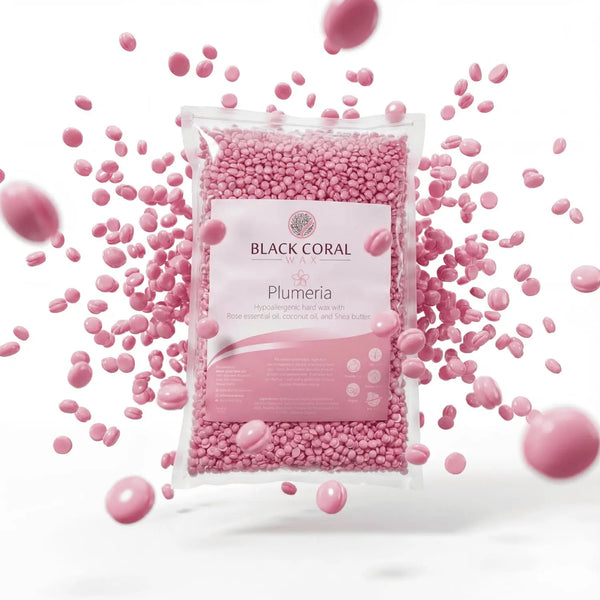
Plumeria for Sensitive Skin & Facial Areas
Our Plumeria formula is the go-to for any facial service. It has a gentle, creamy texture and incredible flexibility, making it perfect for contouring the delicate curves around the brows and upper lip. It is a hypoallergenic blend specifically designed for total comfort on the most sensitive skin.
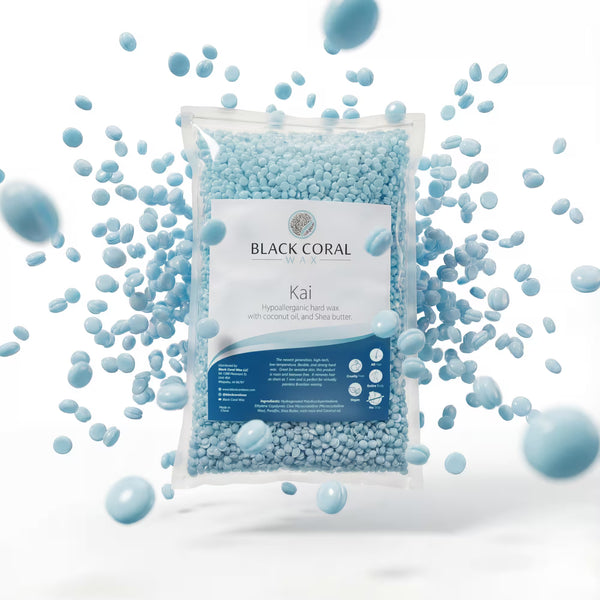
Kai for Coarse Hair & Tough Jobs
When faced with thick, stubborn hair, you need a high-performance wax. Our Kai formula was engineered with maximum grip to tackle challenging areas like Brazilian waxes or dense underarm hair. It shrink-wraps around each hair, ensuring a cleaner, more efficient pull with less discomfort and breakage.
Mae Mae for Versatile, All-Purpose Use
For a reliable, do-it-all wax you can count on daily, Mae Mae is the solution. This formula strikes the perfect balance between being gentle and having a strong grip, making it suitable for almost any body area. It is an excellent choice for larger areas like legs and arms, where you may encounter a mix of hair textures.
By selecting the right wax for the job, you’re not just removing hair-you’re tailoring the service to the client’s specific needs. This attention to detail elevates your practice and builds unwavering client trust.
Mastering this selection process is a hallmark of professionalism. To learn more, read our guide on how to choose the best hard wax beads for every skin type. Understanding these details is key to truly mastering your hard wax kit.
Your Hard Wax Kit Questions Answered
Even experienced professionals encounter questions. Refining your technique and troubleshooting challenging situations are integral parts of the craft. Using a hard wax kit effectively is a skill that improves with time and practice. Here, we address some of the most common issues to help you achieve consistent, skin-friendly results every time.
From application mishaps to maintaining a sanitary station, having clear solutions is key to mastering your tools and elevating your professional practice.
Why Is My Hard Wax Breaking or Cracking?
This is a very common frustration, but the solution is usually straightforward. If your wax is cracking, it almost always indicates one of two issues: the application was too thin, or the wax was left on the skin for too long and became brittle.
A wax strip needs sufficient body to remain flexible. Aim for a layer that is about the thickness of a nickel. This gives it enough structure to be removed in one clean, satisfying piece.
If it continues to become brittle even at the correct thickness, you may need to evaluate your timing.
Work in Smaller Sections: On large areas like the back or legs, it is tempting to apply one large strip to save time, but this often backfires. By the time you reach the end, the start of the strip has over-cured. It is more effective to work in smaller, more manageable patches.
Room Temperature Matters: If your treatment room is cold, your wax will set much faster. If you notice your wax becoming brittle more often during cooler months, you will need to adjust your pace and remove strips sooner.
A pliable strip is a successful strip. When you apply the wax, make sure to create a slightly thicker edge or "lip" to grab onto. When it's time to pull, this little lip helps distribute the force evenly and keeps the strip from shattering.
Can I Reuse Wax Left in My Warmer?
This question arises frequently, and the answer is governed by one non-negotiable rule: professional hygiene.
For salon professionals, the answer is unequivocally no. Never reuse wax from a client service. Once an applicator has been dipped into the wax pot during a service, the entire pot is considered contaminated and must be discarded. There is no safe method to filter or reheat it for another client.
For personal use at home, things are different. You can leave clean, unused wax in your pot if you still have some. Just turn off your warmer, let the wax cool with the lid on, and then heat it up again for your next session. It's very important to keep the lid on so that dust and other things that are in the air don't get into the wax.
How can I best clean my wax pot?
It's important to keep your hard wax kit clean, not just for hygiene but also to make sure it lasts a long time. A wax pot that is sticky and messy looks unprofessional and can make it harder for the warmer to heat evenly.
First and foremost, don't ever use water to clean your pot. Water and wax don't mix, and you could seriously damage the warmer's electrical parts.
This is how to clean it the right way:
Soften the Residue: Leave the wax in the pot and set your warmer to its lowest setting for a few minutes. The goal is to only make the residue softer, not to melt it all the way.
Power Down: For safety, unplug the warmer completely once the residue is soft.
Make It Clean: Put a professional-grade wax pot cleaner or an oil made from citrus on a strong paper towel or cotton round. Carefully wipe the inside of the pot until there is no more residue.
Final Polish: Wipe off any oily cleaner residue with a new, dry cloth. This makes the pot look brand new and ready for your next use.
At Black Coral Wax, we think that having a lot of experience is the most important thing for a perfect waxing. Check out our professional-grade hard wax beads, warmers, and complete kits that are made for great performance and client comfort. Find out what makes Black Coral Wax different today.