What You Need to Know About White Bumps After Waxing
After a wax, hair follicles are left open and vulnerable for a short time, especially in sensitive areas like the bikini line. This exposure can easily lead to irritation. When small, white-headed pimples or pus-filled bumps appear a day or two after an appointment, it's typically a mild case of bacterial folliculitis.
This is a completely normal skin response. Folliculitis affects a significant number of individuals who wax or shave sensitive areas. It occurs when common skin bacteria, often combined with sweat and friction from clothing, enter the open follicles and cause a minor, localized infection.
Important Traits of Post-Wax Folliculitis
Recognizing these bumps can give you peace of mind right away. They don't mean you have bad hygiene or a serious problem; they're just a temporary flare-up with certain signs:
-
They look like small, uniform whiteheads or tiny pimples that are usually grouped around the hair follicles.
-
When they happen: They usually show up 24 to 48 hours after a waxing service.
-
Sensation: The area might feel a little sore or itchy, but it shouldn't hurt a lot.
The key takeaway is that these white spots are manageable and, more importantly, largely preventable with proper aftercare. The inflammation is simply the body's natural immune response to a minor disturbance.
For quick reference, this table helps identify what's happening.
Quick Guide to Post-Wax White Spots
|
Symptom
|
Common Cause
|
What to Do First
|
|
Small, white-headed pimples
|
Bacterial Folliculitis: Bacteria entering open hair follicles.
|
Apply a warm compress. Avoid touching or squeezing the bumps.
|
|
Itchy, red bumps without a white head
|
Irritant Folliculitis: Friction from tight clothing or sweat.
|
Wear loose, breathable clothing. Keep the area cool and dry.
|
|
Redness and general tenderness
|
Normal Post-Wax Irritation: The skin's immediate reaction to hair removal.
|
Use a soothing, fragrance-free lotion or a cool gel pack.
|
This table makes it easy to figure out what's wrong, but it's important to know what caused it. Knowing these things can help you tell folliculitis apart from other skin problems.
Our full guide on understanding folliculitis after waxing goes into more detail if you want to learn more. Next, we'll talk about why these bumps happen and what professionals do to keep skin smooth and beautiful.
What Causes Post-Wax Bumps and Folliculitis
We need to look at what's going on just below the skin's surface to understand why those annoying white spots show up after a Brazilian wax. When you wax, you pull each hair out from the root, which temporarily opens the hair follicle, the tiny pocket where the hair lived.
Think of each follicle as a tiny, unguarded opening. While a normal part of the waxing process, this creates a short window where the skin is more vulnerable.
The Role of Bacteria and Clogged Pores
Everyday bacteria, such as Staphylococcus, normally exist on our skin without causing issues. However, when they enter these open follicles, they can trigger a minor infection. This process is often accelerated by friction from tight clothing or sweat trapped against the skin.
If dead skin cells are also present, they can clog the follicular opening, trapping bacteria inside. This combination of bacteria and blockage is what activates the body's immune response.
The redness, swelling, and pus seen in a white spot are simply signs that the immune system is fighting off trapped bacteria. It's a natural defense mechanism, not an indication of a serious problem.
It's also worth noting that some individuals experience small red bumps almost immediately after a wax, which differs from bacterial folliculitis. If this better describes your experience, learn more by understanding a histamine reaction after waxing.
Things That Make The Risk Higher
Folliculitis is more likely to happen because of some things. The skin in the bikini area is naturally thin and more likely to get irritated. Also, harsh waxing methods can hurt the skin more, making it easier for bacteria to get in.
Studies show that small pimples with white pus are a clear sign that bacteria are present. One study found that these white spots that look like acne happened in 39.1% of reported complication cases after a Brazilian wax. When you remove hair from sensitive areas, leftover wax and dead skin can clog your pores.
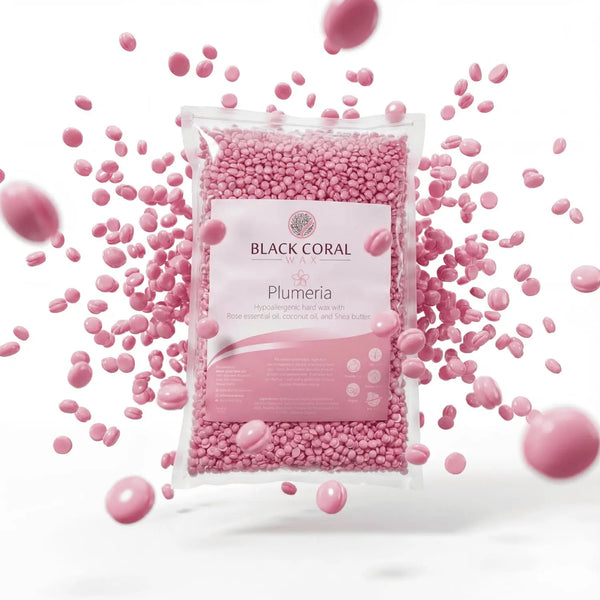
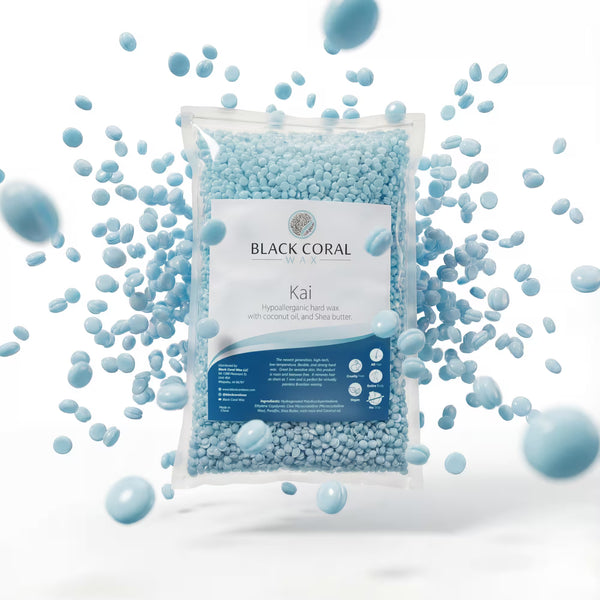
This is exactly why the esthetician's skill and the quality of the wax are so important. The first step is to use a professional-grade hard wax that sticks to the hair and not the skin. It lowers irritation, trauma, and follicular inflammation, which makes the results smoother and clearer.
Your Plan Before Waxing to Avoid White Spots
The best way to deal with white spots after a Brazilian wax is to stop them from happening in the first place. The best way to avoid bumps and irritation is to have a good routine before waxing. It's about making the perfect surface for a perfect wax job.
Preparing the skin isn't just a good idea; it's a necessary step to getting smooth, clear results. The goal is simple: reduce damage to the skin and stop bacteria from getting into hair follicles that have just been opened.
The Strength of Soft Exfoliation
Gentle exfoliation should be the first step in your prevention plan. This important step gets rid of dead skin cells that can block follicles and hold bacteria after waxing. You make it easier to remove hair by cleaning up this mess.
Scrub the area 24 to 48 hours before your appointment. The timing is very important because it lets your skin get the benefits without being too sensitive during the service.
-
What to Use: The best thing to use is a soft scrub, an exfoliating mitt, or a gentle physical exfoliant.
-
What not to do: Stay away from strong AHAs or BHAs and other harsh chemical exfoliants right before a wax. These can make your skin more sensitive and over-exfoliate it.
This simple step makes it easier for the wax to hold onto the hair at the root, which means less irritation and a lower chance of bumps forming later.
Come with skin that is clean and dry.
When you come in for your appointment, make sure your skin is clean and free of products. Lotions, oils, or sweat should not be on the bikini area at all. These things can keep the wax from getting to the hair and let bacteria grow.
Shortly before your service, wash the area with a gentle, oil-free antibacterial soap. This removes surface bacteria that could otherwise cause issues in vulnerable, open follicles.
A clean surface is fundamental to a great wax. It significantly reduces the risk of folliculitis because it minimizes the bacteria available to infect exposed follicles.
After cleansing, ensure the skin is 100% dry. Any moisture can interfere with the wax's adhesion, resulting in a patchy application and increased irritation. A light dusting of a pre-wax powder is a professional technique used to absorb every trace of moisture.
By following this pre-wax plan, you set the stage for a smooth, successful service and greatly reduce the chances of seeing any white spots. For more comprehensive guidance, review our guide on how to properly prep for a Brazilian wax. Proactive care is key to achieving beautiful, bump-free results every time.
The Critical 48-Hour Post-Wax Aftercare Routine
What you do in the first two days after your wax is as important as the service itself. During this period, your skin is at its most vulnerable, and a smart aftercare routine is the best defense against the white spots after a Brazilian wax that often indicate folliculitis. The goal is to keep the area calm, clean, and free from irritation.
The most important thing to remember after waxing is to let your skin breathe. Hair follicles that have just been waxed are like tiny open pores that are very easy for bacteria and friction to get into. The right clothes choices in the first few days can make a big difference.
Choose fabrics that breathe and cleaning products that are gentle.
For the first 48 hours, wear loose-fitting clothes made of natural materials like cotton. You should stay away from tight clothes, especially those made of synthetic materials like nylon or spandex. They hold heat and moisture against the skin, which makes it easy for bacteria to get into open follicles and cause irritation.
It's also important to clean gently. Stay away from harsh soaps and scrubs that can damage the skin's protective barrier. Instead, use a mild antibacterial wash that doesn't have a scent and lukewarm water to keep the area clean without adding to the stress. Check out our professional guide on showering after waxing to find out more about how to keep your skin clean after waxing.
Stay Away from Heat, Sweat, and Things That Make You Itch
Freshly waxed skin doesn't like heat and sweat. Stay away from anything that adds extra moisture and bacteria to the sensitive area for at least 24 to 48 hours. This includes:
-
Sweat can carry bacteria straight into open follicles during intense workouts.
-
Saunas and steam rooms: The heat and humidity can be very irritating.
-
Hot tubs and swimming pools are places where bacteria often grow.
-
Use lukewarm water for hot baths or showers to avoid making your skin red.
Also, don't put scented lotions, perfumes, or heavy oils on the waxed area. A lot of people like nourishing creams to calm their skin. Make sure that any product you use is non-comedogenic, which means it won't block your newly cleaned pores.
Making your skin's environment clean, cool, and low-friction is the best way to take care of it after. This easy method gives hair follicles the time they need to close and heal properly, which greatly lowers the risk of inflammation.
A professional-grade aftercare oil can be helpful for an extra touch of care. To help reduce redness and fight bacteria, look for products that contain calming ingredients like chamomile or tea tree oil. A light layer can calm inflammation and keep follicles clear, which will keep your results smooth and pretty.
Checklist of Things to Do and Not Do After Waxing
This easy checklist makes it easier to get through the first 48 hours. The best way to keep your skin healthy and avoid irritation is to follow these steps.
|
Action
|
Do
|
Don't
|
|
Clothing
|
Wear loose, cotton underwear and clothing.
|
Wear tight, synthetic fabrics like spandex or nylon.
|
|
Cleansing
|
Use a mild, fragrance-free antibacterial soap.
|
Use harsh scrubs, scented soaps, or exfoliants.
|
|
Showering
|
Take lukewarm showers.
|
Take hot baths, showers, or use saunas/steam rooms.
|
|
Activities
|
Rest and take it easy.
|
Engage in intense workouts or activities that cause sweat.
|
|
Moisturizing
|
Apply a light, non-comedogenic aftercare oil.
|
Use heavy lotions, perfumes, or fragranced products.
|
|
Environment
|
Stay in a cool, clean environment.
|
Go swimming in pools, hot tubs, or the ocean.
|
By adhering to this crucial 48-hour routine, you actively prevent the conditions that lead to post-wax bumps, ensuring you achieve the smooth, flawless results you desire.
How to Treat White Spots If They Appear
Even with diligent prep and aftercare, those small white spots after a Brazilian wax can sometimes appear. If they do, the golden rule is to be exceptionally gentle with your skin. The primary goal is to calm the area and prevent bacterial spread without causing further irritation.
The first impulse may be to pick or squeeze the bumps, but it's crucial to resist. A strict hands-off policy is essential. Attempting to pop these bumps can push bacteria deeper into the follicle, increase inflammation, and potentially lead to infection or scarring.
Gentle and Effective Home Remedies
Instead of aggressive measures, adopt soothing, professionally approved methods that promote healing. A simple warm compress is an excellent starting point. Soak a clean cloth in warm water and hold it on the affected area for five to ten minutes. This helps open pores and calm the skin.
After the compress, apply a gentle topical treatment. Look for products containing calming and antibacterial ingredients.
-
Soothing Ingredients: Aloe vera or witch hazel are excellent choices for reducing redness and soothing tenderness without clogging pores.
-
Antibacterial Agents: A spot treatment with a low concentration of salicylic acid can help clear the follicle. Use it sparingly to avoid drying out the delicate skin.
This gentle approach supports the skin's natural healing process, helping bumps disappear quickly and safely. For more prevention strategies, our guide on preventing pimples after waxing offers essential tips that complement this advice.
The key to treating post-wax bumps is patience and gentle care. Your skin is in a sensitive state, and harsh actions will only delay recovery. Support your body’s healing response with calming remedies.
When to Use Targeted Treatments
If the bumps are persistent, incorporating a mild antibacterial cleanser into your routine can help manage surface bacteria. Always pat the area dry with a clean towel afterward; rubbing creates friction, which leads to more irritation.
By using these calming remedies, you can confidently handle any minor flare-ups and restore your skin to its smooth, beautiful state in no time.
Knowing When to See a Professional
Most of the time, post-wax bumps are harmless and resolve on their own within a few days. However, it's important to distinguish between a normal reaction and something that requires professional attention.
If the white spots after a Brazilian wax begin to spread, become unusually large or painful, or persist for more than a week, it’s time to consult an expert. These symptoms could indicate a more stubborn irritation or a deeper infection that at-home care cannot resolve.
When to Contact Your Esthetician
Your first point of contact should be your esthetician, who is most familiar with your skin's response to waxing.
Reach out to them if:
-
The bumps show no improvement after 3-4 days of following aftercare instructions.
-
You experience bumps after every wax service.
-
You have questions about your aftercare products or routine.
A knowledgeable esthetician can review your routine and suggest minor adjustments that could make a significant difference in your future waxing experiences.
When to See a Dermatologist
Although rare, a case of folliculitis can sometimes be persistent and require medical intervention. Schedule an appointment with a dermatologist if you notice any of these red flags:
If the bumps are accompanied by a fever, significant pain, or appear to be a spreading skin infection, seek medical attention immediately. Prioritizing safety ensures you receive the correct diagnosis and treatment.
Common Questions About Post-Wax Bumps
To conclude, let's address some of the most common questions about the bumps that can appear after waxing. Providing clear, confident answers helps clients feel more comfortable and secure with the process. This Q&A covers typical concerns about timelines, product choices, and distinguishing between different skin reactions.
How Long Do White Spots Last After a Brazilian Wax?
Most of the time, mild folliculitis, which is the small white spots that appear after a Brazilian wax, will go away on its own. Most clients see them fade within 3 to 7 days if they take care of them properly. The most important thing is to keep up a gentle cleaning routine and stay away from tight clothes and activities that make you sweat.
It's time to see a doctor if the bumps last more than a week, seem to be spreading, or hurt. A dermatologist is the best person to rule out any more serious conditions, but an esthetician can help you figure out what's wrong with your aftercare routine.
Can the kind of wax I use make white spots?