White Bumps After Bikini Wax: Causes, Prevention, and Aftercare
Folliculitis, which is an inflammation of the hair follicle, is what causes the small white bumps that show up after a bikini wax. This happens when the follicle, which is left open and unprotected after hair removal, gets irritated by sweat, friction, or bacteria, which causes small, white-headed pustules to form.
FREE COURSE
Turn Your Passion for Beauty Into a $75K+ Waxing Business
GET IT NOW!
Course succesfuly sent. 🎉
Please go to your inbox to recieve it.
Finding out why you get white bumps after a bikini wax
Finding out what causes these bumps is the first step in stopping them. When you wax, the hair is pulled out of the root, which leaves the follicle open for a short time. This can cause irritation, which can ruin an otherwise smooth result.
It is important to tell these apart from the red dots that can show up right after waxing, which are usually a normal histamine reaction. The white bumps are different; they are pustules that show inflammation or a small amount of bacteria in the follicle. They are usually not dangerous, but they can be annoying and last a long time if not treated properly.
The Main Causes
There are a number of important things that cause these white bumps to form. As a professional, it's important to know these triggers so you can give clients good advice and improve your pre- and post-wax protocols.
-
Exposure to bacteria: The most common cause is bacteria, usually Staphylococcus aureus, getting into the open follicles. This can happen if hands aren't clean, a towel isn't clean enough, or even the client's own skin flora.
-
Friction: Tight clothes, like synthetic leggings or jeans that are too tight, don't let the skin breathe. This keeps heat and sweat in, which is a great place for bacteria to grow and cause irritation.
-
Sweat and Excess Oil: Engaging in activities that cause sweating, like exercising or using a sauna, immediately after a wax can introduce moisture into the open pores. This moisture can mix with the skin's natural oils, clogging follicles and leading to inflammation.
This is a common concern. Research indicates that a significant percentage of individuals report skin complications from pubic hair removal methods like waxing, with folliculitis being a primary issue. These whiteheads are more than simple red irritation because they can linger if the follicle becomes mildly infected.
Learning to differentiate between post-wax reactions is key to providing the right aftercare advice. While some redness is expected, persistent white bumps require a specific care strategy focused on hygiene and gentle treatment.
For a more detailed look at various skin responses, our guide on understanding a histamine reaction after waxing can be a helpful resource.
Identifying Different Post-Wax Bumps
Not all bumps are the same, and it can be confusing for clients and new professionals to determine what is happening with the skin post-wax. Is it a normal reaction, an infection, or something else?
This quick guide helps identify the type of bumps, which can provide peace of mind and guide the appropriate treatment.
|
Bump Type
|
Appearance
|
Primary Cause
|
Typical Duration
|
|
Histamine Reaction
|
Small, red, hive-like bumps
|
Body's natural response to hair removal
|
A few hours to 24 hours
|
|
Folliculitis (White Bumps)
|
Small, white-headed pimples
|
Bacterial presence in the hair follicle
|
2-5 days if treated properly
|
|
Ingrown Hairs
|
Red, painful bumps (sometimes with visible hair)
|
Hair curling back into the skin
|
Can last for weeks if not exfoliated
|
|
Contact Dermatitis
|
Red, itchy rash
|
Allergic reaction to wax or products
|
Varies; resolves after irritant is removed
|
Knowing what you're observing removes the guesswork from aftercare. A histamine reaction simply needs time to subside, whereas folliculitis requires a gentle, hygiene-focused approach.
Building Your Pre-Wax Prevention Routine
The foundation for a flawless, bump-free bikini wax is established long before the service begins. A smart pre-wax routine is the best defense against irritation and the unwanted white bumps after bikini wax. The goal is to ensure the skin is calm, clean, and properly prepared for treatment.
Gentle exfoliation is the most important part of this preparation. This important step must be done 24 to 48 hours before an appointment to lower the risk of folliculitis and ingrown hairs.
What Smart Exfoliation Does
Exfoliation gets rid of dead skin cells that can get stuck in hair follicles. When the follicles are clear, the wax can grab the hair right at the root, which makes it easier to remove and hurts the skin less. This easy step greatly lowers the risk of inflammation after waxing.
But the right time and method are very important. Exfoliating too close to the appointment can make the skin too sensitive and more likely to get irritated.
Picking Your Exfoliant:
-
Gentle scrubs, dry brushes, and exfoliating mitts are all good ways to get rid of buildup on the surface. Choose products with finely ground particles to avoid tearing the delicate skin.
-
Chemical exfoliants that have Alpha-Hydroxy Acids (AHAs) like glycolic acid or Beta-Hydroxy Acids (BHAs) like salicylic acid are great options. They break the bonds that hold dead skin cells together, which keeps pores from getting clogged. You should use these a few days before the wax, not on the day of the service.
For more insight into safe and effective methods for this sensitive area, understanding the benefits of a vaginal exfoliator can be valuable. The objective is to prepare the skin perfectly without causing unnecessary stress.
Cleaning the Canvas for Perfect Results
The day of the wax, the focus changes from exfoliation to cleansing. A professional should never skip the step of thoroughly cleaning the area before applying wax. This gets rid of any sweat, oils, and bacteria on the surface that could get into the open follicles and cause white bumps to form.
A good pre-wax cleaner makes the surface clean so that the wax sticks to the hair and not the skin. This one simple thing makes a big difference in how much irritation you feel and how smooth and clear the result will be.
Remember that the goal of pre-wax care is to get your skin ready, not to make it more sensitive. The key to a waxing service that is both comfortable and effective, leaving skin smooth and looking perfect, is a calm, clean, and well-hydrated canvas.
For more information on how to get ready for and take care of your skin afterward, check out our ultimate guide to avoiding bumps on the bikini line.
How the Way You Wax Affects the Health of Your Skin
If you want to avoid hurting your skin and getting white bumps after a bikini wax, the most important thing you can do as a professional is to use the right technique. Before and after the service, it's important to take care of the skin and wax. But how the wax and skin are handled during the service has a big effect on the final result. Getting a bikini wax from a professional is more than just getting rid of hair; it's also a way to protect the sensitive skin in that area.
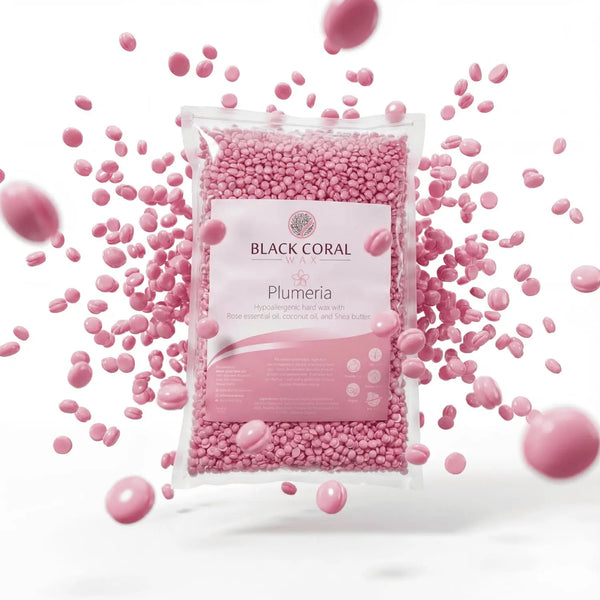
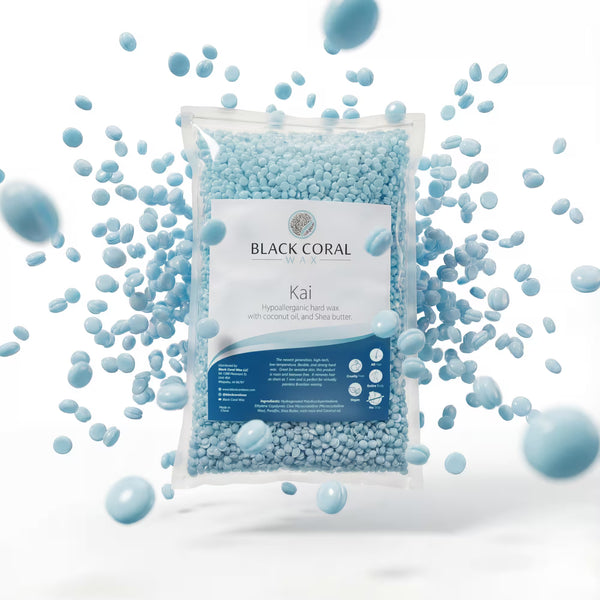
The first step is to get the wax. Using a high-quality hard wax, like those from Black Coral Wax, is clearly a good idea. Soft wax sticks to both hair and skin, but a good hard wax wraps around the hair shaft. It holds the hair tightly but only sticks to the skin a little, which makes it much less likely to irritate the skin and damage the follicle when it is taken off.
Clients can feel the difference right away. They feel less pain and see much less redness because their skin hasn't been put through as much stress.
Mastering the Application and Removal
This is where professional expertise truly makes a difference. Several small but critical details in your workflow can prevent post-wax bumps and enhance the client's experience.
Maintaining the correct wax temperature is fundamental. If the wax is too hot, it can scald sensitive skin, causing immediate inflammation that leaves follicles vulnerable. Conversely, wax that is too cool will not spread properly or grip the hair effectively, leading to a messy application and the need to re-wax the same area-a certain path to irritation.
The pressure used during application is just as important. Firm, consistent pressure ensures the wax envelops each hair down to its base. This allows for a clean release from the follicle and prevents hair from breaking at the surface, a common cause of ingrown hairs and folliculitis.
The Art of the Perfect Pull
How the wax strip is removed is arguably the most impactful part of the service. A quick, confident pull is necessary, but it is the direction and angle that truly protect the follicle from trauma.
The most important rule for waxing is to pull straight along the skin, never up. When you pull away from the skin, it lifts it, which can cause stress, bruising, and more pain. A low, parallel pull keeps the skin tight and lessens the pressure on the follicle opening.
You need to practice and be very careful to do this move right. If you keep the pull close and parallel, you can get the hair out of the root without hurting the tissue around it. This one thing can make the difference between a smooth, calm result and a surface full of bumps that hurt.
A professional must be able to master these skills. Being aware of these small details can help you avoid the top 10 mistakes that professionals make when waxing. In the end, a better technique turns a simple wax job into a professional treatment that clients can count on to give them consistent, skin-friendly results.
Mastering the Post-Wax Aftercare Plan
The actions taken in the first 48 hours after a wax are critical for the outcome. A professional service extends beyond the treatment room; providing a clear, simple aftercare plan is essential. This is the key to preventing white bumps and ensuring long-lasting smooth skin.
Immediately after the last strip is removed, the focus shifts to calming and protecting the skin. The hair follicles are open and vulnerable, creating an entry point for bacteria and irritation. The first step is to apply a high-quality, non-comedogenic post-wax oil or soothing lotion. This creates a protective barrier, hydrates the skin, and begins to reduce inflammation right away.
The First 48-Hour Rules of Care
This initial window is when the skin is most sensitive. Providing clients with a simple checklist of "dos and don'ts" helps them avoid common mistakes that lead to folliculitis. Clear, professional instructions build trust and ensure better results.
Your Immediate At-Home Instructions:
-
Avoid Heat and Moisture: Advise clients to skip hot baths, saunas, steam rooms, and hot tubs. Heat can encourage bacteria to enter open follicles, creating ideal conditions for white bumps. A cool or lukewarm shower is a much safer option.
-
Pause Strenuous Workouts: Sweaty gym sessions should be avoided for at least 24-48 hours. Sweat is a primary cause of clogged pores after waxing and can lead to significant irritation and breakouts.
-
Wear Loose, Breathable Clothing: Tight garments, especially those made from synthetic fabrics, trap heat and cause friction. Recommend loose-fitting cotton underwear and clothing to allow the skin to breathe and recover without added stress.
-
Keep Hands Off: Remind clients to avoid touching the freshly waxed area. Unwashed hands can directly transfer bacteria, causing the inflammation we are working to prevent.
The objective for the first two days is simple: keep the area clean, cool, and free from friction. Adhering to these guidelines drastically reduces the risk of bacteria entering the hair follicles while they heal.
Long-Term Maintenance for Lasting Smoothness
After the initial 48-hour sensitive period, the focus shifts to maintaining healthy skin and preventing future issues like ingrown hairs. Consistent, gentle care is crucial. Educating clients that aftercare is an ongoing routine is key to achieving their best skin.
Gentle exfoliation can be reintroduced 2-3 days after the wax. This step is vital for clearing away dead skin cells that can trap new hairs as they grow back, a classic cause of ingrown hairs and irritation. For a complete strategy, our guide on how to exfoliate after waxing for softer bump-free skin provides all the necessary details.
It's also important to stay hydrated. To keep skin soft and smooth, you should use a lightweight, non-comedogenic moisturizer every day. When your skin is healthy and hydrated, new hairs can easily come through the surface instead of getting stuck. If you learn this full aftercare plan, you can offer a truly professional service that keeps your clients' skin smooth and bump-free long after their appointment.
How to Treat White Bumps Safely
Even if you do everything right and use the best waxing method, you may still get white bumps after a bikini wax. When they do, the goal is to stay calm and focus on healing the skin and stopping more irritation.
Don't give in to the urge to pick, pop, or squeeze the bumps. This is the most important rule. This can push bacteria deeper, make inflammation worse, and even cause hyperpigmentation or scarring.
Instead, a gentle, focused approach that calms the skin and helps the follicles heal is best. This not only fixes the problem right away, but it also shows how important it is to take care of your skin properly. With the right products and some time, your skin will calm down and get back to being smooth.
Gentle Ways to Help
The first thing to do when white bumps show up is to wash the area very well with a mild, fragrance-free antibacterial wash. This helps lower the number of bacteria on the skin without taking away its natural moisture barrier, which stops the inflammation from getting worse.
After washing your face, a spot treatment may work. Look for products that have ingredients that are known to help with exfoliation and inflammation:
-
Salicylic Acid (BHA): This is a great option because it can dissolve oil, which means it can get into the pore and break down the sebum and dead skin cells that are blocking it.
-
Glycolic Acid (AHA): This ingredient works on the skin's surface to gently exfoliate and speed up cell turnover. This helps free trapped hairs and smooths the skin over time.
Use these treatments only on the areas that need them, and not too often. This area of skin is sensitive, so don't let it get too dry. Our article on folliculitis after waxing causes and treatments has useful information on how to deal with skin reactions in more detail.
Soothing and fixing the skin barrier
Active ingredients help with the bumps, but it's also important to calm down any redness and irritation. This is where a good post-wax oil or serum that doesn't clog pores can help. These products speed up the healing process by making a barrier that keeps moisture in and irritants out.
Folliculitis is not rare. According to research, a lot of people have at least one problem after removing pubic hair. If you see white bumps, it's a clear sign that bacteria has gotten into the follicle. This can happen if you touch the area with dirty hands. This shows how important it is to take care of yourself after surgery.
The goal is not to fight the skin's natural healing process, but to help it. A gentle wash, a specific treatment, and calming hydration are the perfect combination to safely get rid of white bumps and bring back that smooth, confident feeling.
Looking into different skincare philosophies can help you see skin health from a different angle.
Questions and Answers About Bikini Wax Bumps
Questions about bumps after waxing can still come up, even with good care. These are simple answers to the most common questions.
How long do white bumps usually last?
Folliculitis that isn't too bad should start to get better in 2 to 5 days with some gentle care. This means that the area must be clean, dry, and free of friction.
You should see a dermatologist if the bumps last longer than a week, hurt, or seem to be getting worse. They will make sure you get the right diagnosis and treatment.
When I have bumps, is it okay to scrub my skin?
No, you shouldn't scrub your skin when you have red and swollen bumps. Using acids or scrubbing irritated skin can make the problem worse by breaking the skin, spreading bacteria, and causing more severe breakouts or scarring.
Advice from an expert: Wait until the bumps are completely gone and the skin feels calm. You can start using a gentle exfoliant again after the bumps have completely gone away, which usually takes 48 to 72 hours.
Can I use acne products on bumps on my bikini?
Yes, but be careful. Products made for acne on the face, especially spot treatments that have salicylic acid or benzoyl peroxide in them, can work. But the skin in the bikini area is often more sensitive than the skin on the face.
If you choose this route, apply a minimal amount directly to the bumps once a day to avoid excessive dryness or irritation. Always perform a small patch test first to assess your skin's reaction.
Why do I sometimes get bumps and not others?
This happens to a lot of people and can be very annoying. Different things can affect how the skin reacts to waxing every day.
Some things that could be to blame are:
-
Hormonal changes: The skin can become more sensitive and oily during the menstrual cycle, which can lead to more breakouts.
-
Activity Levels: Working out right after getting a wax can cause sweat and bacteria to get into the newly opened follicles.
-
What to Wear: After an appointment, wearing tight, synthetic clothes can trap heat and cause friction, which can make you feel uncomfortable.
-
Not following the right steps after waxing can sometimes cause a mild reaction. Being consistent is very important.
We at Black Coral Wax think that giving people information is just as important as giving them high-quality products. If you know the science behind proper waxing and aftercare, you can get smooth results every time and gain your clients' trust.
Are you ready to take your waxing business to the next level? Check out our professional-grade waxes and aftercare products that are made to work better and make clients more comfortable.
Check out the Black Coral Wax Collections