Wax Beads and Strips: Which System Actually Works Better for Each Body Area?
Stocking a treatment room often comes down to a very practical decision: do you reach for hard wax beads, keep soft wax and strips ready, or build your menu around both?
That choice affects more than product shelves. It changes how quickly you can move through a leg service, how much control you have on an underarm, how comfortable the client feels during removal, and how much technique the service demands. For at-home users, the same decision often separates a smooth result from unnecessary irritation.
FREE COURSE
Turn Your Passion for Beauty Into a $75K+ Waxing Business
GET IT NOW!
Course successfully sent. 🎉
Please go to your inbox to receive it.
Professionals rarely think in terms of "one wax is better." The better question is where each system performs cleanly, efficiently, and safely. If you're weighing wax beads and strips for salon use or personal use, the most useful answer is situational, not absolute.
The Professional's Choice: Understanding the Two Systems
Seasoned salon owners tend to stock for workflow, not theory. They know bikini clients often need control and flexibility, while full-leg appointments need pace. That's why the decision between wax beads and strips isn't only about skin sensitivity. It's also about room turnover, consistency, waste control, and whether the waxer can repeat the same result service after service.
Match the wax to the zone first, then adjust for hair type, skin response, and your own technical strengths.
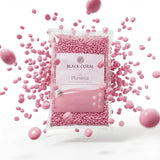
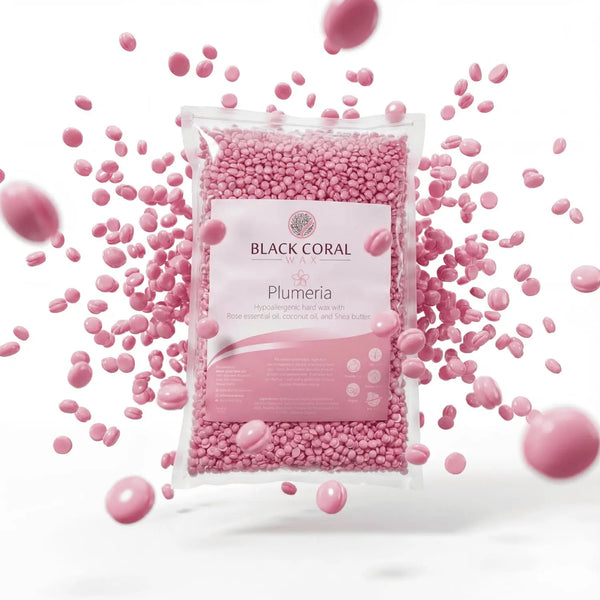
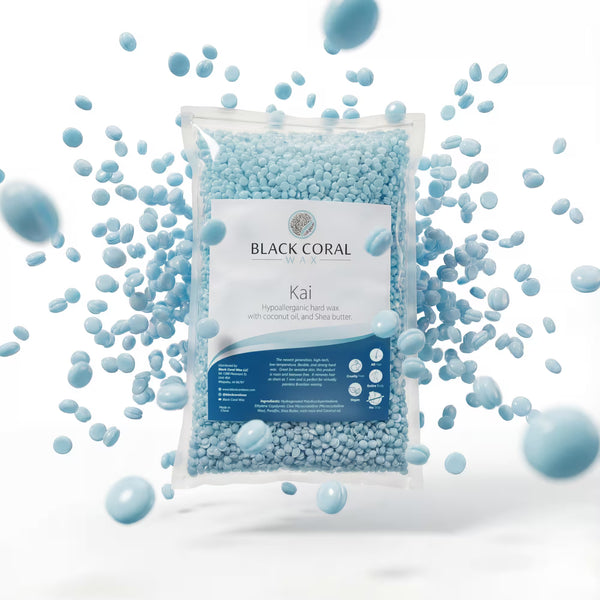
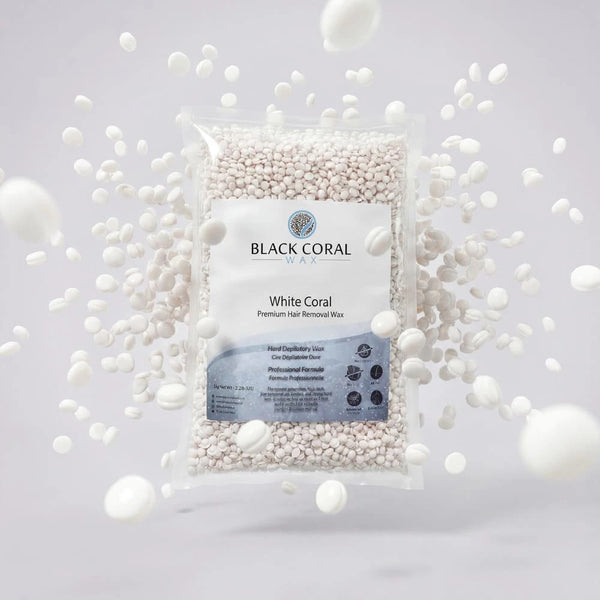
Wax beads are a format of hard wax. They're measured into a warmer, melted, and brought to a workable consistency before application. The wax sets on its own and is removed without a fabric or paper strip.
Wax strips are part of a soft wax system. The soft wax is applied in a thin layer, then a strip is pressed over it and removed to lift wax and hair together. This foundational difference shapes everything else, including texture, speed, cleanup, and client feel. For a broader primer on formats, Black Coral Wax's guide to types of wax and their uses lays out the main categories clearly.
Hard Wax vs. Soft Wax: How Each System Behaves on Skin
A wax pot can be full, the room can be on schedule, and the service can still go sideways if the wax system does not match the technique. The choice goes deeper than beads versus strips. It's how the wax behaves once it touches the skin, how it releases, and how much room it gives the operator for error.
Hard wax forms its own flexible shell around the hair and comes off without a strip. Soft wax stays pliable and needs a paper or fabric strip to remove the wax and hair together. That mechanical difference affects adhesion, working time, cleanup, service speed, and client comfort.
Formulation matters just as much. Hard wax is designed to shrink around the hair as it sets, which helps it grip coarse or firmly rooted hair while staying more selective on the skin. Soft wax is made to spread thinly and stay tacky enough for strip removal, which is why it covers large areas fast but can feel more aggressive on reactive skin if the application is heavy or the skin is not supported well. For a side-by-side breakdown of those performance differences, see our complete guide to soft wax vs. hard wax.
| Feature |
Hard wax beads |
Soft wax with strips |
| Removal method |
Strip-free removal |
Removed with paper or fabric strips |
| Application style |
Thicker application with a defined edge |
Thin, even application |
| Best fit |
Precision work and smaller sensitive zones |
Large surface areas and repetitive passes |
| Workflow feel |
Slower set time, tighter control |
Faster pace across broad zones |
| Technique pressure |
Placement, timing, and edge creation matter |
Spread consistency, strip placement, and pull tension matter |
Hard wax creates a more deliberate workflow. Each application has to be placed cleanly, given enough time to set, and removed with control parallel to the skin. That takes more judgment, but it also lets the waxer isolate small sections, work around curves, and avoid coating skin that does not need another pass.
Soft wax rewards efficiency. On legs, arms, back, or chest, a skilled waxer can keep a steady rhythm with thin application, firm strip contact, and quick removal. The trade-off is less selectivity. If the wax is too warm, too thick, or pulled with poor tension, the client feels it immediately.
Wax Selection by Body Area: The Professional Zone Map
The right wax choice comes from the treatment zone, the density of the hair, the client's sensitivity, and the pace the service requires.
| Body area |
Primary recommendation |
Key considerations |
| Brows |
Hard wax beads |
Small zone, precision matters, skin can be reactive |
| Upper lip and chin |
Hard wax beads |
Facial skin benefits from controlled placement |
| Underarms |
Hard wax beads |
Hair is often coarse and grows in multiple directions |
| Bikini and Brazilian |
Hard wax beads |
Comfort, grip, and selective application matter |
| Lower legs |
Soft wax with strips |
Broad flat area favors speed and thin spreading |
| Full legs |
Soft wax with strips |
Efficient for high-volume body waxing |
| Arms |
Soft wax with strips |
Quick coverage with clean, repeated passes |
| Back and chest |
Soft wax with strips |
Large areas benefit from service speed |
| Sensitive legs or reactive clients |
Case by case |
Hard wax may be worth the slower pace |
The oversimplified rule is "hard wax for face, soft wax for legs." That's not wrong, but it's incomplete. A client with highly reactive skin on the legs may tolerate hard wax better, even if the service takes longer. A strong, experienced waxer can also use strip wax on some areas with excellent comfort because technique changes the outcome. Hand pressure, direction, section size, and skin support matter just as much as the wax itself.
In salons, body-zone planning affects the whole appointment book. Strip wax usually supports faster turnover on broad services. Hard wax usually gives more control on technical services where a clean pull is more important than rapid coverage. That's why many treatment rooms keep both systems active.
Temperature and Texture: Getting the Wax Warmer Right
Many waxing problems start before the wax touches the skin. They start in the warmer.
For hard wax beads, the target isn't a number on a dial alone. It's texture. The correct working consistency is described as "thick and honey-like", and that is a far better cue than guessing by time.
If hard wax is too cool, it drags, applies unevenly, and may crack on removal. If it's too hot, it turns runny, loses body, and becomes harder to control safely. The correct texture should spread smoothly while still holding enough structure to create a removal edge.
Practical warmer habits:
-
Test first: Always check wax on your inner wrist before client application.
-
Stir regularly: Heat can settle unevenly, especially during long service blocks.
-
Melt in portions: Beads make it easier to heat only what you expect to use.
-
Watch the edge: If you can't form a clean lip, adjust texture before the next section.
A pre-wax skin prep oil can help remove surface oils before application, especially when grip is inconsistent on humid skin or dense areas.
Clean prep often solves problems that look like product problems.
Building a Flexible Waxing Service Around Both Systems
A fully booked day makes the choice clear. A brow cleanup, a first-time bikini client, and three full-leg appointments do not reward the same wax system, and forcing one formula across all of them usually costs time, comfort, or cleanup.
Keep hard wax beads available for areas where precision, lower skin pull, and controlled application matter most. Keep soft wax and strips in rotation for larger zones where speed, clean sectioning, and fast product removal improve efficiency. That setup gives professionals more flexibility with scheduling, pricing, and client needs because the wax is supporting the service instead of dictating it.
For home users, the same rule applies with less room for error. Pick the system that suits the body area and your actual skill level. Hard wax often slows the appointment slightly but can improve comfort and control on sensitive zones. Soft wax can lower time per service on larger areas, but only if application is clean and removal is confident.
Mastering both systems turns a waxer from someone following a routine into someone who can solve for different hair densities, skin responses, body zones, and booking demands without compromising the result.
Frequently Asked Questions About Wax Beads and Strips
Can I use hard wax beads on large areas like full legs?
Yes, but it's not the most efficient choice. Hard wax works well on legs for clients with reactive skin, but soft wax with strips will be significantly faster for high-volume body services. Most professionals reserve hard wax beads for precision zones.
How do I know if my wax beads are at the right temperature?
Look for texture, not just the dial reading. Correctly melted hard wax beads should have a thick, honey-like consistency that spreads smoothly but still holds a defined edge. If it's stringy, it's too hot; if it drags or crumbles, it's too cool.
Can wax strips be reused?
Professional fabric strips can sometimes be used for two passes in the same area on a single client, but paper strips are single-use only. Reusing strips reduces grip and can spread bacteria, so most professional protocols treat each strip as disposable.
Is hard wax less painful than soft wax?
Generally yes, particularly on sensitive areas. Hard wax adheres mainly to the hair rather than the skin, which reduces the pull on the surface. However, technique plays a large role: a skilled waxer using soft wax with proper skin support and tension can deliver a very comfortable result.
How long should hair be before waxing?
Most professionals recommend a quarter inch for soft wax to grip effectively. Hard wax can sometimes work on slightly shorter hair because it wraps more closely around the shaft, but extremely short hair will reduce results for both systems.