Waxing vs. Epilating: Which Hair Removal Method Is Right for You?
You've decided that shaving is no longer enough. You want smooth skin that lasts longer, looks cleaner, and doesn't demand daily attention. The next question is almost always the same: epilator or wax?
Both methods remove hair from the root, both promise results that last weeks, and both have real advantages. But they feel very different in practice, and depending on your lifestyle, pain tolerance, and how much time you want to spend, one will suit you significantly better than the other.
This guide breaks down everything honestly: how each method works, what it actually feels like, how long results last, and what your skin needs afterward. No sugarcoating.
FREE COURSE
Turn Your Passion for Beauty Into a $75K+ Waxing Business
GET IT NOW!
Course successfully sent. 🎉
Please go to your inbox to receive it.
How Each Method Removes Hair
Waxing works by applying a layer of wax — either soft (used with a strip) or hard (sets on its own) — that adheres to the hair. Once the wax grips the hair shaft, it's removed in one swift pull, taking hair out from the root across a whole section at once.
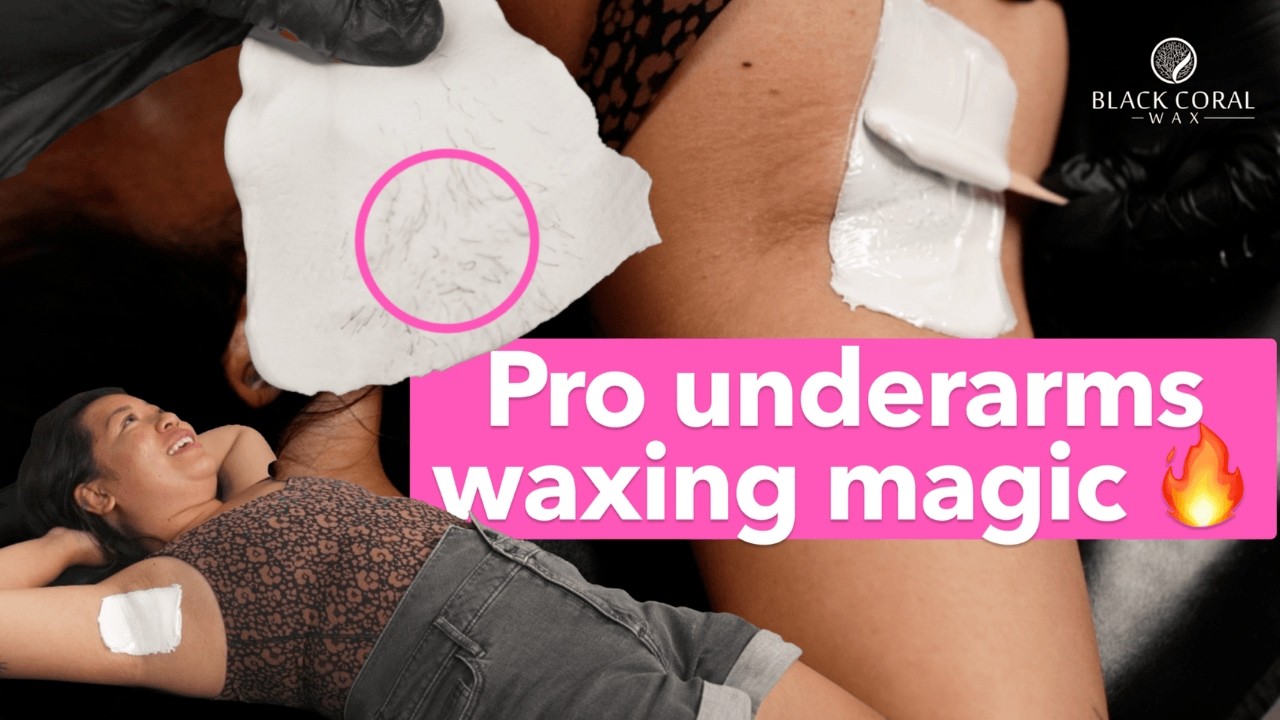
You can wax at home using ready-made strips or a wax warmer kit. If you want the best possible results with minimal irritation, a professional wax treatment at a salon is where waxing truly shines. A trained esthetician controls the temperature, angle, and technique, making the process faster, cleaner, and more comfortable than most at-home attempts.
An epilator is a handheld electric device with a rotating head of tiny tweezers. As you move it over your skin, those tweezers catch and pull out hairs individually. Essentially, it's like using dozens of tweezers at once.
Epilating is inherently a DIY method. There are no professional epilating services in salons, because the process is slow, technique-dependent, and difficult to standardise across a full treatment area.
| Method |
How it works |
Removal pattern |
Best suited for |
| Waxing |
Wax grips hair; removed by section |
Fast, section by section |
Home use or professional salon treatment |
| Epilating |
Rotating tweezers pluck hair individually |
Slow, hair by hair |
DIY home use only |
What It Actually Feels Like: An Honest Look at Pain
Let's be straightforward: neither method is painless. But they hurt in very different ways, and that distinction matters more than most guides admit.
Waxing delivers a sharp, brief sting. The wax pulls across a section and it's done — that area is finished. Yes, it hurts in the moment, but the discomfort is over quickly. Most people find that after the first few sessions, their skin becomes more accustomed to it, and the sensation becomes much easier to manage.
If you'd like to reduce waxing discomfort even more, this guide on how to make waxing less painful covers everything: from skin prep to timing your appointment.
Epilating is a different kind of discomfort. The sensation is more of a prolonged prickling or repeated tweezing over the entire area. Because the device moves slowly and plucks hair by hair, the discomfort is drawn out — especially on sensitive areas like the inner thigh, underarms, or bikini line. Many people find this harder to tolerate than the brief intensity of waxing, precisely because it doesn't end fast.
How Long Do Results Last, and When Can You Touch Up?
Healthline's comparison of epilators and waxing notes that both methods typically keep skin smooth for 3 to 4 weeks. Neither has a dramatic advantage in raw duration.
The difference is in quality of results: waxing tends to produce more uniform regrowth because the entire area is cleared in a planned pattern. With epilating, results can be patchier if technique is inconsistent or if the device misses hairs on the first pass.
Minimum hair length: Epilating's real advantage
Here's where epilating genuinely wins. Epilators can remove hair as short as around 1/50 inch (~0.5 mm) — significantly shorter than the minimum length needed for waxing. That means you can tackle regrowth much sooner, without waiting for hair to become visible.
Waxing requires more patience. According to Black Coral Wax's guide to ideal hair length, the sweet spot for waxing is ¼ inch (~6 mm). At that length, the wax can grip each strand securely and remove it cleanly from the root. Hair that's too short won't be gripped properly. It breaks instead of being pulled from the root, leading to patchy results and faster regrowth. Hair that's too long makes waxing more uncomfortable than necessary (though a professional can trim it for you beforehand).
Planning your routine
-
If you want to stay touchup-ready at all times: Epilating gives you more flexibility, because you don't need to let hair grow out.
-
If you want the cleanest, most even result every 3–4 weeks: Waxing, especially a professional treatment, gives a more polished finish.
-
Either way: Pick one method and stick with it. Switching frequently makes regrowth less predictable and maintenance harder.
For waxing, this article on how often you should wax helps you plan appointments around your natural regrowth cycle.
Skin Reactions and Aftercare: What to Expect
Both methods pull hair from the root, so both can cause redness, temporary sensitivity, and — if you skip aftercare — ingrown hairs. But the way skin is stressed is different.
With epilating, the skin experiences repeated mechanical contact as the device passes over the same area multiple times. This cumulative friction can leave skin feeling raw, particularly in sensitive zones or if the device needs several passes to catch all the hairs.
With waxing, the stress on skin comes from the wax itself — if it's too hot, too thick, or removed at the wrong angle. In a home setting, these variables are harder to control. In a professional salon, they're managed entirely by the esthetician, which is one of the main reasons salon waxing tends to result in calmer skin post-treatment compared to DIY attempts.
Skin tolerates one controlled removal better than repeated reworking of the same spot.
Simple aftercare that actually works
-
Calm the skin first. Apply a light, fragrance-free soothing product after treatment. Avoid heavy creams, perfumed lotions, or anything with alcohol immediately afterward.
-
Give skin space to breathe. Skip tight clothing, hot showers, saunas, and intense exercise for the first 24 hours.
-
Prevent ingrowns. Gentle exfoliation a few days after treatment helps keep follicles clear. Don't scrub immediately after; wait until redness has settled.
DIY at Home vs. Professional Salon: Is the Difference Worth It?
This is the question many people eventually ask, and the honest answer is: it depends on the area and your priorities.
Epilating is always DIY, which means results depend entirely on your own technique, patience, and consistency. For legs or arms, where the skin is flatter and hair is more uniform, epilating at home can work well. For smaller, more sensitive areas — bikini line, underarms, upper lip — it becomes more difficult and uncomfortable to do alone.
Waxing can be done at home or professionally, and that flexibility is one of its strengths. Home waxing kits have improved considerably and can deliver decent results, especially on larger, more forgiving areas. But professional salon waxing offers something DIY can't replicate: a trained esthetician who controls every variable — temperature, application thickness, pull angle, skin tension — and works efficiently across the entire area in a fraction of the time it takes at home.
For legs, a full professional wax takes 20–30 minutes and leaves skin uniformly smooth. The same result at home, alone, typically takes much longer and rarely looks as even. For bikini or Brazilian waxing, professional treatment isn't just more comfortable; it's considerably safer and more precise than attempting it yourself.
Waxing vs. Epilating: Quick Comparison
| Factor |
Waxing |
Epilating |
| How it works |
Wax grips hair; removed by section |
Rotating tweezers pluck hair individually |
| Minimum hair length |
¼ inch (~6 mm) |
~1/50 inch (~0.5 mm) |
| Results last |
3–4 weeks |
3–4 weeks |
| Regrowth evenness |
Uniform |
Can be patchy |
| Speed on large areas |
Fast |
Slow |
| Discomfort |
Brief and sharp |
Prolonged and repetitive |
| At-home use |
Yes (also available professionally) |
Yes (DIY only) |
| Professional treatment available |
Yes — best results |
No |
| Ingrown hair risk |
Low with good technique and aftercare |
Moderate with repeated passes |
Frequently Asked Questions
Can I switch between waxing and epilating?
Technically yes, but it's not ideal. Each method captures hair at a slightly different stage of growth and in a different pattern. If you switch frequently, regrowth becomes harder to predict and maintain evenly. Choosing one method and sticking with it gives cleaner, more consistent results over time.
Which method is better for the bikini area and underarms?
Waxing (especially professional waxing) is the stronger choice for these areas. Both zones have curved surfaces, denser hair growth, and higher sensitivity. A professional esthetician can manage these variables precisely. Attempting the same areas with an epilator alone is possible but significantly more painful and harder to do evenly.
Does epilating cause more ingrown hairs than waxing?
Both methods can cause ingrown hairs, but the risk with epilating is higher when the device needs multiple passes or when hairs aren't pulled out cleanly. Good skin prep, careful technique, and consistent aftercare matter more than the method itself — but professionally performed waxing, combined with proper aftercare, tends to produce the fewest ingrown issues overall.
Is waxing more painful than epilating?
The sensations are genuinely different. Waxing is a sharp, brief pull. It stings, but it ends quickly. Epilating is a slower, more repetitive plucking sensation that lasts for the entire session. Many people find waxing easier to tolerate precisely because each section is over in a moment, rather than dragging on. First-time waxing clients are often surprised by how manageable it is compared to what they expected.
How long does hair need to be before I can wax?
Around ¼ inch (~6 mm), or roughly 3–4 weeks of growth after shaving. This is the main practical downside of waxing: you need to let hair reach a minimum length before the wax can grip it reliably. If this waiting period bothers you, epilating may fit your routine better.