Wax Nose Hair Removal Done Right: Technique, Safety and Professional Standards
Nose waxing usually enters the treatment room as an extra request, not a booked headline service. A client likes the finish of their grooming appointment, notices visible nostril hair under bright lighting, and wants a cleaner result before they leave.
Certainly, wax nose hair removal moved from a niche request to a routine add-on, and it only feels simple until you are the one responsible for doing it safely. That is why the service a tighter standard than most quick beauty tutorials suggest. It can be clean, fast, and comfortable when the goal is clear: remove only what is visibly protruding, protect the tissue inside the nostril, and know when trimming is the better call.
FREE COURSE
Turn Your Passion for Beauty Into a $75K+ Waxing Business
GET IT NOW!
Course successfully sent. 🎉
Please go to your inbox to receive it.
Hard Wax vs Soft Wax: Why Hard Wax Wins for Nose Hair Removal
For nose waxing, the material choice decides most of the outcome. Hard wax is the professional standard because the service requires control in a very small area. You need a wax that sets around the hair, holds its shape, and removes cleanly without dragging a strip across sensitive tissue.
Soft wax does not belong in the nostril. Strip wax is designed for broader surface removal and depends on fabric or paper strips for lift. That method is useful on larger facial or body zones, but it is not precise enough for the nostril margin.
If a wax cannot be placed shallowly and removed with total control, it should not be used for nose waxing.
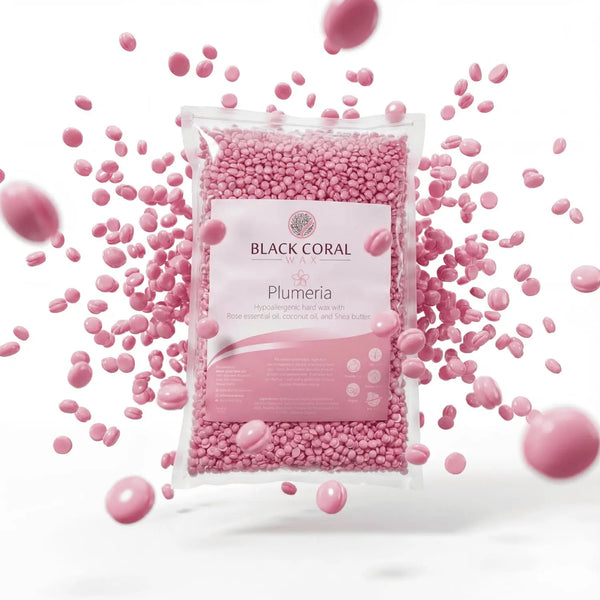
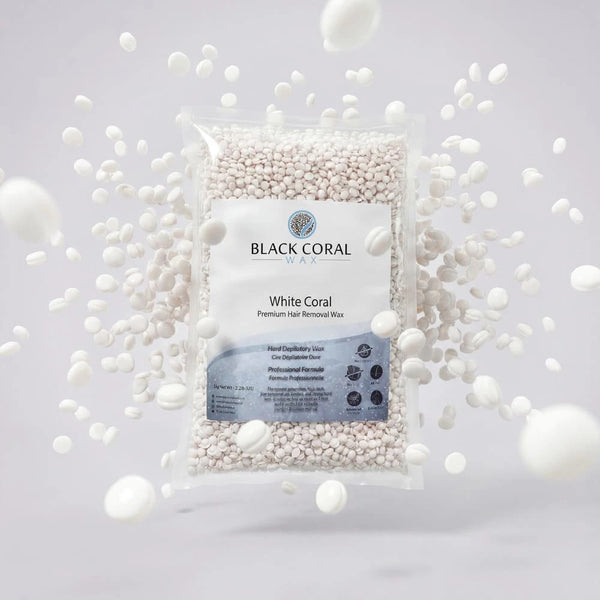
A good hard wax forms a small, stable grip around the visible hair at the edge of the nostril. Once set, it can be removed in one quick motion with far more control than a strip-based product. Texture also matters: wax should melt smoothly, spread without dripping, and set with enough flexibility that it will not crumble on removal. Black Coral Wax Pele Hard Wax Beads fit that workflow because they are a stripless hard wax format suited to small, controlled applications.
If you are refining product selection across delicate and reactive areas, this guide on how to choose the best hard wax beads for every skin type is worth keeping in your professional reference stack.
| Feature |
Hard wax (stripless) |
Soft wax (strip wax) |
| Removal method |
Removed without strips |
Requires strips |
| Control in small areas |
High precision |
Less precise |
| Suitability for nostril margin |
Appropriate for visible edge hair only |
Poor choice for this area |
| Grip |
Forms around hair and sets into a firm tab |
Spreads thinner and is designed for strip removal |
| Client comfort |
Usually easier to control in delicate zones |
More likely to feel harsh in this service |
Pre-Wax Safety Screening
Before any applicator is loaded, the client needs a quick but serious screening. Professionals should screen for recent nasal surgery, active infections, frequent nosebleeds, and blood-thinning medication use. The point is a neater-looking nostril without interfering with the nose's protective role, especially for clients with allergies or sinus irritation.
The prep itself should feel calm and methodical. Clean skin, good lighting, and a clear view of the nostril edge make better decisions possible. For a stronger prep routine across facial waxing services, this article on using a pre-wax cleanser lays out a solid foundation.
What to check before you begin
- Ask about recent nasal issues such as surgery, tenderness, congestion with irritation, or recurring nosebleeds.
- Look for visible concerns like redness, broken skin, piercing interference, swelling, or signs that the tissue is already stressed.
- Confirm the client's goal so you are removing only visible protruding hairs, not chasing a completely bare nostril.
When to refuse the service
If the tissue looks irritated, the client reports recent medical issues in the area, or there is a pattern of sensitivity that makes trauma more likely, refuse the wax and recommend trimming instead. That choice protects the client and your professional standard.
Step-by-Step Nose Waxing Technique for Safe, Clean Results
The technique for wax nose hair removal should be shallow, deliberate, and quick. Medical guidance is clear on the main point: treat the nostril margin as the working zone. Applicators should be inserted only shallowly to target visibly protruding hairs, never deep into the nasal cavity.
Preparing the wax and tool
Start with wax that has a smooth, honey-like flow. It should not be watery, and it should not be so thick that it forms a bulky blob before placement. When the consistency is right, the wax wraps the visible hairs cleanly and sets into a firm but flexible tab. Use a clean disposable applicator sized for controlled placement and load a modest amount. In nose waxing, too much product is usually the first mistake.
For a broader refresher on stripless application and removal mechanics, Black Coral's article on how to use hard wax is a useful companion.
Placement and removal
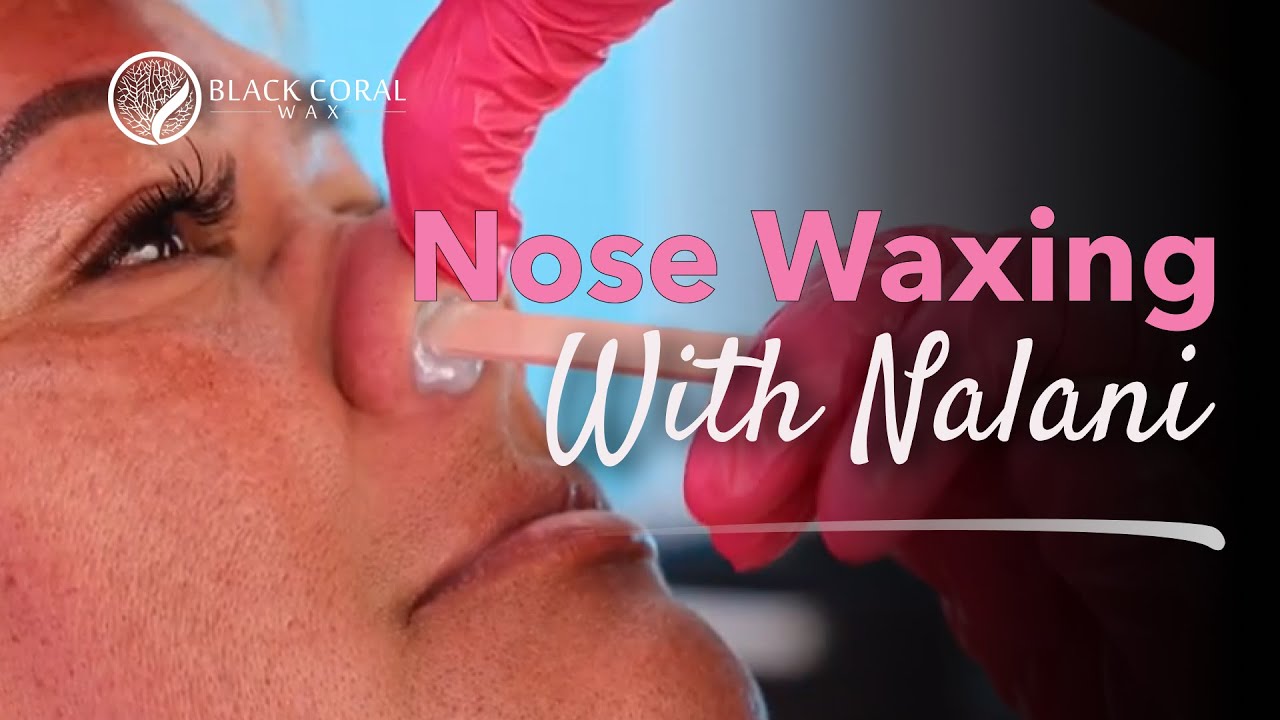
Ask the client to clear the nostrils gently first if needed. Work under bright light and lift the tip of the nose just enough to see the visible hairs at the edge. Apply wax only to the hairs that protrude from the nostril opening, keeping the applicator shallow. Allow the wax to set fully until it is firm enough to remove as one piece.
Stabilize the nose with your free hand and remove with one confident pull following the direction that keeps the motion clean and direct. Hesitation causes more discomfort than the pull itself.
Less product and a shallower placement usually give a better result than a larger, deeper application.
Working sequence at a glance:
- Check visibility under strong light.
- Load a small amount of hard wax onto a disposable applicator.
- Place wax shallowly at the nostril edge only.
- Let it set completely until firm and stable.
- Support the nose and remove quickly in one controlled motion.
- Reassess instead of overworking the area.
Troubleshooting Common Nose Waxing Problems
Even experienced waxers run into small problems during this service. The key is staying calm and avoiding the instinct to keep reapplying wax until the area is overworked.
-
If the wax does not pull cleanly: Check the cause before repeating. The wax may have been too soft, applied too thickly, or removed before it set. Clean up what is visible, let the tissue rest, and only reapply if the area still looks calm.
-
If a small amount of wax is left behind: Do not pick aggressively. Soften the residue gently and remove it with controlled cleanup. Rough rubbing around the nostril opening usually creates more irritation than the leftover wax itself.
-
If the client sneezes or moves: Pause immediately. Reset your grip, reassess placement, and decide whether it is still safe to continue. If control is gone, stop and switch to trimming.
-
If the area looks too tender: End the service. Recommend simple aftercare and tell the client to monitor for worsening soreness. Once the tissue starts looking stressed, the right move is to stop.
A partial result with healthy tissue is better than forcing a perfect result on a reactive area.
Nose Waxing Aftercare: What to Tell Every Client
Aftercare for nose waxing should stay minimal. If tenderness develops, gentle cleansing and a warm compress are the safest basic recommendations. Clients should avoid rinsing the nose with water immediately after waxing and should never use depilatory creams inside the nasal cavity.
A short client checklist:
- Keep hands off the area so the tissue is not irritated by touching.
- Skip extra grooming such as plucking or trying to remove deeper hairs at home.
- Use only gentle care if the area feels tender.
- Watch for warning signs like increasing soreness or signs of infection, and stop all hair removal if those appear.
Wax nose hair removal works best when the standard is simple: remove only what should be removed, use precise hard wax technique, and refuse the service when the tissue or client history says you should. To refine your delicate-area services further, explore the education and product resources at Black Coral Wax.
Frequently Asked Questions About Nose Waxing
Does nose waxing hurt?
It is a sharp, brief sensation rather than a prolonged one when the placement is correct and the pull is decisive. Most discomfort comes from poor technique, oversized application, or trying to remove too much hair at once.
How long do results last?
Results can last up to 4 weeks, which is why clients often view it as a low-maintenance grooming add-on.
Don't we actually need nose hair?
Yes. Nose hair has a protective role, filtering airborne particles and supporting the immune system's first line of defense. That is why professionals should only remove what is visibly protruding. A fully stripped nostril is not the goal.
Is waxing always better than trimming?
No. Trimming is the better option for some clients, especially when there are contraindications or ongoing sensitivity concerns. Professional judgment matters more than completing the add-on.