The Professional Standard for Showering Before Waxing
The choice to shower before a wax goes beyond just keeping clean. It is a strategic move that has a big effect on the outcome of the service, making sure that the client is comfortable and the job is done perfectly. When skin is ready, professional-grade wax can work just like it should.
A shower before waxing serves a number of important purposes:
-
It removes dirt from the surface: Sweat, natural body oils, and lotions keep the wax from getting to the hair. A deep clean makes sure that the wax only sticks to the hair and not the skin, so it can be easily removed.
-
It Makes Hair and Skin Softer: Warm water makes the skin and hair shafts softer. This flexibility makes it easier to remove hair, which makes the process feel smoother and less rough.
-
It opens the follicles: The steam and heat open up hair follicles and pores. This helps relax the skin, which can make the pull less painful.
Getting the most out of wax by getting ready for it
Professional esthetics starts with properly preparing the skin. Most people in the industry agree that hair removal works 30–50% better on clean, prepared skin. Taking a shower before waxing also improves hygiene by getting rid of bacteria on the skin's surface that could cause irritation after waxing.
This easy step lets a high-quality product like Black Coral Wax make a strong bond with each hair strand. This makes the service much cleaner and more effective.
Timing is everything. Try to take a shower one to two hours before your appointment. This gives the skin enough time to cool down and dry completely, which is the best way to apply wax.
Ideal Pre-Wax Shower Timeline
To prime the skin for waxing, timing is paramount. The objective is to arrive for the service with skin that is clean, completely dry, and at its normal temperature. Showering in water that is too hot or too close to the appointment can leave the skin sensitive and moist, which interferes with wax adhesion.
This reference guide outlines the optimal timing for a pre-wax shower.
|
Timing Window
|
Key Benefit
|
What To Avoid
|
|
1-2 Hours Before Waxing
|
Skin is clean, dry, and has returned to its normal temperature. Follicles are relaxed but not overly sensitive.
|
Showering too close to your appointment; skin may remain too moist and warm.
|
|
30-60 Minutes Before Waxing
|
An acceptable window if time is limited, but ensure skin is patted completely dry.
|
Rushing. Confirm there is no residual moisture or perspiration.
|
|
More Than 3 Hours Before
|
Not ideal. Natural oils and sweat can re-accumulate, creating a barrier for the wax.
|
Applying lotions, oils, or deodorants after showering.
|
Adhering to this timeline helps estheticians provide a more efficient and comfortable service, which is a fundamental part of the professional client experience. For more on managing client expectations, check out our guide on the top things clients wish you'd explain before a wax.
By following this simple rule, you establish the foundation for a flawless, professional-grade result every time.
How Proper Skin Prep Leads To A Better Wax
Deciding to shower before a wax is a decision rooted in skin science that directly impacts the results. A warm shower does more than just cleanse; it softens the epidermis (the skin's outermost layer) and gently relaxes the hair follicles.
This simple step is a game-changer for comfort. It significantly reduces skin tension, which is a primary cause of the stinging sensation during a wax pull. When skin is supple and follicles are relaxed, hair is released with less resistance, creating a smoother experience.
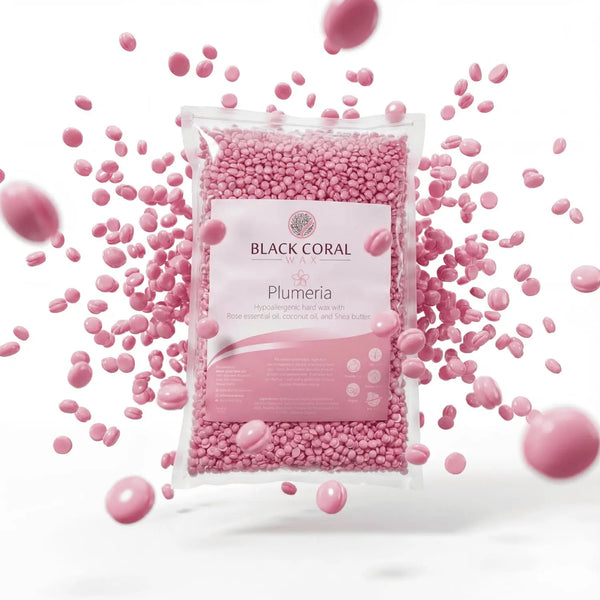
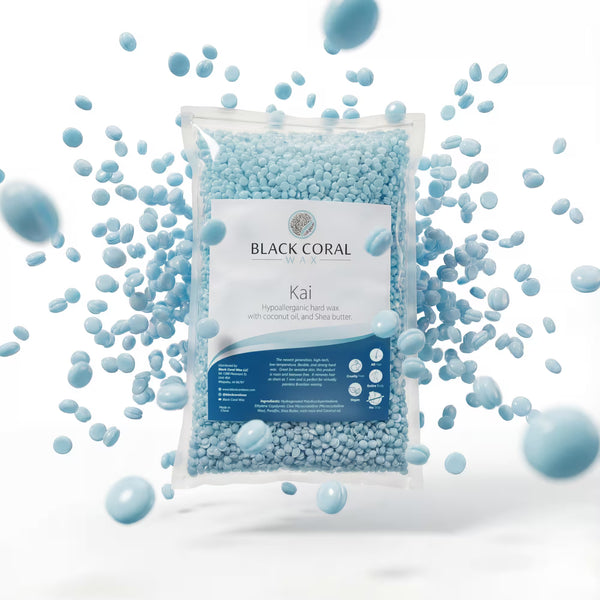
For professional products like Black Coral Wax's signature hard wax beads, this preparation is essential. Our wax is formulated to shrink-wrap each hair, and it requires a clean, completely dry surface to achieve a perfect grip.
The Science Behind A Flawless Grip
If the skin is not properly cleansed before a service, it is often covered in a microscopic layer of natural oils, sweat, or lotion residue. This film acts as a barrier, preventing the wax from adhering securely to the hair.
When this occurs, the esthetician may need to apply wax to the same area multiple times. This repetition is a major cause of skin irritation, redness, and can trigger post-wax bumps or folliculitis (inflamed hair follicles). A single, clean pass is always the goal for any professional focused on skin health.
Proper skin preparation is not an optional step; it is the foundation of a successful, low-discomfort waxing service. It makes sure that the wax works as it should, sticking only to the hair and leaving the skin calm and smooth.
This preparation also includes skin care routines in the days before an appointment. Using a high-quality pure aloe gel on your skin, for instance, can be helpful. It calms and conditions the skin, making it stronger and ready for treatment.
The Importance of Gentle Exfoliation
It's very important to wash your face right before your session, but it's also very important to exfoliate at the right time. Exfoliation is great for getting rid of dead skin cells that can trap hairs and cause ingrown hairs, but it has to be done at the right time.
The best time to gently exfoliate is 24 to 48 hours before a waxing appointment, not the day of the appointment. There are a number of reasons why this timing is important:
-
Stops Over-Sensitizing: Exfoliating right before a wax can make the skin too sensitive and raw, which makes it more likely that it will lift and irritate during the service.
-
It gets rid of dead skin buildup, which lets shorter hairs come to the surface so the wax can grab them better.
-
Makes the Canvas Smooth: It gets rid of rough, dry spots so that the wax can be applied evenly without pulling on the skin.
This planned way of cleaning and exfoliating makes for a great service. Read our full guide on how to prepare for a Brazilian wax to learn more about how to get ready for certain areas. In the end, all of this careful planning makes sure that every client leaves with skin that is smooth and healthy.
Your professional shower routine before waxing
Getting the pre-wax shower just right is important for getting salon-quality results, whether you're doing it for a client or for yourself. This routine isn't just about cleaning; it's also about getting your skin ready for the wax to work well by gripping the hair instead of the skin. Following this professional protocol can make a big difference in how comfortable and effective it is.
Begin with water temperature. Use warm water, never hot. Hot water can increase skin sensitivity and cause inflammation, which is counterproductive before a wax. The goal is to gently open the pores and soften hair follicles, not to put the skin under stress.
Cleansing The Right Way
The cleanser used is as important as the water temperature. Select a gentle, pH-balanced, and fragrance-free body wash. Harsh soaps or heavily scented products can strip the skin’s natural protective barrier or leave behind an invisible film that inhibits wax adhesion.
Use your hands or a soft cloth to gently cleanse the area. Avoid aggressive scrubbing. The objective is simply to wash away any sweat, oil, or product residue, providing the wax with a clean surface to grip. Rinse thoroughly to ensure no cleanser remains on the skin.
The Post-Shower Protocol
The steps taken after showering are absolutely critical for a successful wax.
Gently pat the skin completely dry with a clean towel. Pat, do not rub. Rubbing creates friction and can irritate the skin before the service begins. The area must be 100% dry for the wax to adhere correctly. Even minimal dampness will prevent both hard and soft wax from performing as intended.
The most critical part of this routine is what you avoid afterward. Immediately following your shower, do not apply any lotions, body oils, creams, or deodorants to the area you plan to wax.
These products are the primary reason for ineffective waxing sessions. They create a slick barrier on the skin that completely undermines the wax's ability to grip the hair. This forces the esthetician to apply wax over the same spot repeatedly, which can lead to irritation, lifted skin, and unnecessary discomfort. A clean, bare canvas is non-negotiable for a professional result and a smoother, healthier skin finish.
After waxing, how to care for your skin and when to shower again
After the service is over, the focus changes from getting rid of hair to protecting the skin. Now the question isn't "wax before or after shower," but "how soon is it safe to do so?" The skin is more sensitive for a short time, and the hair follicles are open, which makes them more likely to get irritated and infected. This is why a waiting period is necessary.
The best thing to do is wait at least 24 hours before taking a hot shower or bath. Heat and steam can make redness and swelling worse, which slows down the skin's natural healing process. If you put hot water on open pores too soon, it can trap bacteria and cause breakouts or small infections.
The first 48 hours are very important.
Think of this first post-wax window as a time to heal. The main goal is to give the skin a calm, stress-free place to heal.
Follow these professional guidelines to help the healing process:
-
Put on clothes that are loose: Choose fabrics that are soft and breathable, like cotton. Tight clothes rub against the skin, which can make it itchy and cause ingrown hairs.
-
Don't work out hard, go to a sauna, or use a steam room for one to two days. Sweat can bring bacteria into open follicles.
-
Don't go outside: Skin that has just been waxed is more likely to get UV damage and dark spots. Stay out of the sun and tanning beds.
This gentle care keeps the finish smooth and clean and helps keep common problems like bumps and redness that lasts a long time at bay. If you want to learn more, read our guide on what to do and not to do after waxing.
Your First Shower After Waxing
Your first shower should be gentle after 24 hours have passed. Water that is lukewarm, not hot, is best. When the skin is most sensitive, hot water can make the inflammation worse and take away the skin's natural moisture.
Pick a mild, fragrance-free cleanser that will calm your skin instead of making it worse. Soaps that are too harsh can change the pH balance of the skin and make it dry. After washing, use a clean, soft towel to gently pat the area dry. Rubbing is too rough on skin that has just been treated.
Taking care of your skin after waxing isn't just for comfort; it's a necessary step to keep your skin healthy and get perfect, long-lasting results. The first 48 hours of care for the skin set the tone for how healthy and good it will look until the next appointment.
You could try topical solutions that combine lidocaine and aloe vera to help calm any remaining pain. Following these steps for aftercare is the best way to keep your skin calm, healthy, and smooth.
How to Get Ready for Different Types of Wax and Skin
A shower before waxing is always a good idea, but how to prepare the skin can depend on the type of wax and the client's skin. Not all waxes are made the same way, and knowing these differences is what makes a regular service better than a regular one. The goal is still a clean, dry surface, but the reason for it can change.
For instance, hard wax is made to "shrink-wrap" the hair without sticking to the skin too much. Because of this quality, it's great for sensitive areas. The skin must be completely clean for this shrink-wrap effect to happen. If there is any oil or sweat on the hair, the wax won't stick to it well, which can cause the hair to break and make the result uneven.
Making Changes for Soft Wax Adhesion
Soft wax, which is also called strip wax, has slightly different requirements. Soft wax is made to stick to both hair and the top layer of skin, unlike hard wax. This dual adhesion makes it very good at getting rid of hair from big areas, but it also means that it doesn't work as well if you don't prepare it properly.
Even a little bit of moisture or leftover body oil will make the strip less sticky. This could lead to an application that is sticky and doesn't work, leaving hair behind and needing to be reapplied, which could make irritation more likely. For soft wax, it is essential to clean the skin thoroughly and make sure it is completely dry.
You can read our ultimate guide to soft wax vs hard wax to find out more about the differences.
A professional pre-wax cleaner is a must-have for both types of wax. It gets rid of any last bits of dirt that a shower might have missed and helps balance the skin's pH, making it the perfect surface for wax to stick to.
Things to keep in mind for sensitive skin
When working with clients who have sensitive or reactive skin, this preparation is even more important. For these people, the shower and wash before waxing aren't just about getting good results; they're also necessary to keep redness and possible reactions to a minimum.
A good, gentle cleanse soothes the skin and gets rid of bacteria on the surface that could get into open follicles and cause breakouts or inflammation after waxing.
-
The bikini line and underarms are two areas that naturally sweat and get oily more than others. A very thorough pre-wax cleanse is necessary for these areas to make sure the wax sticks well and gives you a perfect finish.
-
Calming Ingredients: A pre-wax cleanser with calming ingredients can help reduce redness before the service starts, which will make the whole experience better for the client.
In the end, the difference between a regular service and a truly professional one is that they prepare the skin differently depending on the type of wax and skin. It shows that you care about your skin while making sure that products work as well as they can.
Get Perfect Results Every Time
It's not just the wax that makes it perfect; it's knowing how to do everything from getting ready to taking care of it afterward. Any experienced esthetician will tell you that the professional standard is clear and cannot be changed: always shower before getting waxed and wait a full 24 hours before showering again.
This isn't just a random rule; it's a basic rule of professional hair removal that keeps skin healthy and smooth for longer. When you wax your skin, the hair follicles are open, which makes it easy for bacteria and irritation to get in. If you wait to take your first shower, your pores will have time to close and any swelling will go down on its own.
This dedication to the whole service cycle is what makes a good wax into an exceptional one and shows that you are a professional when it comes to skin health. To make a routine that works for you, read our guide on how often you should wax.
Check out the Black Coral Wax collections to help with your work routine. Our products are made to work better at every step, from cleaning your skin before waxing to soothing it after waxing, so you always get perfect results.
Need More Information? We've got answers.
Here are answers to some common questions about showering and waxing that back up the professional advice given to help you get the best results.
What if I can't take a shower before my waxing appointment?
If you can't take a full shower, the next best thing is to use professional-grade skin cleansing wipes on the area that needs to be waxed. This will get rid of oils, sweat, and dirt on the surface that can make it hard for wax to stick.
The most important thing about this solution is that the skin must be completely dry before the service starts. The main goal is to arrive with clean, ready skin, and this is a good choice if you don't have a lot of time.
Can I Work Out After I Take a Shower?
Even if you plan to shower right after, it is highly recommended that you don't do any hard workouts on the day of your waxing service. When you work out, your body temperature rises, and sweat can get trapped in your hair follicles, which a quick shower might not get rid of.
This combination of heat and perspiration can make already sensitive skin more reactive and the experience more uncomfortable. For the best outcome, it is always advisable to schedule your workout for a different day.
We strongly advise waiting a full 24 hours before your first proper shower. The risk is not just the heat from the water; it is the potential introduction of bacteria into freshly opened pores.
Is A Cold Shower Okay After Waxing Instead Of Waiting?
A cold or lukewarm shower is certainly less irritating than a hot one, but it does not eliminate the primary risk. Any water, regardless of its temperature, can introduce bacteria to vulnerable follicles, which may lead to irritation or breakouts.
If rinsing off is absolutely necessary, make it extremely brief. Use cool water and do not apply soap or cleanser to the freshly waxed area. Afterward, gently pat the skin dry with a clean, soft towel.
For a flawless waxing experience from start to finish, the right products make all the difference. Explore the Black Coral Wax collections to discover professional-grade formulas designed for superior results and client comfort. Find your perfect wax today.