The Best Soft Wax for Estheticians | 2026 Selection Guide
Choosing the best soft wax for estheticians is important because it affects how comfortable your clients are, how quickly you can do your job, and your professional reputation. The right formula goes on smoothly, is gentle on the skin, and has high-quality ingredients that keep clients coming back. This guide will help you sort through the choices and make a confident choice.
FREE COURSE
Turn Your Passion for Beauty Into a $75K+ Waxing Business
GET IT NOW!
Course succesfuly sent. 🎉
Please go to your inbox to recieve it.
How to Choose the Right Soft Wax for an Esthetician
Your tools are the most important part of your job as a waxing professional. Soft wax, which is also called strip wax, is a must-have in any salon because it works well on big areas like legs, arms, and backs. It works great for quickly getting rid of fine hairs, which is why it's an essential part of any professional waxing kit.
This guide goes beyond what marketers say to look at what really makes a soft wax better, from how well it works and how safe it is to how happy customers are.
Why it's important to pick the right soft wax
The soft wax you choose will have a direct effect on how well your business runs and how well it does. A high-quality wax lets you work faster, cuts down on product waste, and, most importantly, makes your clients more comfortable. That efficiency and comfort are what make you stand out in a crowded market.
The hair removal business is still growing quickly. For estheticians, this growth shows how important it is to have products that always give professional results. A high-quality soft wax can greatly improve your workflow, letting you serve more clients without lowering the quality of your work.
It's important to know your options so you can make an informed choice. The table below shows the main differences between soft wax and hard wax.
|
Feature
|
Soft Wax (Strip Wax)
|
Hard Wax (Stripless Wax)
|
|
Removal Method
|
Requires a muslin or non-woven strip for removal.
|
Hardens and is removed without a strip.
|
|
Application Area
|
Ideal for large areas like legs, arms, and the back.
|
Best for smaller, more sensitive areas like the face or bikini line.
|
|
Application Layer
|
Applied in a very thin, even layer.
|
Applied thicker to create a "lip" for pulling.
|
|
Skin Adherence
|
Adheres to both the skin and the hair.
|
"Shrink-wraps" around the hair, adhering minimally to the skin.
|
What Defines a Superior Professional Soft Wax
So, what makes one soft wax better than another? You need more than promises in the treatment room; you need results. A high-quality soft wax, or strip wax, is all about getting the same results every time, which keeps clients safe, comfortable, and loyal.
It is a tool for professionals, and it needs to work every time.
The recipe is what makes any great soft wax great. In the professional world, you'll mostly see two kinds of waxes: resin-based and cream-based. Each one is made for a specific use and has a different texture and benefits for different clients and services.
When you know about these differences, you can stop using a one-size-fits-all approach and start giving treatments that are really tailored to each person. Our guide on soft wax for hair removal goes into more detail about how to choose the right formula.
Low Melting Point for Comfort of Clients
A low melting point is one of the most important things about a high-quality soft wax. A high-quality soft wax should melt at a lower temperature, between 55 and 60 degrees Celsius (130 and 140 degrees Fahrenheit). This makes clients much more comfortable and safe.
Clients with sensitive skin should be especially careful because a lower temperature lowers the risk of redness, irritation, or burns. This makes the experience better and more reassuring, which builds trust, which is the foundation of a loyal customer base.
Always check the temperature of the wax on your own inner wrist before using it on a client. It should feel warm but not hot. This easy step makes sure that every service starts off safely and professionally.
Not only do modern soft wax formulas make you more comfortable, but they also make your service more efficient. This is a very important benefit in a market for cosmetic wax that is growing.
The best viscosity and grip
When the temperature is right, the next thing to look at is viscosity, which is how thick and how easily the wax flows. When warm, the best soft waxes feel smooth and like honey. This lets you put on a clean, thin layer of paper that spreads out evenly without skipping or dragging on the skin.
This perfect consistency has two big benefits:
-
Product Efficiency: A thin application layer means you use less wax for each service, which saves you a lot of money over time.
-
Unmatched Grip: The thin layer sticks to every hair, even the fine, downy ones that are hard to get rid of. This makes sure that the pull is clean and leaves behind as little residue as possible.
On the other hand, a wax with low viscosity is hard to work with. It's hard to spread if it's too thick. It makes a mess and doesn't hold well if it's too thin and runny, so you'll have to re-wax the same spot. A great formula makes your job easier and gives your clients the perfect finish they expect.
Comparing Different Professional Soft Wax Formulations
Any professional esthetician needs to know about the different types of soft wax. It's not about finding one "miracle" product; it's about knowing which formula to use for each client's skin and hair type. This choice has a direct impact on how comfortable they are and how well your results turn out.
In your treatment room, you'll mostly work with three main types of products: cream, honey, and gel/resin waxes. They all have a different feel, ingredient list, and performance, which makes them perfect for certain uses.
Waxes Made with Cream
Cream waxes have a thick, creamy look that comes from added emollients and skin-soothing agents. These formulas are made to give the skin an extra layer of protection.
-
Key Ingredients: They usually have titanium dioxide in them, which makes them creamy and protects the skin from the wax. Many of them also have calming herbs like lavender or chamomile in them.
-
Best Use: This is what you should use on clients with sensitive, reactive, or mature skin. The gentle formula reduces redness and irritation, making it a better choice for clients who are new to waxing or have sensitive skin.
-
Feel of Application: The texture is rich and soothing as it glides onto the skin, making it less harsh than other soft waxes.
When working with skin that is easily irritated, cream waxes are very helpful. Ingredients like titanium dioxide that buffer the skin not only protect the client, but they also make you feel more confident when waxing sensitive areas.
Waxes Based on Gel and Resin
Gel or resin-based waxes are on the other end of the scale. They are usually see-through and have a strong, sticky grip because they have a lot of synthetic or natural resins in them.
This formula is all about how strong and effective it is. When you have coarse, stubborn, or deeply rooted hair, a resin-based wax gives you the strong grip you need to get a clean pull on the first try. You can also see the hair through the wax, which helps you apply it exactly where you want it. To learn more about when to use soft wax, check out our full comparison of soft wax and hard wax.
Honey-Based Waxes
The classic honey-style wax is a long-standing standard in soft waxing. It's typically amber-colored and transparent, with a consistency that resembles natural honey when warmed.
These waxes offer solid, balanced performance with a reliable grip that works well for most normal skin and hair types. While they lack the soothing buffers of a cream wax, they are workhorses for large-area waxing on clients without specific sensitivities. Their simplicity and effectiveness are why they have remained a salon staple for decades.
Professional Soft Wax Formulation Comparison
This table breaks down the key differences between these three professional soft wax types, serving as a quick reference to help you select the ideal formula for every appointment.
|
Wax Type
|
Key Ingredients
|
Ideal For (Hair/Skin Type)
|
Application Texture
|
Client Comfort Level
|
Best Use Case
|
|
Cream Wax
|
Titanium Dioxide, Emollients
|
Fine to medium hair; sensitive, dry, or mature skin
|
Opaque, rich, and creamy
|
High
|
Facial waxing, underarms, or any client prone to redness and irritation.
|
|
Gel/Resin Wax
|
Natural or Synthetic Resins
|
Coarse, stubborn, or dense hair; normal to oily skin
|
Translucent, thinner, and highly adhesive
|
Moderate
|
Legs or back with resistant hair; clients who need maximum hair removal efficiency.
|
|
Honey Wax
|
Natural Sugars, Rosins
|
Normal hair; normal skin types
|
Transparent and fluid, like warm honey
|
Moderate
|
General-purpose body waxing on large areas for clients without sensitivities.
|
Having more than one formulation on your wax cart is what distinguishes a good esthetician from a great one. Stocking both a gentle cream wax and a powerful resin-based option ensures you are prepared for any skin or hair type that walks through your door, allowing you to deliver a customized, comfortable, and effective service every time.
Mastering Your Soft Wax Application Technique
Having the best soft wax is an excellent start, but your technique is what truly creates impeccable results. A clean, efficient workflow not only delivers a flawless finish but also builds client trust by making the experience comfortable and professional. It's what elevates a standard service into a memorable one.
The path to a great wax begins long before you dip the applicator into the pot. It all starts with proper skin preparation.
The Pre-Wax Ritual
Always begin by cleansing the treatment area. A quality pre-wax cleanser removes any oils, lotions, or sweat that could prevent the wax from adhering properly to the hair. The skin must be completely dry, so a light dusting of pre-wax powder can be beneficial, especially in humid conditions or for clients prone to perspiration.
This initial step ensures the wax adheres to the hair, not the skin, which means less irritation and cleaner hair removal.
Achieving the Perfect Consistency
Warming your soft wax to the correct temperature is crucial for both safety and efficacy. The ideal consistency is like warm, fluid honey-it should glide smoothly from your applicator without being so thin that it’s drippy or dangerously hot.
Most professional soft waxes perform best between 55°C and 60°C (130°F and 140°F), but formulas can vary. A reliable wax warmer is non-negotiable for maintaining a steady temperature. If you're looking to upgrade, our guide on choosing the best professional wax warmer can help you find the right fit for your treatment room.
Expert Insight: Always test the wax temperature on your own inner wrist before it touches your client. This simple habit is your final safety check to prevent burns and demonstrates your commitment to their comfort from the start.
The Art of Application and Removal
Once the skin is prepped and the wax is at the perfect temperature, it's all about your application. This part of the process also requires the right set of essential beauty tools to ensure everything goes smoothly.
Follow these steps for a clean, effective wax:
-
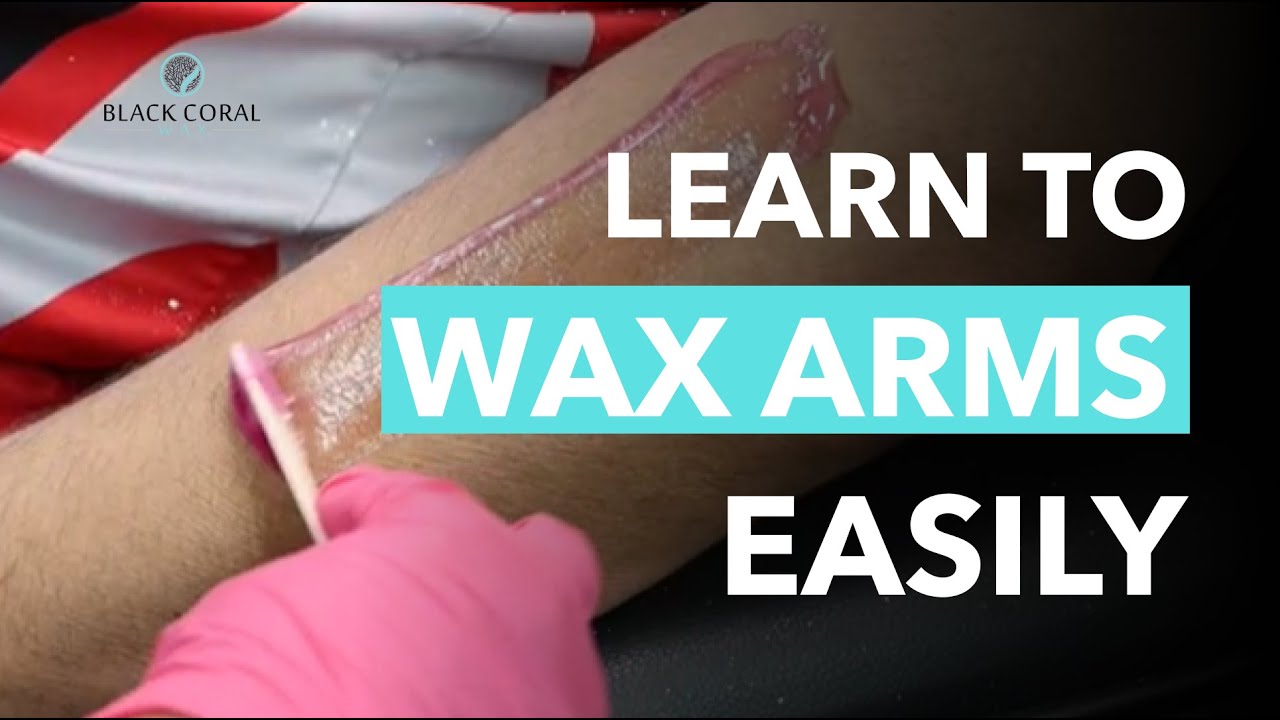
Apply with purpose. Using a fresh applicator, spread a thin, even layer of wax in the direction of hair growth. Use firm but comfortable pressure to ensure the wax coats every hair. A layer that is too thick will not dry properly and will be messy.
-
Place the strip. Immediately after applying the wax, lay a muslin or non-woven strip over it. Smooth it down firmly in the direction of hair growth, leaving a small "tab" at the end that isn't stuck to the wax. This is your grip for removal.
-
Hold the skin taut. This is one of the most important steps for client comfort. Use your free hand to pull the skin tight around the strip.
-
Pull correctly. Grasp the tab and remove the strip in one quick, decisive motion. Pull parallel to the skin, not up and away from it. Pulling upwards can cause bruising, irritation, and hair breakage. A swift, parallel pull ensures clean results and a happier client.
Essential Post-Wax Care
The service isn't finished once the last strip is removed. Calming the skin is the final, crucial step in a professional waxing service.
Immediately apply a quality post-wax oil or soothing lotion. This helps remove any sticky residue and, more importantly, soothes redness and calms inflammation. Look for products with calming ingredients like chamomile, aloe, or lavender. Advise your client on proper aftercare, such as avoiding sun exposure and exfoliation for the next 24-48 hours, to ensure their smooth results last.
Troubleshooting Common Soft Wax Issues in the Salon
Even with premium wax and years of experience, challenges can arise in the treatment room. Issues like sticky residue or stubborn hairs can disrupt your workflow and affect your client's comfort.
The key isn't to avoid problems entirely, but to know how to identify and solve them efficiently. This is what distinguishes an experienced esthetician.
Diagnosing and Solving Sticky Residue
One of the most common frustrations with soft wax is the tacky residue left on the skin after removal. This is uncomfortable for the client and time-consuming to clean.
Often, the cause is either applying the wax too thickly or improper skin preparation.
-
Problem: The wax is applied too thickly. A heavy layer won't set correctly and cannot achieve the clean grip needed for a perfect pull.
-
Solution: Focus on spreading a paper-thin, translucent layer of wax. You should be able to see the hair through it. If your wax has the ideal warm, honey-like consistency, it will glide on smoothly.
-
Problem: The skin wasn't prepped properly. Any oil, lotion, or moisture on the skin's surface will prevent the wax from adhering to the hair.
-
Solution: Always start with a quality pre-wax cleanser to remove any surface residue. For oily skin or in humid conditions, a light dusting of powder creates a dry canvas for the wax to grip effectively.
Addressing Incomplete Hair Removal or Hair Breakage
It's frustrating to remove a strip and see that half the hair was left behind or, worse, snapped at the surface. This ruins the smooth finish and can lead to faster regrowth and ingrown hairs.
This issue almost always comes down to your application direction, removal technique, or wax temperature. To refine your skills, it can be helpful to review the most common waxing mistakes and how to avoid them.
Professional Insight: When hair breaks instead of being removed from the root, it’s a clear signal to reassess your technique. The most common error is pulling the strip upward and away from the body instead of keeping it low and parallel to the skin.
Here are a few quick fixes:
-
Check Application Direction: Always apply soft wax in the direction of hair growth. This helps the wax envelop each hair shaft for a secure grip.
-
Perfect Your Pull: Ensure you're holding the skin taut with one hand while pulling the strip back in the opposite direction of hair growth. Your pull should be swift, confident, and parallel to the skin-never up.
-
Evaluate Wax Temperature: Wax that is too cool will be too thick to adhere properly. If it’s too hot, it can become less effective. Monitor your warmer to maintain that perfect "warm honey" consistency.
Managing Skin Lifting or Excessive Redness
While a little pinkness after waxing is normal, significant redness, irritation, or any sign of skin lifting indicates an issue. These are almost always preventable with the right technique and product choice.
The most common causes are using the wrong type of wax for your client’s skin, waxing the same area more than once, or failing to hold the skin taut during removal.
-
For Sensitive Skin: If your client has delicate or reactive skin, choose a cream-based soft wax. These formulas often contain buffering ingredients like titanium dioxide, which creates a gentle barrier and minimizes irritation.
-
Avoid Over-Waxing: It's a firm rule: never apply soft wax to the same area more than once in a single service. Soft wax exfoliates the top layer of dead skin cells, and a second pass risks lifting and irritation. If a few stray hairs remain, use tweezers.
-
Hold Skin Taut: This is the single most important step for preventing skin lifting. By pulling the skin tight, you anchor it in place, so only the strip and the hair are removed.
Why Professionals Trust Black Coral Soft Wax
We've covered the technical aspects-viscosity, temperature, and what makes a soft wax truly exceptional. But theory is one thing; finding a wax that consistently delivers in the treatment room is another. For thousands of estheticians, that trusted solution is Black Coral Wax. Our formulas are a real-world answer to the demands of a busy professional.
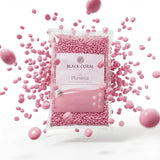
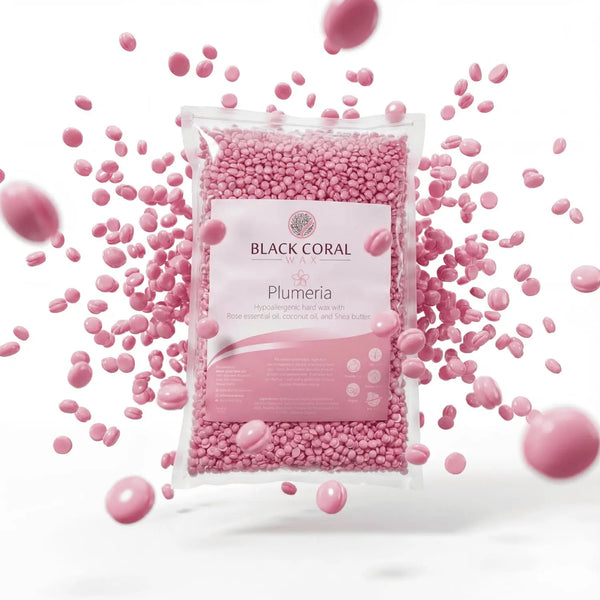
Our Pele and Plumeria blends bring this theory to life. These lab-tested, Hawaii-inspired formulas were created to provide a superior waxing experience for both you and your clients.
Made for a Smoother, Faster Workflow
Black Coral Wax is designed with your professional day in mind. The low melting point means it’s ready quickly and remains at a safe, comfortable temperature for your client's skin. This isn't just about comfort; it builds client trust, especially for those with sensitive skin who may be apprehensive about waxing.
The real difference is in the performance. The texture glides on in a thin, even layer, while its grip is powerful yet gentle. It adheres to the hair, not the skin, ensuring complete removal on the first pull. This saves you time on touch-ups and reduces product waste, resulting in a faster service and a cleaner finish for your client.
The demand for skin-friendly soft waxes is growing. The global cosmetic wax market is a multi-billion dollar industry, and a significant number of estheticians now prioritize gentle formulas for sensitive areas. That’s why thousands of professionals trust our blends. The low-melt efficiency alone can significantly improve service time compared to other waxes.
More Than a Product, It's a Partnership
Choosing the right soft wax is about more than what's in the jar. It’s about partnering with a brand that understands what you need to grow your business. At Black Coral Wax, we offer more than a great formula-we are dedicated to your success.
We provide salon owners and solo estheticians with meaningful support to help them build their businesses:
-
Wholesale Pricing: Access professional-grade wax at prices that support your bottom line, allowing you to grow without compromising on quality.
-
Dedicated Education: We are committed to helping you stay at the forefront of the industry. Our resources, from in-depth blog guides to professional training, are here to support your continued education.
When you choose Black Coral Wax, you join a community of professionals who value quality. You're choosing consistency, safety, and the kind of results that keep clients coming back.
We invite you to experience the difference for yourself. Explore our collection and discover why so many estheticians who prioritize quality trust Black Coral for every service.
Your Soft Wax Questions, Answered
Mastering soft wax is about understanding the details that make a significant difference. Here are answers to some of the most common questions from fellow estheticians to help you refine your craft.
What’s the Perfect Temperature for Soft Wax?
Most professional soft waxes perform best between 55°C and 60°C (130°F and 140°F). You're looking for a smooth, honey-like consistency that glides on easily in a thin layer.
If the wax is too thick, it’s likely too cool. If it's runny, it’s too hot. Always perform a quick temperature test on your inner wrist before it ever touches a client. This is a non-negotiable safety step.
Can I Use Soft Wax on Sensitive Areas?
You can, but it's an advanced technique that requires both skill and the right product. Cream-based soft waxes are generally gentler, making them a better option for delicate areas like the face or bikini line.
That said, many estheticians prefer hard wax for these areas. Its shrink-wrapping action is often better suited for coarse hair in sensitive zones. The best approach is to assess your client's skin and hair, then use your professional judgment.
How Can I Prevent the Wax from Leaving a Sticky Residue?
Sticky residue is almost always a technique issue. It starts with thorough preparation-ensure the skin is completely clean and dry before applying wax. A quality pre-wax cleanser is essential.
Apply the wax in a very thin, even layer. If you still have a little tackiness left after removing the strip, a good post-wax oil will dissolve it instantly while soothing the skin.