Overgrown Brazilian Wax: Expert Tips for a Smooth, Comfortable Service
A client shows up for a Brazilian and the hair is far past the ideal length. That happens all the time. It can feel awkward for the client, and it can turn into a more difficult service if you treat it like a standard appointment.
A Brazilian wax on overgrown hair needs a different approach. Hair that's too long is more likely to tangle, pull unevenly, and break instead of lifting cleanly from the root. The good news is that this is manageable when you slow down, trim first, prep the skin carefully, and work with intention.
FREE COURSE
Turn Your Passion for Beauty Into a $75K+ Waxing Business
GET IT NOW!
Course succesfully sent. 🎉
Please go to your inbox to receive it.
Handling the Overgrown Brazilian Wax Challenge
Clients often assume longer hair will make the wax "grab better." In practice, the opposite can happen. Very long hair creates drag, twists into the wax, and can make removal feel harsher than it needs to.
This is also a client-confidence issue, not just a technical one. The psychological barrier of letting hair grow long enough for a wax remains a top concern, and there's still relatively little professional guidance addressing the anxiety around overgrown appointments.
Practical rule: Treat overgrown hair as a service variation, not a problem.
When you normalize it, clients relax. When you adjust your method, the appointment gets cleaner, more efficient, and far more comfortable.
A newer waxer typically struggles in one of three ways: rushing and waxing long hair as-is, overworking the area after breakage starts, or not explaining to the client why trimming or smaller sections are necessary. A calm, step-by-step workflow solves most of that.
How Long Is Too Long for a Brazilian Wax
The ideal Brazilian wax hair length is about ¼ inch (6 mm)-roughly the size of a grain of rice. That length gives hard wax enough hair to anchor to without creating extra drag during removal.
Once hair exceeds ½ inch, it enters overgrown territory for practical waxing purposes. At that length, hair is significantly more prone to tangling and mid-shaft breakage, which leads to more passes, more discomfort, and a less satisfying result.
|
Hair length
|
What it means in practice
|
|
About ¼ inch
|
Ideal grip and cleaner removal
|
|
Above ½ inch
|
More tangling, more breakage risk, more discomfort
|
|
Well past ½ inch
|
Needs trimming before you apply wax
|
The issue isn't just length. It's control. Overgrown hair can lie in multiple directions, cover follicle openings, and make your application look neat while the pull behaves badly.
Assessing and Trimming Overgrown Hair
Start with a visual check, then a gloved tactile check. You're looking for length, density, direction changes, and any spots where the hair mats together. Tell the client immediately that this is common and easy to manage with a professional trim.
How to trim before waxing
Use sanitized scissors or a professional trimmer with a guard. Your target is still that rice-grain length, around 6 to 7 mm. Work in sections rather than trying to reduce everything at once:
- Pubic mound first: It gives you a clear starting point and helps the client settle in.
- Sides next: You can see growth direction more easily here.
- Labia last: Slow down and keep tension gentle with your non-working hand.
Trim in the direction of growth to reduce snagging and keep the skin calmer.
If hair is obviously too long, trimming isn't optional. It's part of the wax.
Don't tell clients to handle pre-wax trimming at home. That's one of the fastest ways to end up with hair too short for the wax to grip, leading to patchy removal, unnecessary passes, and a frustrated client.
Essential Skin Preparation Before Waxing
Once the hair is at the right length, prep the skin so the wax grips hair instead of oil, sweat, or surface residue. Start with a professional cleanser and remove everything thoroughly. A light layer of pre-wax oil comes next. Keep it minimal; the skin should feel protected, not slippery.
Before you load your first stick, do a final check. Look for:
-
Visible irritation: Avoid compromised areas.
-
Raised ingrowns: Work around them if needed.
-
Product buildup: Heavy moisturizer can make it seem like the wax won't grip hair when the actual problem is residue.
-
Trim sensitivity: Freshly trimmed skin can feel more reactive, so your oil barrier matters.
Clean skin, dry roots, and a light protective barrier give you a much more predictable pull.
Choosing the Right Wax for Coarse or Long Hair
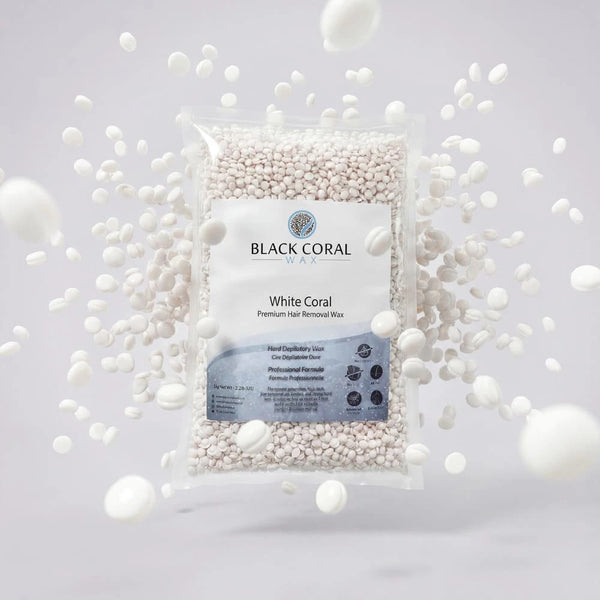
For waxing overgrown hair in the bikini area, hard wax is the smarter choice. Soft wax can be useful on larger body zones, but this service calls for a formula that grips hair firmly while staying gentler on intimate skin. Hard wax sets around the hair shaft and releases from skin more cleanly when your application is correct.
When selecting a formula, a few practical distinctions matter:
-
Flexible set: You want a wax that won't shatter when you remove smaller sections.
-
Clean edge: Overgrown services go better when you can create a defined lip.
-
Controlled grip: Strong enough to catch coarse hair, but not so aggressive that you overwork the skin.
Options like Plumeria Hard Wax for sensitive skin and thicker hair, or Kai Hard Wax for coarser growth, are designed for exactly this kind of service.
Professional Waxing Technique for Overgrown Areas
Your technique should get more precise as the appointment gets more challenging. Keep sections small. On an overgrown Brazilian, that usually means working in patches of about 2 to 3 inches instead of trying to clear broad areas.
A reliable section order:
- Pubic bone
- Sides
- Labia
- Perineum or back strip
Use butterfly positioning for open access to the front, and figure-4 positioning when the sides need better tension. Keep one hand on the skin at all times for support and tautness.
What works and what doesn't
Apply wax with pressure in the direction of growth, leave a usable lip, wait for a proper set, and remove fast and parallel to the skin. What consistently backfires: big patches on dense hair, thick heavy applications, upward pulling, and repeated passes over already-irritated skin.
A formerly overgrown area often responds best when you treat every pull as something that needs to be clean on the first try.
Post-Wax Care and Client Communication
Finish the service with residue removal, then apply a calming post-wax product. The skin should feel clean and soothed.
Keep aftercare instructions simple: loose clothing for 24 hours to reduce friction, no heat or heavy sweating immediately after (freshly waxed skin is more reactive), gentle exfoliation starting at 48 hours to support ingrown hair prevention, and regular moisturizing to help hairs grow through more easily.
This is also where scheduling matters. Maintaining a 4 to 6 week appointment pattern helps prevent the overgrowth cycle and generally leads to a more consistent result over time, with many clients noticing reduced density and discomfort after several sessions. Inconsistent 7 to 10 week intervals tend to reset that progress.
The best time to rebook is while the skin is calm and the result is fresh.
Common Mistakes to Avoid With Long Hair Waxing
The biggest mistake is trying to wax long hair without trimming it first. That shortcut creates exactly the problems you're trying to avoid: more tangling, uneven pulls, mid-shaft breakage, and unnecessary client discomfort.
Other mistakes that backfire quickly include:
-
Using soft wax in the bikini zone: It can be too aggressive for this area.
-
Applying wax too thick: Thick application slows your set and muddies the pull.
-
Rushing communication: A quiet client isn't always a comfortable client.
-
Chasing every missed hair immediately: That's how you irritate skin.
A steady, confident pace is visible to clients. It matters.
Mastering Every Waxing Scenario
An overgrown Brazilian wax doesn't need to throw off your day. When you trim first, prep the skin well, choose the right wax, and work in small sections, the service becomes controlled rather than stressful. For hands-on guidance, including a dedicated overgrown hair lesson, video-based training through Black Coral Academy covers this scenario step by step.
Frequently Asked Questions About Overgrown Waxes
Can you wax hair that's too long?
Yes, but not as-is. Trim it to the ideal working length first, then apply wax.
How do I trim before a Brazilian wax?
Use sanitized scissors or a professional trimmer and reduce hair to about ¼ inch. Work section by section and trim in the direction of growth.
What happens if you wax overgrown hair without trimming?
You increase the chance of tangling, uneven pulls, breakage, and unnecessary discomfort. The result is typically less smooth and harder to clean up.
How long should hair be for a Brazilian wax?
About ¼ inch or 6 mm. The grain-of-rice visual is a helpful reference when explaining this to clients.
How often should I get a Brazilian wax to avoid overgrowth?
A 4 to 5 week schedule is generally easier to maintain and delivers more consistent results than waiting until hair feels fully overgrown again.
What if the client trimmed at home and went too short?
Don't force the service. If the wax can't grip, pushing ahead leads to frustration and unnecessary skin stress. Rebook once there's enough length to remove cleanly.