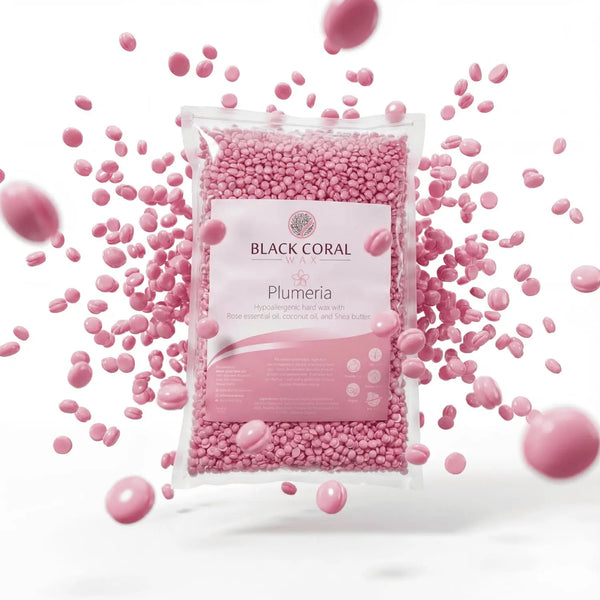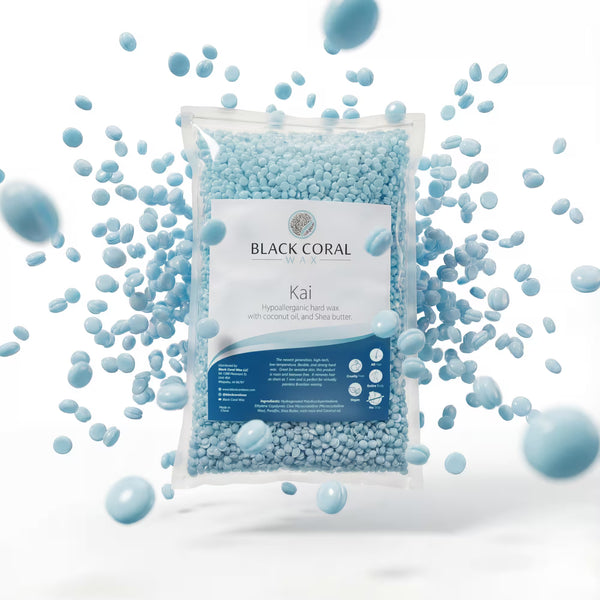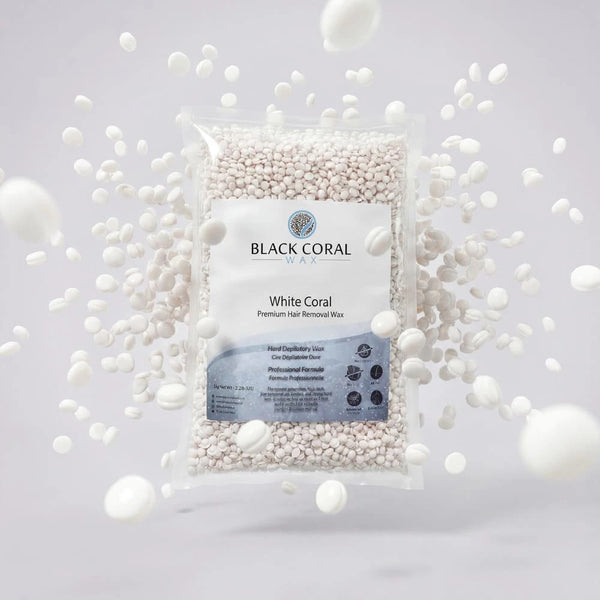


When it comes to professional hair removal, nothing delivers the smooth, skin-loving results of hard wax beans. Their unique magic lies in how they work: the wax adheres firmly to the hair and only the hair - not your client's delicate skin.
This "shrink-wrapping" effect makes for a significantly less painful removal process. It's precisely why hard wax is the trusted choice for sensitive areas and stubborn, coarse hair, leaving skin flawlessly smooth and happy for longer.
Why Hard Wax Beans Are a Game Changer for Professionals
As estheticians and beauty professionals, our goal is always to provide a clean, comfortable, and effective service. This is where waxing with hard wax beans truly shines, setting a higher standard for professional treatments. Unlike soft wax that requires messy fabric strips, hard wax solidifies on its own, creating a flexible strip that's easy and clean to remove.
As it cools, the wax literally shrink-wraps around each individual hair. By gripping only the hair, it avoids pulling and stressing the skin - a critical advantage, especially when working on delicate areas.
The Gentle Power of Hard Wax
The most significant benefit for clients is a major reduction in discomfort. Since the wax doesn't stick to the skin, clients consistently report a much more pleasant waxing experience. This makes it the undisputed champion for sensitive zones such as:
-
The bikini line and full Brazilian waxes
-
Underarms, where skin is prone to irritation
-
Facial waxing, including brows, upper lip, and chin
This gentle approach also means less redness and irritation post-service, so clients can walk out feeling confident, not blotchy. Industry trends support this preference-the global hair removal wax market is seeing significant growth, with hard wax leading the charge in professional settings.
Unmatched Effectiveness on Coarse Hair
Beyond its gentle nature, hard wax is incredibly effective at removing stubborn, coarse hair. It secures a firm grip on thicker hairs, ensuring a clean pull directly from the root.
This technique helps prevent frustrating hair breakage and dramatically lowers the chances of developing ingrown hairs. For a complete comparison, our guide on soft wax vs. hard wax is an excellent resource. Ultimately, waxing with hard wax beans is your most reliable method for achieving impeccably smooth skin, every single time.
Your Pre-Wax Ritual for Perfect Results
A truly perfect waxing service starts long before the first strip is put on. Before painting, you need to prepare the canvas. If you don't do the necessary prep work, the final result won't be as clean or last as long. This step before waxing is a must-do that makes sure your client has a smooth, comfortable, and professional experience.
The key to getting this first step right is to make the surface perfect for the wax to stick to. It lowers the chance of irritation and, most importantly, gives you the best hair removal results.
How to Set Up Your Waxing Station
A clean, organized station is not only professional, but it also makes your whole work flow better. Make sure you have everything you need within reach before your client gets there. This keeps things clean and stops awkward breaks from happening.
Your basic setup should always have:
-
A professional wax warmer: Make sure it's set to the right temperature to get that perfect honey-like texture.
-
High-Quality Hard Wax Beans: Pick a formula that works well with your client's skin and the type of hair you're removing.
-
Before and after waxing, you need an antiseptic cleanser, pre-wax oil, and a soothing post-wax oil.
-
Applicators and Disposables: Get wooden spatulas, cotton pads, and gloves in different sizes ready to use.
This well-organized and dedicated area makes sure that every part of your hard wax beans waxing service is done perfectly and safely.
Getting the Client's Skin Ready
Now it's time for the most important part of the ceremony: preparing the skin. This simple two-step process is what makes sure that the wax sticks to the hair and not the skin, which is the best thing about hard wax.
First, use an antiseptic pre-wax cleanser to clean the area well. This is important because it gets rid of any lotions, sweat, or natural oils that could make the wax less sticky.
Tip: After you clean your skin, put on a very thin layer of pre-wax oil. This is the key to a pleasant experience. It makes a barrier that keeps the hair from sticking to the skin and lets the wax "shrink-wrap" the hair. This one step makes a big difference in how comfortable your client is.
Last but not least, check the length of the hair. For the best results, hair should be about a quarter inch long, or the length of a grain of rice. If it's too short, the wax won't stick well; if it's too long, it might hurt more to take off.
Getting the hang of how to apply hard wax
The real skill in using hard wax beans is how you put them on. This is where your skill makes a good service into a great one, making sure your client is comfortable and getting perfect results. Getting the wax warmer to have that perfect, honey-like consistency is the first step.
Your wax should never be watery or runny. It should instead slowly and thickly drizzle from your applicator. This perfect texture gives you the control you need to apply it exactly right, which helps you make clean, even strips that wrap the hair perfectly.
The Best Way to Apply
You're ready to apply once your wax is the right temperature and consistency.
-
To keep drips from happening, dip your applicator into the pot and spin it.
-
Put the wax on with steady, firm pressure, always moving in the direction that the hair grows. This makes sure that the wax covers each hair from the root, which is important for a clean removal.
-
As you lay down the strip, make the end a little thicker, like a "lip." This part doesn't have to cover any hair; it just needs to give you a clean, easy-to-hold handle for taking it off.
A professional has a well-formed lip. It lets you pull quickly and easily without fumbling, which makes your client much more comfortable. This little thing makes a big difference in the whole experience.
Changing Your Technique for Different Parts of Your Body
You can't use the same method for waxing on everyone. A good esthetician knows how to change their application based on the body part and the problems it has.
-
Use a smaller applicator for better accuracy on the upper lip. Put the wax on in two parts, starting at the outer corner and working your way toward the center on each side.
-
For the Bikini Area: This area is hard because hair often grows in different directions. The secret is to work in small, manageable areas and put the wax on each one according to how the hair grows in that area.
-
For Underarms: Like the bikini line, underarm hair can grow in different directions. You’ll usually need to apply wax in at least two sections - one upward and another downward - to catch every hair.
Mastering temperature control is fundamental to making all of this work. For a deeper dive into this critical skill, check out our guide on the top waxing temperature mistakes and how to avoid them. Building this kind of muscle memory is what elevates your hard wax application from a task to a true art form.
The Art of a Clean and Gentle Wax Removal
The removal is where the real magic of waxing with hard wax beans happens. This moment defines your client’s comfort and the quality of your finish. It’s all about timing, precision, and a gentle but firm touch.
Knowing exactly when the wax is ready is the first step. You're looking for the perfect window where the strip is firm to the touch but still flexible. If you tap it and it’s still tacky, it needs more time. If it’s rock-hard and brittle, you’ve waited too long, and it's likely to crack upon removal.
Perfecting Your Pull Technique
Once the wax is set, the removal must be swift and decisive. The most critical rule? Hold the skin taut with one hand right next to the edge of your wax strip. This simple action provides support, prevents bruising, and dramatically reduces client discomfort. It’s non-negotiable for a professional service.
With your other hand, lift the "lip" you created during application. Then, in one quick, fluid motion, pull the strip back on itself. Keep it as close and parallel to the skin as possible.
Crucial Tip: Never pull the wax strip straight up and away from the body. This perpendicular angle is a common mistake that increases pain, breaks hair instead of removing it from the root, and can even cause skin lifting or bruising. Always pull parallel to the skin.
Aftercare begins the moment the wax is removed. Soothe and protect the skin immediately.
Calming ingredients like aloe vera or gentle, nourishing oils are key to reducing any redness and keeping the skin healthy and hydrated post-wax.
Solving Common Hard Waxing Problems
Even with years of experience, challenges can arise. The difference between a pro and a novice is knowing how to fix issues on the fly without alarming your client. Most problems have a simple cause and a straightforward solution.
|
Problem |
Likely Cause |
Professional Solution |
|---|---|---|
|
Wax Breaking or Cracking |
The wax was applied too thin or was left on the skin too long, causing it to become brittle. |
Stay calm. Apply a small patch of fresh, warm wax over the broken piece, create a new lip, let it set just enough to bind, and remove it all together. |
|
Sticky Wax Residue Left Behind |
This can happen if the wax wasn't fully set or if pre-wax oil wasn't used properly. |
Use a quality post-wax oil on a cotton pad to gently dissolve any tacky spots. Never try to scrub it off, as this will irritate the skin. |
|
"Missed" Hairs |
The hair was too short for the wax to grab, or the wax was pulled against the direction of hair growth. |
If a few stubborn hairs remain, tweezing is your best bet. Avoid re-waxing the same spot immediately, as this can over-sensitize the skin. Advise the client on ideal hair length for their next visit. |
Mastering these quick fixes builds confidence-both for you and your client. Knowing how to recover gracefully ensures every client leaves happy, no matter what.
Essential Post-Wax Care and Client Advice
A truly professional service doesn't end when the last wax strip is removed. The moments immediately following the service are where you solidify your expertise, ensuring your client is comfortable, minimizing irritation, and cementing your status as the go-to expert. This is how you turn a great wax into an unforgettable experience.
First, soothe the skin. Once all the wax is gone, apply a high-quality post-wax oil or calming lotion. Look for products with ingredients like chamomile, aloe vera, or tea tree oil for their anti-inflammatory and antiseptic properties. Gently massage it into the skin to calm immediate redness and rehydrate the area.
Educating Your Client for Long-Term Results
Your role as an expert continues after the client leaves your table. Providing clear, simple aftercare advice is non-negotiable for preventing issues like ingrown hairs and irritation. You're empowering them to maintain the silky-smooth results you just delivered.
The 24-48 hour window after a wax is critical. Clients need to understand that their pores are open and their skin is extra sensitive. Clear instructions prevent post-wax problems and build the trust that keeps them coming back.
Provide them with a simple list of "dos and don'ts" to follow:
- Avoid hot baths, saunas, steam rooms, and swimming pools.
- Steer clear of intense workouts that cause excessive sweating.
- Refrain from using fragranced lotions or exfoliating the area for at least two days.
- Wear loose, breathable clothing to prevent friction and allow the skin to breathe.
A consistent home care routine is the secret to preventing ingrown hairs. This includes gentle exfoliation (starting 48 hours after their appointment) and daily moisturizing. This is also your opportunity to recommend specific after-waxing care products that will help them keep their skin healthy and smooth until their next appointment.
Answers to Your Hard Wax Questions
People who have been waxing for a long time and people who are just interested in beauty ask us a lot of questions about the details of waxing with hard wax beans. Let's clear up some of the most common ones so you can wax without worry.
What is the best temperature for hard wax?
Try to find a sweet spot between 130 and 140°F (55 and 60°C). It should be like thick, warm honey, and it should slide onto the skin easily without being too runny or too hot. Before putting it on a client, always test a small area on the inside of your wrist. To keep this temperature safe, you need a professional wax warmer with a reliable thermostat.
Can I use hard wax on any part of my body?
Yes, for sure. Hard wax is very useful and is thought to be the best option for sensitive areas like the bikini line, underarms, and face. It wraps around the hair instead of sticking to the skin, which is much easier on delicate tissue. It's also great for bigger areas like arms and legs, especially for people who find soft wax too painful.
Why Does My Hard Wax Keep Breaking on Removal?
This common issue usually has one of two causes: either the wax was applied too thinly, or it was left to cool for too long. For a strong, clean pull, apply the wax about the thickness of a nickel. To perfect the timing, remove the strip once it's firm but still pliable. If you let it become completely hard and brittle, it's guaranteed to crack and snap instead of coming off in one clean piece.
Ready to elevate your waxing services with premium, reliable products? Black Coral Wax is your trusted partner, offering everything from high-performance hard wax beans to professional-grade warmers and soothing aftercare.
Empower your business with the best tools in the industry. Shop the full collection at Black Coral Wax today. Want to deepen your expertise? Join our Academy for free professional training