Itching After a Brazilian Wax: A Professional Guide to Relief
Itching after a Brazilian wax is a common problem, but the first step to getting rid of it is to figure out what caused it. Most of the time, this short-term itch is a normal reaction to hair removal, either because of the skin's first histamine reaction or the first signs of hair regrowth.
Knowing what causes the irritation and how to properly care for and soothe the skin after treatment is the key to long-lasting comfort.
FREE COURSE
Turn Your Passion for Beauty Into a $75K+ Waxing Business
GET IT NOW!
Course succesfuly sent. 🎉
Please go to your inbox to recieve it.
What Causes Itching After Brazilian Waxing
After a professional Brazilian wax, your skin should feel smooth and comfortable. But taking hair out of the root is a small injury to the follicle, and a mild reaction is normal. Knowing the exact causes helps professionals help their clients get better and keep their skin calm and healthy.
To help pinpoint the issue, this table outlines the most common culprits behind post-wax itching. This allows estheticians and clients to determine the best approach for soothing the skin.
Common Causes of Post-Brazilian Wax Itching
|
Cause
|
What It Is
|
How It Feels
|
|
Histamine Reaction
|
The body's immediate defense response to the hair being removed from the follicle.
|
Redness, small bumps, and an intense itch, similar to a mosquito bite. Usually appears immediately.
|
|
Mechanical Folliculitis
|
Irritation of the hair follicles resulting from the physical pull of the wax.
|
Small, red bumps that may resemble tiny pimples but are simply inflamed follicles.
|
|
Hair Regrowth
|
New, fine hairs pushing through the skin's surface several days after waxing.
|
A prickly, ticklish, or poky itch that often starts a week or so after the service.
|
|
Damaged Skin Barrier
|
The skin's top layer is compromised, leading to increased sensitivity and reactivity.
|
Persistent irritation, dryness, and a general feeling of heightened sensitivity.
|
By identifying the cause, you can treat the symptoms more effectively and help the skin return to a comfortable state.
The Reaction to Histamine
A histamine reaction is the most common reason for sudden, severe itching. The body sees pulling a hair out of its follicle as a small injury and releases histamines to protect itself. This is the same biological response that makes you itch when a mosquito bites you.
Clients usually see temporary redness, small bumps, and a strong urge to scratch. This is a perfectly normal response that should go away in a few hours to a day.
Folliculitis and Skin Irritation
Mechanical folliculitis is another common problem. It's just an inflammation of the hair follicles. It is usually not an infection, but rather irritation from the act of waxing. The process can make tiny cuts on the skin's surface, making it temporarily weak.
A damaged skin barrier is one of the main reasons why irritation lasts after waxing. Fixing a broken skin barrier is very important because it makes the skin less sensitive and helps it heal faster.
The Regrowth Stage
Lastly, the itching may come back about a week after the appointment. This isn't a delayed response to the wax; it's a sign that hair is growing back. When the new, fine hair breaks through the skin, it can feel prickly and itchy. People often think this is a skin problem when it's really just a sign of a healthy hair cycle.
One of the most common side effects of removing pubic hair is itching. A study from 2023 found that genital itching is the most common problem. It's clear how sensitive this skin can be, since 74% of the women who answered the survey said they remove all of their pubic hair. To make this first trauma as small as possible and make sure the healing process goes smoothly and comfortably, you need to use professional waxing methods and high-quality products.
Soothing Your Skin in the First 48 Hours
The first two days after a Brazilian wax are critical. This "healing window" is when the skin is at its most sensitive. Proper care during this time can make the difference between a smooth, calm recovery and significant itching after waxing Brazilian services.
Immediately after the service, the priority is to reduce friction and heat. Tight clothing is not recommended, as it traps moisture and rubs against freshly waxed follicles, creating an environment ripe for irritation.
Immediate Aftercare Priorities
Wearing loose, breathable fabrics is essential. Cotton underwear is ideal-it allows the skin to breathe and helps prevent the buildup of sweat and bacteria that can cause itchy bumps. For at least 24 to 48 hours, clients should avoid activities that generate heat or introduce bacteria.
This means putting a temporary pause on:
-
Hot Baths and Saunas: High temperatures can worsen inflammation and open pores to bacteria.
-
Intense Workouts: Sweat can enter open follicles and significantly increase the risk of irritation and breakouts.
-
Swimming: Both chlorine and saltwater are too harsh for freshly waxed skin and can cause dryness and discomfort.
It is vital for professionals to communicate these tips to clients. Understanding post-wax protocols, like the proper way of showering after waxing, empowers them to protect their results and maintain skin health.
Choosing The Right Soothing Products
What is applied to the skin is just as important as what is avoided. Heavily scented lotions, thick body butters, and any products containing perfume should be avoided. They are often formulated with irritants that can sting or clog pores, leading to further inflammation and itching.
Instead, opt for simple, calming, and protective ingredients. A clean and gentle approach is best.
Professional-grade post-wax products are formulated specifically for sensitized skin. They provide targeted relief without the pore-clogging ingredients found in many standard body lotions.
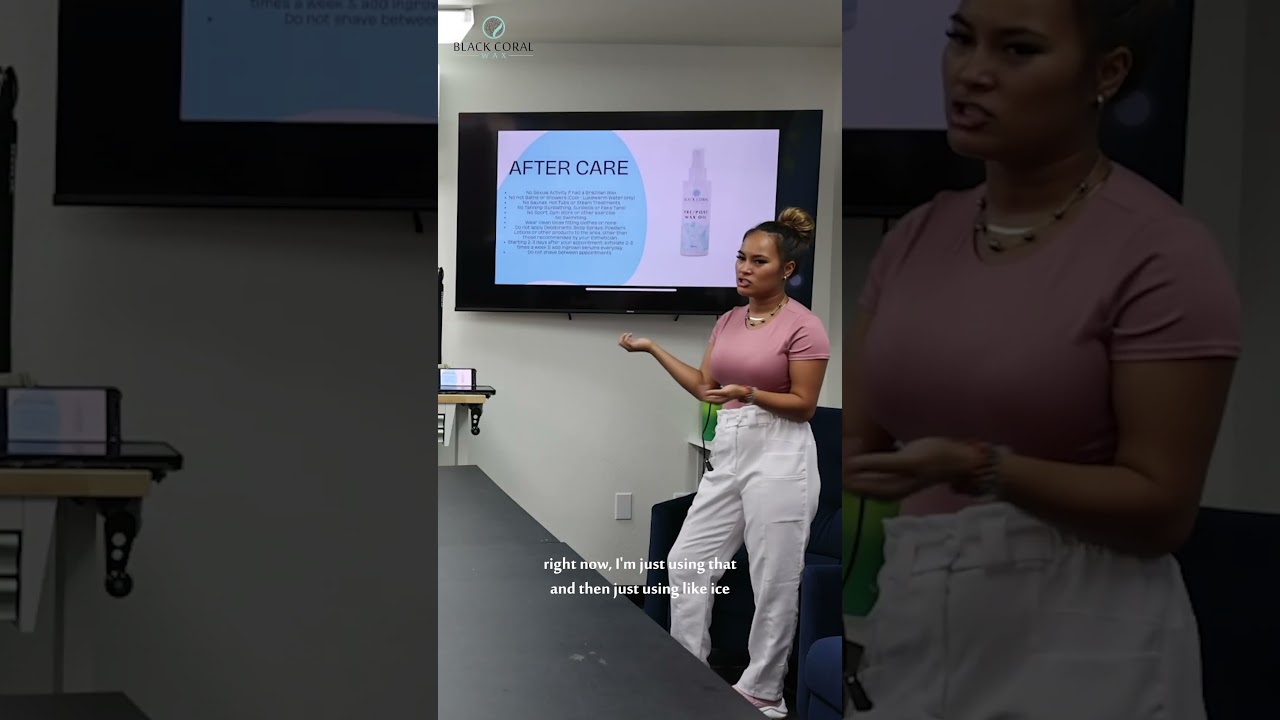
A high-quality calming oil can be instrumental in the healing process. A product like Black Coral Wax's ili Oil is designed with ingredients that soothe redness and create a gentle, protective barrier on the skin. It not only provides immediate comfort but also shields the area from friction, giving the skin the best possible start for an itch-free recovery. Applying a thin layer after a cool shower helps lock in moisture and maintain comfort.
Building a Long-Term Itch Prevention Routine
Lasting comfort after a Brazilian wax depends on more than just the initial 48 hours of care. The key is a simple, consistent routine that maintains skin health between appointments.
Once the initial sensitivity subsides, the focus should shift from immediate relief to preventative aftercare. This is how you prevent the frustrating itching after waxing Brazilian services before it begins. This routine should be viewed as part of overall skin health, not just a temporary fix.
The most powerful tool in this routine is proper exfoliation. It is the single best method for preventing ingrown hairs, which are a primary cause of persistent itchiness and bumps.
Mastering The Art of Exfoliation
Exfoliation is non-negotiable, but timing and technique are crucial. Allow the skin time to calm down first. Clients should wait 2-3 days after their wax before starting. Exfoliating too soon will only irritate the skin. Waiting too long allows dead skin cells to accumulate, which can trap new hairs as they regrow.
For the delicate bikini area, the choice is between physical and chemical exfoliants. Here’s a professional breakdown:
-
Physical Exfoliants: These include scrubs, brushes, or exfoliating mitts. They work by manually buffing away dead skin, but a gentle touch is required. A heavy hand can cause micro-tears and further irritation.
-
Chemical Exfoliants: These products contain ingredients like salicylic acid (BHA) or glycolic acid (AHA). They work by dissolving the bonds that hold dead skin cells together. They are often recommended for the bikini area because they can penetrate the pores to clear blockages without harsh scrubbing.
For most clients, a gentle chemical exfoliant is the ideal choice. It provides a more even and less abrasive treatment, which is precisely what this sensitive area requires.
A consistent routine is the best defense against post-wax issues. Keeping the skin exfoliated and hydrated creates an environment where hair can grow back freely without becoming trapped, which dramatically reduces itching.
The Importance of Daily Hydration
Exfoliation clears the path for hair regrowth, but daily moisturizing is what keeps the skin smooth. Hydrated skin is soft, flexible, and healthy. This allows new hairs to emerge through the surface easily instead of becoming trapped and turning into inflamed, itchy ingrowns.
Recommend a lightweight, non-comedogenic moisturizer that will not clog pores. Applying it daily, especially after showering, helps lock in moisture and strengthens the skin's barrier.
This simple step works in tandem with an exfoliation routine to keep skin balanced and comfortable between appointments. For more insights on creating a complete aftercare plan, explore our guide on the best skincare routine between waxing sessions. This combination of clearing away dead skin and nourishing new skin is the professional secret to a consistently smooth, itch-free finish.
When Itching Becomes a Bigger Problem
While some itching after a Brazilian wax is normal, professionals must distinguish between typical irritation and the early signs of a more serious issue. Occasionally, a persistent itch is not just a histamine reaction or hair regrowth-it could be folliculitis, an inflammation or infection of the hair follicles that requires a more careful approach.
Recognizing the difference is a critical component of responsible client care. A standard post-wax reaction typically involves temporary redness and a few small bumps that resolve within a day or two. Folliculitis, however, presents differently and tends to persist.
The visual cues are distinct. Instead of calming down, the bumps from folliculitis may linger, appearing as small, uniform red spots across the waxed area. They are often intensely itchy and can sometimes develop into pustules-small bumps filled with pus that resemble a minor acne breakout.
Recognizing and Controlling Folliculitis
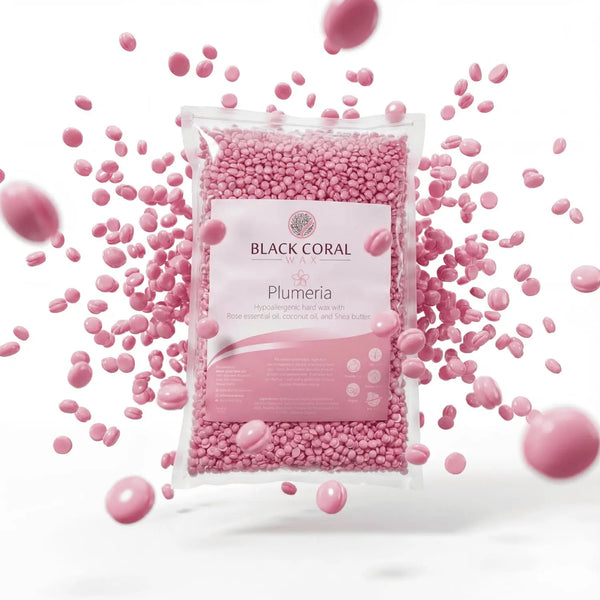
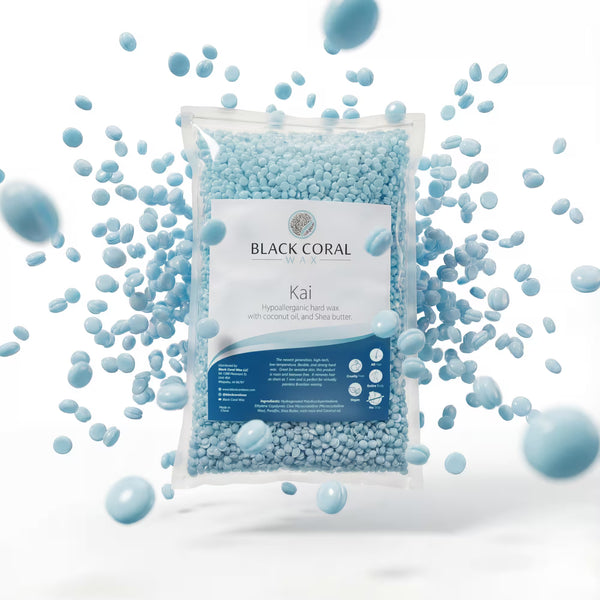
As a professional, the best way to avoid folliculitis is to prevent it. This starts with perfect salon cleanliness and perfect technique. It's important to use a high-quality hard wax with a low melting point, like the ones from Black Coral Wax. These waxes are made to stick to hair only, not skin. This greatly lowers the risk of skin damage and follicle inflammation.
Folliculitis can still happen, even with the best precautions. This is especially true for people with sensitive skin or who are new to waxing.
When the skin's natural barrier is broken, bacteria can get in. Waxing can cause micro-trauma, which can lead to this situation. To keep clients safe, they need to follow strict aftercare and be able to spot early warning signs.
If your clients have small, non-infected bumps, suggest that they clean the area at home with a mild antiseptic solution. It's also important to know when to suggest a medical evaluation. Itching after a Brazilian wax can turn into a more serious infection. Research has shown that waxing can cause problems like infectious folliculitis, which can cause a lot of pain and cellulitis. This shows how important it is to manage these risks.
When to Tell Someone to See a Doctor
An esthetician is an expert in giving great waxing services, not medical advice. It's very important to know what your professional limits are. You should tell a client to see a doctor if their skin shows any of the following signs:
-
Pain or swelling getting worse: The area gets more tender, painful, or swollen after the first 48 hours.
-
Pus-Filled Bumps: The bumps get bigger, more inflamed, or start to fill with yellow or green pus that is easy to see.
-
Signs of an infection spreading include redness that starts to spread from the waxed area or the client getting a fever.
You give your clients the power to take care of their skin by teaching them what to look for. This not only keeps them safe, but it also shows how much you care about their health. For more information, check out our full guide on folliculitis after waxing, including what causes it, how to avoid it, and the best treatments. This level of knowledge makes clients trust you and strengthens your reputation as an expert in safety.
How the choice of product affects the comfort of the client
Before the first strip is even put on, the fight against itching after Brazilian waxing services is often won. Aftercare is very important, but the products used during the service can make the recovery either easy or very uncomfortable for a week.
For professionals, choosing the right wax means making a promise to keep clients comfortable and their skin healthy. Using a bad product can hurt your skin for no reason, which can cause histamine reactions, redness, and itching that won't go away.
The Superiority of Premium Hard Wax
For sensitive areas, premium hard wax is the undisputed champion. It performs differently than soft wax (also known as strip wax), which requires a cloth strip for removal and often adheres to the top layer of skin.
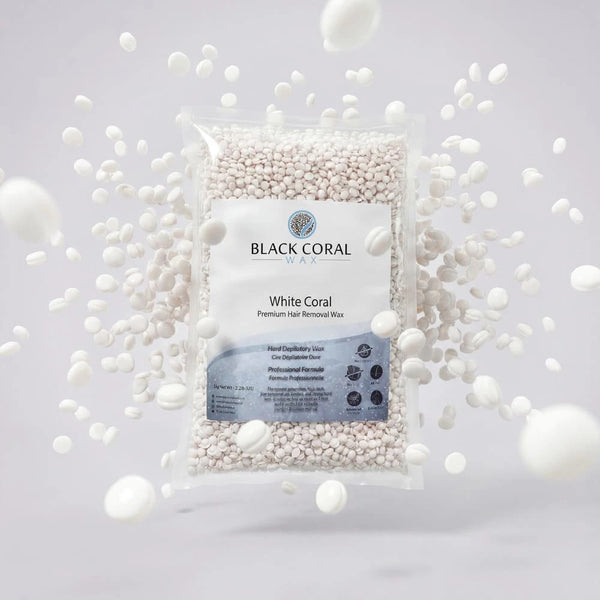
Hard wax formulas, like those from Black Coral Wax, are engineered to shrink-wrap and adhere only to the hair.
This is a critical distinction. By gripping just the hair, the wax minimizes pulling on the skin, which drastically reduces trauma and subsequent irritation. It is the difference between a clean lift and an aggressive tug that can compromise the skin's natural barrier.
A superior hard wax works with the skin, not against it. Its ability to remove hair from the root without sticking to the skin is the primary reason it minimizes post-wax inflammation and itching.
This targeted action is essential for preventing the microscopic abrasions that leave skin vulnerable to irritation and folliculitis. For any esthetician dedicated to providing a comfortable experience, mastering a premium hard wax is non-negotiable. For a detailed breakdown of what to look for, explore our guide on finding the best hard wax for sensitive skin.
Important Things to Have for an Itch-Free Experience
Not all hard waxes are the same. A few important features make the client experience more comfortable and free of itching.
-
Low Melting Point: It's easier to use a wax that melts at a lower temperature. It lowers the risk of burns and the initial shock to the skin from the heat. This soft heat also helps to open the pores a little bit, making it easier to get rid of hair.
-
Very flexible: A flexible formula is very important. It keeps the wax from getting hard and breaking when you take it off, so you can pull it all the way out from the root. When hairs break at the surface, they often cause ingrown hairs and the itching that comes with them.
-
A Full System: Real comfort goes beyond the wax itself. A professional service should include a pre-wax cleanser that gets rid of oils and bacteria, leaving a clean surface. After that, you need a good post-wax oil to calm the skin, lower inflammation, and make a barrier that keeps moisture in and helps the healing process.
The answers to your questions about itching after waxing
People will still have questions about itching after a Brazilian wax, even if they do everything right. Both estheticians and clients need to be able to trust the answers they get in order to feel confident and ready. Here are the answers to the most common questions, which will help you keep your skin smooth and comfortable.
How Long Does Itching Normally Last After A Brazilian Wax?
A mild itch is a normal part of the healing process. It usually subsides within 24 to 48 hours as the skin’s initial inflammatory response settles. This is typically the body's standard histamine reaction to hair removal-it’s temporary and expected.
If the itching is severe, lasts for more than a few days, or is accompanied by painful, persistent bumps, it is best to consult the esthetician. The fastest way to move through this phase is by following proper aftercare, especially avoiding friction and heat for the first two days.
Can I Use Hydrocortisone Cream For Itching After Waxing?
For mild, superficial itching without broken skin or signs of infection (like pustules), a 1% hydrocortisone cream may offer temporary relief. It can be used sparingly to calm inflammation and the histamine response, but it should only be a short-term solution for a day or two at most.
It is not a long-term solution and should never be applied to broken or infected skin.
A product made just for calming skin after waxing is always the best choice. These products are made just for skin that has just been waxed. They have soothing ingredients that won't clog pores or make the skin more irritated.
Does itching mean that you are allergic to the wax?
It is possible to have a real allergic reaction to wax, but it is very rare, especially with high-quality professional waxes. An itchy feeling is more likely to be a normal histamine reaction or irritation from hair regrowth.
A real allergic reaction usually has more severe and long-lasting symptoms, like a bad rash, hives, or a lot of swelling that doesn't go away. Clients who think they might have an allergy should talk to their esthetician about it. To lower the risk of bad reactions, well-known brands like Black Coral Wax use high-quality, lab-tested ingredients.
Why Does It Itch More When The Hair Starts Growing Back?
This is one of the most common questions, and the answer is mechanical. About a week after a wax, new hairs begin to break through the skin's surface. The tip of this new hair is often sharp and tapered, which creates a prickly, itchy sensation as it rubs against clothing.
This is also a prime time for ingrown hairs to appear, especially if dead skin cells are blocking the follicle. Gentle, consistent exfoliation-starting a few days after the wax-is the best defense. It clears the way for hair to grow out smoothly instead of becoming trapped and causing irritation.
At Black Coral Wax, we believe a premium service is built on expert knowledge and superior products. Equip your salon with our professional-grade waxes and aftercare to ensure every client leaves feeling confident and comfortable. Explore our collections and discover the difference quality makes at Black Coral Wax.