The Role of Preparation and Aftercare
An exceptional waxing service begins days before the appointment and continues long after. Smart preparation is your first line of defense. Simple actions like gentle exfoliation 24-48 hours before the service and ensuring hair is the proper length make a world of difference.
Unsure about the perfect length? Our guide on the ideal hair length for best results provides detailed professional advice.
Even understanding the remarkable benefits of heat therapy, such as having the client take a warm shower beforehand, can help open follicles for easier hair removal.
Post-wax care is equally vital. The goal is to calm the skin and prevent irritation. Applying a soothing, non-comedogenic oil immediately helps reduce redness and leaves the skin feeling comfortable. This three-part focus—premium wax, smart prep, and soothing aftercare—ensures a genuinely better service every time.
Mastering the Pre-Wax Ritual for Maximum Comfort
A wax that works well and doesn't hurt too much starts long before the first strip touches the skin. The secret to making waxing less painful is to have a regular pre-wax routine that gets both the client and the skin ready for a more comfortable service. This isn't just a suggestion; it's a professional standard for getting clean results with as little pain as possible.
This process includes careful skin preparation, smart timing, and pain management that is done ahead of time. When these things come together, they make the perfect surface for the wax to work on, which makes the pull smoother and the skin calmer.
The Strength of Timing and Planning
When a client gets a waxing appointment can have a big effect on how sensitive they are. Hormonal changes can make a lot of people more sensitive to pain in the days leading up to and during their period. Making appointments for the week after their period can really help them feel better.
The client's skin prep in the 24 to 48 hours before the service is also very important.
-
Gentle Exfoliation: It's very important to use a mild scrub or an exfoliating mitt one to two days before your appointment. It gets rid of dead skin cells so that the wax can grab the hair at the root instead of sticking to dry skin. This makes it less likely that hair will break and pull.
-
Don't take stimulants: Caffeine and alcohol can make blood flow faster and make nerves more sensitive. Telling clients to skip their morning coffee or evening glass of wine on the day of their appointment helps keep their skin calm and less sensitive.
It's important to know these skin prep details, whether you're a professional esthetician or just doing it at home. To learn more about why you should exfoliate before waxing for smoother results, check out our in-depth guide. This step alone is very important for getting rid of ingrown hairs and getting a perfect finish.
Strategies for Managing Pain Before It Happens
If your clients have a low pain threshold or are new to waxing, there are some things you can do ahead of time to make them more comfortable and confident. These methods work by temporarily dulling the skin's ability to feel things, which makes the experience much easier to handle.
A topical anesthetic is one of the best tools. Using a 4-5% lidocaine spray on the area about 20 to 30 minutes before the service can numb the nerve endings there, which could make the pain feel up to 40% less. You can cut down on the pain of waxing by 50 to 70 percent if you also exfoliate your skin and stay away from stimulants.
Taking an over-the-counter anti-inflammatory like ibuprofen 30 to 60 minutes before an appointment can also help. It works by lowering the body's natural inflammatory response, which helps keep swelling and pain in check before they start.
Adding these simple but powerful rituals to your pre-wax routine will help you get ready for a service that is not only effective, but also focused on comfort. This careful planning shows that you care about providing a high-quality experience that is good for your skin.
Methods That Change How Comfortable Clients Are During the Service
Your technique in the treatment room is more important than all the planning in the world. This is where your hands-on approach has a direct effect on how the client feels. Every part of the service, from the wax you choose to how you take off the strip, makes it either effective and gentle or uncomfortable.
It's a mix of technical skill and understanding your clients. This is how you change a service that people often dread into something they find surprisingly comfortable.
Choosing the Right Wax and Temperature
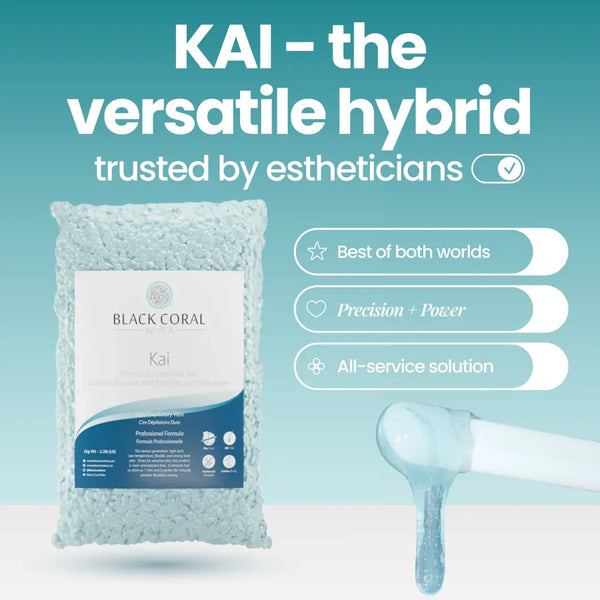
Choosing the right tool for the job is the first step toward making the service less painful. If you have coarse, stubborn hair in places like the bikini line or underarms, you need a high-performance hard wax. Formulas like Black Coral's Kai or Pele Beads are made to wrap around thick hairs and hold them tightly so they can be pulled cleanly without sticking to the skin.
Keeping the right temperature is just as important. A professional wax warmer is necessary to keep the wax at a low, steady melting point. Putting on wax that is too hot can hurt the skin and make it more sensitive than it needs to be. If it's too cool, it won't spread evenly or hold onto the hair, so you'll have to go over it again, which no client wants.
The Professional Method for Application and Removal
The application method is fundamental. You should always apply wax in the direction of hair growth. This simple step allows the wax to envelop each hair shaft from the base, setting you up for a clean, efficient removal. Use firm, even pressure as you spread the wax, ensuring it coats the hair without dragging on the skin.
However, the removal is where an expert truly demonstrates their skill. It all comes down to one critical action: creating tension.
-
Hold the skin taut: With your free hand, stretch the skin firmly in the opposite direction you plan to pull. This one move anchors the skin, prevents it from lifting with the wax, and dramatically reduces the pulling sensation.
-
Pull parallel to the skin: When removing the strip, do it quickly and confidently. Keep your hand as close and parallel to the skin as possible. Pulling upward, away from the body, lifts the skin and causes more pain.
The Strength of Breathing and Getting Distracted
Managing the mental side of pain is a big part of the puzzle, in addition to the physical technique. Helping your client breathe can make a huge difference in how they feel pain. Tell them to take a deep breath in while you put on the wax, and then let it out quickly and sharply the moment you take off the strip.
This breathing method is a natural way to keep the nervous system busy. Focusing on breathing takes the brain's attention away from the pull, which makes it think it hurts less.
You can lower the amount of pain you feel by 25% to 40% when you use a good wax and breathe in the right way. This can really change things for a client who is new to waxing. Studies show that a first-timer's pain can be up to 70% worse than a regular's, but after just a few regular sessions, the pain can go down by more than half. Our guide on the best numbing cream for waxing is also a great resource for clients who need extra help.
How to Take Care of Your Skin After Waxing
The time right after a wax is just as important as the service itself. This is your chance to calm the skin, reduce redness, and make sure the recovery goes smoothly and without any problems. A good post-care routine turns a good wax into a great one, which builds trust with clients and makes sure they leave feeling comfortable and confident.
The main goal is to lower inflammation right away. When you wax your skin, the follicles open up, which makes it very sensitive to irritation. The best first step is to use a high-quality, non-comedogenic post-wax oil like Black Coral's ili Oil. It is light and made to gently remove wax without blocking pores. Its calming ingredients start to work right away when they touch the skin.
Instructions for Immediate Aftercare
As a professional, it is your job to teach your client what to do and what not to do in the first 24 to 48 hours. It's a game-changer for their whole experience and stops common mistakes that happen during aftercare that cause bumps and redness that lasts a long time.
This is the most important advice every client should follow:
-
No hot baths, saunas, steam rooms, or hard workouts for a day or two. Bacteria can get into open follicles when you sweat and get hot.
-
Wear clothes that are loose and breathable. Tight clothes, especially synthetic ones, trap heat and rub against sensitive skin. Tell your clients to pick soft cotton and loose-fitting styles so the area can breathe.
-
Stay Away from Harsh Products: On the first day, they shouldn't use scented lotions, exfoliants, or deodorants on the waxed area. Use only gentle products made for after waxing.
A key part of professional aftercare is understanding what causes skin inflammation and redness. This knowledge helps you apply the right soothing techniques and recommend products that truly perform.
Post-Waxing Care Do's and Don'ts
To simplify instructions for clients (and serve as a quick refresher for pros), a clear checklist can prevent confusion. Here’s a breakdown of immediate actions versus long-term care.
|
Action
|
First 24-48 Hours
|
Long-Term Care (After 48 Hours)
|
|
Clothing
|
Wear loose, cotton clothing.
|
Continue to avoid overly tight clothes on waxed areas.
|
|
Heat & Sweat
|
Avoid hot showers, saunas, and intense exercise.
|
You can resume normal activities.
|
|
Products
|
Use only gentle, non-comedogenic soothing oils or lotions.
|
Start reintroducing your regular body care products.
|
|
Exfoliation
|
Do not exfoliate! Skin is too sensitive.
|
Begin gentle exfoliation 2-3 times per week.
|
|
Sun Exposure
|
Keep the waxed area out of direct sunlight.
|
Always use SPF on exposed waxed areas to prevent hyperpigmentation.
|
Following these simple guidelines ensures the skin heals beautifully, setting the stage for smooth, bump-free results that last.
Preventing Ingrown Hairs for Long-Term Comfort
Now for the long-term strategy: preventing ingrown hairs. This begins a few days after the wax. As new, softer hairs start to grow back, they can easily become trapped under dead skin cells, causing painful, inflamed bumps.
The key to preventing ingrown hairs is consistent, gentle exfoliation. It keeps follicles clear, allowing new hair to grow through the skin’s surface without obstruction.
Advise your clients to start gently exfoliating 2-3 days after their wax and to maintain this routine 2-3 times a week. This simple maintenance step is crucial. It ensures their next wax is even smoother and less painful by preventing hair from becoming trapped and difficult to remove.
For a deeper dive, our guide on how to exfoliate after waxing for softer, bump-free skin provides all the details. This proactive approach is what keeps skin looking and feeling its best between appointments.
Choosing the Right Wax and Professional Tools
To make waxing less painful, your choice of wax and tools is not a minor detail—it is the cornerstone of a comfortable service. The difference between a premium hard wax and a generic alternative is what separates a pleasant experience from a painful one.
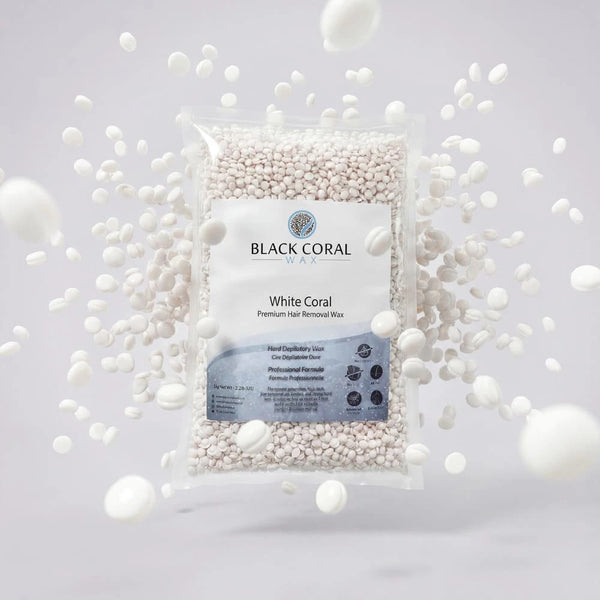
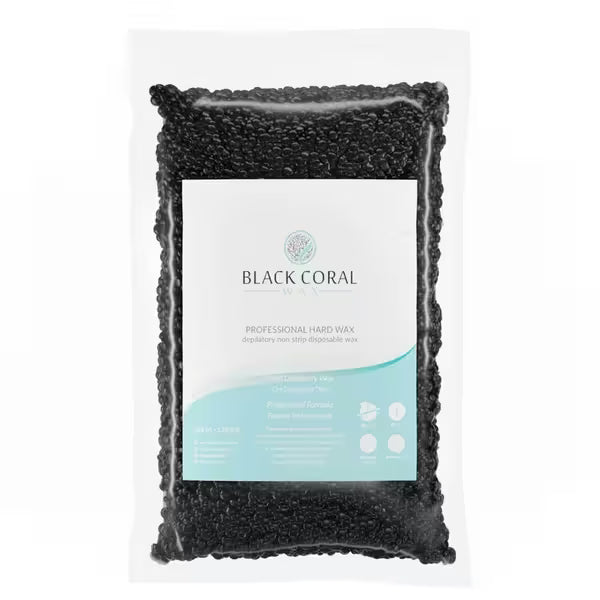
The science is simple. High-quality hard waxes, like those in the Black Coral Wax collections, are formulated to “shrink-wrap” around the hair itself. This means that when you remove the strip, the wax is only gripping the hair, not the client's delicate skin. This single feature drastically reduces pain, prevents skin lifting, and minimizes post-wax redness.
Selecting Wax for Hair Type and Area
Not all hair is the same, so your wax should not be a one-size-fits-all solution. A critical part of making waxing less painful is matching the wax formula to the hair texture and the specific body area. A wax that is perfect for fine leg hair will lack the grip needed for coarse, stubborn bikini line hair.
Black Coral Wax offers specialized formulas to address this:
-
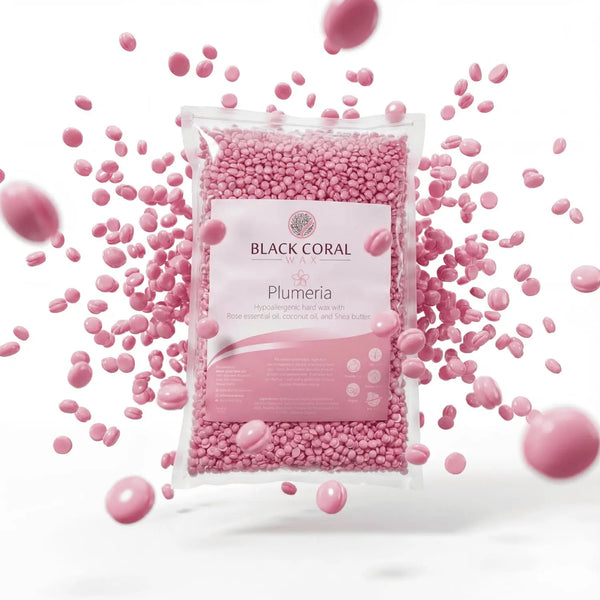
For Fine to Medium Hair: Our Plumeria Hard Wax Beads are ideal. They have a creamy, flexible consistency that glides on smoothly and is gentle enough for facial waxing or on clients with less dense hair growth.
-
For Coarse or Stubborn Hair: Formulas like our Pele Hard Wax Beads are your go-to. They are designed with a stronger grip to cleanly remove thick, deep-rooted hair, ensuring complete removal on the first pull without needing a second pass.
A common mistake among professionals is using a single wax for every service. Selecting the right formula for the job not only produces better results but also makes a world of difference in your client's comfort level because the wax performs exactly as intended.
The Non-Negotiable Role of a Professional Wax Warmer
Just as important as the wax itself is the equipment used to heat it. A professional-grade wax warmer is non-negotiable for maintaining your wax at its optimal, low-temperature consistency. Attempting to use a microwave or other makeshift heating methods can create dangerous hot spots and a clumpy, inconsistent texture, leading to a messy application and potential burns.
A quality warmer keeps the wax at a precise, stable temperature throughout the service. This consistency allows the wax to spread flawlessly, grip every hair, and set correctly for a clean, efficient pull. It is an investment in safety, performance, and delivering a comfortable experience every time.
For more insights on choosing the right products, check out our ultimate guide to soft wax vs hard wax to refine your professional toolkit.
Your Top Painless Waxing Questions, Answered
Even with the best preparation, waxing can be intimidating. Having questions answered by an expert is the best way to calm client nerves and ensure a smoother experience. Let's address some of the most common questions from both clients and fellow professionals.
Does Taking a Painkiller Before My Appointment Actually Work?
Yes, it is highly effective. This is one of the most popular and beneficial tips. Taking a non-steroidal anti-inflammatory drug (NSAID) like ibuprofen about 30-60 minutes before the appointment can significantly take the edge off. It helps by reducing inflammation before it begins and dulling nerve sensitivity, which makes the process feel less intense, especially for sensitive areas.
Is Hard Wax Really Less Painful Than Soft Wax?
Absolutely. There's a reason hard wax has become the professional standard for sensitive areas like the bikini line, underarms, and face. It's formulated to adhere only to the hair, not the skin. This dramatically reduces the painful pulling and irritation that soft wax can cause.
The best low-temperature hard waxes are a professional's secret weapon for a reason. They deliver a gentler experience by avoiding the skin trauma that’s behind most waxing pain.
How Can I Stop Ingrown Hairs and Bumps from Popping Up?
The secret is consistent, gentle care after your wax. Begin lightly exfoliating the area 2-3 days after your appointment and continue a few times a week. This simple step keeps hair follicles from becoming clogged, allowing new hair to grow out freely instead of getting trapped under the skin.
Additionally, for the first 24-48 hours, wear loose, breathable clothing. Tight fabrics can cause friction and irritation, which is the last thing freshly waxed skin needs.
Will Waxing Ever Get Less Painful?
Yes. Consistency is your best ally when it comes to waxing. When clients are waxed regularly—typically every 4-6 weeks—the hair follicle weakens over time. The hair begins to grow back finer and more sparsely. Each session genuinely becomes easier and more comfortable than the last. With consistency, clients will see a huge difference.
It's time to make a new rule for waxing.
A less painful wax is not a myth. It is the new standard of professional care that estheticians can provide and clients should expect. We looked at how careful planning, expert technique, and careful aftercare all work together. When these things come together, they can turn a service that most people hate into one that they really enjoy.
You are no longer just getting rid of hair by concentrating on these steps, which range from exfoliating before waxing to calming after waxing. You are giving a full experience that puts the skin first. Choosing a professional-grade hard wax that grips the hair and not the skin is the most important part of this. That one choice can make a big difference in how comfortable a client is on the table and how confident they are about coming back.
In the end, learning how to make waxing less painful is all about trust. When clients know that their comfort is your top priority, they not only come back, but they also tell others about you, which helps you keep clients and build your reputation as an expert.
This dedication to a higher standard is what will make your services stand out. It's how you change what's possible in your treatment room so that every client leaves with calm, smooth skin and a great experience.
Are you ready to see how a high-end formula can help your business? Look through the Black Coral Wax collections to find the right wax for each client.
Buy the Black Coral Wax Collections Now.