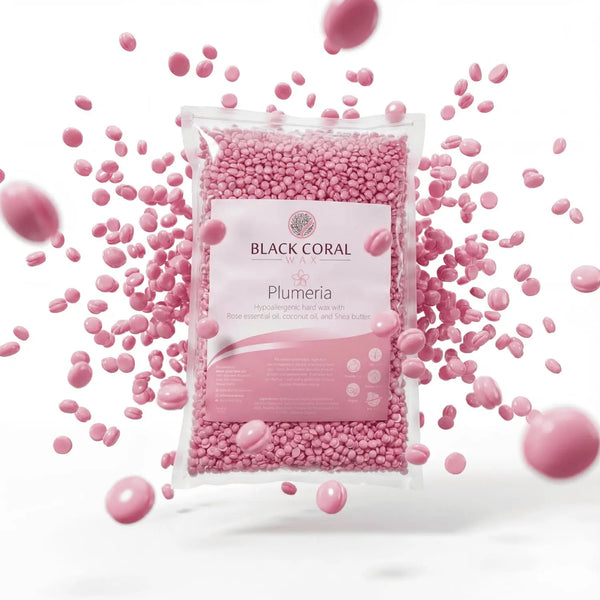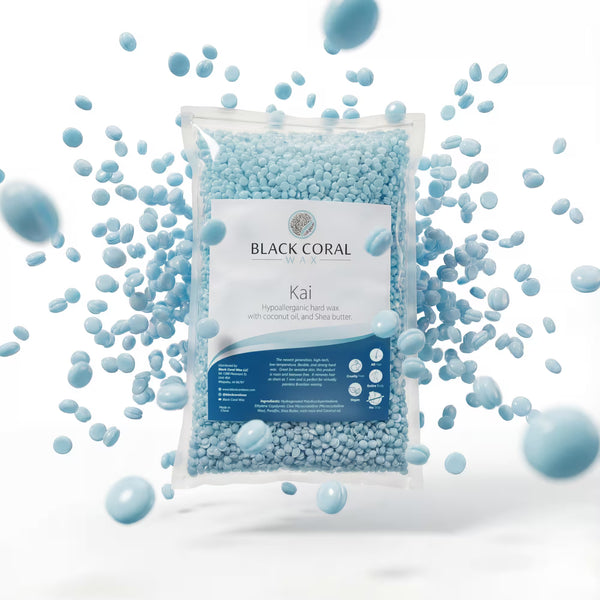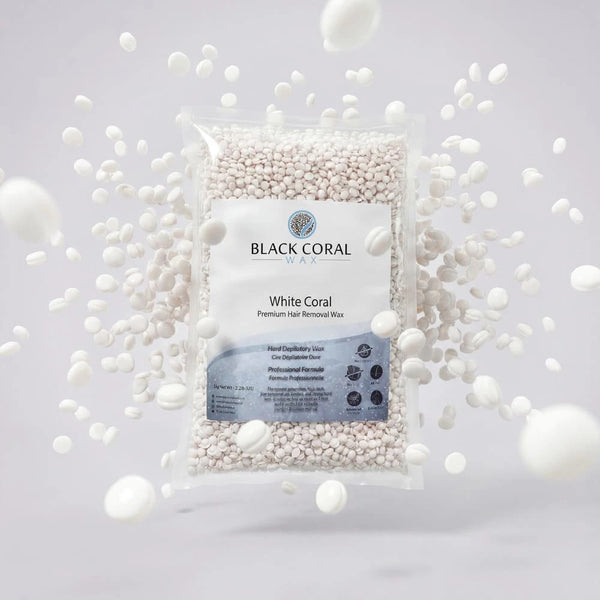


There are four main steps to learning how to do Brazilian waxing at home: getting ready, applying the wax correctly, taking it off quickly, and giving it proper aftercare. If you learn how to do these steps with a professional-grade hard wax, what seems like a hard job becomes a refined self-care routine that gives you salon-quality smoothness and confidence at home.
How to Get a Salon-Quality Wax at Home
Getting good at Brazilian waxing at home is all about learning how to take care of yourself like a pro. This guide gives you the expert tips and information you need to get the perfect, long-lasting smoothness that you would expect from a salon. The goal is to feel strong and confident in a process that is safe, works, and is easier than it seems.
The quality of the product is what makes a Brazilian at home work. There is a reason why professional-grade hard wax is the best for this sensitive area. Soft wax sticks to both hair and skin, but hard wax is made to only wrap around the hair as it cools. This makes the pull much softer, the pain much less, and the chance of irritation very low.
This preference is seen throughout the industry. The global market for hair removal wax is worth $13.38 billion, and a lot of its growth comes from people who use it at home. Sixty-five percent of people in this market prefer hard wax for the bikini area because it can make the process less painful by up to 40% compared to soft wax.
The Basics of Waxing at Home
To get professional results, you need to follow a plan. This four-part system makes sure that each step builds on the last, which makes the whole thing go smoothly and more comfortably.
-
Getting ready: This first step is all about getting the skin and hair ready. The right length of hair is confirmed, and the skin is cleaned, dried, and ready for the wax.
-
Application and Removal: This is the technical part: heating the wax until it is the right consistency, applying it carefully, and taking it off quickly and with confidence.
-
Aftercare: This last step, which can't be skipped, involves soothing the skin right after waxing and keeping it that way for the next few days to avoid irritation and ingrown hairs.
When you understand these basics, the process becomes less mysterious, and you can handle common problems and get the results you want.
To make the experience even better, make sure you have all the supplies you need by reading our guide on how to choose the right waxing kit.
Preparing Your Skin for a Flawless Wax
A superior at-home Brazilian wax begins long before the wax is heated. The secret to a smooth, professional finish lies in meticulous preparation. This stage is critical for clean hair removal, reduced discomfort, and a lower risk of irritation or ingrown hairs.
Think of skin preparation as an artist priming a canvas. The skin must be properly conditioned for the wax to perform optimally. This includes achieving the correct hair length, ensuring the area is clean, and establishing a hygienic workspace.
The Ideal Hair Length
For hard wax to gain a solid grip and remove hair from the root, length is crucial. The target is approximately 6 mm, or the length of a grain of rice. This allows the wax to adhere effectively without the hair being so long that it increases discomfort.
-
If your hair is too short: The wax cannot "shrink-wrap" it properly, resulting in patchy removal and the need for repeated applications, which can cause irritation.
-
If your hair is too long: The pull can be more painful. It may also cause hair to break at the surface instead of being removed from the follicle, leading to faster regrowth. If necessary, carefully trim hair with safety scissors.
Perfecting Your Skin Prep
The primary goal of skin prep is to ensure the wax adheres to the hair, not the skin. This is the single most important factor for a less painful and more effective treatment. A few preparatory steps in the hours before your session can make a significant difference.
Gently scrub the area 24 to 48 hours before waxing. This gets rid of dead skin cells, helps free hairs that are stuck, and stops the buildup that can cause ingrown hairs. A gentle scrub or a chemical exfoliant works, but don't do this step on the day of your wax because it can make your skin too sensitive.
The area must be completely clean and dry right before waxing. Any leftover water, body oil, or lotion will stop the wax from sticking to the hair.
Use a gentle, pH-balanced wash to clean your skin, and then pat it dry. Stay away from all oils, body butters, and moisturizers. A light dusting of pre-wax powder can help soak up extra moisture on oily skin or in humid areas.
Making a Work Space That Looks Professional
The success of an at-home Brazilian depends a lot on the environment. A clean, organized, and calm space helps you stay focused and healthy. Get all the supplies you need and put them where you can easily reach them before you start.
Put a clean towel on the surface where you will be sitting or lying down. This keeps your surfaces safe and gives you a comfortable place to work. For accurate application and removal, there must be enough light.
To ensure you are fully prepared, use the following checklist.
Your Pre-Waxing Checklist
Use this table to confirm that your skin and workspace are perfectly prepped for a smooth, successful at-home Brazilian wax.
|
Timing |
Action Item |
Why It Matters |
|
24-48 Hours Before |
Gently exfoliate the area |
Removes dead skin and helps prevent ingrown hairs. |
|
Day Of |
Trim hair to approx. 6 mm |
Ensures the wax can grip hair effectively without extra pain. |
|
Just Before |
Cleanse with a gentle wash |
Removes oils and lotions that prevent wax from adhering. |
|
Just Before |
Dry the area completely |
Any moisture will compromise the wax's grip. |
|
Just Before |
Set up a clean towel & supplies |
Keeps your space hygienic and the process running smoothly. |
It makes the whole process easier to have all the tools ready, like your wax warmer, applicators, pre-wax powder, and post-wax oil. This level of organization turns a simple task into a structured, professional-grade treatment.
Getting Good at Waxing at Home
Now that your skin is ready and your station is set up, it's time to apply the wax. This is where paying close attention to every little thing leads to better results. The goal is to stay in charge and feel good about yourself, which you can do by knowing how the wax should work and how to use it for best results.
Think of this as a new skill; the more you do it, the easier and more natural it will become. Stay calm, work on small parts, and focus on one thing at a time. This method makes the process seem less scary and guarantees a cleaner, more comfortable result, especially for a sensitive area like the Brazilian.
Getting the Right Consistency for Heating Wax
Getting the wax to the right temperature is the first and most important step. This one thing affects the quality of the application, how well it removes hair, and most importantly, safety. Try to get a texture that is similar to thick, warm honey or molasses. The wax should drip slowly and smoothly from the applicator, not like water.
Always start with a low to medium setting when heating Black Coral Wax beads in a professional warmer. It's better to heat things up slowly and evenly than to use high heat, which can make dangerous hot spots. If the wax looks thin and runny, it's a sign that it's too hot and could burn you. On the other hand, if it is too thick and clumpy, it is not warm enough to hold the hair properly.
Always check the temperature before putting it on your skin. Putting a small amount on the inside of your wrist gives you an accurate reading. It should feel warm but not too hot.
The Art of Use
You can start applying the wax once it has the right honey-like texture. Accuracy is very important. Work in small, easy-to-handle pieces that are about two to three fingers wide and a few inches long. Trying to wax a big area all at once is a common mistake that makes the process messy and painful.
Take a moderate amount of wax with a clean applicator. Use steady, firm pressure to spread it out so that the wax covers all of the hair down to the root.
-
Always apply the wax in the direction that your hair grows. This lets the wax stick to each hair shaft the right way.
-
Make a "Lip": At the end of the wax strip, make the edge a little thicker. This detail makes it easy to hold on to and remove quickly and cleanly.
-
Even Thickness: Strive for an even layer. If it is too thin, the wax will crack and break upon removal. If it is too thick, it will not harden correctly.
A proper application ensures the wax shrink-wraps the hair, not the skin-the defining feature of a high-quality hard wax. For at-home waxing, especially in sensitive areas, hard wax beans are the professional choice. The market reflects this, with the hard wax segment projected to grow at a 7.2% CAGR through 2033 due to its effectiveness on coarse hair without requiring strips. You can find in-depth market analysis and trends on Cognitive Market Research.
Holding the Skin Taut
This simple technique is one of the most effective ways to minimize pain and prevent bruising. Before pulling the wax strip, use your free hand to pull the surrounding skin as taut as possible. This creates a firm, stable surface, allowing the hair to release cleanly from the follicle without pulling the skin.
Holding the skin taut is non-negotiable for achieving professional-level results and ensuring comfort. It helps prevent skin lifting and significantly reduces discomfort.
"Think of it this way: you are creating a perfect canvas for the removal. Taut skin ensures the force of the pull is directed at the hair root, not at the delicate skin itself."
The Removal Technique
Once the wax has set-it should feel firm and non-tacky to the touch-it is time for removal. Your technique here is what prevents broken hairs and irritation.
Grip the thicker "lip" created during application. In one quick, fluid motion, pull the strip off in the opposite direction of hair growth. Crucially, pull parallel to the skin, as if zipping it along the surface. Avoid the common impulse to pull up and away from the body.
-
Pull Parallel, Not Up: Pulling straight up can break hair at the surface instead of taking it out from the root, which makes it more likely that you will get bruises.
-
Be quick and sure: a slow, unsure pull hurts. A quick, sure movement works much better and hurts less.
-
Put Immediate Pressure On: As soon as you take off the strip, put your palm firmly over the area that has just been waxed. Put some light pressure on for a few seconds. This easy step instantly eases nerve endings and calms the first sting.
You will be able to give yourself a perfect and comfortable Brazilian wax at home if you learn these important skills, such as how to make the wax the right consistency and how to pull it cleanly and in a straight line.
Taking care of comfort and avoiding common mistakes
There is some pain when waxing a sensitive area, but a lot of the pain comes from small mistakes in technique and preparation that can be avoided.
You can change the experience from painful to powerful by following a few professional tips. It's just as important to know how to do a Brazilian wax at home as it is to know how to deal with pain. You can get clean results without irritation or bruising if you do things the right way.
Easy Ways to Make Waxing More Comfortable
You have a lot of control over how comfortable you are. A few simple, mindful things you do before and during your session can make a big difference. The goal is not to put up with pain, but to work smart and with care.
The drink you choose is also important. Before waxing, it's best to stay away from stimulants like caffeine and depressants like alcohol for a few hours. These can make your skin more sensitive and make your blood flow faster.
Pressure is the best way to get immediate relief. As soon as you take off a wax strip, put the palm of your clean hand flat on the area and press down hard for three to five seconds. This simple move calms the nerve endings right away and lessens the sting.
Another useful tool is controlled breathing. Take a deep breath in just before you pull the strip. When you take off the strip, do it quickly and parallel to the skin. This activity helps your muscles relax and gives your mind something to focus on.
How to Avoid Common Mistakes When Waxing at Home
Common mistakes are to blame for most problems that come up when waxing at home, like missing hairs, irritated skin, or bruising. You can get a much safer and more professional result by knowing what they are and how to avoid them.
The most important rule for waxing is to keep things clean. This means you can't double dip. Never put a used applicator back into your wax pot. This can introduce bacteria that can cause breakouts or infections on skin that has just been waxed and is sensitive. For every dip, use a new applicator.
Here are other critical mistakes to be aware of:
-
Waxing Over Irritated Skin: Never apply wax to sunburned, broken, or irritated skin. Doing so will only worsen the condition. Wait until the skin is fully healed.
-
Incorrect Wax Temperature: Proper temperature is paramount. Wax that is too hot can cause serious burns. If it is too cool, it will not spread correctly or grip hair, leading to breakage instead of removal. The target is a warm, honey-like consistency.
-
Improper Pulling Technique: This is the most common technical error. The tendency is to pull the wax strip straight up and away from the body, which can cause bruising and lift the skin. Always hold the skin taut with one hand and pull the strip parallel to the skin in the opposite direction of hair growth.
For a deeper analysis of technique, review our guide on the top 10 common waxing mistakes and how to avoid them. Proactively addressing these issues will elevate your at-home waxing to a professional standard, ensuring both safety and exceptionally smooth results.
Aftercare For Long-Lasting Smoothness
The moment the last strip is removed, an equally important phase begins. Proper aftercare is the secret to elevating a good wax to a great one, ensuring your skin remains calm, clear, and silky smooth long after your session. It is the final, professional touch to your at-home routine.
Freshly waxed skin is sensitive. With the hair follicles open, the area requires gentle treatment. The first 24 to 48 hours are critical for preventing irritation, redness, and post-wax bumps. The primary objective is to keep the area cool, clean, and free from friction.
The First 48 Hours
Immediately after waxing, allow your skin to breathe. Prioritize comfort and gentle care to help minimize redness and sensitivity.
First, apply a high-quality, soothing post-wax oil. This step is non-negotiable. It not only calms inflammation but also dissolves any residual wax without harsh rubbing. For an extra soothing touch to reduce discomfort, products that offer Lidocaine with Aloe Vera for Advanced Topical Pain Relief can also be effective.
Here is your immediate aftercare checklist:
-
Wear Loose Clothing: Opt for soft, natural fabrics like cotton. Tight clothing can trap heat and sweat, creating friction that leads to irritation.
-
Avoid Heat: For two days, avoid hot baths, saunas, steam rooms, and hot tubs. Heat can aggravate sensitive skin and expose open pores to bacteria.
-
Skip Intense Exercise: Sweat can introduce bacteria into open follicles. Postpone strenuous workouts for at least 24 hours.
-
Stay Out of the Sun (and Pools): Freshly waxed skin is more susceptible to sunburn and hyperpigmentation. Also, avoid chlorinated pools and saltwater, which can cause irritation.
Long-Term Skin Health
After the initial 48-hour window, your focus shifts from immediate soothing to long-term maintenance. This is where you establish a routine to prevent ingrown hairs and keep your skin healthy for your next wax.
Gentle, regular exfoliation is key. You can begin exfoliating two to three days after waxing, once any initial sensitivity has subsided. This helps remove dead skin cells that can trap new hairs as they regrow. Use a mild scrub or a chemical exfoliant with ingredients like salicylic or glycolic acid a few times per week.
A consistent aftercare routine is your best defense against common post-waxing issues. It ensures each subsequent wax is smoother and more comfortable than the last.
Daily moisturizing is equally important. Keeping the skin hydrated and supple helps hair grow back properly through the surface. Choose a lightweight, non-comedogenic moisturizer to avoid clogging pores.
Proper technique can achieve up to 95% hair removal efficacy, with results lasting approximately four weeks. Post-wax, using a quality soothing oil can help prevent up to 60% of ingrown hairs. This simple step makes your routine more comfortable and efficient.
By committing to a professional aftercare plan, you are not just protecting your results; you are investing in the long-term health of your skin. To explore more product recommendations, review our guide on essential after waxing care products.
Your At-Home Brazilian Wax Questions Answered
Even with a comprehensive guide, questions are a normal part of the learning process for at-home Brazilian waxing. This section addresses the most common concerns with clear, professional advice to help you feel confident and achieve a perfect, smooth finish every time.
How Often Should I Do a Brazilian Wax at Home?
For the best, most consistent results, a schedule of waxing every three to four weeks is ideal. This timing allows your hair to grow to the optimal length for waxing-approximately 6 mm (the size of a grain of rice).
This schedule is important for two main reasons. First, at that length, the wax can achieve a solid grip on the hair, removing it cleanly from the root rather than breaking it at the surface. Second, regular waxing helps synchronize your hair growth cycles. Over time, this can lead to hair growing back finer and sparser, making each session progressively less uncomfortable.
What Should I Do If I Get Bruising or Skin Lifting?
Observing a small bruise or minor skin lifting can be concerning, but it is almost always preventable and treatable. Bruising typically indicates that either the skin was not held taut enough during strip removal, or the strip was pulled upward instead of parallel to the skin.
If a bruise begins to form, apply a cold compress to the area for 10-15 minutes to reduce inflammation. In the case of minor skin lifting, the priority is to keep the area exceptionally clean. Apply a gentle antiseptic cream and allow it to heal completely before waxing that area again.
The solution is rooted in technique. Always remember to hold the skin taut with your free hand and pull the wax strip quickly and parallel to your body. Mastering this motion is key.
Can I Do a Brazilian Wax at Home If I Have Sensitive Skin?
Yes, absolutely. It simply requires a more strategic approach to preparation and product selection. The most important factor is choosing a high-quality hard wax formulated specifically for sensitive skin, like the formulas developed at Black Coral Wax. These waxes are designed to melt at a lower temperature, which significantly reduces heat-related irritation.
Before a full session, always perform a patch test on a small, discreet area at least 24 hours in advance. This is non-negotiable for sensitive skin, as it will reveal how your skin will react. Be extra diligent with your pre- and post-wax care, using only gentle, fragrance-free products to keep your skin calm.
What If I Missed Some Hairs?
It is common to miss a few stray hairs, especially when you are new to the process. While your first instinct may be to re-apply wax, it is best to resist this urge.
A high-quality hard wax is gentle enough for a second application on the same spot within one session, but you should never go over an area more than twice. Repeated waxing of the same spot can lead to irritation and skin lifting. For the few stubborn hairs left behind, a clean, sterilized pair of tweezers is the safest and most effective tool to achieve a perfectly smooth, professional finish.
Ready to achieve professional, long-lasting results in the comfort of your own home? Explore the Black Coral Wax collections and discover our premium hard wax beads, formulated for a gentler, more effective waxing experience. Find your perfect match at Black Coral Wax.