

To become a professional waxer, you need to have a mix of formal education, a state license, and very good practical skills. This path combines technical knowledge with a real love for skin health, making it one of the best jobs in the beauty industry.
Your Guide to Getting a Job in Waxing
If you want to be a professional waxer, you'll be working in a part of the beauty industry that is always changing and rewarding. This guide shows you every step you need to take to get your education and license and build a loyal client base. This is your guide to doing each step with confidence and understanding.
A Business That Is Growing and Doing Well
There has never been a greater need for skilled waxers. Not only do you need to be good at art, but you also need to be good at technical things. You need to know a lot about how to keep skin healthy, how to make clients feel at ease, and how to follow the rules for perfect hygiene. You have to remove hair as part of your job, but you also have to make sure that your clients feel safe and comfortable so they can feel good about themselves.
There are a few important steps you need to take to get this job:
-
Formal Education: Sign up for a cosmetology or esthetician program that is recognized.
-
State Licensing: Getting a legal license by passing both written and practical tests.
-
Skill Development: Getting real-world experience to improve your speed and technique.
-
To get more clients, you need to have a good reputation for getting good results and providing professional care.
The personal waxing and nail salon business in the US has grown a lot, so now is a great time to get into it. The industry is worth $25.5 billion as of 2026, and it will grow at a rate of 9.1% per year from 2020 to 2025. This growth means that there is a big chance for well-trained professionals to make money in the market. You can find out more about these industry numbers at IbisWorld.
Here is a summary of the journey ahead to make things clearer.
Key Milestones on Your Path to Becoming a Waxer
This table summarizes the essential stages you will navigate, from initial training to establishing yourself as a sought-after professional.
|
Milestone |
What It Involves |
Typical Duration |
|
Education |
Completing an accredited esthetician or cosmetology program covering skin science, hair removal, and safety. |
600-1500 hours (6-12 months) |
|
Licensing |
Passing state-mandated written and practical exams to earn your professional license. |
1-3 months of prep/testing |
|
Skill Mastery |
Practicing on models, friends, and early clients to perfect your waxing techniques and speed. |
Ongoing |
|
Finding Work |
Applying for positions in spas or salons to gain professional experience and mentorship. |
1-4 months |
|
Building a Clientele |
Developing relationships, delivering excellent service, and using marketing to attract and retain clients. |
6-18 months |
Each of these steps serves as a building block for a successful and long-lasting career in the beauty industry.
Choosing Your Career Path
You need to be dedicated to start this journey, but the rewards are worth the work. You will be able to work in a variety of places, such as high-end spas, busy salons, and even your own private studio. Every step you take, from learning about the different types of wax to becoming an expert at client consultations, helps you build a career that will last. Knowing the basics is a great place to start. Our in-depth guide will teach you everything you need to know about hair removal wax.
The best people who do waxing are always learning new things. They keep up with the latest methods, put client safety first, and know that their knowledge is what makes their business successful.
This guide will show you the most important steps to becoming a waxer so that you can feel completely confident moving forward.
Getting through school and getting a state license
Getting a good education and a license are the first steps to a successful career in waxing. You need to get the right training and credentials before you can master the perfect brow arch or a flawless Brazilian. This step is not only about following the law; it's also about gaining your clients' trust and keeping them safe.
Choosing the right school program is the first big choice you have to make. This choice will determine the services you can provide and shape your whole career. For most people who want to be waxers, there are two main paths to follow.
Cosmetology and Esthetician Programs
It's important to know what the difference is between an esthetician and a cosmetology program. Both can lead to a license to wax, but they are not the same, and one is probably a better fit for your career goals.
The main focus of an esthetician program is skin. The main focus of the curriculum is on skincare, which includes skin analysis, facials, chemical peels, and all kinds of hair removal. This is the best way for you to go if you love skin health and want to focus on facials and waxing.
On the other hand, a cosmetology program teaches you more about beauty in general. You will learn about hair, nails, and makeup, as well as skin care and waxing, which is just one part of the course. If you want to work in a full-service salon and offer a lot of different beauty services, this is the path for you.
Your focus will help you choose a program. An esthetician program goes deep into skin science, while a cosmetology license lets you do a wider range of beauty services.
No matter what you choose, make sure the school is accredited. This is not up for discussion. Make sure that the school is approved by your state's licensing board; otherwise, your training hours won't count toward your certification. Check out our article on beautician basics and how to start your career in beauty and skincare for a more in-depth look at getting started.
What Your Curriculum Will Look Like
Once you sign up, get ready to learn a lot from books and hands-on experience. Good training will turn you from a technician into a skin care expert.
You can expect to learn about the following core subjects:
Anatomy and Physiology: To do services safely and well, you need to know how skin and hair are made up. It is the science that makes the service work.
This is very important: cleaning and disinfecting. You will learn the strict hygiene rules that must be followed to keep clients healthy and avoid cross-contamination.
Skin Conditions and Contraindications: Here is where you learn how to spot problems like eczema or psoriasis and when it is not safe to do a waxing service. This information is very important.
Waxing Techniques You Can Do Yourself: You will practice using both soft and hard wax on different parts of your body and learn how to apply and remove each type of wax.
Esthetician programs can last anywhere from 300 to 1,000 hours, but most of them do. Depending on your state and how hard the program is, this could mean three to nine months of full-time study.
Learning about State Board Licensing
Getting your state license is the next big step after logging your training hours. This is the official permission that lets you work on clients legally and professionally. The rules for each state are set by its own Board of Cosmetology, and they can be very different.
Most of the time, you will need to do these things:
Meet the requirements for your state: Most states say you have to be a certain age (usually 16 or 17) and have a high school diploma or GED.
Take the Licensing Exams: You will have to take two tests: a written (theory) test and a practical (hands-on) test. The written test checks how much you know about skin science, safety, and sanitation. The practical test shows that you can do services safely and correctly.
Send in your application: After you pass the tests, you will send your application to the state board along with proof of training and the fees that are due.
Research your state’s specific rules early on. Some states, like New York, offer a specialized "waxing-only" license that requires fewer hours (around 75). Others, like California, require a full esthetician license (600 hours) to perform any waxing services. A little upfront research will save you considerable time and effort later.
Developing Your Hands-On Waxing Technique
A license gets you in the door, but your hands-on skill is what builds your reputation. This is where the real learning begins—transitioning from theory to the treatment room and mastering the subtle techniques that make a client feel safe, comfortable, and satisfied with their results.
The best way to do this is through practice and what is known as experiential learning. It’s about applying theoretical knowledge to develop a flawless, real-world service.
How to Use Hard and Soft Wax Like a Pro
It's important to know which wax to use and when. Professional hard wax (stripless) and soft wax (strip wax) are made for different parts of the body, types of hair, and skin sensitivities. To have a good and comfortable service, you need to know the difference.
-
Hard Wax (Stripless Wax): This is best for small, sensitive areas. It wraps around the hair instead of sticking to the skin, which makes it great for the face, underarms, and bikini line. You put it on, let it sit, and then it comes off by itself.
-
Soft Wax (Strip Wax): This is the best choice for larger areas like legs, arms, and back. It goes on thinly and comes off with a cloth or pellon strip, making it easy and quick to remove hair from large areas.
You must be an expert in both. For example, hard wax is the best choice for sensitive areas and is very popular in the professional market. Clients who want and will pay for high-quality results will want to work with you if you are good at it.
Improving the ways you apply and remove
The way you do it can often make the difference between a painful wax and a comfortable one. Clients will trust your skills if you get your application and removal methods just right.
Pay attention to these important skills:
-
Consistent Temperature Control: Always check the temperature of the wax on the inside of your wrist before using it. A good wax warmer with a reliable thermostat is not a luxury; it's a must-have for safety.
-
Proper skin stretching (tautening): It's very important to keep the skin taut. It makes the surface of the wax firm and cuts down on pain a lot when you take it off.
-
Swift, Parallel Removal: The removal pull must be parallel to the skin—never straight up. A quick, confident pull is less painful and more effective at removing hair from the root.
A confident, smooth motion is incredibly reassuring to a client. Hesitation can increase their discomfort and risk bruising or leaving hair behind. Practice until your movements are second nature.
Adapting Your Technique for Different Body Parts
Every area of the body has unique requirements. What works on a leg will be unsuitable for shaping brows. Your true skill shines when you can adapt your approach effectively.
Adapting Your Technique By Body Area
|
Body Area |
Key Consideration |
Pro Tip |
|
Eyebrows |
Precision is paramount; you are sculpting a facial feature. |
Use a small spatula for pinpoint application. Work in manageable sections to build a clean, defined shape. |
|
Legs |
Efficiency is key due to the large surface area. |
Apply long, even strips of soft wax. Maintain consistent pressure to ensure all hairs are coated. |
|
Bikini/Brazilian |
Client comfort and discretion are top priorities, as the skin is extremely sensitive. |
Always use a high-quality hard wax. Communicate with your client throughout the service to ensure they are comfortable. |
Mastering the nuances for each body part takes practice and patience. To refine your work with stripless wax, our guide on how to use hard wax offers detailed, step-by-step instructions. Honing this hands-on expertise is the single most important investment you will make in your career.
Building Your Professional Waxing Setup
You are only as effective as your tools. A well-stocked, professional-grade waxing kit separates amateurs from professionals. It is not just about performing a service—it’s about delivering an exceptional experience, ensuring flawless results, and demonstrating a commitment to hygiene and client comfort. Investing in quality equipment from day one is a smart move for your professional brand.
Think of every item in your kit as an investment in your craft. From the wax warmer that maintains a perfect temperature to the soothing oils used to finish the service, each piece plays a vital role in the client's experience. This is your opportunity to build a reputation for quality.
Your Essential Professional Waxing Kit Checklist
To begin, you need a solid foundation of equipment and supplies. This checklist covers the absolute must-haves for any new professional waxer, ensuring safety, efficiency, and excellent results.
|
Category |
Essential Items |
Pro Tip |
|
Core Equipment |
• Professional Wax Warmer • Sturdy Treatment Table • Magnifying Lamp • Utility Cart/Trolley |
Your warmer is your most important tool. Invest in a reliable model with an adjustable thermostat to prevent burns and ensure smooth application. |
|
Waxes & Consumables |
• High-Quality Hard Wax • Professional Soft Wax • Assorted Applicators (Spatulas) • Non-Woven Strips • Nitrile Gloves |
Do not compromise on wax quality. A premium wax with a lower melting point significantly improves client comfort, especially in sensitive areas. |
|
Pre & Post-Care |
• Pre-Wax Cleanser • Pre-Wax Oil or Powder • Post-Wax Soothing Oil • Ingrown Hair Treatment |
Proper skin preparation and aftercare are non-negotiable. They prevent irritation, ensure better results, and show clients you care about their skin's health. |
This kit is the most important part of your professional setup. You will add more specialized items as you gain experience, but these basics will get you through many appointments.
The Workhorses: Basic Tools and Equipment
The things in your kit that you don't throw away are the things you use every day, so they need to be strong and reliable.
-
The Professional Wax Warmer is the most important part of your business. To keep wax at the right temperature during service, you need a reliable warmer that won't let the wax get too hot or too cold.
-
Treatment Table: The most important thing is that the client is comfortable. For proper positioning and a good experience, you need a sturdy table that is easy to clean.
-
Good lighting: You can't take away what you can't see. For detailed work like shaping your eyebrows and getting rid of fine, stubborn hairs, a magnifying lamp is a must.
-
Utility Cart or Trolley: Keep everything clean, organized, and easy to reach. A good trolley makes your work easier and makes you look more professional.
The Game-Changers: Waxes and Other Things You Need
This is where you can really shine. The quality of your wax and other supplies has a direct effect on your client's skin and the final result. Using formulas that are made for professionals makes a huge difference in how well they work and how comfortable they are.
Here is what you need to have in stock:
-
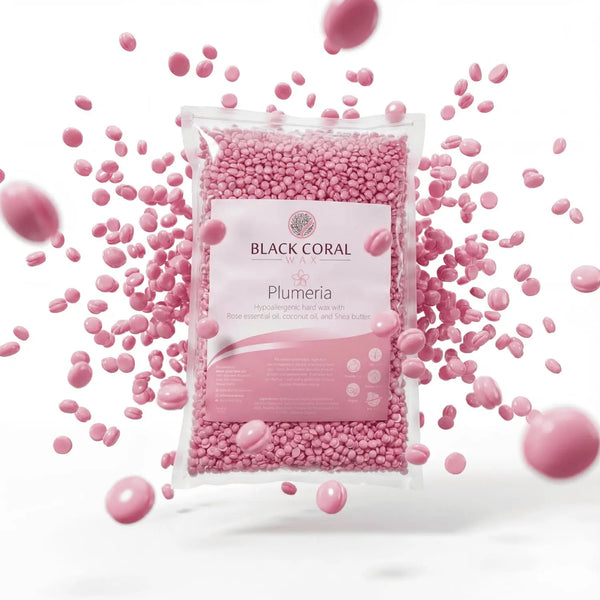
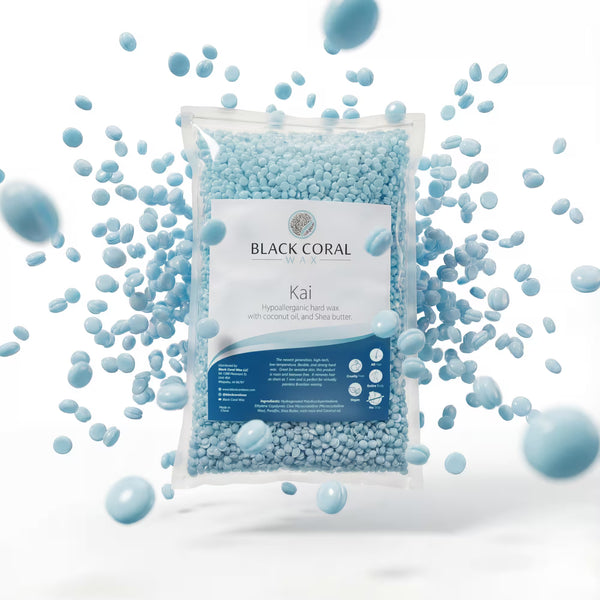
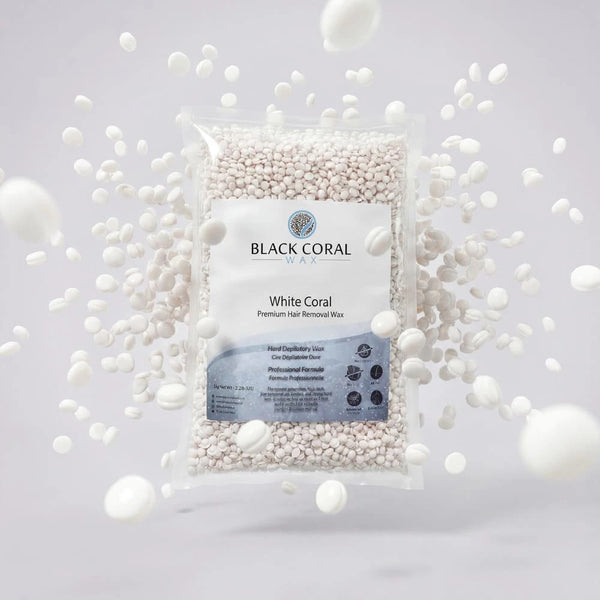
High-Quality Hard Wax: This is what you should use on sensitive areas. A high-quality hard wax is great for the face, underarms, and bikini area because it sticks to the hair and not the skin, which makes it much less irritating.
-
Professional Soft Wax: If you want to quickly and effectively remove hair from large areas like your legs, back, and arms, a high-performance soft wax is the way to go.
-
Applicators and Strips: Get a lot of wooden applicators in different sizes, from big body spatulas to small ones for precise facial waxing. You should also have non-woven muslin or pellon strips for your soft wax.
-
Nitrile gloves are the best kind of disposable gloves to use. It's a must if you want to keep your hygiene at the highest level and stop cross-contamination.
-
Choosing a wax with a low melting point is important for both client comfort and skin safety. Waxes that melt at lower temperatures are less likely to cause burns from heat, especially on sensitive skin like the face or bikini area.
The Last Step: Taking Care of Your Skin Before and After Waxing
A good waxing service doesn't stop when the hair is gone. A good waxer knows how to prepare and care for your skin before and after waxing to avoid irritation, bumps, and ingrown hairs.
You should have the following things on your pre- and post-care list:
-
Pre-Wax Cleanser: An antiseptic cleanser gets rid of makeup, oil, or lotion so that the wax can hold on to the hair better.
-
Pre-Wax Oil or Powder: A thin layer of pre-wax oil protects clients with dry or sensitive skin. Powder is great for soaking up moisture in places where you sweat a lot.
-
This post-wax soothing oil does more than just get rid of leftover wax. A good soothing oil calms the skin, makes it less red, and gives it a nice finish. Look for things like lavender or chamomile.
-
Treatment for ingrown hairs: Giving clients a serum or pads to take home helps them keep their results smooth and stops ingrown hairs from forming.
If you want to learn more, check out our full guide to professional waxing kits for estheticians, where we go into more detail about these important items. Build your kit with care, as it shows how skilled you are.
Starting Your Career in Waxing
Now that you have your license, have practiced your skills, and put together your professional kit, you're ready for the next exciting step: choosing what kind of career you want to have. This is when your training pays off.
You have two main choices: join an existing salon or spa, or open your own waxing business. One path gives you structure and a steady stream of clients, while the other gives you complete freedom and the chance to make more money. There is no right or wrong answer, only the one that fits with your personal and professional goals.
Finding a Place to Live in a Spa or Salon
Joining an established business is the best first step for most new waxers. It gives you a chance to get real-world experience and learn from experienced professionals without having to run a business.
The timing couldn't be better because there is a growing need for skilled waxers.
In 2024, the global market for hair removal wax was worth $10.48 billion. By 2033, it is expected to be worth $19.1 billion. There are a lot of chances in this market because North America makes up more than 40% of it. To see how much the industry is growing, you can read SkyQuestt's full market analysis.
So, how do you get one of these jobs?
-
Improve your resume: Make sure to include your license, certifications, and any extra training you've had. Talk about your hands-on experience, including what you learned in school, and stress how well you know sanitation rules and how to care for clients.
-
Do well in the practical interview by being ready to show what you can do. Most salons will ask you to do a service, like waxing your legs or eyebrows. Now is your time to shine. Dress professionally, talk clearly with your "client," and let your skills do the talking.
Starting a Waxing Business: Carving Your Own Path
If you have an entrepreneurial spirit, starting your own studio is a realistic and rewarding goal. You have to wear a lot of hats on this path. You're not just a waxer; you're also the CEO, the bookkeeper, and the marketing department.
You need to build a strong base before you can open your doors. Not only do you need to be a great waxer, but you also need to build a strong professional reputation from the start. Your brand's trustworthiness is the most important thing.
Here's a quick look at your first list of things to do:
-
Take care of the legal stuff: Get all the local permits you need and register your business name. Make sure to get professional liability insurance. It is not up for debate for your safety.
-
Find Your Place: If local zoning laws allow it, you could rent a suite in a salon collective, lease a small commercial space, or make a room in your home just for your business. No matter which one you pick, make sure it meets all of the state board's safety and sanitation standards.
-
Set a Price for Your Services: Look into what your competitors are charging in your area so you can set prices that are both fair and profitable. Take into account the cost of your supplies, rent, and time.
-
Promote Your Business: Make a simple website, set up professional social media pages, and start telling people about your services. These first marketing efforts will get your first customers through the door.
It's not a sprint to start a business; it's a marathon. Your main goal should be to give each client an amazing experience. Word-of-mouth referrals from happy customers are the best way to market your business.
Going it alone is a big step, but if you plan ahead, it could be the best thing you've ever done for your career. We suggest our in-depth guide on starting a waxing business in 2025 and being successful if this sounds like your goal.
No matter if you join a team or start your own business, your success will depend on how professional you are, how committed you are to learning new things, and how well you take care of your clients. Both paths give you amazing chances to make a living doing something you love.
Questions People Ask About Becoming a Waxer
It's normal to have questions as you plan your path to becoming a professional waxer. At first, getting a license, finding clients, and improving your skills can seem hard.
Let's answer some of the most common questions that people who want to work in a certain field have to help you get started with confidence.
How long does it take to get a license to wax?
Your state's rules have a big impact on the timeline. Most esthetician programs, which teach you everything you need to know about skin care, take between 300 and 1,000 hours. It can take three to nine months of full-time study to finish this.
Some states, on the other hand, offer a "waxing-only" license that is more direct. For example, New York has a 75-hour program that focuses on this field. In California, on the other hand, you need a full 600-hour esthetician license to do any waxing. Always check the website of your state's cosmetology board first to see what the exact requirements are.
How much money can a professional waxer make?
Your pay as a waxer depends on where you live, how much experience you have, and what kind of job you have. A new waxer in a salon usually starts out with an hourly wage, tips, and a commission on product sales. The average base salary is between $40,000 and $60,000 a year, but this can change a lot.
When you get a lot of loyal customers, you can make more money. Waxers with a lot of experience, especially those who work for themselves and have a good reputation, can make more than $75,000 a year. If you focus on services that are in high demand, like Brazilian waxing, you can make even more money.
What Are the Toughest Things for New Waxers?
Every new job comes with its own set of problems, and waxing is no different. Knowing what to expect can help you get through these problems more easily.
-
Getting Faster and More Confident: At first, you might feel slow as you work on getting your technique just right. Practice makes you more sure of yourself. When you practice your moves with friends and models, you'll get better at them without losing quality.
-
Getting Your First Customers: You have to work hard for this. Use social media to show off your work (with permission), connect with other beauty professionals in your area, and think about offering new clients a discount to get them to try your services.
-
How to Handle Client Expectations: It's very important to be able to handle client consultations, talk about pain expectations, and deal with skin reactions that happen from time to time. Your best tools will be clear, kind communication and a calm demeanor.
To get through these tough times, you need to practice, talk to others, and get advice from people who have been there before.
Do I need liability insurance if I want to be a waxer?
Yes, for sure. Any waxer who works for themselves or someone else must have professional liability insurance. If a client has a bad reaction, there is an accident during a service, or someone makes a claim against you, this insurance will protect your finances.
A lot of salons and spas make their waxers have their own insurance. If you work for yourself, this is a very important safety net for your business and personal property. It gives you peace of mind and shows clients that you are professional.
Black Coral Wax is here to help beauty professionals at every stage of their careers. Our goal is to help you get great results with complete confidence, whether it's by making high-quality, skin-friendly waxes or sharing our expert knowledge.
Check out our professional-grade wax collections to find the tools you need to start a career you love.