Hard Wax for Brazilian Services: Smarter Choices, Better Results
A Brazilian is one of those services that immediately reveals how disciplined your technique really is. Clients feel every hesitation, every temperature issue, every uneven application, and every rushed pull. When the service is done well, the result looks effortless. When it isn't, the room gets tense fast.
For professionals, hard wax for Brazilian work isn't just about hair removal - it's about control, skin protection, speed, and client trust. As the service becomes more mainstream, the standard for execution rises with it.
FREE COURSE
Turn Your Passion for Beauty Into a $75K+ Waxing Business
GET IT NOW!
Course successfully sent. 🎉
Please go to your inbox to receive it.
Why Hard Wax Is the Professional Standard for Brazilian Waxing
Hard wax remains the salon standard because it behaves differently on the skin. It sets into its own removable film, so you're not relying on a strip to lift product from a delicate area with multiple growth patterns and tight contours.
Hard wax can result in 30 to 50% less pain than soft wax because reduced epidermal trauma lowers discomfort. Its polymers contract as the wax cools, encapsulating coarse hair shafts without adhering strongly to live skin cells.
That mechanical difference is the reason hard wax works so well on the bikini area. It grips the hair decisively, but it doesn't create the same broad skin pull that makes sensitive services harder to control.
Pulling from the hair instead of dragging the skin changes the entire feel of the service.
What works better in practice
-
Contoured sections: Hard wax handles curves and smaller sections more cleanly than strip-based methods.
-
Coarse regrowth: It grabs strong hair effectively when the application is thick enough and fully set.
-
Client comfort: Less skin adhesion usually means a calmer appointment and less post-pull shock.
For a clear overview of where each wax type fits in a treatment menu, Black Coral's guide to soft wax vs. hard wax is a useful reference.
How to Choose the Best Hard Wax Formula for Brazilian Services
The right formula makes the Brazilian easier before you even touch the client. A wax can be marketed as "for sensitive skin" and still perform poorly if it cools too brittle, drags during application, or loses grip on dense regrowth.
Focus on performance traits you can observe at the pot and on the skin: smooth spread, enough body to hold a clean edge, flexibility during removal, and a set that is fast but not so fast that it punishes precise placement.
Professional hard wax feature checklist for Brazilian waxing
| Feature |
Why it matters for Brazilians |
Professional standard to look for |
| Low melting point |
Reduces heat stress on sensitive intimate skin |
Comfortable working consistency without feeling overly hot |
| Flexibility |
Prevents cracking during removal on curved areas |
Pliable strip that bends without snapping |
| Strong grip |
Lifts coarse hair cleanly from the root |
Reliable adherence to hair, not excess skin |
| Smooth application |
Supports clean placement in small sections |
Spreads evenly with controlled pressure |
| Fast set time |
Improves workflow and keeps the service moving |
Sets promptly while still allowing placement control |
| Clean removal |
Reduces residue and unnecessary cleanup |
Leaves minimal tackiness after pull |
Signs a formula isn't right
If a wax strings excessively, breaks on removal, or leaves you constantly correcting edges, it's slowing your service and increasing the chance of irritation. For a deeper product selection framework, this guide on choosing hard wax beads for different skin types is worth reviewing.
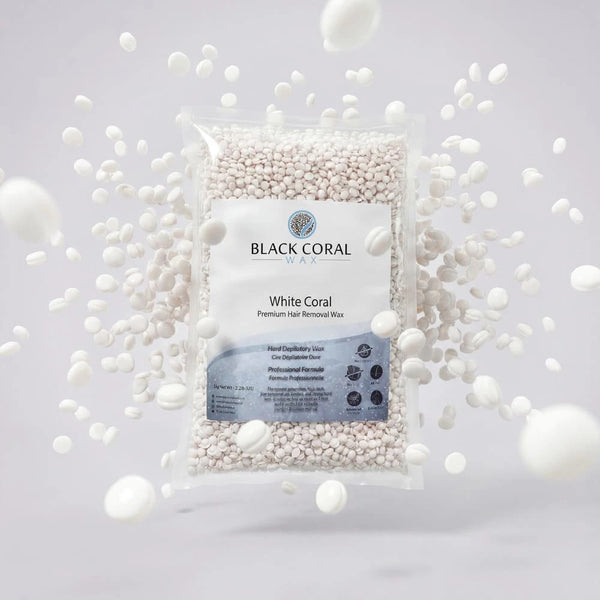
Black Coral Wax Hard Wax Collection for Brazilian Services
For professionals looking for tried-and-tested formulas, the Black Coral Wax hard wax collection offers several options well-suited to Brazilian work:
-
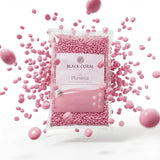
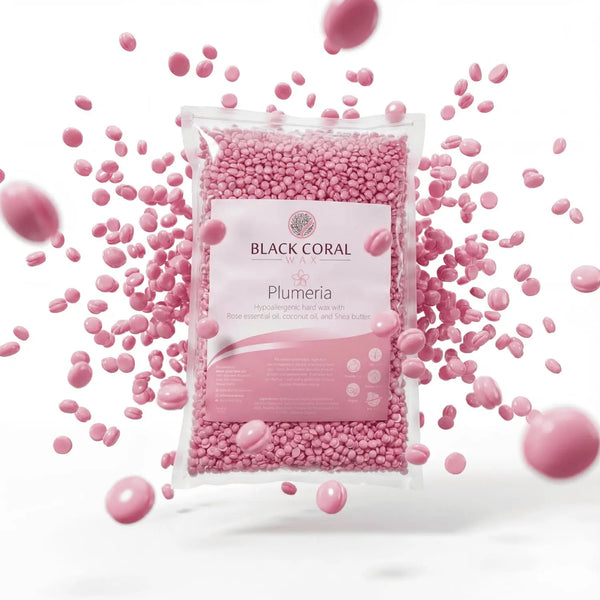
Plumeria Hard Wax: A stripless formula designed for sensitive skin. Its flexibility and reliable grip on varied hair growth patterns make it a strong choice for intimate areas.
-
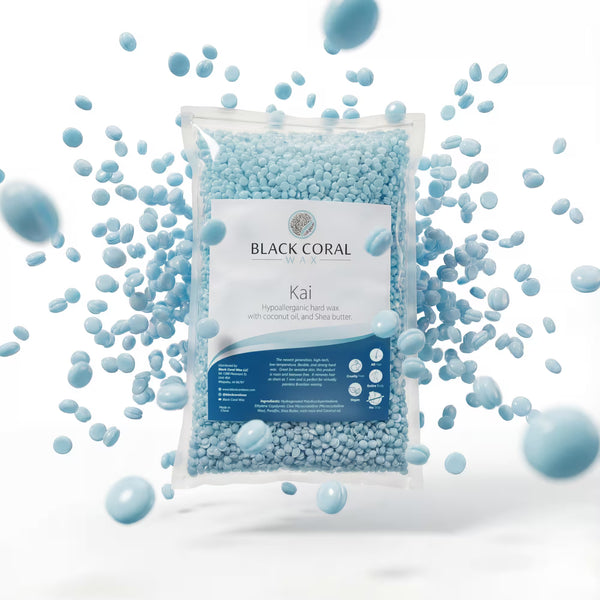
Kai Hard Wax: A hypoallergenic, vegan formula enriched with coconut oil and shea butter. The blue color makes it easier to monitor application thickness, which is especially useful when working in smaller sections on the Brazilian area.
-
Black Coral Hard Wax: A stripless formula built for all hair types, including coarse and dense regrowth in the bikini zone.
-
Mae Mae Hard Wax: Another hypoallergenic, vegan option with coconut oil and shea butter, suited to reactive skin and services that call for a gentler approach.
If you want to test formulas before committing to a larger size, Black Coral Wax also offers hard wax samples - a practical option before adding a new product to your regular rotation.
Client Prep, Contraindications & Safety Protocols
The prep phase is where professionals prevent avoidable problems. Estheticians must adapt protocols for clients with dermatological conditions such as eczema or psoriasis, and for clients using skin-sensitizing medications like retinoids. That pre-treatment assessment is critical for reducing adverse reactions.
Consultation points that matter
Before you cleanse the area, confirm:
-
Medication use: Ask specifically about retinoids and antibiotics, not just "Are you on any medication?"
-
Current skin condition: Check for visible irritation, compromised barrier function, or active sensitivity.
-
Recent treatments: Clarify whether the client has had exfoliating or resurfacing services near the area.
-
Comfort level: An anxious client often tenses the body, which changes how the skin behaves during removal.
For a salon-friendly reference, Black Coral's article on waxing contraindications for beauticians is useful for intake and training.
Prep steps in the room
Cleanse thoroughly so the wax isn't fighting oil, perspiration, or residue. Then apply a very light protective layer before waxing - just enough barrier so the wax grips hair cleanly while respecting the skin.
Wax Temperature, Consistency & Application Technique
A Brazilian can go off track before the first pull if the wax in the pot is wrong. For intimate waxing, working temperature affects spread, grip, setting time, and whether the wax wraps the hair cleanly instead of skating over it. Industry guidance consistently warns that wax applied too cool is more likely to cause breakage, while overheated wax increases burn risk on thin, reactive skin.
What the wax should look and feel like
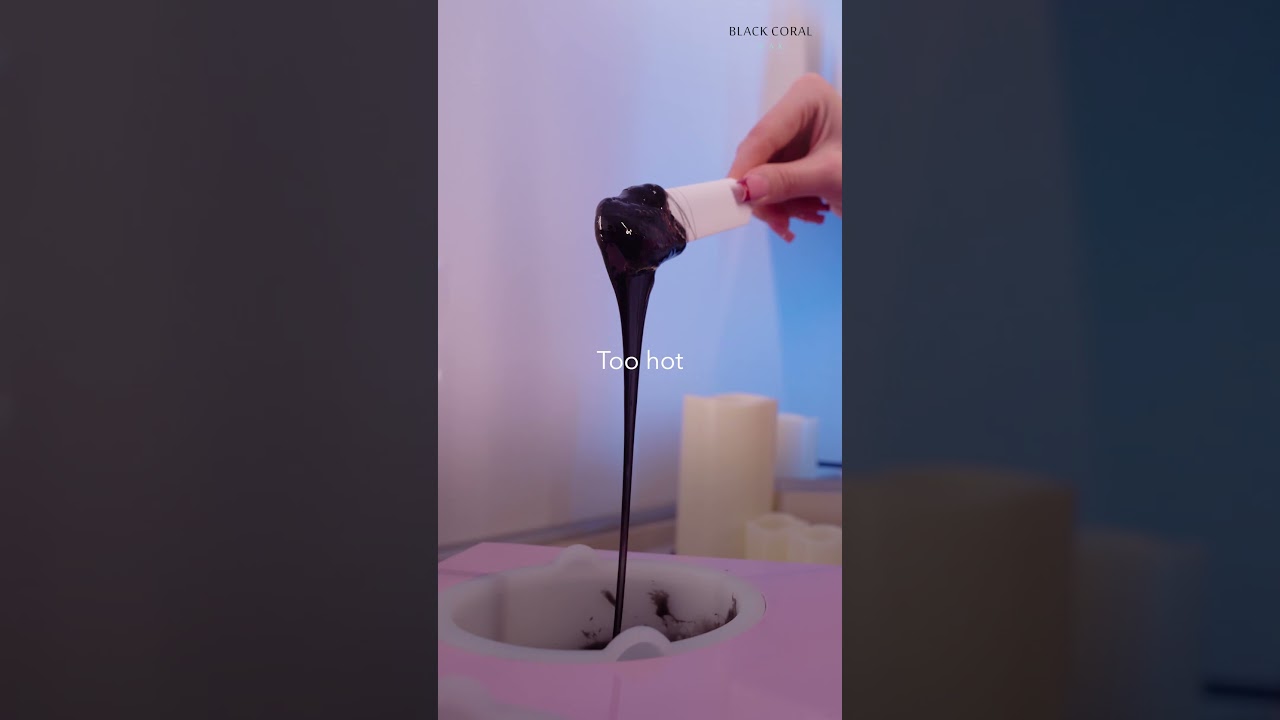
The right consistency is a thick, fluid ribbon. It should wind off the spatula smoothly, hold its body on the skin, and stay workable long enough for precise placement. If it pours like syrup, it is too hot. If it drops in clumps or starts setting before you finish the section, it is too cool.
Hotter wax feels easier to spread, but usually goes on too thin and gives a weak strip with poor edge control. Cooler wax builds a stronger strip, but if it gets too stiff, it drags during application and fails to mold around the base of coarse hair.
Application habits that improve speed and accuracy
Apply with firm, even pressure in the direction of growth. That pressure seats the wax around the hair instead of leaving it sitting on top. Smaller, deliberate placements are often the quicker service overall because they stay controlled - large sections on coarse or mixed-direction growth create more breakage and more cleanup work.
Key habits that consistently improve results:
-
Build a lip: Leave a slightly thicker edge so you have a clean grip point without cracking the strip.
-
Press with purpose: Smooth the wax firmly as you apply it, especially through denser central growth.
-
Watch the set: Remove when the surface is matte and set, but the strip still has flexibility.
-
Adjust by zone: Labia, mound, and perimeter rarely need the same strip size or wax thickness.
Low-melt, flexible hard waxes are usually easier to manage in Brazilian services because they stay pliable without becoming runny, giving better edge formation and a more forgiving set on curved, mobile skin.
The Perfect Pull: Removal Technique & Troubleshooting
The pull decides whether the client experiences the service as sharp but clean, or as dragging and chaotic. Hold the skin taut near the strip and remove the wax in one quick motion, close and parallel to the skin, in the opposite direction of growth. Upward pulling is where breakage, bruising, and unnecessary discomfort start.
Common issues and what they usually mean
-
The wax snaps mid-pull: The strip was likely too thin, too small at the grip point, or too cool by the time you removed it.
-
Hair is left behind: Either the application didn't press firmly enough into the hair, or the growth pattern wasn't fully matched.
-
The client feels more pain than expected: Check your skin support first - tension control often matters as much as formula choice.
-
The wax feels gummy on removal: It probably needed a bit more set time.
Hard wax does allow for reapplication, but there is a lack of clinical data on how many reapplications are safe before irritation occurs. If an area looks pink but calm, a targeted second pass may be appropriate. If the skin looks stressed, stop and use tweezers only if necessary.
Post-Wax Skin Care & Brazilian Aftercare Advice
A Brazilian isn't finished when the wax is removed. Calm the skin first, remove any residue, and check the treatment area before the client leaves the table. The finish should feel soothed, not sticky or overheated.
Apply a soothing post-wax product sparingly - too much can mask how the skin looks, making your final assessment less accurate. Then give short, direct aftercare instructions the client will actually remember:
-
Keep heat low: Avoid hot baths, steam rooms, and similar heat exposure for 24-48 hours.
-
Reduce friction: Loose clothing is more comfortable than tight fabrics right after the service.
-
Pause intense workouts: Heavy perspiration and friction can aggravate freshly waxed skin.
-
Support long-term skin health: Start gentle exfoliation after the skin has settled, and keep the area moisturized regularly.
All of the techniques covered here - from application control to removal timing and zone-specific adjustments - are taught in depth in an online course by an expert practitioner. If you want guided, step-by-step instruction rather than self-study, online course Precision & Comfort: Brazilian Waxing Essentials by Black Coral Academy is a dedicated resource built around exactly these skills.
Frequently Asked Questions on Hard Wax for Brazilian Services
Is hard wax for Brazilian services better than soft wax?
For Brazilian work, hard wax is usually the better fit. It shrink-wraps around the hair instead of adhering heavily to live skin, which gives you more control in a high-sensitivity area and generally makes the service more tolerable for the client.
What temperature should hard wax be for a Brazilian?
Hard wax should be warm enough to stay fluid and spread cleanly, but never so hot that it risks overheating the skin. The correct working temperature depends on the formula, room temperature, and your pace through the service. Test every pot on yourself first, then adjust during the appointment.
Can you reapply hard wax on the same area?
Yes, but only with a skin check between passes. If the area looks calm and the client is tolerating the service well, a careful second application can clean up resistant patches. Do not chase a few short hairs on reactive skin - switch to tweezers, reduce tension, or leave the area and reassess at the next visit.
What should I check before a Brazilian wax service?
Check for retinoid use, acne medication, recent exfoliation, sun exposure, active irritation, broken skin, and any history of lifting or bruising. Also confirm the client's last hair removal method, because shaved regrowth and previously waxed regrowth behave very differently. Look closely at the skin before the first strip - eczema, psoriasis, redness, and compromised barrier function all affect how aggressive you can be, or whether you should wax at all.