Gel vs Cream Hard Wax: Choose Your Perfect Product
If you're standing at your warmer wondering which pot to reach for, you're asking the right question. Gel vs cream hard wax isn't really about picking a winner. It's about matching texture, grip, and set to the service in front of you.
A fast leg wax, a cautious first-time bikini client, a brow cleanup, dense regrowth, dry skin, oily skin, a beginner hand, a fast hand. Each one changes the best choice. When you understand how each formula behaves on the stick and on the skin, your services feel smoother, cleaner, and more predictable.
FREE COURSE
Turn Your Passion for Beauty Into a $75K+ Waxing Business
GET IT NOW!
Course succesfully sent. 🎉
Please go to your inbox to receive it.
Choosing the Right Tool for a Flawless Service
The hard wax you choose changes more than removal. It affects how the strip lays down, how much pressure you need on application, how easy it is to control in tight areas, and how the skin looks right after the pull.
Clients usually notice the end result. Professionals notice the whole chain of events that creates it. A wax that feels easy on the stick but snaps at removal can slow you down. A wax that spreads beautifully but sets too fast for your pace can make a simple service feel fussy.
The best choice usually comes down to four practical questions:
-
What area are you treating: A flat, broad area asks for different handling than a curved underarm or detailed brow shape.
-
What does the hair feel like: Fine facial fuzz, stubborn bikini hair, and mixed regrowth don't respond exactly the same way.
-
How does the skin present: Dry, reactive, oily, or resilient skin changes what feels most comfortable.
-
How fast do you need to work: Your timing, room temperature, and warmer settings all influence what performs well.
If you're still refining setup and consistency, your warmer matters more than is often assumed. A reliable temperature helps both gel and cream formulas behave the way they're supposed to, which is why it's worth reviewing a professional wax warmer guide before blaming the wax itself.
Understanding Formulation and Texture
At first glance, the difference looks simple. Cream hard wax is opaque and fuller-bodied. Gel hard wax is translucent and lighter-looking in the pot. In practice, that visual difference tells you a lot about how each one will move.
Cream hard wax has a denser, cushioned feel. On application, it tends to feel more substantial, almost lotion-like in how it blankets the skin. That body can help newer waxers feel where the wax is going, especially on intimate or curved areas where control matters. Its opacity also makes placement easy to track on the skin. You can clearly see your edges, your thickness, and your pull tab. That matters when you're working on facial detail or any service where precision beats speed.
Gel hard wax has a more fluid, glassy look. It usually spreads with less bulk, so the layer can feel sleeker and more elastic rather than plush. Many professionals like that lighter feel on the applicator because it encourages a thinner laydown. Translucency gives a different type of visibility. You can often see the hair and skin underneath as you work, which helps with placement in areas where you want to monitor coverage closely.
Texture isn't just a sensory preference. It determines how much pressure you use, how thick you apply, how quickly the wax cools, and how forgiving the strip is when you remove it.
A wax can be beautiful in the pot and wrong in the room. The real test is how it spreads, sets, and releases on your client's skin type and hair pattern.
Performance Deep Dive: A Professional Comparison
A client is booked for a full leg and underarm service back to back, and your timing matters as much as her comfort. Texture thus stops being a preference and starts affecting your pace, your cleanup, and how confident each pull feels.
| Feature |
Gel Hard Wax |
Cream Hard Wax |
| Texture |
Translucent, lighter, less viscous |
Opaque, dense, more cushioned |
| Application style |
Best in thin layers |
Best with a slightly fuller laydown |
| Workflow feel |
Fast and efficient for sectioning |
Controlled and steady, especially on delicate zones |
| Visibility on skin |
Lets you monitor placement through the wax |
Makes edges and thickness easy to see |
| Best-known strength |
Efficient use and lighter skin contact |
Comfort and a more conditioned feel on skin |
| Common challenge |
Can become too thin or brittle if overworked |
Can feel heavier if applied too thick |
Product use and service pace
Gel hard wax usually moves faster in the room because it spreads thinly and covers more area without building too much bulk. On larger services, that can mean less pot turnover and less time correcting heavy application. The catch is that thin only works if the strip still has enough body to remove in one clean piece.
Cream hard wax asks for a little more product, but it often gives more consistency from section to section. That consistency matters on appointments where the hair pattern changes every few inches or the client needs a more measured pace.
Comfort and skin response
Client comfort comes from release quality, not just wax temperature. Gel hard wax often feels cleaner on removal when your application is even and your timing is right. Many clients describe it as a quicker release, especially on areas where you want firm hair pickup without a heavy layer sitting on the skin.
Cream hard wax tends to feel calmer during both application and removal. That extra cushion can make a difference for clients who tense up easily, flush quickly, or need a wax that feels more protective while you work.
Grip, flexibility, and recovery if technique slips
Gel wax rewards precision. Keep the section size reasonable, maintain a clear edge, and remove at the right point in the set, and it performs beautifully. Rush it, overwork it, or leave it too feathered at the edges, and the strip can lose strength fast.
Cream wax is usually more forgiving if your pressure is uneven or the hair growth is mixed. It holds its shape well, which helps when you need a defined pull tab and a strip that stays stable in your hand. That stability is one reason many professionals keep cream wax close for intimate services, underarms, and any appointment where the client may move or brace.
Professional Application and Removal Techniques
Technique changes everything. The same wax can feel effortless in one room and frustrating in another, because the application doesn't match the formula.
How to work with cream hard wax
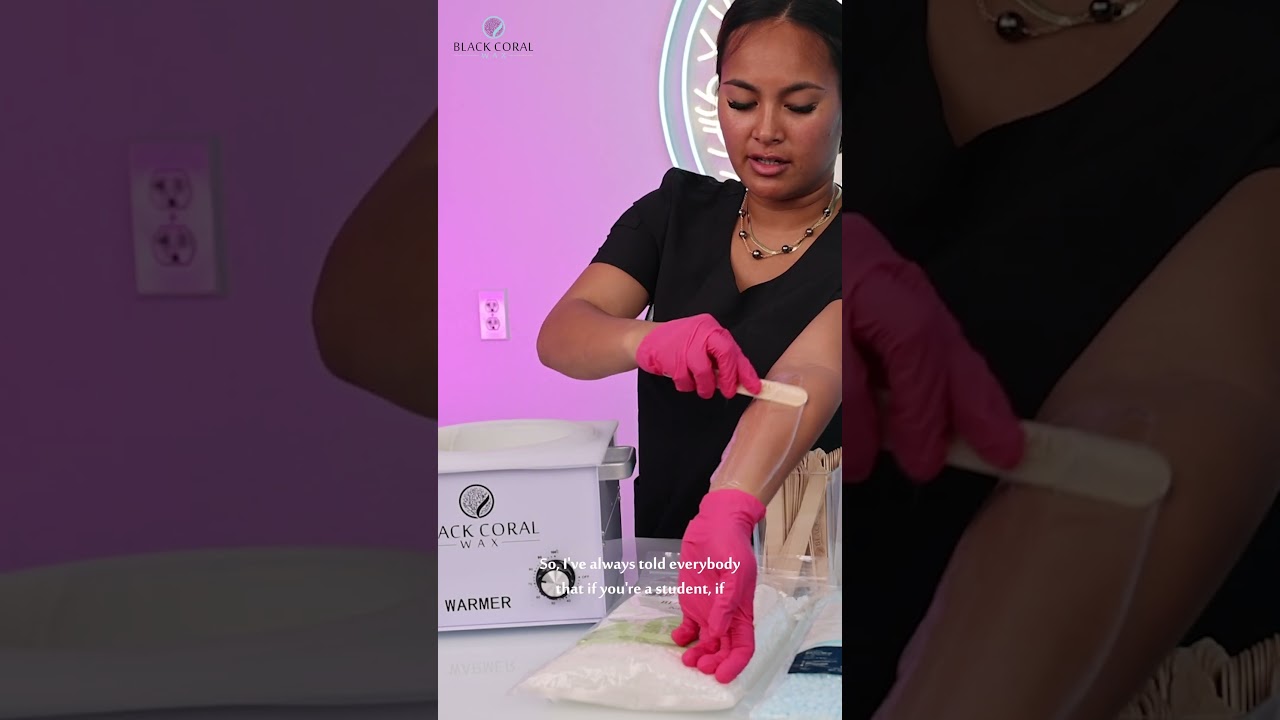
Cream wax likes intention. Load your spatula, press the wax into the hair growth, then smooth it into a consistent strip with a clear lip at the end. Don't rush the edge. That lip is your handle, and a strong handle gives you a cleaner removal. On curved areas, use the body of the wax to your advantage; let it wrap the contour rather than trying to force a paper-thin layer. If you spread cream too thin, you lose the stable, pliable strip that makes it so dependable. Use steady pressure, keep the edge thicker, and wait for pliability rather than full stiffness. The strip should feel set but still flexible.
How to apply gel hard wax
Gel rewards restraint. You usually need less product than you think. Spread it thinly and evenly, keeping the strip uniform so it cools at the same rate from edge to edge. The main mistake with gel is overmanipulating it. Reworking the same section can make the strip uneven and compromise elasticity. Lay it down, let it set, then remove with confidence while supporting the skin. If gel keeps feeling brittle, check your thickness first. Many issues come from application, not the formula.
Choosing Your Black Coral Wax Formula
When you know what each texture does well, choosing a formula becomes much simpler.
If you want a cream feel
For professionals who prefer a cushioned, gentler application, Plumeria Hard Wax, Black Coral Hard Wax, and White Coral Wax all sit on the cream side of the conversation.
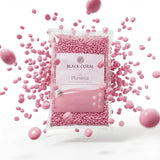
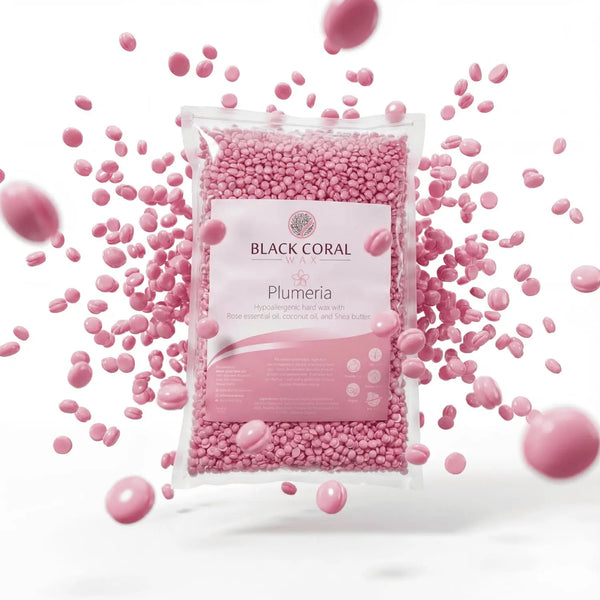
Plumeria is formulated with skin-conditioning ingredients that help reduce redness and soothe the treatment area: shea butter, rosa rugosa flower oil, and hydrogenated coconut oil. It has a forgiving set time that gives you more room to spread cleanly without rushing, and it's the go-to for Brazilian services, facial waxing, first-time clients, and post-laser care. Its plumeria blossom fragrance adds a sensory element clients tend to notice and appreciate.
Black Coral Hard Wax is a fast-drying, fragrance-free cream formula. The fast set works in your favor on a busy schedule, and its paraffin and coconut oil base helps it grip hair without pulling aggressively on the skin. It's a reliable everyday workhorse that many professionals reach for first.
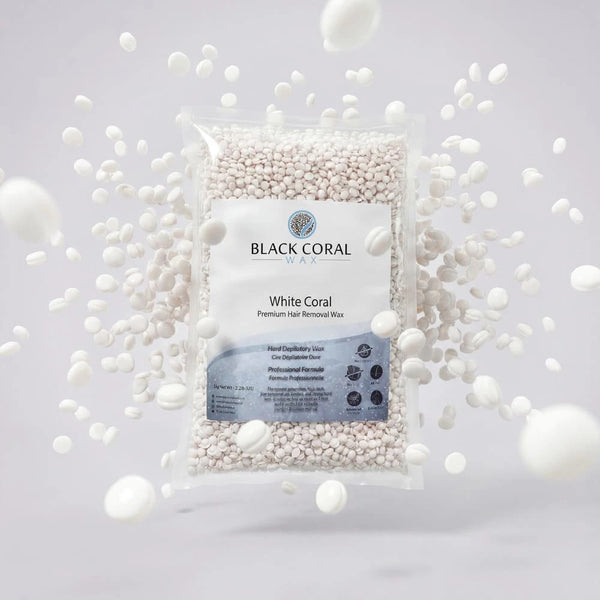
White Coral Wax rounds out the cream range with a clean, fragrance-free option suited to sensitive skin and professionals who prefer a neutral formula across all service types.
If you want a gel feel
Mae Mae Hard Wax is Black Coral's slow-drying gel formula. Its translucent, lighter consistency spreads thinly and cleanly, and the slower set gives you more time to refine placement before it hardens. This quality makes it especially popular among beginners still building speed and section control. Mae Mae is formulated with coconut oil and shea butter, making it hypoallergenic and suitable for sensitive skin despite its gel texture.
If you want versatility
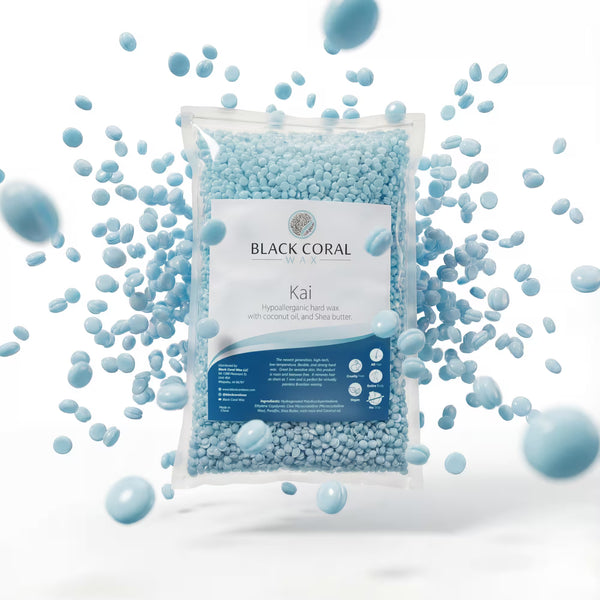
Kai Hard Wax is the hybrid option. Its blue gel-texture formula combines the precision and translucency of gel wax with the strength and versatile performance needed across a full-service menu. Kai handles Brazilian waxing, eyebrow shaping, facial hair, and coarse body hair equally well, making it a true all-service formula. Many professionals use it as their single-pot solution or mix it with other Black Coral waxes to dial in their ideal consistency.
A simple way to choose
Choose cream hard wax (Plumeria, Black Coral, or White Coral Wax) when the service centers on sensitivity, comfort, and controlled placement. Choose gel hard wax (Mae Mae) when your focus is slow-drying precision and you're still building your technique. Choose a hybrid wax (Kai) when you want maximum flexibility across body areas and want one formula that handles everything you throw at it.
Frequently Asked Questions on Gel and Cream Hard Wax
Is gel vs cream hard wax really about skin type?
Skin type matters, but it isn't the only factor. Hair texture, body area, your speed, and your application style all affect which wax performs better.
Which is easier for beginners?
Many beginners find cream or slow-drying gel formulas easier because the strip looks more visible and often feels more forgiving during placement and removal. Mae Mae's slow-drying gel texture is specifically noted for being beginner-friendly.
Can gel hard wax be used on sensitive areas?
Yes, if the formula is applied correctly and the client's skin is suitable. Mae Mae and Kai are both dermatologically tested and designed to be gentle on sensitive skin. Thin application and strong skin support matter a lot.
Do I need different techniques for each texture?
Yes. Cream usually performs best with a slightly fuller strip and a defined lip. Gel usually performs best when applied more thinly and left alone to set evenly.