Why Getting a Waxing Certification Is the Best Thing You Can Do for Your Career
Becoming a waxing specialist is more than just learning a new skill. It's about mastering an art and earning your clients' trust. Your state esthetician license is the legal key to the door, but a dedicated waxing certification is what will make you the person everyone turns to for help.
Don't think of it as a piece of paper; think of it as your promise to keep your work safe, high-quality, and skilled. This is where you turn your love of skin care into a real, in-demand service that keeps customers coming back.
How to Build Trust by Being Professional
A certification shows clients and employers that you have put money into getting a higher level of education. It shows that you care about your clients' comfort and safety above all else and use modern, skin-first methods. This credential makes you stand out from the rest right away.
It shows that you really understand:
-
Anatomy of the Skin in Depth: Knowing how different types of skin will react to wax.
-
Hygiene and Sanitation Protocols: Putting in place the standards that must be followed to stop cross-contamination.
-
Product Chemistry: Knowing the difference between soft wax and hard wax and when to use each one to get the best results.
-
Client Consultation: Being sure of contraindications and managing client expectations.
Getting a professional certification isn't just about learning how to do things; it's also about building trust. It tells every client that their safety and comfort are your top priorities, which is what builds loyalty that lasts for a long time.
Getting the most out of your earning potential
When you have specialized skills, you can charge more. Customers will gladly pay more for a professional who does a smooth, quick, and perfect wax, especially for sensitive areas like Brazilian or facial waxing.
Adding a certification in esthetician waxing to your resume makes you look like an expert. You'll see for yourself why waxing is one of the most popular and profitable ways to get rid of hair as your skills get better. Not only does this skill help you build a loyal customer base, but it also gives you the confidence to open your own successful waxing studio or get a job at a high-end salon.
Figuring out the state licensing and educational requirements
You need to know the law before you can get better at waxing. To become a licensed waxing professional, you need to know the rules in your state. There is a cosmetology or esthetics board in every state that sets the rules for who can legally do waxing.
The first step is easy but very important: find the official website for your state's cosmetology board. This is where you'll find the exact requirements, which will help you build your career on a strong, compliant base from the start.
Getting to Know the Training Hour Requirements
The minimum number of training hours needed to get a license is one of the biggest differences between states. This number can change a lot depending on where you live, which has a direct effect on how long and how hard your training program is.
For instance, some states might only need about 600 hours of training in an esthetics program that has been approved. Some people can ask for 1,500 hours or more. These hours include everything you need to know for your esthetician waxing certification, such as skin science, safety rules, and hands-on practice.
This is why general advice is insufficient. A program that meets the criteria for one state might not be enough for the state next door. Always verify your state's specific hour requirement before enrolling in a school.
Esthetician License vs. Waxing-Only License
When you look over your state's rules, you will probably see two main paths. Getting a full esthetician license is the most common way. This gives you a lot of knowledge about all aspects of skincare and lets you do a lot of different things, like waxing. This is often the most flexible and useful credential to have for a long-term career.
But a few states do offer a "waxing-only" or "waxing technician" license. This is a shorter, more focused program that only teaches hair removal. It's a faster way to specialize, but you need to know what it can't do. You will need to go back to school to get a full esthetician license if you ever want to offer other services like chemical peels or facials. Our guide on how to start a career in beauty and skincare can help you see how this fits into a bigger career plan.
How to Find Schools That the State Approves
It's time to look for an accredited school once you know the hours and type of license you need. The best place to start is the website of your state's cosmetology board. They usually have a list of schools that are approved.
As you look into schools, make sure they are not only accredited but also that their curriculum follows the rules in your state. Here are a few things to check again:
-
State Board Approval: Is the school on your state's official list of approved providers?
-
Does the program offer enough hours of both theory and hands-on training to meet state requirements?
-
Requirements for Admission: Are you able to meet their needs? Most schools require students to be at least 16 to 18 years old and have a high school diploma or GED.
Getting your esthetician license is a big deal, but it's not impossible. Schooling can cost anywhere from $3,000 to $15,000. And since 90% of states require a hands-on practical exam, these programs are meant to make sure you leave with useful skills. It's a good idea to look up industry statistics to get a better idea of the job you're about to start.
How to Pick the Best Waxing Certification Program
You've figured out how to follow your state's rules for getting a license. Now comes the fun part: choosing a waxing certification program that fits with your career goals. This is a very important choice. Think of it as putting money into your confidence and skills. The right training will pay for itself many times over with happy clients and a full schedule.
There are so many choices, from intensive in-person workshops to flexible online courses and training for specific brands, that it can be hard to choose. Finding a program that works with your learning style, lifestyle, and career goals is the most important thing.
Workshops and courses that take place in person
For a lot of professionals, nothing beats training that is hands-on. You can learn directly from an experienced teacher in person, and they can give you immediate, personalized feedback. You can feel how smooth the wax is, learn how to make a client feel comfortable, and practice your skills in a safe, supervised setting.
This hands-on method helps you quickly build muscle memory and confidence. Having a teacher correct your posture, how much pressure you're putting on the application, or the angle at which you're removing it in real time is something that a video can't do. If you learn best by doing things, this is the best way to go if you want to learn how to wax from the very beginning.
Models for Hybrid and Online Learning
The world of education has changed, and so has the certification for esthetician waxing. If you already have a job or other responsibilities, online and hybrid courses are great because they give you a lot of freedom.
Most of the time, these programs teach you theoretical ideas through online modules that you can finish at your own pace. This is where you'll learn the basics, like
-
Anatomy of skin and hair
-
Rules for safety and cleanliness
-
Client meetings and contraindications
-
Chemistry of products and wax formulas
Live video sessions, video submissions for instructor review, or a few required in-person training days are usually how the hands-on part works. It's a good mix of things that lets you learn from home without giving up the practical skills you need to do well.
Education for a Specific Brand
Getting certified directly by a professional wax brand is another great choice. The Black Coral Wax Academy and other programs like it are meant to teach you how to get the most out of their products. People who have worked with the wax line for a long time usually come up with the curriculum.
This kind of training goes into great detail about how each wax is made and how it should be used. You'll learn more than just the basics; you'll learn the small, expert changes that make a big difference in how well you do your job and how comfortable your clients are. This is especially helpful when using high-performance waxes that are made for certain jobs, like a firm hard wax for coarse hair and a flexible one for sensitive areas of the face.
Comparing Waxing Program Formats
Deciding between in-person, hybrid, or brand-specific training can be challenging. Each format offers unique benefits that cater to different learning styles, schedules, and career goals. To help you choose, here's a quick breakdown of what to expect from each.
|
Program Type
|
Best For
|
Key Benefits
|
Potential Drawbacks
|
|
In-Person
|
Hands-on learners who want immediate feedback and a structured environment.
|
Direct instructor mentorship, real-time corrections, and a fast track to building muscle memory.
|
Less flexible scheduling, requires travel, and often has a higher upfront cost.
|
|
Hybrid/Online
|
Self-motivated students, working professionals, or those needing a flexible schedule.
|
Learn theory at your own pace, often more affordable, and accessible from anywhere.
|
Less direct supervision, requires strong self-discipline, hands-on practice can feel disconnected.
|
|
Brand-Specific
|
Estheticians who want to master a specific product line or specialize their services.
|
Deep product knowledge, expert techniques for optimal results, and brand-affiliated credentials.
|
Training is tied to one brand, may not cover broader, brand-agnostic techniques.
|
In the end, the best program is the one that helps you do well. Pick the path that will give you the skills and confidence to build a career you love, whether you do best with direct mentorship or need the freedom to learn on your own terms.
Looking at a Program's Curriculum
No matter what the format is, a strong curriculum is a must. A good esthetician waxing certification should teach you more than just how to put on and take off wax. When you look at different programs, make sure they give you a lot of training in these important areas.
Important Parts of the Curriculum:
-
Mastering Hard Wax vs. Soft Wax: The class needs to teach you how to use both types of wax with confidence, including when and why to use one over the other. This takes a lot of practice on different hair types and body parts.
-
Specialized and Intimate Waxing: A good program will have in-depth lessons on popular services like Brazilian, bikini, and facial waxing. These tasks need a lot of skill, a light touch, and a strong focus on keeping clients safe.
-
Speed Waxing Techniques: In a salon, time is money. Find classes that teach you how to do your work quickly and accurately, without rushing, especially for big areas like your legs and back.
-
Skin-Conscious Practices: Waxing these days is about more than just getting rid of hair. The training should include how to properly prepare the skin, how to spot contraindications, and how to take care of the skin after waxing to avoid irritation and ingrown hairs.
-
This is the most important thing: cleanliness and hygiene. The program must thoroughly cover state board-level sanitation, proper disinfection, and best practices to make sure there is no chance of cross-contamination.
You're not just learning how to wax when you pay for a program that covers these basics. You're learning how to be a reliable expert who always gets safe, clean, and amazing results.
From Skin Theory to Hands-On Technique: How to Master the Craft
A good esthetician waxing certification teaches you more than just how to pull wax strips. It's a deep dive that turns you into a professional that clients will trust for years. A good program gives you the right mix of theoretical knowledge and practical skills, which will help you get a good job, not just pass an exam.
When you look at different programs, make sure they all start with science. That means learning a lot about how skin and hair work, which is the key to helping your clients make smart, safe choices every day.
The Basis of Theory
You need to know how to work with the skin before you even touch a wax warmer. A truly complete program will spend a lot of time on theory because it has a direct effect on the safety and results of your clients.
These are the most important things that should be covered in your theory lessons:
-
Skin and Hair Anatomy: It's not enough to just remember the words. It's about knowing the different layers of skin, how hair grows, and how the texture of hair changes from the face to the legs.
-
Rules for meeting with clients: You will learn how to ask the right questions during an intake, spot possible red flags (contraindications), and set client expectations from the start.
-
Contraindications & Skin Conditions: This is critical. You must be able to identify when waxing is not an option-for example, if a client is using retinoids, has a certain skin disorder, or recently had a chemical peel.
This knowledge is what prevents mistakes and helps you build a reputation as a safe, reliable esthetician. For a closer look at the science, check out our guide on understanding hair growth in men and women.
Strong theory isn't just for the exam. It gives you the confidence to handle any skin type or situation that walks through your door. It’s what empowers you to answer questions like a true expert and customize every service.
Mastering Practical Application
Once the theory clicks, it’s time to get your hands waxy. This is where you put what you've learned into practice. A quality program will have you spending significant time actually waxing, building muscle memory while an experienced instructor guides your every move.
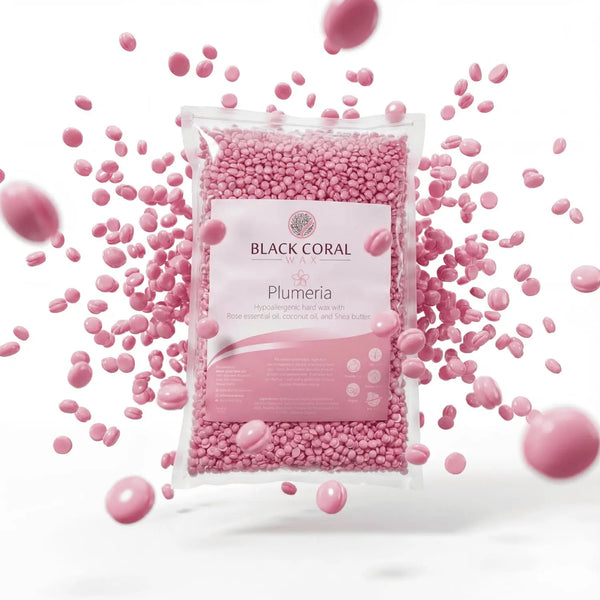
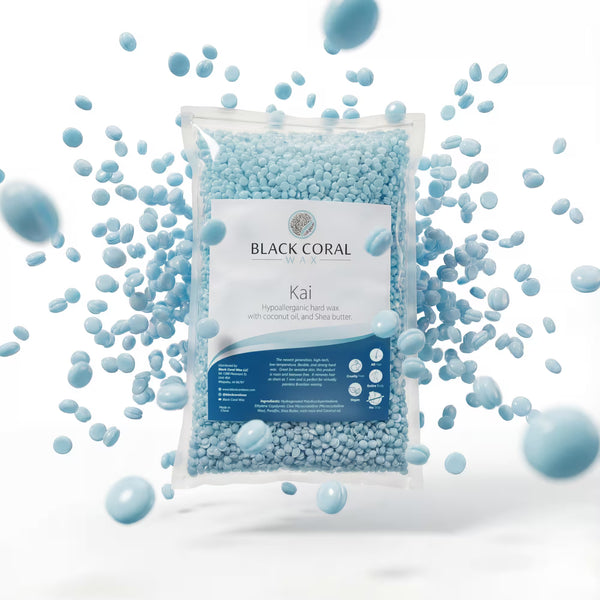
Your hands-on training should get you comfortable with different types of wax for different body parts. You'll learn, for instance, why a high-quality hard wax like Black Coral Wax’s Pele beads is the go-to for delicate areas like the face or bikini line. It’s formulated to adhere to the hair, not the skin, which makes the experience much more comfortable.
You’ll also practice with soft wax (strip wax) to see how efficient it is for larger areas like backs and legs. Knowing when to use each type of wax makes you faster and gives your clients better results-a win-win.
Nuances of Different Body Areas
Waxing isn't a one-size-fits-all skill. A good curriculum will break down the techniques for each part of the body, as every area presents unique challenges and considerations.
Key Hands-On Modules to Look For:
-
Facial Waxing: How to be exceptionally precise with brows, lips, and chins, where the skin is thin and every detail matters.
-
Body Waxing: Getting fast and efficient on large areas like legs, arms, and chests without sacrificing a clean finish.
-
Intimate Waxing: Advanced skills for Brazilian and bikini services, with a strong focus on client comfort, privacy, and safety.
This is the kind of specialized training that separates a good waxer from a great one. The industry recognizes this value, too. The global hair removal wax market hit USD 11.5 billion in 2023 and is expected to grow to USD 21.9 billion by 2035, largely driven by demand for services that only a certified professional can offer safely. In North America, hard wax is the preferred choice, which highlights the value of mastering products like those from Black Coral Wax. You can learn more about these industry trends and how they affect estheticians.
The Unwavering Standard of Hygiene
Finally, let’s address the most important topic: sanitation. This should be integrated into every single lesson. A top-tier esthetician waxing certification program will drill hygiene protocols into you until they become second nature.
This means:
-
Properly disinfecting every tool and surface, every time.
-
A strict, no-exceptions rule against "double-dipping" applicators into the wax pot.
-
Using fresh gloves for every client. No excuses.
-
Knowing how to correctly dispose of all used materials according to health regulations.
These habits are the bedrock of your professional career. If a program treats sanitation as its highest priority, you know you're in the right place.
Building Your Career Beyond the Certification
The feeling of holding your esthetician waxing certification is exhilarating. All those hours of study and practice have paid off. But here’s a crucial piece of advice for every new esthetician: that certificate is your starting line, not the finish.
Now the real work begins. It's time to build the professional foundation that protects you, attracts clients, and keeps you at the top of your game. The steps you take immediately after certification are what transform your skills into a sustainable, thriving career.
Secure Professional Liability Insurance Immediately
Before you take on your first paying client, you must secure professional liability insurance. Do not skip this step. It’s the safety net that protects you if something goes wrong.
Even the most skilled professionals can face unexpected issues like skin reactions or accidental burns. Without insurance, one unfortunate incident could jeopardize your finances and your entire career. It’s a non-negotiable part of being a true professional.
Add Credibility With Additional Certifications
Your main certification gets you in the door, but other credentials make you stand out and build trust. Some are even required to work in a professional setting.
A prime example is a Bloodborne Pathogens (BBP) certification. Many state health departments require it, and for good reason. It provides critical training for anyone who might come into contact with blood or bodily fluids.
A Bloodborne Pathogens certification isn't just a piece of paper. It tells clients and employers you are deeply committed to their safety and follow the highest standards of infection control. That level of trust is priceless.
This shows you’re trained to handle and dispose of potentially contaminated materials properly, protecting both yourself and your clients. It’s a small investment of time that adds immense credibility to your professional profile.
Commit to Lifelong Learning with Continuing Education
The beauty industry moves fast. New waxes, new techniques, and evolving client demands emerge constantly. To stay at the forefront, you must commit to continuing education (CE).
Many state boards require a certain number of CE hours for license renewal every one or two years. But even if yours doesn’t, ongoing learning is what separates a good esthetician from a truly great one.
Look for advanced workshops that cover:
-
Speed Waxing: Learn to work more efficiently without compromising quality. This allows you to serve more clients and increase your income.
-
Advanced Intimate Waxing: Master in-demand services like intricate Brazilians or male waxing, which require specialized skills.
-
New Product Formulations: Stay current on the latest wax formulas and pre- and post-care products to give your clients the best possible results.
Continuing education keeps your skills sharp and opens up new revenue streams, ensuring your career doesn’t just survive-it thrives.
Post-Certification Professional Checklist
Getting your career off the ground involves many moving parts. We created this checklist to help you tackle the most important steps for a smooth and successful start.
|
Action Item
|
Why It's Important
|
Pro Tip
|
|
Get Professional Insurance
|
Protects you financially and legally from claims of injury or negligence.
|
Look for policies designed specifically for estheticians. Many professional associations offer members discounted rates.
|
|
Obtain BBP Certification
|
Ensures you meet health and safety standards and builds instant client trust.
|
Choose an OSHA-compliant course and display your certificate proudly in your treatment room.
|
|
Build Your Portfolio
|
Showcases your skills and the quality of your work to potential employers and clients.
|
Take high-quality before-and-after photos (with client consent!) using consistent lighting to highlight your clean results.
|
|
Stock Professional Supplies
|
Using high-quality products from day one establishes your standard for excellence.
|
Invest in a premium hard wax, like Black Coral Wax’s Pele beads, to ensure a more comfortable client experience.
|
|
Network and Find a Mentor
|
Connect with experienced professionals who can offer guidance, support, and opportunities.
|
Join online esthetician groups and attend local industry events. Don't be afraid to ask a seasoned pro for advice.
|
This checklist is your launchpad. Completing these items will set you up not just for your first client, but for a long and prosperous career in the world of professional waxing.
Build a Portfolio That Showcases Your Skills
Your portfolio is your visual resume. It’s the proof that you can deliver the clean, flawless results your certification promises. Start building it right away.
Ask friends and family if they’ll allow you to wax them for photos. With their clear consent, take well-lit before-and-after pictures. You want to showcase your clean lines, your ability to remove all hair without irritation, and how tidy you keep your workspace. A compelling portfolio is one of your best tools for landing a job or booking your first clients.
From day one, use professional-grade products. When an employer or client sees you working with a premium brand like Black Coral Wax, it immediately signals your commitment to quality and skin-conscious results. It shows you’re a serious professional ready to deliver a superior service from the get-go.
Your Top Waxing Certification Questions, Answered
Jumping into the world of professional waxing brings up many questions, especially when you’re navigating the requirements for an esthetician waxing certification. We understand. Here are clear, professional answers to some of the most common questions to help guide you.
Can I Get A Waxing Certification Without An Esthetician License?
In most states, the answer is no. A foundational esthetician or cosmetology license is almost always a legal prerequisite before you can perform waxing services on clients. The waxing certification is the specialized, advanced training you pursue after becoming licensed.
A few states do offer a "waxing-only" license, which typically requires fewer training hours, but this is less common. Your first step should always be to check with your state's board of cosmetology. They provide the definitive rules for your area so you don't waste time or money on the wrong path.
How Much Does Waxing Certification Cost?
The cost varies significantly. A specialized waxing certification program can range from $300 to over $2,000. The timeline can be just as diverse, from a one-day intensive workshop to a multi-week comprehensive course.
Remember, this is in addition to your primary esthetician or cosmetology program, which often costs between $3,000 and $15,000. It’s best to view the certification not as a cost, but as an investment. It’s what equips you to offer in-demand services with the skill and confidence that builds a loyal clientele.
What Is The Difference Between Hard Wax And Soft Wax Training?
A truly complete certification program will make you an expert in both. These two types of wax serve very different purposes, and you need to master each one to be a versatile and effective professional.
-
Soft Wax: Also known as strip wax, it's applied in a thin layer and removed with a fabric or muslin strip. It is highly efficient and ideal for large areas like legs, arms, and backs.
-
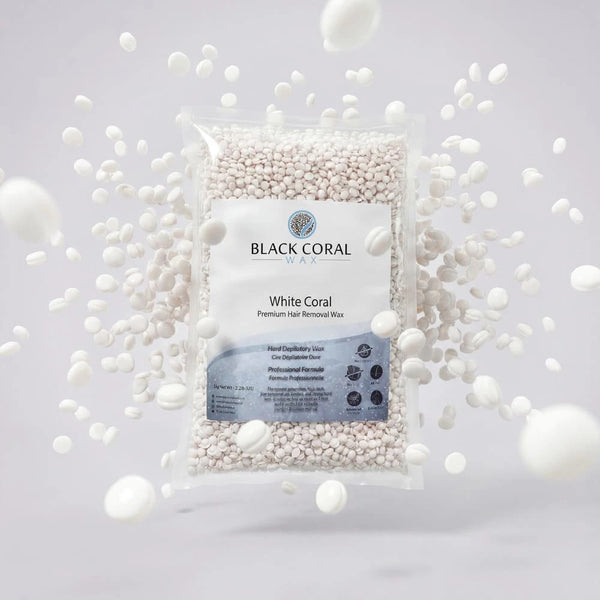
Hard Wax: Formulations like Black Coral Wax's signature beads are applied slightly thicker and removed without a strip. Hard wax is the preferred choice for sensitive areas-such as the face, underarms, and Brazilian waxes-because it adheres to the hair, not the skin. This results in a much more comfortable experience for your client.
Knowing the unique texture, application, and removal for both is what elevates a good waxer to a great one. To truly perfect your skills, it helps to learn the top waxing mistakes and how to avoid them.
"The ability to expertly choose between hard and soft wax for each specific client and body area is what elevates a standard waxing service to a premium, sought-after experience."
Do I Need To Be Certified To Use Professional Wax Products?
While anyone can purchase our products for personal use at home, using them on paying clients is a professional service that requires proper credentials. For that, you absolutely need the appropriate state license and, ideally, a specialized certification.
Our formulas are developed for professional hands, and our training resources are designed to help licensed estheticians achieve outstanding results safely. As you complete your program, you will naturally have questions about your credentials and official course completion certificates. This final step validates that you have the technical skill and safety training needed to use premium waxes correctly.
At Black Coral Wax, we are here to support your career with high-performance products and expert education at every stage of your professional journey.