Bruising after Waxing? Prevention & Care Tips
A client stands up after a wax, gets dressed, then pauses and says, “I think I’m bruising.” Most waxers have had some version of that moment. Your technique may have felt controlled. The skin may have looked calm at first. Then a small blue-purple mark appears, and the room gets quiet.
That’s where professional confidence matters.
Bruising after waxing can happen, especially in delicate areas, on thin skin, or when a client has a factor that makes capillaries easier to stress. It doesn’t automatically mean poor work. It does mean the waxer needs a clear workflow: assess risk before the service, adjust technique during the service, respond calmly if bruising shows up, and explain next steps without sounding defensive.
Clients remember how you handle the unexpected. A measured explanation, visible care, and precise aftercare guidance can protect trust just as much as good removal technique.
FREE COURSE
Turn Your Passion for Beauty Into a $75K+ Waxing Business
GET IT NOW!
Course succesfuly sent. 🎉
Please go to your inbox to recieve it.
Introduction
Bruising after waxing is one of those concerns that makes even experienced professionals stop and review every step. That’s a good instinct. The right response isn’t panic. It’s process.
A bruise after waxing usually comes down to capillaries under the skin being stressed enough to leak into the surrounding tissue. In practice, that means your result is shaped by more than wax choice alone. Skin tension, pull angle, area selection, client history, hydration, recent sun exposure, and medication use all matter.
For waxers, the true skill is not just knowing the cause. It’s knowing what to change in the room.
That includes:
-
Screening better: catching clients who are more likely to bruise before wax touches skin
-
Refining technique: reducing drag, force, and unnecessary tissue movement
-
Managing the moment: responding professionally if bruising appears
-
Educating clearly: giving clients simple instructions they’ll follow
Practical rule: When bruising happens, clients need calm facts, not vague reassurance. Explain what the skin is doing, what you’re doing next, and what they should expect.
Strong professional habits separate average waxing from safe, skin-conscious waxing. The goal isn’t to promise that bruising will never happen. The goal is to make it less likely, easier to manage, and easier to explain.
The Science Behind a Post-Wax Bruise
A post-wax bruise is a mechanical response. The wax adheres to the hair, the hair is removed from the follicle, and the surrounding skin has to tolerate that force. If the tissue underneath is delicate enough, tiny blood vessels can break.
What’s actually happening under the skin
Think of capillaries as very fine channels sitting close to the surface. When waxing force is well controlled, the hair releases and the skin settles. When the area is fragile, the skin isn’t held taut, or the pull creates excess strain, those vessels can rupture. The leaked blood then shows through as discoloration.
That’s why bruising after waxing looks different from simple redness.
Redness is often a short-lived inflammatory reaction. A bruise has that deeper blue, purple, or green-toned look because blood has moved into surrounding tissue. In a treatment room, that distinction matters. It helps you explain why the skin may feel one way immediately but look different later.
Why some areas react more than others
The bikini zone is a common example because the skin is delicate and the tissue underneath can be more reactive. Thin or sensitive skin also gives you less margin for error. A removal that would be tolerated well on one client’s lower legs may be too aggressive on another client’s inner thigh or bikini line.
Waxers also need to separate bruising from other post-wax responses. If you need a useful comparison point, this guide to histamine reaction after waxing helps distinguish temporary raised irritation from deeper tissue discoloration.
A bruise is not just “extra redness.” It’s a sign that the tissue under the surface took more stress than it could comfortably handle.
What this means in practice
The science matters because it changes your choices. You stop treating bruising as random. You start looking at variables you can control:
-
Skin support: Was the area anchored firmly enough?
-
Removal path: Did the strip come off parallel to the skin?
-
Area suitability: Was that tissue appropriate for the wax and strip size used?
-
Client factors: Did the skin have a reason to bruise more easily that day?
That mindset gives you better technique and better client communication. Both are part of the treatment.
Identifying High-Risk Scenarios and Clients
Some clients walk into the treatment room with a much narrower safety margin. If you don’t catch that before the first pull, your technique has to work harder than it should.
The strongest prevention tool isn’t faster hands. It’s a better consultation.
The intake questions that actually matter
A brief intake form should do more than confirm the service area. It should flag anything that increases tissue fragility or vascular reactivity. One of the most important examples is medication use.
The risk of bruising from waxing is significantly higher for clients on blood-thinning medications or with underlying vascular conditions. Anticoagulants like aspirin or warfarin can increase bruising incidence by 2-3 times, and a 2025 report from the International Spa Association indicated that 15% of waxing complaints involved unexpected bruising often linked to undisclosed medications, which underscores the value of thorough client intake and professional education, as noted in this expert discussion of post-wax bruising risk.
That doesn’t mean every client on those medications must be treated the same way. It does mean you need to know before you proceed.
Ask plainly. Keep the tone neutral. Clients are more likely to disclose when the question sounds routine, not alarming.
Skin clues you can spot before you start
Visual assessment still matters. Some clients won’t know that recent sun exposure, dehydration, or skin thinning has made them more vulnerable. You may see it before they say it.
Look for cues such as:
-
Transparency in the skin: veins and capillaries appear more visible
-
Fragile texture: skin looks papery, dry, or easily creased
-
Uneven sensitivity: one side of the area flushes or reacts faster during prep
-
Recent irritation: signs of sun stress, friction, or over-exfoliation
For broader screening guidance, keep your consultation aligned with standard contraindications to waxing for beauticians, especially when you see visible vascular concerns or a history of easy bruising.
Bruising risk factor checklist
|
Risk Factor
|
What to Look/Ask For
|
Professional Mitigation Strategy
|
|
Blood-thinning medication
|
Ask about aspirin, warfarin, or other anticoagulants
|
Slow down the service, reduce section size, and consider whether the area should be waxed that day
|
|
Thin or sensitive skin
|
Skin appears delicate, translucent, or reactive during cleansing
|
Use smaller applications, stronger skin support, and gentler removal planning
|
|
Dehydration
|
Client reports low water intake, skin appears dull or tight
|
Adjust expectations, reinforce aftercare, and avoid aggressive repeated passes
|
|
Poor skin tension
|
Areas where the client can’t relax or the tissue shifts easily
|
Reposition the body, anchor from multiple points, and shorten the working section
|
|
Excessive force
|
Waxer feels the need to “rip harder” to get release
|
Stop and change technique rather than increasing force
|
|
Recent sun exposure
|
Ask about sunburn, tanning, or outdoor exposure, especially in exposed areas
|
Delay waxing on compromised skin or modify the plan conservatively
|
|
Easy bruising history
|
Client says they bruise easily after hair removal or other cosmetic services
|
Patch test approach where appropriate and document the discussion clearly
|
A practical script for consultation
Use language that sounds professional and ordinary:
“Before we start, I need to ask about medications, recent sun exposure, and whether you tend to bruise easily. Those factors can change how your skin responds to waxing.”
That script protects both sides. It also positions you correctly. You’re not just removing hair. You’re assessing tissue response and making treatment decisions from it.
Mastering Bruise-Free Waxing Techniques
Once the consultation is done, prevention comes down to physical control. Most bruising doesn’t come from one dramatic mistake. It comes from a sequence of small choices that add unnecessary stress to the skin.
Prep the skin for even release
Well-prepped skin gives you a cleaner pull. Skin that’s dirty, overly slick, irritated, or dry tends to fight the service. That’s when wax starts dragging tissue instead of focusing on hair.
Before application:
-
Clean thoroughly: remove oil, perspiration, and residue that interfere with adhesion
-
Check surface condition: if the skin looks overly dry or compromised, adjust the plan before proceeding
-
Keep the prep balanced: the skin should feel fresh and workable, not stripped and tight
Hydrated, well-prepped skin helps reduce bruising risk because the pull is more even and the tissue handles traction better. Good prep also supports cleaner removal with less temptation to repeat the same area unnecessarily.
If temperature control has ever contributed to stickier application or extra drag in your room, review these top waxing temperature mistakes and how to avoid them. A wax that’s too fluid or too tacky can turn a simple removal into a traumatic one.
Anchor the skin like you mean it
This is the habit that separates smooth removals from rough ones. Holding the skin taut isn’t a vague instruction. It’s an active, directional anchor.
On flatter areas, one firm counterhold may be enough. On mobile tissue, especially around intimate zones or inner limbs, you may need two points of tension. One hand stretches. The other controls removal. If the tissue bunches, lifts, or shifts toward the strip, you haven’t anchored enough.
A few practical cues help:
-
Pull the skin away from the strip edge, not just downward at random
-
Stabilize from the side that moves most
-
Ask the client to assist with positioning if their posture limits your reach
If the skin moves with the wax, the tissue is taking part of the force. That’s where bruising risk starts climbing.
Adjust strip size and pressure
Bigger isn’t always better. Large applications can feel efficient, but they increase the chance of uneven pull, especially on curved or sensitive areas. Smaller sections give you more precision and less surface trauma.
Application pressure matters too. You want enough contact for grip, not so much pressure that you compress and stress already delicate tissue. Press with intent, then remove with speed and control. Don’t “dig in” to compensate for poor adhesion.
Choose the right wax behavior for the area
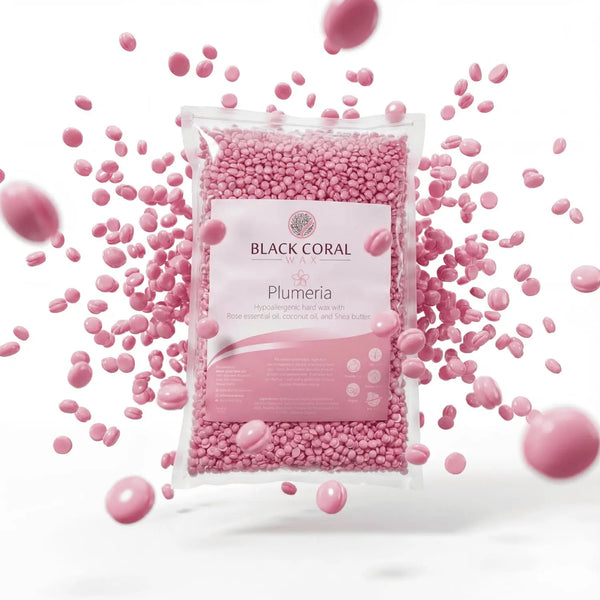
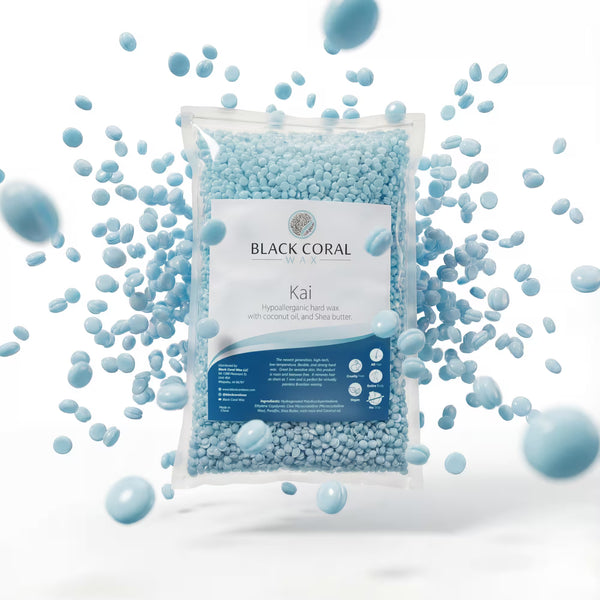
Delicate areas often benefit from waxes that set with flexibility and release without excessive pull on the surface. In professional use, some waxers choose low-melt hard waxes for that reason. Black Coral Wax offers low-melt hard wax options designed to grip hair while aiming to reduce unnecessary traction on sensitive skin.
Soft wax still has a place, especially on larger body areas, but the trade-off is that it adheres more directly across the skin surface. If you’re working on fragile skin, the question isn’t which format is universally better. The question is which format gives you controlled removal with the least tissue stress on that specific client.
For professionals who also guide clients on barrier-friendly routines between appointments, this resource on natural skincare for sensitive skin can be a useful reference point.
Remove parallel, not upward
A common bruise-triggering mistake is lifting the strip away from the body instead of staying close and parallel to the skin. An upward motion increases tug on the tissue underneath. A low, fast pull keeps the force where you want it.
Use this removal checklist:
-
Check the edge so you have a clean grip.
-
Re-anchor the skin immediately before the pull.
-
Remove parallel to the skin in one committed motion.
-
Apply compressive support right after removal with your hand to calm the area.
What doesn’t work
Some habits feel helpful in the moment but make bruising more likely.
-
Going over the same spot repeatedly: this compounds stress fast
-
Pulling harder instead of rethinking the application: force isn’t a correction
-
Ignoring client feedback about “pinching” or “deep pulling”: those descriptions often point to tissue strain, not ordinary discomfort
-
Working too quickly on reactive skin: speed without control is not efficiency
Technique refinement is where prevention lives. Better products help, but your hands, timing, and judgment do the essential work.
Immediate Response and Soothing Post-Wax Care
Even skilled waxers will occasionally see bruising after waxing. What matters most in that moment is composure. Your client is watching your face and your hands.
What to do right away
Start with a simple sequence. Don’t over-treat the area.
-
Pause the service on that spot: reassess before continuing nearby
-
Apply gentle pressure: this helps settle the tissue immediately after removal
-
Use a cold compress: cold support in the first 24 hours can help reduce discomfort and swelling, and post-wax care like this is associated with 50-70% faster healing.
-
Document what you observed: note area, appearance, and care provided
Bruising after waxing is not common, but it is a normal reaction when small capillaries rupture, and these bruises typically heal within 3-7 days on their own, with the same professional guidance noting that avoiding heat and exercise for 24-48 hours can support recovery.
How to speak to the client
You don’t need a long speech. You need a clear one.
Try language like this:
“This looks like a small bruise, which can happen when tiny vessels under the skin react to the pull. I’m cooling the area now and I’ll give you aftercare instructions so it settles as comfortably as possible.”
That kind of response does two things. It explains the issue without dramatizing it, and it shows that you know exactly what to do next.
Product choices after the service
Post-wax products should feel calming, not active or stimulating. Reach for lightweight, soothing options that support comfort and don’t create friction on the area. Heavy massage or vigorous rubbing isn’t helpful here.
If you’re building a treatment-room protocol, keep your product plan aligned with dedicated after waxing care products so clients leave with guidance that matches what you use in practice.
What to avoid in the room
There are a few responses that usually make the situation worse:
-
Don’t keep waxing directly over the bruised spot
-
Don’t apply heat
-
Don’t minimize the client’s concern
-
Don’t guess about healing if the bruise appears unusual
A calm, visible protocol is often what reassures clients most. They can tell when you have one.
Client Guidance for Healing and Future Prevention
Good aftercare advice does more than protect healing. It protects your relationship with the client. If they leave confused, they’ll fill the gap with internet searches and worst-case assumptions.
What to tell them before they leave
Keep the guidance short enough to remember and specific enough to follow.
Tell clients to:
-
Keep the area cool: avoid hot baths, saunas, and heat-heavy workouts for the immediate recovery window
-
Wear loose clothing: friction can make a tender area feel worse
-
Stay hydrated: skin recovery is smoother when the body isn’t running dry
-
Leave the area alone: no scrubbing, picking, or aggressive massage
You can also explain that bruises often change color as they fade. Clients don’t need every detail. They just need to know that some visual change during healing can be normal.
Why your explanation matters
Clients judge waxing results partly by what they expected. If you explain likely healing patterns and how to reduce irritation, they feel supported instead of surprised. That’s one reason written aftercare cards work so well in busy studios.
“Your aftercare instructions are part of the service, not an extra.”
For clients who want general reading on recovery habits that reduce visible bruising, this overview of strategies to minimize bruising can be a useful supplemental resource.
Future prevention starts between appointments
The next appointment is often safer when the client arrives with skin in better condition. Encourage them to keep the area moisturized once fully healed, avoid over-exfoliating before the service, and mention any new medications or unusual skin changes before the next wax.
That kind of education builds trust. It also makes future appointments more predictable, which is something both the waxer and the client want.
Recognizing Red Flags When to Recommend Medical Advice
Some bruising after waxing falls within normal recovery. Some doesn’t. A waxer needs to know the line.
Recommend medical advice if the bruise is larger than a quarter, keeps expanding after treatment, or appears to involve more than a simple superficial reaction. Those signs can point to more significant vascular stress. The same applies if the client reports marked pain, unusual swelling, or if the area doesn’t seem to improve as expected.
If the presentation doesn’t match a routine post-wax bruise, don’t try to coach around it. Refer out.
For professionals reviewing other post-wax complications and how they differ from bruising, this guide to folliculitis after waxing causes prevention and effective treatments is worth keeping in your education library.
Conclusion Your Commitment to Client Safety and Comfort
Bruising after waxing is manageable when your workflow is strong. Screen carefully. Tension the skin properly. Choose the right application size and removal path. Respond calmly if bruising appears, and give aftercare instructions that are easy to follow.
Clients don’t expect perfection. They expect skill, honesty, and safe judgment.
That’s what raises a waxer from technician to trusted professional.
If you’re refining your treatment-room routine, explore Black Coral Wax for professional wax, prep, and post-care options designed to support consistent, skin-conscious services.