

Why Hard Wax Is The Best Choice For The Bikini Area
When it comes to the bikini line, client comfort and achieving a perfectly smooth finish are paramount. This is where hard wax demonstrates its superior performance. Unlike soft wax, it adheres only to the hair, not the delicate skin of the bikini area, a process often described as "shrink-wrapping" the hair follicle.
For any professional esthetician, hard wax is the definitive choice for the coarse, often stubborn hair typical of this region. It is a strip-less wax that sets quickly, making the entire process more efficient for the professional and significantly more comfortable for the client.
-
Targeted Grip: Hard wax is formulated to grip hair exclusively, resulting in a cleaner, more effective pull.
-
Reduced Discomfort: Clients consistently report a more comfortable experience, with a notable reduction in the sensation of pain.
-
Efficient Set Time: The wax is ready for removal almost immediately after application, streamlining the service for a quick, professional workflow.
Hard Wax vs. Soft Wax For The Bikini Area
A direct comparison makes it clear why professionals prefer hard wax for such a delicate service. The primary difference lies in how each wax interacts with the skin.
|
Feature |
Hard Wax (Professional Choice) |
Soft Wax (Strip Wax) |
|
Skin Adhesion |
Minimal; adheres primarily to hair |
High; adheres to skin & hair |
|
Removal Method |
Strip-less removal |
Requires a fabric strip |
|
Client Comfort |
Significantly reduced discomfort |
Standard discomfort level |
|
Application |
Ideal for small, contoured areas |
Better for larger, flat areas |
The professional consensus is clear: hard wax is the gold standard for bikini waxing. It excels at gripping coarse hair without causing the unnecessary skin trauma often associated with soft wax. Client feedback from leading U.S. salons indicates that hard wax can reduce discomfort by up to 30-40%.
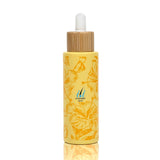
Furthermore, proper post-wax care with a product like Black Coral’s 'ili Oil can help prevent ingrown hairs-an issue that industry studies show affects 25-30% of bikini wax clients. You can find more details in this hair removal wax market report.
“Hard wax transforms sensitive waxing into a more comfortable, reliable experience,” says veteran esthetician Maria Lopez.
For a deeper dive into the technical differences, explore our guide on Soft Wax vs Hard Wax.
Ultimately, every application of a quality hard wax provides a precise, gentle removal that clients can feel. Choosing the right wax elevates your service, delivering the consistent, comfortable results that build client loyalty.
Picking the Right Hard Wax for Perfect Results
Choosing the right hard wax is what makes a service great instead of just okay, especially when working on the difficult bikini area. You need to make sure that the formula you choose is perfect for your client's hair type and skin type. The specific ingredients and formulation of a hard wax affect how well it works.
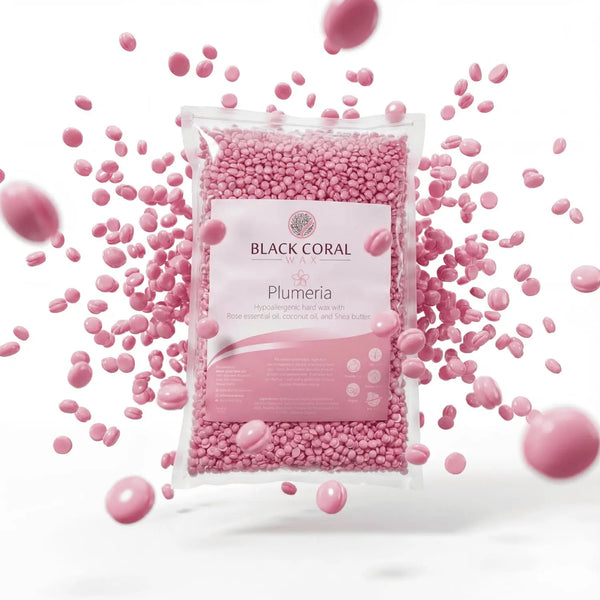
For example, our Plumeria blend, which is a flexible, polymer-based wax, works wonders on coarse, stubborn hair. It is made to hold onto tough hair without breaking or becoming brittle when you take it off. Because it is flexible, it can fit every curve of the bikini line, making sure that it pulls out hair from the root in a clean way. This is important to keep things from breaking and to give clients the long-lasting smoothness they want.
Finding the Right Wax for Each Client
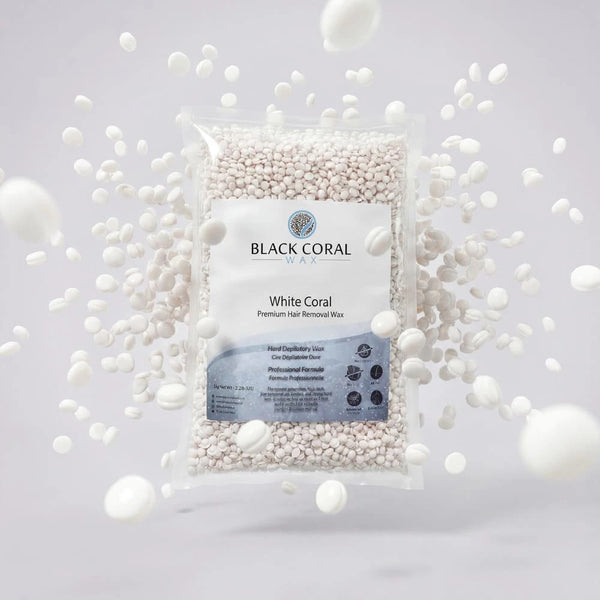
A different approach is needed for a client with very sensitive skin. A creamier, gentler formula like White Coral is very helpful here. It has ingredients that calm the skin down to reduce redness and irritation, making the experience more pleasant without losing effectiveness.
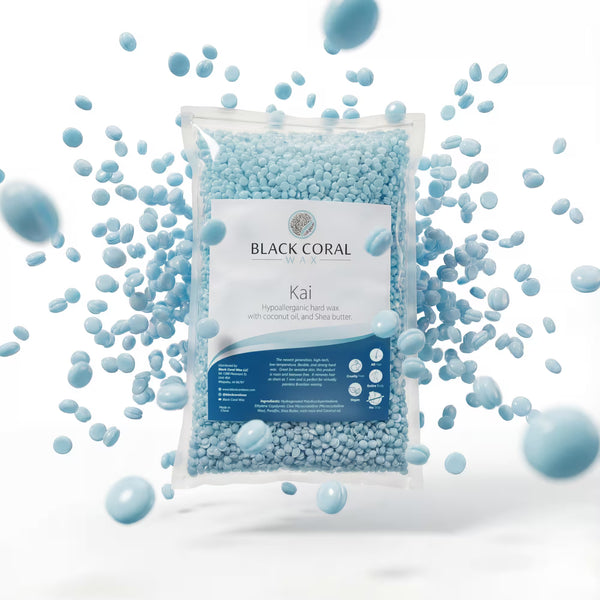
The global hair removal wax market is worth USD 10.19 billion, and bikini waxing makes up a big part of that. In the U.S., bikini and Brazilian waxing make up 35-40% of all waxing appointments. Black Coral Wax hard wax kits are made just for sensitive areas to meet this need. Our signature blends, such as Kai and White Coral, can remove up to 99% of hair on the first application. This means you won't have to wax as often.
Always choose a wax with a low melting point for the sake of the salon's efficiency and the client's comfort. This not only keeps the skin safe from too much heat, but it also shows that the product is modern and of high quality.
In the end, giving customers a wide range of hard waxes lets them personalize each treatment. You can get perfect, comfortable results that build trust and keep clients coming back by knowing what makes each formula different. To see the whole thing, check out our guide on how to pick the best hard wax beads for all skin types.
A Professional Way to Get the Best Bikini Wax
Getting smooth and comfortable results every time requires more than just the right wax; it also requires a careful workflow. A precise, repeatable routine that puts hygiene, client comfort, and perfect hair removal first is the best way to wax the bikini area. A truly professional process turns a regular service into a high-end experience.
This routine starts before the wax is even warm. A thorough client consultation is non-negotiable. This is your chance to talk about how sensitive their skin is, ask about medications (like Accutane or retinoids), and find out about their past waxing experiences. For clients, learning about how important estheticians are to skincare helps them understand why this step is so important for a safe, high-quality service. This first talk is very important for gaining their trust and making the service fit their needs.
Getting the skin ready is the most important part of success.
It's important to get your skin ready after the consultation. Don't ever put wax on skin that hasn't been treated first. Natural oils, sweat, and bacteria can make it less sticky and cause breakouts after waxing.
-
First, use a professional pre-wax cleanser on a cotton pad to clean the whole bikini area. This cleans the surface of dirt and other things and makes sure the wax sticks to the hair well.
-
Make a wall: Next, put a little bit of pre-wax oil or powder on. This makes a thin, protective barrier between the wax and the skin. The hard wax can then "shrink-wrap" the hair, which makes taking it off much less painful.
A common mistake is over-applying pre-wax oil. Only a minimal amount is needed-just enough to create a slight sheen. Excess oil will prevent the wax from adhering to the hair.
The Art of Application and Removal
With the skin perfectly prepped, you are ready to begin. Heat your hard wax to a thick, honey-like consistency. It should be warm enough to spread easily but never uncomfortably hot for your client.
The application is an art form. Using a fresh spatula for every dip-no double-dipping-apply the wax in small, manageable patches in the direction of hair growth. For the bikini area, patches of approximately 5 cm by 7 cm offer optimal control without allowing the wax to become brittle before removal. Always create a thicker, rounded edge at the end of your strip to serve as a "lip" for a clean pull.
Once the wax has set but is still pliable, hold the skin taut with one hand. With the other, grip the lip and remove the strip quickly and parallel to the skin, against the direction of hair growth. A swift, confident pull is the key to minimizing discomfort and ensuring every hair is removed from the root. This systematic approach defines a professional service and delivers exceptional results every time.
Mastering Application And Removal Techniques
The true art of bikini waxing lies in flawless execution. Moving beyond basic application and removal is what builds unwavering client trust and makes your services stand out. This is where your professional expertise truly shines.
Success begins with the right wax temperature. Your hard wax should have a smooth, honey-like consistency, allowing it to glide onto the skin without being runny or stringy. This perfect texture ensures it envelops every hair for a clean, efficient removal.
Perfecting Your Pull Technique
Application pressure and pull direction are critical. For a standard bikini line, apply the wax in manageable patches, always following the direction of hair growth. For a full Brazilian, you will need to work in smaller, more strategic sections, constantly adjusting your angles to conform to the area's natural contours.
The secret to a less painful experience for your client is a swift, confident pull. Always hold the skin taut with one hand while you remove the strip parallel to the skin-never pull upwards, as this can lead to bruising or skin lifting.
This level of precision is why 70% of estheticians in North America prefer hard wax for bikini services. Its strip-free application grips hairs as short as 1-2 mm, and client trials show it can reduce discomfort by up to 35%. It's no surprise that thousands of professionals endorse low-pain, fast-setting hard waxes like Black Coral’s Mae Mae, which melts at a gentle 50°C for maximum comfort.
Even experienced professionals have problems like hairs that won't come out or wax that breaks in the middle of a pull. A lot of the time, it's about technique. It's better to tweeze stray hairs than to wax the same spot again right away, which can cause a lot of irritation. If a wax strip breaks, it was probably put on too thinly or let cool for too long. Read our full guide on how to use hard wax for a complete list of best practices. To get a perfect finish every time, you need to change the thickness and timing of your patch.
Important Things to Do After Waxing to Keep Skin Smooth
A great waxing service doesn't just get rid of hair. The last step, and probably the most important one, is to take care of your skin right after waxing. This important step protects the skin, soothes irritation, and makes sure your client leaves feeling comfortable and confident, which locks in those perfect results.
The skin is most sensitive right after waxing. Your first job is to calm it down. A good, non-comedogenic post-wax oil is the best way to gently get rid of any leftover wax. This step does two things: it calms the redness and adds moisture to the skin, making it feel soft and nourished instead of sticky or raw.
Instructions for Taking Care of Clients
The care you get at the salon is only part of the story. Teaching your clients how to take care of their skin at home is what keeps it smooth for longer and stops problems like ingrown hairs. Give them a simple, easy-to-understand list of rules for the first 48 hours.
-
Stay away from heat and friction: no hot baths, saunas, steam rooms, or hard workouts.
-
Wear Loose Clothes: Fabrics that are too tight can trap heat and bacteria against freshly waxed skin, which can cause irritation or breakouts.
-
Wait to exfoliate: Your skin needs time to heal. You can start gently exfoliating again after two days to help keep hairs from growing back.
A targeted aftercare product makes a big difference. Black Coral's "ili Oil" is a professionally made product that not only soothes inflammation but also keeps hair follicles clear. This is the most important thing you can do to keep ingrown hairs from getting worse.
Arming your clients with these instructions empowers them to maintain healthy, beautiful skin long after their appointment. For a closer look at our professional solutions, you can learn more about our recommended after waxing care products.
Bikini Waxing: Frequently Asked Questions
Clients and new estheticians often have questions about bikini waxing. Giving clear, professional answers makes everyone feel better and more sure of themselves. Here are some of the most common questions.
How can I make my client's bikini wax hurt less?
Waxing this area isn't completely painless, but it can be very comfortable. Using a high-quality hard wax made just for sensitive areas is the best way to make things less painful. These waxes are made to stick to hair, not skin.
Technique is also very important. Make sure your wax is at the right low-melt temperature, your skin is ready, and you're working in small, easy-to-handle areas. A quick, sure pull that goes along with the skin makes a huge difference.
What Is The Difference Between A Bikini And A Brazilian Wax?
A standard bikini line wax is focused on tidying the perimeter. It involves removing any hair that might be visible outside of a standard bikini bottom-typically along the sides of the panty line and slightly off the top.
A Brazilian wax, by contrast, involves more comprehensive hair removal. It typically includes removing all hair from the front, labia, and inner backside. However, this is fully customizable to the client's preference; some choose to leave a small strip or triangle on the front.
The most crucial step for preventing ingrown hairs is consistent aftercare. Gentle exfoliation and proper hydration are non-negotiable for maintaining smooth, healthy skin between appointments.
How Do You Prevent Ingrown Hairs After A Bikini Wax?
Prevention begins immediately after the service. Applying a soothing, non-comedogenic oil right away helps to calm the skin and keep the freshly opened hair follicles clear.
From there, client education is key. Advise clients to begin gentle exfoliation approximately 48 hours after their appointment and to continue this practice 2-3 times per week. Pairing exfoliation with daily moisturizing is essential for preventing dead skin cells from trapping new, finer hairs as they regrow. For more on timing services perfectly, explore our guide on how often you should wax.
At Black Coral Wax, we are dedicated to providing professional-grade waxes and aftercare products that deliver the exceptional results clients expect. Explore our collection to discover how you can elevate your waxing services.