What Causes Itching After Waxing
The itch you feel after waxing is basically your skin's way of saying it was hurt. When hair is pulled out from the root, the skin knows and turns on its natural defenses.
Beauty professionals must first figure out what causes the problems in order to provide a service that is comfortable and free of irritation. There are a few main reasons why you might itch after waxing, and each one needs a slightly different way to deal with it.
What Histamine Reactions Do
A histamine reaction is one of the quickest things that can make you itch. This is the body's built-in alarm system. When hair is pulled out of the follicle, the body releases histamines, which are chemicals that make blood vessels wider. This reaction in the body causes the classic redness, swelling, and itchiness that happen right after a waxing service.
This is a completely normal biological reaction, like what happens when a bug bites you, but it can worry clients if they aren't ready for it. Check out our guide on how to deal with a histamine reaction after waxing for more information.
Folliculitis and skin irritation
Folliculitis, which means inflamed hair follicles, is another common problem. This happens when bacteria, sweat, or tight clothing rub against newly opened follicles. It usually looks like small, red, itchy bumps that look like a rash.
Sometimes, tiny hair pieces that are left behind in the follicle can also cause this inflammatory response.
Itching is an unexpectedly prevalent adverse effect. One clinicopathological study found that 39.3% of women said itching was their main symptom after waxing.
This study also showed that things like foreign body reactions to leftover hair shafts can cause irritation, which shows how important it is to use clean, effective waxing methods.
Itchy skin and regrowth
Last but not least, dry skin can make post-wax itching a lot worse. Not only does waxing get rid of hair, it also gets rid of the top layer of dead skin cells. This can damage the skin's natural moisture barrier, making it feel tight, dry, and itchy.
This feeling usually gets worse when new hair starts to grow back. As the short, sometimes blunt-tipped hairs come through the skin, they feel prickly and annoying.
Calming irritated skin right away
When a client says they are itching after waxing, how you respond right away is very important. It's not just about making people feel better; it's also a chance to show off your skills and gain their trust. The first few minutes after the service are very important for controlling inflammation before it gets worse. The goal is to calm the skin, lower the redness, and ease any prickly feelings. A proactive approach gives you immediate relief and helps the healing process go more smoothly.
A cold compress is a simple but very effective first line of defense. Putting a cool compress on the waxed area makes blood vessels smaller and helps calm the skin's inflammatory response. This one thing can really help bring down heat and redness. Never put ice directly on freshly treated skin. Instead, use a clean, soft cloth soaked in cold water or a gel pack wrapped in a towel.
Choosing the Right Soothing Ingredients
After the area has cooled down, use a professional-grade post-wax product. This is where knowing about the ingredients is very important. You need a formula that will calm and hydrate your skin without blocking your pores.
Products made for after waxing are the best. Stay away from ingredients like heavy fragrances, synthetic dyes, and harsh chemicals, as these can make sensitive skin worse and make itching worse.
Instead, look for items that have a lot of naturally calming ingredients. Look for these important ingredients:
-
Aloe Vera is the best way to cool down and reduce inflammation. Aloe makes you feel better right away and gives you the hydration you need.
-
Chamomile: This plant extract is great for calming redness and irritation because it has natural soothing compounds.
-
Tea Tree Oil: This oil is known for its antiseptic properties, which help keep the area clean and can stop folliculitis from forming. Use it only when you need to.
Finding the perfect post-wax treatment is crucial for client comfort. For a deeper dive, explore our guide to the best after-waxing care products to keep in your professional toolkit.
Changes to Your Daily Life That You Should Make in the First 48 Hours
Your professional duty goes beyond the treatment room. The advice you give for aftercare for the next 24 to 48 hours is just as important as the service itself. The skin is most sensitive during this time, and some things can easily make itching worse or start it up again.
Make sure your clients know to stay away from heat, friction, and germs. This means you can't take hot showers, baths, saunas, or steam rooms, which can make inflammation worse. You should also put off hard workouts because sweat can let bacteria into open follicles.
Lastly, stress how important it is to wear clothes that are loose and made of natural materials like cotton. This lets the skin breathe and heal without being rubbed and irritated all the time.
Making a proactive aftercare plan
Immediate fixes work to calm down acute irritation, but the best way to deal with itching after waxing is to avoid it in the first place. Your best tool is a regular, proactive aftercare routine that shifts the focus from reactive treatment to getting skin that is always smooth and comfortable.
Teaching your clients what to do between appointments is the most important part of this routine. Giving them this information gives them more power, which leads to better, longer-lasting results. This builds trust and encourages clients to stay loyal. Smart exfoliation and dedicated hydration are the main ideas.
Gentle exfoliation to stop ingrown hairs
Ingrown hairs are one of the main reasons why people itch after waxing. These bumps happen when new, weaker hair can't get through the skin's surface and curls back underneath, making the skin red and itchy. Gentle exfoliation is the answer, but the right time is very important.
Tell clients to wait at least 48 hours after their appointment before scrubbing their skin. The skin needs time for the initial sensitivity to go away and for the follicles to close. If you exfoliate too soon, it will only make things worse.
Based on their skin type, you can suggest two different ways to do it:
-
Chemical exfoliants are great for keeping ingrown hairs from happening. Salicylic acid (a BHA) and glycolic acid (an AHA) are two acids that can help get rid of dead skin cells that can trap hairs. Salicylic acid works really well because it dissolves in oil, which lets it get into pores and remove dirt.
-
Gentle scrubs, dry brushes, and exfoliating mitts are all examples of physical exfoliants. These are best for people whose skin isn't very sensitive. Tell them to use light, circular motions because rough scrubbing can make tiny tears in the skin.
Why it's important to moisturize every day
You have to stay hydrated after waxing to keep your skin healthy. Waxing can temporarily break down the skin's natural protective barrier. A barrier that is well-moisturized is stronger and better able to keep irritants out.
Clients should start moisturizing the waxed area every day, starting 24 hours after their appointment. The kind of product you use matters. Suggest a light lotion that won't clog pores and is made to do so. You shouldn't use heavy creams or thick body butters because they can trap heat and bacteria in weak follicles.
For clients with very sensitive skin, a good routine is even more important. Recommending formulas without scents can also help a lot, since fake scents are a common cause of irritation on freshly waxed skin.
How to Choose the Right Wax and Use It to Reduce Itching
As a professional esthetician, the products you choose and how you use them are the best ways to keep your clients from itching after waxing. It's always better to stop irritation before it starts than to treat it after it starts. This method shows off your skills and, most importantly, makes clients feel safe and sure about your services.
You start thinking this way as soon as you choose your wax.
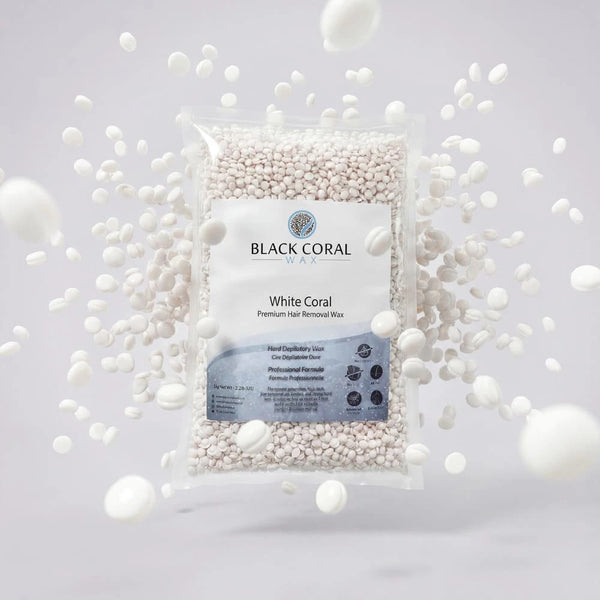
Both soft and hard waxes can be used professionally, but a high-quality hard wax is often the best choice for minimizing skin damage, especially on sensitive areas like the bikini line, underarms, or face. It is made to stick to the hair, not the skin. This difference is important for lowering irritation and stopping a big histamine response.
Why Premium Hard Wax Makes a Difference
The performance difference lies in how the wax functions. Hard wax typically has a lower melting point and a flexible, shrink-wrapping action that places far less stress on the skin during removal. Soft wax (or strip wax), by contrast, can pull at the top layer of the epidermis along with the hair. For clients prone to sensitivity, this difference is paramount.
By minimizing skin trauma, you directly reduce the body’s inflammatory response. The skin perceives the hair removal as less of a threat, resulting in a calmer experience with less redness and a dramatically lower chance of developing itchy bumps.
If you frequently work with clients who report sensitivity, learn more about finding the best hard wax for sensitive skin.
A common cause of post-wax itching is an immediate histamine reaction, where the immune system responds to the perceived trauma of hair extraction. This can manifest as red, itchy bumps or hives almost instantly. Research suggests this reaction can be more pronounced with soft waxes that adhere strongly to the skin, but it is often minimized with modern, high-performance hard waxes.
To provide a clearer comparison, let's examine how hard and soft waxes measure up in terms of skin irritation.
Comparing Wax Types and Their Impact on Skin Irritation
This table compares the key characteristics of hard and soft wax, helping you understand how each can either contribute to or minimize post-wax itching for your clients.
|
Feature
|
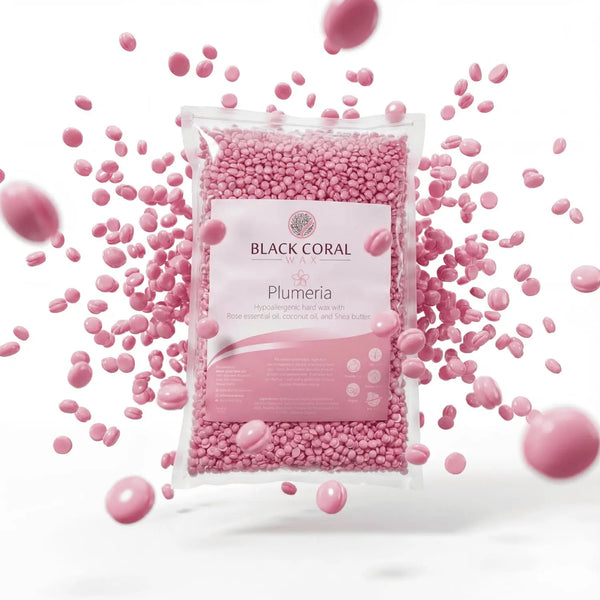
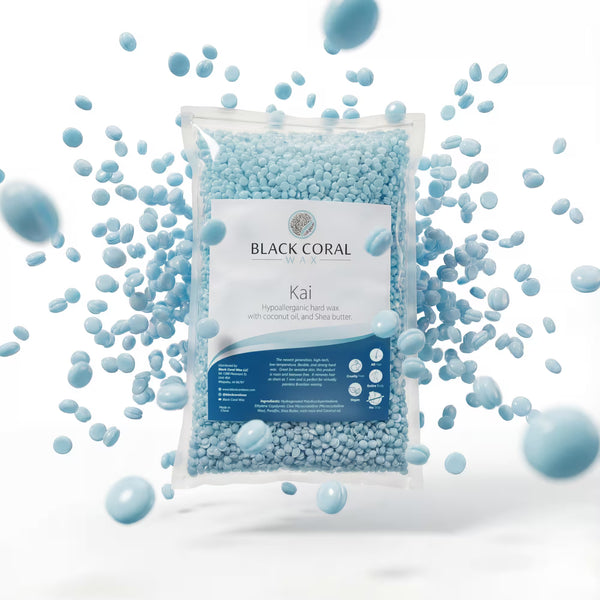
Hard Wax (e.g., Black Coral Pele Beads)
|
Soft Wax (Strip Wax)
|
|
Adhesion
|
Adheres primarily to the hair, not the skin. This shrink-wrap effect is much gentler on the epidermis.
|
Adheres to both hair and the top layer of skin, which can increase pulling and potential irritation.
|
|
Application Temperature
|
Melts at a lower temperature, reducing the risk of burns and making it more comfortable for sensitive areas.
|
Requires a higher temperature to become spreadable, which can sometimes be uncomfortable on the skin.
|
|
Removal Method
|
Removed without a strip. The hardened wax itself is used as the pull tab, allowing for more controlled removal.
|
Requires a cloth or paper strip for removal, which can add friction and stress to the skin.
|
|
Best For
|
Ideal for sensitive areas like the face, underarms, and Brazilian waxes. Excellent for coarse, thick hair.
|
Best suited for larger, less sensitive areas like legs, arms, and back. Works well on finer hair.
|
|
Potential for Itching/Irritation
|
Lower. The gentle formula significantly reduces skin trauma, minimizing histamine reactions and redness.
|
Higher. The stronger adhesion to the skin can lead to more significant irritation and inflammation.
|
In the end, choosing a high-quality hard wax for clients with sensitive skin isn't just a matter of taste; it's a strategic professional choice that has a direct effect on their comfort and results.
How important it is to prepare your skin
Even the best wax won't work well on skin that isn't ready for it. To stop itching after waxing, you must always follow a thorough skin preparation routine. It makes the perfect base for a perfect service that puts skin health first.
These two steps should always be part of your pre-wax routine:
-
Deep Cleaning: Start by using a professional pre-wax cleaner to get rid of sweat, oils, and bacteria on the skin's surface. This makes sure that the wax gets a good grip on the hair and lowers the chance of folliculitis after waxing.
-
Making a barrier to protect: Put on a very thin layer of pre-wax oil after washing and drying your skin. This step changes everything. It makes an important barrier that keeps the wax from sticking to the skin while still letting it hold on to every hair.
If you prepare the wax correctly, it will work better and need fewer passes over the same area. This means that the skin will hurt less and your client will have a much lower chance of leaving with an itchy, irritated feeling.
When to Suggest a Dermatologist
Your client's health is the most important thing to you as a beauty professional. Most of the time, skin irritation after waxing goes away quickly and is normal. However, it's important to know the difference between normal sensitivity and something more serious.
You are an expert in professional waxing and skin care, not in figuring out what is wrong with someone. A professional who puts client safety first knows when to tell a client to see a dermatologist. This builds trust that lasts and makes you look like an expert who really cares.
How to Spot Signs of a Possible Infection
Within 24 to 48 hours, the normal redness and small bumps should start to get better. If a client reports that their symptoms are worsening instead of resolving, that is a red flag. An infection requires medical attention, and you should advise them to seek a doctor’s care if they notice any of the following signs:
-
Spreading Redness: The redness is expanding far beyond the waxed area, or they see red streaks forming.
-
Increased Swelling or Warmth: The skin feels hot to the touch or is becoming puffier over time.
-
Pus-filled Bumps: They are seeing pustules containing yellow or green fluid, which appear different from minor whiteheads.
-
Fever or Pain: They feel unwell, have a fever, or are experiencing deep, persistent pain rather than surface-level discomfort.
Recognizing Severe Reactions and Persistent Folliculitis
Sometimes, the issue isn't an infection but a severe reaction or a stubborn condition that isn't responding to standard aftercare. These situations also warrant a referral to a medical professional.
An intense, widespread rash with blisters or weeping skin may indicate a severe allergic reaction known as contact dermatitis. This is more serious than a simple histamine reaction.
Similarly, if a client is dealing with inflamed, persistent bumps that don't improve with gentle exfoliation and proper care, they may have a more aggressive case of folliculitis. For more information on this condition, our guide on folliculitis after waxing, its causes, and treatments provides a helpful overview.
When you advise a client to see a doctor for these symptoms, you are providing the highest level of professional care. It ensures they receive appropriate treatment and protects both them and your business.
Common Questions About Post-Wax Itching
Some minor itching can be a normal part of the healing process, even with a good aftercare plan. Both clients and new estheticians often have questions. Answering them with confidence and clarity not only puts them at ease, but it also strengthens your reputation as a reliable professional. These are some of the most common questions people have about itching after waxing.
How long does itching usually last?
Most people will only have itching for a short time after waxing. It should go away in 24 to 48 hours. This is how long it usually takes for the skin's first histamine response to calm down while the follicles heal.
If the itching doesn't go away after a few days or seems to be getting worse, it could be a sign of something else, like new ingrown hairs or a skin sensitivity that is already there. This is why it is so important to give consistent, gentle aftercare. It helps the skin heal quickly within that normal time frame.
Can I Use Over-The-Counter Anti-Itch Creams?
Yes, but be careful. A hydrocortisone cream with a low strength (1%) can help with moderate itching by quickly lowering inflammation. But it should only be used for a day or two to help with the initial pain.
It is very important to tell clients to do a patch test first, especially if their skin is sensitive. Always suggest formulas that don't have any scent to avoid making things worse. For general calming, natural options like pure aloe vera gel or a calming moisturizer with chamomile are usually better.
Advice for Professionals: Tell your clients that hydrocortisone is a treatment, not a way to stop something from happening. Using a medicated cream after every service is not as effective for long-term comfort as sticking to a regular routine of moisturizing and exfoliating.
How to Deal with Itch in Sensitive Areas Like the Bikini Line
There are a few reasons why the bikini area is more likely to itch than other areas. For example, the hair is usually coarser, the skin is thinner, and clothes rub against the area all the time. To deal with irritation here, you need to use a few specific methods.
-
Put breathable fabrics first: Tell your clients to wear loose, cotton underwear for at least 48 hours after waxing. Synthetic materials hold in heat and moisture, which makes them perfect for causing irritation and bumps.
-
Avoid Friction: This means pausing intense workouts, cycling, or any activity that creates significant rubbing against the freshly waxed skin for a day or two.
-
Don't touch: This is a rule that everyone should follow. Bacteria are more likely to grow in the bikini area, and touching, picking, or scratching can easily get bacteria into open follicles, which can cause folliculitis.
-
Cool It Down: If the area is hot or itchy, putting a clean, cool compress on it for a few minutes can help right away.
By taking care of these common concerns ahead of time, you give your clients the tools they need to get through the post-wax period without any problems. This will keep them happy with their smooth results and confident in your professional care.
For professionals who want to give their clients the best waxing experience, the quality of the products is the most important thing. At Black Coral Wax, you can find a wide range of professional-grade hard and soft waxes. These waxes are made to reduce irritation from the very first step.
Find out about our high-quality wax collections.