Important Performance Metrics That Matter
Three important performance metrics are used to rate a professional-grade hard wax for waxing. These aren't just technical details; they're useful features that experienced estheticians use to keep their schedules, keep clients safe, and get great results.
The best professional hard wax has a low melting point for safety, a quick set time for efficiency, and stays flexible so that it can be easily and comfortably removed. To provide a high-quality service, this combination is not up for discussion.
Let's look at why each of these is so important in a salon setting.
1. Low melting point for the best safety
A good hard wax has a melting point between 45°C and 55°C (113°F and 131°F). This greatly lowers the chance of burns, which makes the service safer and more comfortable for the client, especially in sensitive areas like the face or bikini line. A warm, pleasant wax right away makes the client trust you.
2. The best time to set for salon efficiency
The amount of time it takes for the wax to cool and be ready to be removed is very important to a professional's work. A formula that sets too slowly can mess up an appointment schedule, and one that sets too quickly can make it hard to apply. A well-made hard wax has the perfect set time: fast enough to keep up with the service, but slow enough to let you apply it exactly.
3. Unmatched Flexibility to Stop Cracking
Pliability means that the wax can stay flexible and not break after it has set. This is probably the most important thing for a clean removal. A wax strip that is flexible won't crack or break, so you won't have to remove small, stubborn pieces. This makes sure that all the hair is removed in one effective pull, which saves time and avoids having to wax again, which can irritate the skin. This flexible strength makes sure that the finish is smooth and free of any residue.
A professional look at hard wax and soft wax
Choosing between hard and soft wax is a basic choice that sets a regular waxing service apart from an amazing one. They are both useful, but they are not the same thing. You can customize each service to fit your client's skin, hair type, and the area being treated by knowing what makes each one special.
This is where an esthetician really knows their stuff. It's important to know when to use the soft wax's quick spread and when to use the hard wax's gentle, targeted grip. Making the right choice not only gets you better results, but it also builds the trust that turns a new client into a loyal customer.
Ideal Applications for Each Wax Type
The primary difference lies in how each wax interacts with the skin. Hard wax, also known as stripless wax, shrink-wraps the hair itself without adhering to the skin. In contrast, soft wax (or strip wax) adheres to both the hair and the top layer of skin, requiring a cloth strip for removal.
This basic difference determines how best to use them:
-
Hard wax for small and sensitive areas: Hard wax is the best choice for sensitive areas because it doesn't pull on the skin. It works best on the face (brows, lip, chin), underarms, and the bikini or Brazilian area, where the skin is thinner and more sensitive. It also works very well at holding on to coarse, stubborn hair, which makes it especially useful in these areas.
-
Soft Wax for Big Areas: Soft wax works better on big areas that aren't as sensitive, like the legs, arms, back, and chest. It can be spread thinly over a large area to quickly get rid of fine to medium hair. Never put it back on the same spot in one session because it also helps to remove dead skin.
Experts know about these differences, and performance data backs up the choice of hard wax for certain uses. Compared to other methods, its no-strip application can cut down on irritation by up to 50%. It can also remove up to 95% of hair in one use, while soft wax can only remove about 80%. It's clear that hard wax is useful for specialized treatments because about 70% of estheticians prefer it for bikini waxing.
Type of hair and how sensitive skin is
The type of hair and skin your client has is very important in your decision. A quick check-up before treatment is a must for it to be safe and work.
Choosing the right tool for the job is the key to professional waxing. Think of hard wax as your precision tool for fine work and soft wax as your broad brush for quick coverage. A true expert knows how to use each one correctly.
Hard wax can change the way coarse, thick, or short hair looks. It can wrap around the whole hair shaft down to the base, which gives it a better grip for a clean pull from the root. This is why it works so well on hair that won't budge in the bikini area or underarms.
Soft wax can be a great choice for clients who have a lot of very fine, "vellus" hair. Hard wax is always the better and safer choice for clients with sensitive, reactive, or mature skin, though. It doesn't stick to the skin, so it greatly lowers the chance of redness, bumps, and lifting after waxing. If you want to learn more about this topic, read our full guide on soft wax vs. hard wax.
Decision Matrix Hard Wax vs Soft Wax
To make the choice even clearer, this comparison table serves as a quick reference guide for deciding which wax is best for the service at hand.
|
Feature
|
Hard Wax (Stripless)
|
Soft Wax (Strip Wax)
|
|
Best For
|
Face, bikini, underarms, sensitive skin
|
Legs, arms, back, chest, large areas
|
|
Grips
|
Coarse, thick, and short hair
|
Fine to medium hair
|
|
Action
|
Adheres only to the hair
|
Adheres to hair and skin
|
|
Pain Level
|
Generally less painful
|
Can be more painful, especially on sensitive skin
|
|
Application
|
Applied thicker, no strip needed
|
Applied in a very thin layer, requires a strip
|
|
Reapplication
|
Can be reapplied on the same area if needed
|
Cannot be reapplied to the same area
|
|
Technique
|
Requires more precision for application and removal
|
Faster application for large areas
|
In the end, a professional who is well-prepared should have both high-quality hard and soft wax on hand. This gives you the confidence to handle any service, making sure that every client has the best and most comfortable experience possible.
How to Get Good at Applying Hard Wax
The key to getting a perfect, comfortable service with hard wax for waxing is to know how to do it. Professional wax is a tool, and the difference between a good esthetician and a great one is how well they know how to use it. The process is both scientific and artistic, and every step needs to be done with care to make sure the client is happy and the finish is perfectly smooth.
Every step, from preparing the skin to removing it cleanly, is very important. A confident, methodical approach not only gets better results, but it also builds trust with clients and makes the whole experience better. When you get these basics down, every service will work better, be more professional, and get the job done faster.
The Preparation Stage
A good wax starts long before the wax touches the skin. Getting ready the right way makes hair removal easier and stops problems like skin irritation or bad grip from happening. It might be tempting to rush through this step, but it pays off to take your time.
First, use a professional-grade pre-wax cleanser to clean the skin. This gets rid of oils, sweat, or lotions on the surface that could keep the wax from sticking to the hair. You should only put it on when your skin is completely dry.
Next, putting on a little bit of pre-wax oil can help, especially for people with dry or sensitive skin. This makes a thin protective layer that keeps the hard wax for waxing from sticking to anything but the hair. This is a very important tip for making removal less painful.
For professional results, the surface must be clean and well-prepared. It gives the best grip on hair, makes clients more comfortable, and makes it easy to take off.
When the skin is ready, look at your wax warmer. You want it to be smooth, like honey, and thick enough to stay on the spatula but thin enough to slide onto the skin. Before putting it on a client, always check the temperature on your inner wrist.
The Art of Using
When you put on hard wax, that's when your control and accuracy really count. It's not about speed; it's about making sure, deliberate strokes that make the perfect strip for removal. An expertly applied strip makes it easier to remove.
-
Key: Firm Pressure Put your applicator in the wax and get enough of it. Use steady, firm pressure as you apply it. This pushes the wax down and makes sure it covers every hair from root to tip, making it stick better.
-
Follow the Growth of Hair: Always put the wax on in the direction that the hair grows. This helps the hairs lie flat, which makes it easier for the wax to wrap around them as it cools.
-
Make a "Lip": Make the edge of your strip a little thicker and rounder at the end. This "lip" acts as a handle, making it easy to take off quickly and cleanly without having to pick at thin edges.
It's best to work in smaller, more manageable sections, especially in hard-to-reach places like the bikini line or underarms. This gives you more control and makes sure that each strip sets up correctly before you take it off. For more professional tips, check out our post on how to use hard wax for a more in-depth guide.
Perfect Way to Take It Off
The removal is the moment of truth. A perfect pull is quick, clean, and as comfortable as it can be. Take off the wax strip after it has set but is still soft. It can break if you wait too long.
First, use one hand to pull the skin tight just below the lip you made. This keeps the skin in place and stops it from pulling up, which makes the removal feel less painful for your client. With your other hand, hold the lip and quickly and confidently pull the strip off.
It is very important to pull in the right direction: parallel to the skin and against the way the hair grows. Don't pull straight up and away from the body, because this can break the hair and hurt more than it needs to. Put your hand on the area right after you take the strip off and press down hard. This simple gesture calms the nerve endings and makes the skin feel better right away.
Using Hard Wax in a Smart Way on Sensitive Areas of the Body
Hard wax can be used on any part of the body, but its best use is on the most sensitive areas. Its unique ability to hold hair tightly without sticking to the skin makes it the only professional choice for places where accuracy and client comfort are very important.
An esthetician's skills improve when they learn how to apply makeup in these hard-to-reach areas. Different hair growth patterns and thin, sensitive skin make each sensitive area hard to deal with in its own way. To get clean, effective results with as little irritation as possible, you need to have a plan. This is how you build loyalty and get repeat business.
The Face: Eyebrows, Upper Lip, and Chin
There is no room for mistakes in the art of facial waxing. The skin is very sensitive, especially when shaping a perfect brow. The best tool for this detailed work is hard wax because it lets you place things exactly where you want them.
It's hard to keep hair on your face in one direction, especially around your chin. Using a smaller applicator lets you put the wax exactly where you want it, making sure you only take off the hairs you want to. Hard wax gives you the control you need to make clean, sharp lines on your eyebrows without hurting the skin around them.
The Underarms
Waxing underarms is very hard. The hair often grows in different directions, and the skin is thin and sensitive. If you use the wrong product or method, this combination can easily cause irritation.
You need hard wax here. It has a strong grip that works well with the coarse hair that is common in this area. A lot of professionals use a figure-eight pattern to catch hairs that are growing in different directions with just one strip. This method speeds up the service and makes it more comfortable because it cuts down on the need to reapply on such sensitive skin. Learn how to pick the right hard wax beads for sensitive skin to make the client experience even better.
The Bikini and Brazilian Areas
When it comes to waxing, the bikini and Brazilian areas are probably the most sensitive. This means you need to be very skilled and use the gentlest product you can find. The skin here is very sensitive, but the hair is often thick and rough. A top-quality hard wax for waxing is absolutely necessary for this service.
It can shrink-wrap each hair, which gives it the strength to pull stubborn hairs out of the root. This greatly lowers the risk of breakage and ingrown hairs. To keep control and make the service as comfortable and thorough as possible, it's important to work in small, manageable sections.
Hard wax isn't just a personal choice for services like a Brazilian; it's a professional requirement. It has a gentle but strong action that protects that sensitive skin while giving clients the perfectly smooth finish they want.
Modern hard wax formulas keep getting better, which makes these services safer and more comfortable. Waxes that are made to be used at low temperatures (about 45-55°C) almost completely get rid of the risk of burns. These advanced polymer blends work so well that hard wax is expected to take up to 30% of the whole hair removal wax market by 2024. By looking at the trends in the growing wax market, you can get a full picture.
How to Pick the Best Hard Wax for Your Salon
Choosing the right hard wax for waxing is more than just placing an order for supplies; it's a business decision that affects the quality of your service, how quickly you can do it, and how happy your clients are. A high-quality wax is the key to getting smooth, professional results that keep customers coming back.
Finding the right match for your salon means finding the right balance between formulation, packaging, and usage volume. Working with a reputable, professional brand makes sure that every service meets the high standards you've set for your business.
Making sure that formulations fit the needs of clients
Not all hard wax is the same. A true professional knows which formula to use for each client based on their skin and hair type. Choosing a specific type of wax shows that you care about getting personalized care.
-
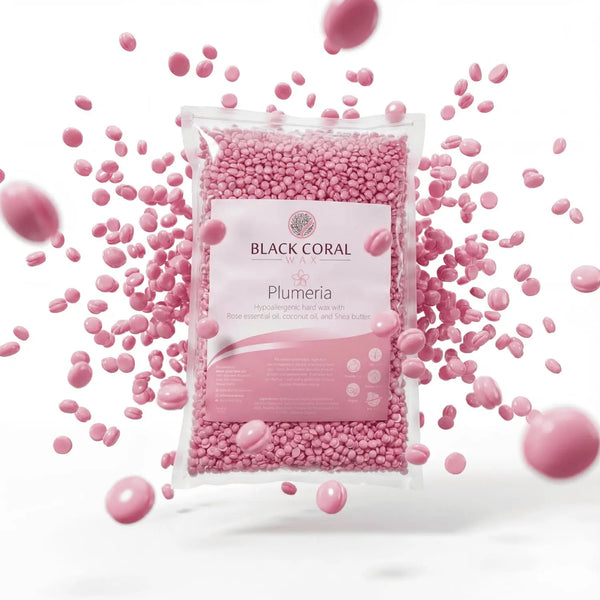
Creamy Blends for Sensitive Skin: These are great for skin that gets easily irritated. They often contain calming ingredients like titanium dioxide that act as a gentle barrier between the wax and the skin. They are great for sensitive areas like the face or bikini line because they help reduce redness and pain.
-
All-Purpose and Hybrid Formulas: These are the workhorses of your wax station that can do a lot of different things. They are made with a balanced mix of polymers and resins that give them a strong grip on all types of hair, from fine vellus hair to thick, coarse hair. Because they can be used in so many different ways, they are a great choice for many services.
-
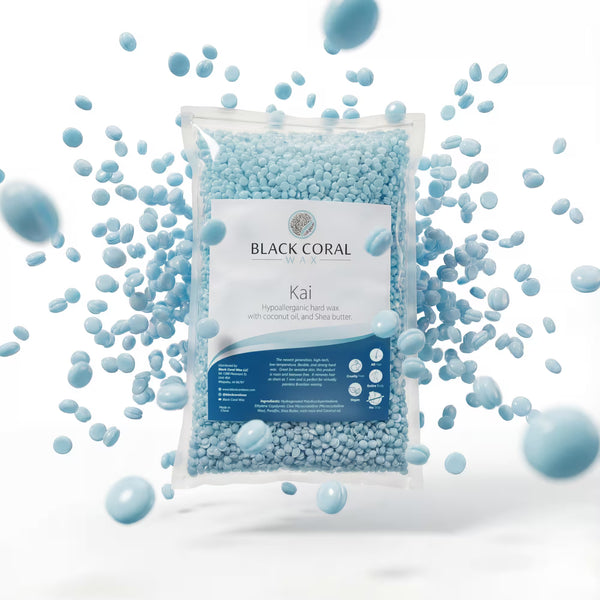
Hypoallergenic or Synthetic Resin Formulas: If your clients are very sensitive to or allergic to natural ingredients like pine resin, a synthetic-based wax is the safest choice. These formulas are made to work well without any common allergens.
Picking the right wax formula is more than just getting rid of hair; it's also about showing that you care. When you match the wax to your client's skin, it sends a strong message that builds trust and loyalty.
Taking into account the packaging and volume
In addition to the formula, things like packaging and size have a big effect on how you work every day. The way you package your wax can change how long it takes to melt, how much you can use, and how much it costs overall.
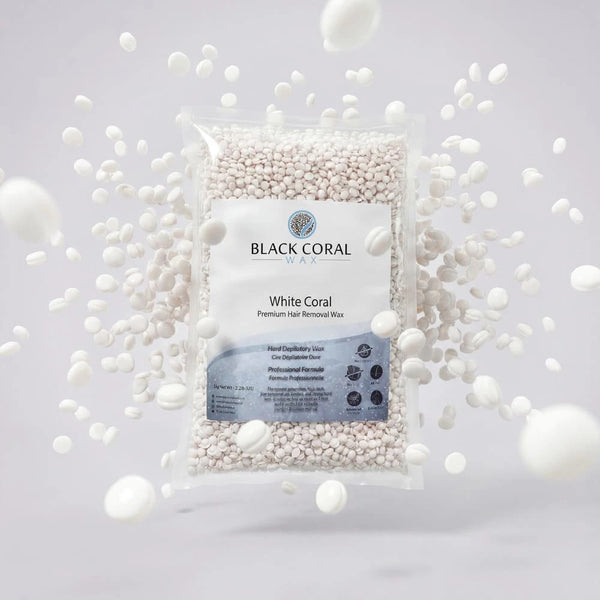
For good reason, hard wax beads are now the industry standard. They let you measure out the exact amount you need for each appointment, so you only melt what you need. This cuts down on waste and makes sure that the wax in your pot is always fresh. Beads also melt much faster and more evenly than big blocks or disks, which saves you a lot of time between clients. In our guide on how to choose the best hard wax beads, you can find out more.
Think about your service traffic when it comes to volume. For a single esthetician, smaller bags might be enough to keep a fresh supply. Buying in bulk is cheaper for a salon with a lot of estheticians and a lot of customers. It makes sure you get the best prices and don't run out of stock during busy times.
Common Questions About Professional Hard Wax
Even professionals who have worked with hard wax for waxing before have questions. Answering them correctly boosts your confidence and makes sure that every client gets the best service possible.
Is it possible to use hard wax on any type of hair?
Yes. A high-quality hard wax can be used for a lot of different things. It works because it can shrink-wrap each hair, which makes it strong enough to get rid of coarse, stubborn hairs from the bikini line or underarms.
At the same time, the same formula is safe for the fine, delicate hair on the face. The key is a professional-grade formula that is made to hold hair, not skin, no matter what type it is.
How Do I Prevent Hard Wax from Breaking or Cracking?
Wax cracking is typically caused by one of three issues: the application was too thin, the wax was left on the skin for too long, or the formula lacks flexibility.
To prevent this, apply the wax to the thickness of a nickel. Be sure to create a slightly thicker edge, or a "lip," to provide a good grip for removal. Adhere to the recommended set time, removing the strip when it is firm but still pliable. The most reliable solution is to start with a superior, polymer-based wax designed for pliability.
The best defense against cracking is a premium, pliable wax formula combined with a confident application. A strip that is neither too thick nor too thin, and removed at the right moment, will always pull cleanly.
Is It Normal to Have Wax Residue After Removal?
It can happen, but it is easily resolved. Even the best hard wax for waxing may leave a small amount of residue if the skin has excess oil or moisture.
Do not use water to remove it. Instead, apply a small amount of post-wax oil to a cotton pad and gently wipe the area. The oil will dissolve any leftover wax instantly, leaving the skin clean, calm, and hydrated. For a more detailed explanation, learn more about how to remove wax from skin in our guide.
What Is the Ideal Temperature for Melting Hard Wax?
Each wax formula is slightly different, so always consult the manufacturer's instructions. As a general rule, most professional hard waxes perform best at a low temperature, typically between 45°C and 55°C (113°F to 131°F).
You are looking for a smooth, thick honey-like consistency. The most critical step is to always test a small patch on your inner wrist before applying it to a client to ensure it is at a safe and comfortable temperature.
At Black Coral Wax, we are dedicated to providing professionals with superior waxing products that ensure safety, efficiency, and flawless results.
Explore Our Complete Collection of Professional Hard Wax