A Professional Guide on How to Do a Brazilian Wax Yourself
If you learn how to do a Brazilian wax yourself, you'll have the best privacy and convenience. With the right method, you can even get salon-quality results at home. Safety, the right technique, and a professional-grade hard wax made for sensitive areas are all important parts of the process. This is an important point because high-quality hard wax only sticks to hair, not skin, which makes the treatment more comfortable and effective.
FREE COURSE
Turn Your Passion for Beauty Into a $75K+ Waxing Business
GET IT NOW!
Course succesfuly sent. 🎉
Please go to your inbox to recieve it.
Your Guide to a Perfect Brazilian at Home
This guide will show you how to do Brazilian waxing at home with the same skill and confidence as a pro. We will talk about everything from how to keep your workspace clean to how to properly apply and remove hard wax.
The goal is to help you avoid common mistakes that can irritate your skin, miss hairs, or cause bruises. We will talk about the tried-and-true methods that estheticians use to get clean, effective results. This intimate grooming service can become a natural part of your self-care routine if you know how to do it right and take care of your skin afterward.
What You Should Expect From This Guide
This tutorial is based on best practices in the field, but they have been changed to work at home. We won't just go over the basics; we'll also talk about the little things that make waxing better.
-
Product Knowledge: We'll talk about why professional hard wax is the best choice for a Brazilian and how its unique features make the process less painful.
-
Safety First: We will stress how important it is to follow basic hygiene rules to avoid bad skin reactions and make sure that every waxing session is safe and clean.
-
Mastering the technique: You will learn how to cut, apply, and take off wax in small, easy-to-handle pieces. This is the most important thing to do to stay in charge and feel less pain.
-
Aftercare Rituals: Learn what you need to do after waxing to calm your skin, stop ingrown hairs, and make your smooth results last longer.
To do a Brazilian wax at home, you need to plan ahead, be patient, and be exact. If you rush the process or use cheap products, you might not get the results you want. You set yourself up for success by treating it like a professional service.
The Black Coral Wax Brazilian Master Kit is a full system that has everything you need to make a professional-grade setup. By the end of this guide, you will know how to do a Brazilian wax safely and well, so you can get the long-lasting smoothness you want.
Setting Up For A Successful Brazilian Wax
A superior waxing session—one that leaves your skin smooth and comfortable—begins long before the wax is heated. Proper setup is the secret to minimizing discomfort and achieving a clean, professional finish. It involves creating a dedicated, hygienic space and gathering the right professional-level tools before you begin.
First, select a clean, comfortable area with good lighting. Lay down a clean, old towel to protect surfaces. Most importantly, ensure all your supplies are within easy reach. Searching for a tool mid-application can lead to a difficult and messy situation.
Prepping Your Skin Correctly
Proper skin preparation is a non-negotiable step. The goal is to create a clean surface that allows the wax to adhere firmly to the hair, not the skin.
For optimal results, hair should be approximately 6 mm long—about the length of a grain of rice. If it is significantly longer, carefully trim it. If it is shorter, you must wait a few more days for it to grow to the required length.
Gently scrub or wipe the area with a soft cloth about 24 to 48 hours before waxing. This important step gets rid of dead skin cells, which helps keep hair from growing back and makes hair removal easier.
The skin must be completely clean and dry on the day of your service. Don't use any lotions, deodorants, or oils, as these can make it hard for the wax to stick to the hair. Check out our full guide on how to get ready for a Brazilian wax for a more detailed routine.
Brazilian waxing is now the norm around the world. The hair removal wax market in South America is growing quickly. By 2025, Brazil's market is expected to be worth USD 69.45 million. For people who do their own beauty treatments at home, esthetician data shows that getting the skin ready 24 hours ahead of time can cut down on irritation by up to 50%. Using a calming product like 'ili Oil after the service can lower the risk of ingrown hairs by up to 75%.
Your Brazilian Waxing Kit That You Need
The difference between a frustrating experience and a smooth, successful one is using professional-grade tools. Cheap, all-in-one kits often come with cheap wax and weak tools that can irritate the skin and give you uneven results. A good setup will help you work safely, quickly, and with less stress.
The first step to becoming an expert at the at-home Brazilian is to put together your toolkit. Here is a list of the most important things.
|
Item Category
|
Essential Product
|
Why It's Important
|
|
Wax & Warmer
|
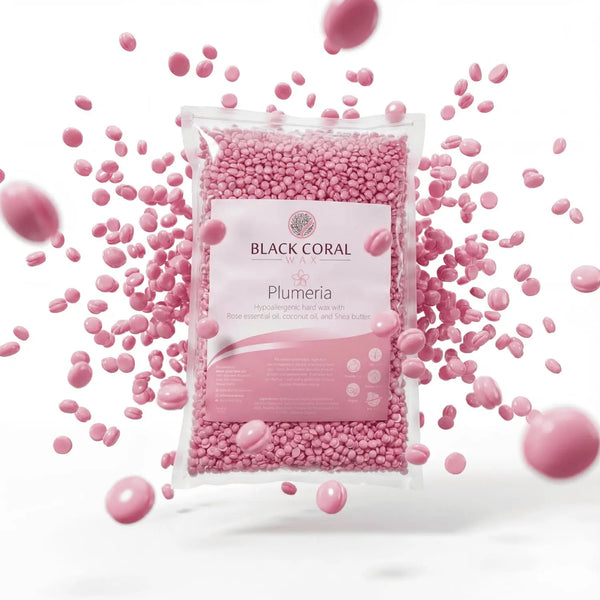
Professional Hard Wax Beads (e.g., Black Coral Plumeria) & Digital Wax Warmer
|
Hard wax is designed for sensitive areas, as it adheres only to hair. A digital warmer provides precise temperature control, preventing burns and ensuring optimal wax consistency.
|
|
Applicators
|
Disposable Wooden Spatulas (various sizes)
|
Never double-dip an applicator. Using a fresh spatula for each dip into the wax pot is a non-negotiable hygiene practice that prevents bacterial contamination.
|
|
Skin Prep
|
Pre-Wax Cleanser
|
This product removes surface oils, sweat, and bacteria, ensuring optimal wax adhesion and helping to prevent post-wax breakouts.
|
|
Post-Care
|
Post-Wax Oil or Calming Lotion
|
This soothes the skin immediately after hair removal, helps remove any wax residue, and begins to calm redness and irritation.
|
|
Hygiene
|
Disposable Gloves & Antiseptic Wipes
|
Gloves protect both your hands and the vulnerable, freshly waxed skin from bacteria. Use wipes to sanitize your hands and non-disposable tools.
|
Think of this setup as your own work station. You can get safe, beautiful, and long-lasting results at home if you treat the process with the same care and respect as an esthetician.
Getting the hang of waxing at home
It's time to start now that you have your professional-grade tools ready and your skin ready. To do a Brazilian at home well, you need to be in control, be precise, and be patient. The goal is to work in a methodical way so that each step is done correctly and the results are clean with as little pain as possible.
Your wax warmer is the first step in the process. Hard wax should be thick and flexible, like warm honey. It won't set right if it's thin and runny. It won't grip the hair well if it is clumpy and hard to spread. This is why you need a professional-grade warmer with precise temperature controls.
The Art of Using
The key to a successful DIY Brazilian is to break the area up into small, easy-to-handle parts. Don't give in to the urge to wax a big area all at once. You have full control over the process when you work in patches that are about 2 to 5 cm wide.
Dip a clean applicator into the heated wax. As you remove it, twirl the stick to prevent drips. Apply the wax using firm, consistent pressure. This step is critical, as it ensures the wax envelops each hair from the root, which is necessary for a clean pull.
Always spread the wax in the direction of hair growth. As you complete the strip, create a slightly thicker edge at the end. This detail forms a "lip" or "tab," making it much easier to grip the wax for removal.
Perfecting the Removal Technique
Once the wax strip is applied, allow it to set. It is ready for removal when it feels firm to the touch and is no longer tacky, which typically takes 30-60 seconds. This is a crucial window. If removed too soon, the wax will be stringy and leave hair behind. If you wait too long, it can become brittle and crack during removal.
Now, for the removal. With one hand, pull the skin taut around the wax strip. This simple action provides leverage and significantly reduces pain by preventing the skin from lifting with the wax.
Grip the lip you created and, in one quick, fluid motion, pull the strip off.
Crucial Technique Tip: Always pull the wax parallel to the skin, not straight up and away from it. The motion should be low and swift, similar to turning the page of a book. Pulling upward can cause bruising, irritation, and hair breakage instead of clean removal.
Positioning and Visibility for a Flawless Finish
A Brazilian wax involves reaching areas that are difficult to see and access. Proper positioning and a mirror are essential tools. Find a comfortable, stable position that gives you a clear view of the area you are working on.
Many find the following setups to be effective:
-
Sitting on the Floor: Place a clean towel on the floor and sit with your back against a wall or bathtub for support. Position a handheld or standing mirror in front of you.
-
The Butterfly Pose: While seated, bring the soles of your feet together and allow your knees to fall to the sides. This position opens up the area effectively.
-
Lying Down: Lie on a towel on the floor with your knees bent and feet flat. You can prop one leg on the side of the bathtub or a stool to access different sections.
Regardless of your chosen position, ensure you have excellent lighting. If your bathroom is dimly lit, bring in an additional lamp. Good visibility is non-negotiable for ensuring complete hair removal and working safely. To refine your technique further, our guide on how to use hard wax offers additional professional tips.
Remember to breathe. Inhaling as you apply the wax and exhaling sharply as you pull can make a noticeable difference. Work systematically from the outside in, and do not hesitate to take breaks. Patience will be rewarded with smooth, salon-quality results.
Pro Tips for Managing Pain and Common Issues
While waxing an intimate area will involve some level of discomfort, it does not need to be a distressing experience. Professionals use a range of techniques to maximize client comfort, and you can apply these same strategies at home. Managing the sensation is a matter of preparation, technique, and immediate, soothing aftercare.
Taking an over-the-counter pain reliever like ibuprofen approximately 30 minutes before you begin can help reduce sensitivity. Additionally, be mindful of your diet on waxing day. Stimulants like caffeine and depressants like alcohol can heighten skin sensitivity, so it is best to avoid them.
Methods for Breathing and Pressure
One of the best ways to deal with pain is to breathe. Make sure your breathing and waxing motions are in sync. As you put on a wax strip, take a deep, slow breath in. Take a deep breath before you pull, and then let it out quickly when you do. This method helps keep the nervous system busy.
Press the palm of your hand firmly against the freshly waxed skin right after taking off a strip. Hold for five to ten seconds. This is called pressure application, and it works right away by overwhelming the nerve endings and calming the initial sting.
One of the best things estheticians can do is press and hold. The Gate Control Theory of Pain says that it sends a signal to the brain that blocks the pain signal.
Fixing common problems that happen when waxing
Even when done carefully, small problems can still happen. If you know how to deal with these common issues, you'll be able to do your Brazilian at home with confidence.
-
If a strip of wax breaks when you try to take it off, it probably cooled for too long or was put on too thinly. To fix this, just put a new layer of wax on top of the broken piece that is a little warmer. The new wax will stick to the old layer, so you can take them both off at once.
-
Sticky Wax Residue: Professional hard wax shouldn't leave a lot of residue, but if you see sticky spots, don't try to pick them off. Gently rub some oil on the area after waxing. The oil will break down the wax, making it easy to wipe away without hurting sensitive skin.
-
Stubborn Fine Hairs Are Left Behind: Occasionally, fine, downy hairs may not be removed with the wax. Resist the urge to re-wax the same spot repeatedly, as this can lead to irritation or skin lifting. Instead, use a pair of clean, sanitized tweezers to remove any remaining hairs after you have finished waxing the entire area.
The global demand for Brazilian waxing has been a major driver for the hair removal wax market, which reached a value of USD 13.38 billion in 2024. Hard wax is the professional standard for this service, as estheticians report it can reduce pain by up to 30% compared to soft waxes. To achieve a professional experience, heat your wax to approximately 40°C (105°F), apply it in thin, even strips, and always pull parallel to the skin. This technique helps achieve up to 95% hair removal on the first attempt. You can learn more about the growing hair removal wax market on maximizemarketresearch.com.
For an additional layer of comfort, numbing creams can be effective. For a detailed analysis, please see our guide on the best numbing cream for waxing. By understanding how to address these minor issues, you can manage your DIY Brazilian with professional confidence.
Essential Aftercare to Prevent Ingrown Hairs
The waxing process is not complete after the last strip is removed. Your actions in the hours and days following the service are just as crucial as the preparation. A consistent aftercare routine is your best defense against irritation, redness, and ingrown hairs, ensuring your smooth results are comfortable and long-lasting.
Your skin will be sensitive, which is a normal reaction. The immediate goal is to soothe and protect it. The first step is to apply a high-quality post-wax oil. This serves two functions: it dissolves any remaining wax residue without harsh scrubbing and it instantly calms the skin, helping to reduce initial redness.
The First 48 Hours: Your Soothing Period
The first 24 to 48 hours post-wax is when your skin is most vulnerable. The hair follicles are open, making the area susceptible to bacteria and friction-induced irritation. During this time, your objective is to keep the area cool, clean, and free from friction.
Treat the skin gently, as you would a mild sunburn.
-
No Hot Water: Avoid hot baths, saunas, steam rooms, and hot tubs for two days. Use cool or lukewarm water for showers to prevent inflammation.
-
Pause Your Workouts: Intense exercise can introduce sweat and bacteria into open follicles, leading to bumps and breakouts. Wait a day or two before resuming.
-
Wear Loose Clothing: Opt for breathable cotton underwear and loose-fitting pants. Tight clothing, especially synthetic fabrics, can trap heat and cause friction against sensitive skin.
-
Avoid Fragranced Products: Refrain from using perfumed lotions, deodorants, or harsh soaps, which can cause significant irritation on freshly waxed skin.
To provide further clarity, here is a simple timeline for post-wax care.
Brazilian Wax Aftercare Timeline
|
Timeframe
|
Do
|
Avoid
|
|
First 24 Hours
|
Wear loose cotton underwear. Apply a soothing, unscented oil. Take cool showers.
|
Hot baths, saunas, swimming pools, intense exercise, and sun exposure.
|
|
24-48 Hours
|
Continue wearing loose clothing. Keep the area clean and dry.
|
Scented lotions, tight clothes, and touching the area with unwashed hands.
|
|
48+ Hours
|
Begin gentle exfoliation (2-3 times/week). Moisturize daily.
|
Over-exfoliating with harsh scrubs. Skipping moisturizer.
|
This timeline helps ensure your skin receives the appropriate care at each stage of its recovery.
Long-Term Care for Smooth Skin That Lasts
Your focus should change to maintenance after the first 48 hours of healing. This means taking steps ahead of time to stop ingrown hairs and keep your skin soft and healthy until your next waxing session.
When a new hair curls back or grows sideways into the skin instead of breaking through the surface, it becomes an ingrown hair. Regular, gentle exfoliation is the key to stopping it from happening. This will get rid of the dead skin cells that can trap the hair.
Start exfoliating the area two to three times a week a few days after waxing. A mild sugar scrub, a soft washcloth, or a chemical exfoliant with salicylic acid in it are all good choices. The goal is to keep the skin clear without being too rough.
After exfoliating, you need to drink a lot of water. Using a targeted treatment oil every day, like our "ili Oil," keeps the skin soft and moist, which makes it easier for new hairs to grow through the surface without getting stuck.
We have a full guide on how to avoid ingrown hairs after waxing that goes into more detail about the strategies we suggest. This easy routine is what makes the difference between good and great results.
Do you have any questions? We have the answers.
It's normal to have questions before you start, even with a full guide. Knowledge builds confidence, so let's answer some of the most common questions people have when they learn how to do a Brazilian wax on their own.
This should clear up any last doubts you may have, so you can go into the process with confidence.
How often do I need to get waxed?
An effective waxing routine requires consistency. Most people should wax every three to four weeks. This lets the hair grow to the right length for removal, which is about 6 mm, or the size of a grain of rice.
If you wax too soon when the hair is too short, it will not come off completely. Longer hairs have stronger roots, so waiting too long can make the process more painful. Following a regular schedule helps weaken the hair follicles over time, making new hair growth thinner and less dense. This often makes the process less painful.
Can I Get Waxed While I'm on My Period?
It is possible, but not usually a good idea. Hormonal changes make your skin more sensitive in the days leading up to and during your period.
This increased sensitivity can make a regular waxing session a lot more painful. If you have to wax during this time, taking ibuprofen about 30 minutes before can help ease the pain. But for the best comfort, you should schedule your wax for the week after your period ends.
What if my hair is very coarse or very fine?
When working with different hair types, technique is key. A high-quality professional hard wax is made to work with all hair types. You just need to make a few small changes to your application.
-
For Thick Hair: The roots of this hair type are stronger. The most important thing is to put the wax on with firm, confident pressure so that it wraps around each hair and pulls it cleanly. Also, it's important to keep the skin extra tight while removing it to make it more comfortable and effective.
-
For Fine Hair: Wax may not always be able to grab these soft, fine hairs. Use a good pre-wax cleanser to make sure the skin is completely dry and free of oils. You might also find that using a thinner layer of wax helps it stick better to fine hairs.
Tip: No matter what kind of hair you have, it's important to keep the wax at the right temperature. It won't stick well if it's too cool. You could get skin irritation if it gets too hot. For best results, always aim for a consistency that is smooth and like honey.
Is it normal for it to be red and bumpy after?
Yes, some redness and small bumps are a normal part of the inflammatory response, especially for people who are new to waxing. This happens because the skin is reacting to the hair being pulled out of the follicle. This goes away for most people in a few hours to a day.
Put on a calming post-wax oil right after your session to help your skin feel better. After that, follow the aftercare instructions exactly. For at least 24 hours, stay away from hot showers, tight clothes, and hard workouts. If the redness or swelling seems too much or lasts longer than 48 hours, you may have very sensitive skin or need to change how you remove the strip. Pulling it up instead of parallel to the skin can make it more irritating.
We at Black Coral Wax think that the first step to getting professional results at home is to use professional-grade products. Our waxes are made for people with sensitive skin. They hold hair tightly while being gentle on skin to make the experience more comfortable and effective.
Take a look at our high-end hard wax collections.