Top 8 Professional Bikini Waxing Tips for Flawless Results
To get a perfect, comfortable bikini wax, you need more than just good technique. You also need expert knowledge, high-quality products, and careful attention to detail. If you're a professional esthetician looking to improve your services or an informed at-home user who wants professional-level results, you need to know the ins and outs of bikini waxing.
This guide has a lot of expert bikini waxing tips that will help you improve every step of the process, from getting ready to taking care of your skin afterward. We will look at everything from how to choose the best wax for sensitive skin to how to reduce pain and keep your skin clean. These tips will help you always get smooth, irritation-free results by putting safety, efficiency, and client comfort first. Let's look at the basic things that make a regular wax different from a truly high-end one.
FREE COURSE
Turn Your Passion for Beauty Into a $75K+ Waxing Business
GET IT NOW!
Course succesfuly sent. 🎉
Please go to your inbox to recieve it.
1. Getting ready for waxing and removing dead skin
The key to a perfect bikini wax starts long before the wax is even put on. The first step to getting a good service is to prepare your skin properly. It makes hair removal easier, less painful for the client, and much less likely to cause problems like ingrown hairs after waxing. This first step includes strategic cleaning and, most importantly, timely exfoliation to get the skin ready for waxing.
Exfoliation works by getting rid of the top layer of dead skin cells that can trap hairs and keep the wax from gripping them well. A clear, smooth surface lets the wax stick to the hair instead of the skin, which makes the pull cleaner and less painful. Salons that give clients clear instructions on how to exfoliate before their appointment often see a big drop in complaints about ingrown hairs. This is one of the best bikini waxing tips for keeping clients happy.
How to Do Exfoliation Before Waxing
Exfoliating 24 to 48 hours before your waxing appointment will give you the best results. This timing is very important. It gives the skin enough time to calm down and heal, but it's also close enough to the service that dead skin cells won't have a chance to build up again.
-
Pick the Right Way: Be gentle. Harsh, rough scrubs can make the skin sensitive and even cause micro-tears, which can lead to infection. Instead, suggest gentle ways to get rid of dead skin, like using exfoliating gloves or a soft dry brush. Chemical exfoliants with Alpha-Hydroxy Acids (AHAs) or Beta-Hydroxy Acids (BHAs) are great for breaking up the bonds that hold dead skin cells together without rubbing them. In addition to general cleaning, using body polish to gently exfoliate can get rid of dead skin cells, stop ingrown hairs, and make waxing easier.
Professional Advice: Don't exfoliate the day you get waxed. This makes the skin too sensitive, which makes it redder, more painful, and more likely to lift during the service.
-
Last things to do: The skin should be clean, dry, and free of any lotions, oils, or deodorants on the day of the appointment. These products make a barrier that keeps the wax from sticking properly, which means that the results are patchy and you have to use them again on the same area. A light dusting of pre-wax powder can help soak up any extra moisture, making sure you have a good grip.
2. Choosing the Right Type of Wax for the Bikini Area
Choosing the right wax formula is one of the most important tips for bikini waxing to make sure the service is comfortable and works well. The skin in the bikini area is more delicate and sensitive than skin on other parts of the body, so it needs a product that is made to cause less irritation. The choice between soft wax (strip wax) and hard wax (also known as stripless wax) has a direct effect on how comfortable the client is, how well the hair is removed, and how the skin looks at the end.
Hard wax is the best choice for areas that are sensitive. As it cools, it "shrink-wraps" around the hair shaft, holding it tightly without sticking to the skin. This makes the pain a lot less and the chance of skin lifting a lot lower. Soft wax, on the other hand, sticks to both hair and skin, so you need a fabric strip to get it off. This can make the area even more sensitive. When salons switch to premium hard wax formulas, their customer satisfaction scores often go up a lot.
How to Choose the Right Wax
Choosing and using wax correctly is a skill that requires both knowledge of the product and exact technique. For professional results, you must use a high-quality wax that is made for the job.
-
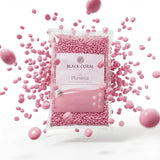
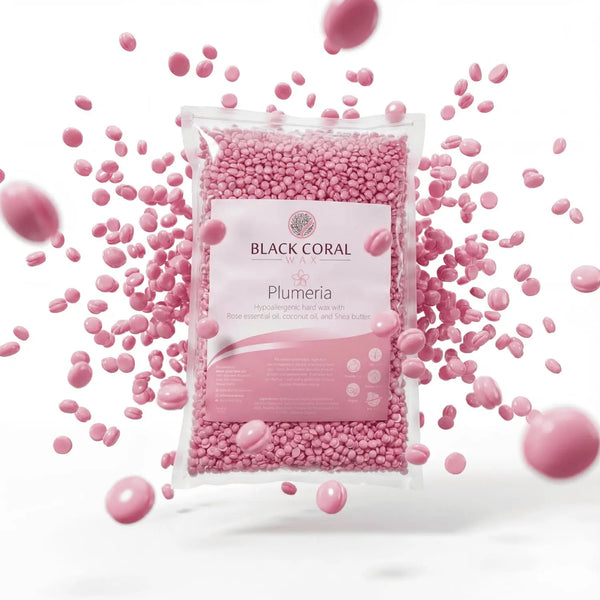
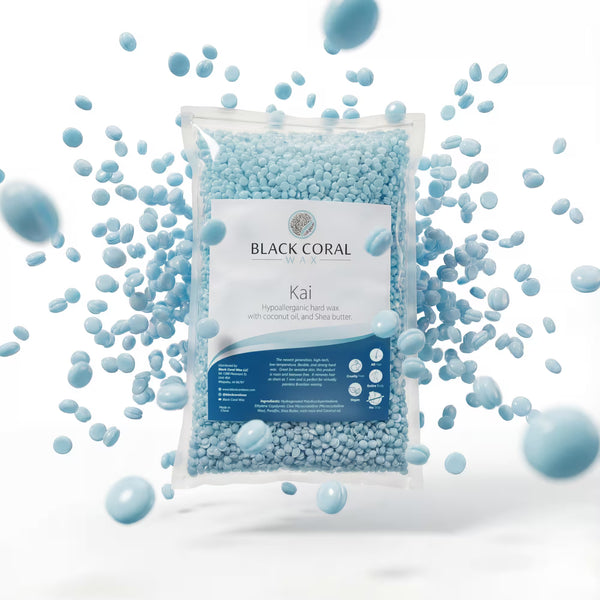
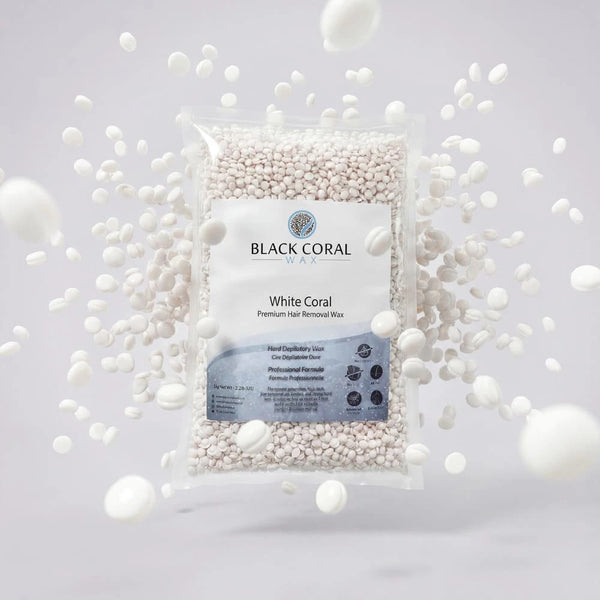
Hard wax is the best choice for bikini and Brazilian waxing because it is less painful. It is perfect for the bikini line because it can be put on and taken off without strips. Black Coral Wax's Plumeria blend and other formulations are made with low melting points to make them more comfortable for clients and to give them a strong, flexible grip that is good for sensitive skin.
Professional Advice: Before putting wax on a client, always test the temperature on your own wrist. This easy step keeps you from getting burned and makes sure the wax is the right consistency for use.
-
Spend money on quality and consistency: A professional-grade wax warmer is necessary to keep the wax at the right temperature and texture during the whole service. Follow the instructions from the maker for how to melt and use the product. To get the best results with clients who are sensitive, start with smaller areas and work your way up to larger ones as you gain confidence and improve your technique.
3. Correct temperature control and application method
To become an expert at bikini waxing, you need to be able to do two things: control the temperature perfectly and apply the wax perfectly. To make sure that clients are safe, comfortable, and get a clean, effective hair removal service, these things must be done. If the wax is too hot, it could burn you or lift your skin, which is especially dangerous in the sensitive bikini area. If it gets too cold, it won't stick properly, which will make the wax weak and useless. It will break hair instead of pulling it out from the root.
The wax's consistency, which is often compared to warm honey, is a direct sign of its temperature. To get the best viscosity for the best performance, professional wax formulations, like those from Black Coral Wax, are made with certain melting points. To get and keep this temperature, you need professional-grade tools and a skilled hand. This is one of the most important bikini waxing tips for both new and experienced estheticians. Salons that focus on this technical skill often get a lot fewer complaints from clients about pain and irritation.
How to Use the Right Temperature and Application
Discipline and technique are what make waxing work every time. A professional service will stand out if it uses the right tools and follows tried-and-true application methods.
-
Buy Professional Equipment: A digital temperature display on a professional-grade warmer is a must. This lets you set and keep the exact temperature that is best for your wax, so you don't have to guess. For example, using a Black Coral Wax-recommended warmer makes sure that their expertly made waxes work exactly as they should, giving you consistent results every time.
Professional Tip: Before putting wax on a client, always test the temperature on your own inner wrist. It should feel warm, but not too hot. This easy step can stop burns that hurt and hurt.
-
Master the Application: You want a thin, even layer of wax. To keep the wax from dripping, dip your applicator into it and spin it. Use firm, steady pressure to put the wax on in the direction of hair growth. To make sure that your application covers everything evenly, the speed should be steady. Wait until the hard wax is completely dry before making a lip and pulling against the direction of growth while keeping the skin taut.
4. Recognizing the direction of hair growth and applying it
One of the most important bikini waxing tips that sets a beginner apart from an expert is learning how to use directional technique. Hair in the bikini area is known for being hard to control and growing in different, often conflicting, directions, unlike hair on the arms or legs, which grows in a straight line. To fully and effectively remove hair, reduce breakage, and make sure the client is comfortable, you need to know and adapt to these unique hair growth patterns.
When you pull or apply wax against the hair's natural growth, it breaks hairs just below the skin's surface. This makes the hair grow back quickly and prickly, and it also makes ingrown hairs more likely. Professionals can get a cleaner pull from the root by carefully mapping out growth patterns and changing their technique as needed. This not only gives a smoother, longer-lasting result, but it also cuts down on service time and client discomfort by a large amount, which directly increases satisfaction and retention.
How to Use the Directional Waxing Method
A quick look before putting on any wax is a must-do first step. Based on the different growth patterns you see, break the area up into smaller, easier-to-handle parts.
-
Follow the Golden Rule: The main idea is simple: put wax on the hair and pull it in the opposite direction. This rule is set in stone. For hard wax, spread it out evenly and firmly to make a clean "lip" or edge that you can hold onto when you take it off. The pull should be quick, sure, and parallel to the skin, not up and away from it.
Professional Insight: By learning how to apply products in the right direction, experienced estheticians can often cut their service time by up to 25%. This is because there are fewer reapplications needed and results are faster and cleaner in each section.
-
Work in small, planned sections. Big, ambitious wax strips don't belong in the bikini area. Use smaller applications to keep control, especially around the sensitive labia and the top of the pubic mound, where hair direction can change quickly. The key to a perfect and comfortable service is to treat these areas as separate zones with their own patterns. This methodical way of doing things, which is often covered in depth in advanced training like the Black Coral Wax Academy curriculum, makes sure that no hair is left behind.
5. Taking care of your skin after waxing and dealing with irritation
The waxing service doesn't end when the last strip is pulled. What happens right after that is just as important for the client's comfort and long-lasting results. Taking care of your skin after waxing is very important. It protects the skin that has just been treated, reduces irritation, and stops common problems like ingrown hairs. The bikini area is very sensitive, so you need to follow a specific aftercare routine to make sure the skin heals nicely and stays smooth.
As a professional, you should always use calming products right away and make sure your clients understand how to use them. After waxing, the skin is very sensitive because the follicles are open and can easily get bacteria and friction. Taking care of your skin and hair after a treatment helps reduce redness and prepares them to grow back healthy, which has a direct effect on how well future appointments go. Salons that give their clients clear instructions on what to do after a service have fewer problems, which shows how important it is.
How to Take Care of Your Skin After Waxing
Good post-wax care includes both immediate treatment in the salon and clear instructions for the client to follow at home. The goal is to protect, calm, and keep the skin healthy until it heals completely.
-
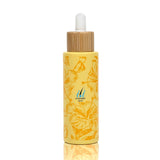
Use Soothing Products Right Away: After the wax service is over, use a high-quality calming product right away. To reduce redness and protect open follicles, look for products that have anti-inflammatory and antiseptic ingredients. Black Coral Wax's ili Oil and other products like it are made just for this purpose: to calm the skin and get rid of any leftover wax.
Professional Tip: Give each client a printed or digital aftercare card. This backs up your professional advice and gives them the tools they need to take care of their skin between appointments, which will lead to better results and more satisfied clients.
-
Client At-Home Protocol: Tell clients to stay away from some things for the first 24 to 48 hours. This includes hot showers, saunas, swimming pools, intense exercise, and tight clothing, since heat and friction can make irritation worse and bring in bacteria. You can start gently exfoliating again a few days after waxing to keep dead skin cells from building up. Taking care of your skin after a procedure is very important for keeping it smooth and avoiding irritation. For more information on what to do after waxing, check out our guide to Brazilian wax aftercare for perfectly smooth skin.
6. Managing pain and making clients as comfortable as possible
Many clients are worried about how uncomfortable a bikini wax will be, and it's important to handle this well in order to keep clients and keep them happy. Making things as comfortable as possible goes beyond just technique. It also means making the environment feel safe, using smart ways to reduce pain, and picking products that are meant to make the experience less painful. When clients feel safe, informed, and cared for, their pain goes down, which makes a service that could be stressful into one that is good.
This process depends on high-quality wax formulations. A wax that holds hair tightly without sticking too much to the skin makes things a lot less painful. Wax formulas that grip hair well and set quickly, for instance, can cut down on the amount of time the wax is in contact with the skin, making the service more effective and less painful. One of the best bikini waxing tips is to have salons follow standard comfort protocols. This can make a big difference in how happy and loyal their clients are.
How to Put Client Comfort Strategies into Action
A multi-faceted approach to pain management makes sure that the client feels supported from the time they walk in until they leave. Combining mental support with physical techniques builds a base of trust and comfort.
-
Communication and Environment: Start by going over the steps in detail to help calm your nerves. A calm setting with soft music and a comfortable temperature makes people feel at ease. During the service, keep talking to the client and checking in with them to give them a sense of control. Simple things like a stress ball to squeeze can make a big difference.
-
Breathing and Pressure Techniques: Teach the client how to breathe correctly. A tried-and-true method is to tell them to take a deep breath and then pull the wax strip when they breathe out. As soon as you take off the strip, press down firmly but gently on the area with your hand. This counter-pressure method calms the nerve endings and makes the stinging feeling go away right away.
Professional Advice: To build client trust, start with smaller, less sensitive areas, especially for first-time clients. You can move to bigger areas as they get used to the feeling. This also makes the service go faster.
Choose the Right Products: The wax itself is very important for managing pain. Brands like Black Coral Wax make products that are designed to hold hair better and have flexible pull technology. This lets you get rid of it cleanly and quickly the first time, which means you don't have to use it again on sensitive skin as often and the service time is shorter overall. Estheticians who use these high-quality waxes often say that their clients complain less about pain.
7. Optimizing Frequency and Timing for Long-Lasting Results
Getting smooth skin all the time has less to do with one perfect wax and more to do with making appointments at the right times. One important tip for both professionals and clients is to find the best time to get bikini waxes. This is because it fits with the natural hair growth cycle. This means that each time you go back, more hair will be in the right growth stage, which will make it easier to remove, last longer, and be more comfortable over time.
The key to getting the long-term benefits of waxing is to plan ahead. Clients come back every three to six weeks, which is the right amount of time for the hair to be long enough for the wax to hold but not so long that it breaks. Regular appointments teach the hair to grow back thinner and less frequently, which is a big plus for clients who are trying to decide between waxing and other temporary hair removal methods. Salons that teach their clients about this cycle often see a big rise in satisfaction and how often they book appointments.
How to Find the Best Waxing Schedule
The goal is to catch most of the hair while it is still growing. From the first appointment, teaching your clients about this sets clear expectations and lays the groundwork for success. This method changes waxing from a one-time service to a regular maintenance routine.
-
Teach and Plan: Talk about the hair growth cycle in simple terms at the first meeting. Tell the client that the first wax sets the baseline, but they won't really start to see a difference in hair density and pain until the second and third appointments. Before they leave, set up their next appointment. Start with a 3- to 4-week gap. You can change this to 4 to 6 weeks as their growth pattern becomes clearer.
Professional Insight: Many clients say they feel up to 50% less pain after three to four appointments that are all on time and in a row. When you talk about why consistent scheduling is one of the most important bikini waxing tips, this is a great point to make.
-
Use Technology and Incentives: Set up an automated appointment system that sends reminders 5 to 7 days before the appointment. This easy step can make a big difference in how many people keep their appointments on time. Think about starting a loyalty program that gives customers rewards for making appointments ahead of time or sticking to a regular schedule. This will show them how much you value their commitment to the process. By keeping track of each person's growth patterns, you can make personalized suggestions and strengthen your position as a trusted expert.
8. Standards for professional hygiene and ways to stop cross-contamination
In the world of professional waxing, the most important tip is to always keep things clean. Strict cleanliness rules are the most important part of a safe and trustworthy practice, especially for a personal service like a bikini wax. It keeps clients safe from bacteria, fungal infections, and bloodborne pathogens while also building trust that leads to long-term loyalty and compliance with the law.
The most important rule of professional waxing hygiene is to keep things from getting cross-contaminated. This means making sure that nothing that comes into contact with one client ever comes into contact with another client, either directly or indirectly. Salons that have strict, written hygiene rules often get no complaints about infections and build a strong reputation for safety. This commitment to cleanliness is one of the most important tips for bikini waxing that will help both your clients and your business stay in business.
How to Follow Strict Hygiene Rules
There must be strict rules about cleanliness for every part of the waxing service, from setting up to cleaning up. When a client's health is at stake, there is no room for shortcuts.
-
Don't double-dip: This is the most important rule of waxing. You have to throw away a wax applicator right away after it touches a client's skin. You should never dip it back into the wax pot because this lets bacteria and body fluids into the wax, which makes the whole supply dirty. Every time you dip into the wax warmer, you should always use a new applicator.
Professional Advice: You have to throw away a pot of wax if someone double-dipped into it. Replacing the wax doesn't cost much, but the risk of spreading infection and hurting your professional reputation is high.
-
Make your workspace clean: Start with a clean base. Every client must have all surfaces cleaned and disinfected with an EPA-approved disinfectant. This includes the waxing bed, the trolley, and any tools used. For each service, use clean, fresh linens or disposable table paper.
-
Put personal and tool cleanliness first: Always wash your hands well with soap and water before and after meeting with a client. Put on disposable gloves for the whole service and change them if they get dirty. All tools that can't be thrown away, like tweezers, must be thoroughly cleaned and soaked in a hospital-grade disinfectant for the amount of time that the manufacturer says is necessary.
Bikini Waxing Tips: 8-Point Comparison
|
Item
|
Implementation Complexity
|
Resource Requirements
|
Expected Outcomes
|
Ideal Use Cases
|
Key Advantages
|
|
Pre-Wax Skin Preparation and Exfoliation
|
Low-Medium: requires client timing and gentle technique
|
Low: exfoliant, mitts, client instructions
|
Fewer ingrown hairs, improved wax adhesion, smoother finish
|
All clients; especially before bikini appointments (24-48 hrs prior)
|
Reduces irritation, increases precision and longevity
|
|
Choosing the Right Wax Type for the Bikini Area
|
Medium: product knowledge and application skill
|
Moderate: selection of hard/soft formulas, quality brand inventory
|
Better hair removal with less skin trauma for sensitive/coarse hair
|
Sensitive skin, coarse bikini hair, professionals upgrading products
|
Less pain/skin adhesion, lower burn risk, professional-grade results
|
|
Proper Temperature Control and Application Technique
|
High: constant monitoring and practiced technique
|
High: digital warmers, training, consistent equipment
|
Fewer burns, consistent spread and adhesion, cleaner results
|
Busy salons and sensitive-area services needing repeatable consistency
|
Improves safety, efficiency, and client comfort
|
|
Directional Application and Hair Growth Pattern Recognition
|
High: individualized assessment and adaptive technique
|
Low-Moderate: observation skills, smaller application sections
|
More complete removal, reduced breakage, fewer passes needed
|
Clients with varied growth patterns; precision-focused services
|
Higher first-pass success, less trauma, better satisfaction
|
|
Post-Wax Care and Soothing Irritation Management
|
Low: straightforward protocols and client education
|
Low-Moderate: soothing oils/lotions, written aftercare
|
Reduced redness/ingrown hairs and longer-lasting smoothness
|
All clients post-service, sensitive or first-time clients
|
Speeds healing, reduces complications, boosts repeat bookings
|
|
Pain Management and Client Comfort Optimization
|
Medium: technique, communication, and comfort measures
|
Low-Moderate: numbing options, training, calming environment
|
Lower perceived pain, reduced anxiety, higher client retention
|
First-time or anxious clients, sensitive-area waxing
|
Improves client experience and repeat business
|
|
Frequency and Timing Optimization for Lasting Results
|
Low-Medium: scheduling strategy and client education
|
Low: scheduling tools, client records, reminders
|
More predictable results, finer regrowth, reduced discomfort over time
|
Regular clients seeking long-term smoothness and retention plans
|
Optimizes outcomes, builds consistent revenue and loyalty
|
|
Professional Hygiene Standards and Cross-Contamination Prevention
|
Medium: strict protocols and staff training
|
Moderate-High: disposables, disinfectants, time for sanitation
|
Prevents infections, ensures regulatory compliance and trust
|
All professional settings and regulated salons
|
Protects client health, business reputation, and legal compliance
|
Elevating Your Waxing Practice with Expertise and Quality
The journey from a basic bikini wax to an exceptional one is built on a foundation of precision, knowledge, and an unwavering commitment to quality. Throughout this guide, we've explored the critical pillars that support a superior waxing service, moving far beyond generic advice to provide actionable, professional insights. Mastering these bikini waxing tips is not just about technique; it's about creating an entire experience that prioritizes client safety, comfort, and outstanding results.
At the core of this practice is a deep understanding of the fundamentals we've covered. From meticulous pre-wax skin preparation and exfoliation to recognizing hair growth patterns for a clean removal, each step is a crucial link in the chain. Selecting the right wax is equally important. Choosing a high-performance hard wax, specifically formulated for the delicate bikini area, can dramatically reduce pain and skin irritation, ensuring a more comfortable session for your client.
Key Takeaways for Superior Bikini Waxing
Recapping the most vital points, a successful bikini waxing service depends on several interconnected elements:
-
Preparation is Paramount: A clean, dry, and properly exfoliated canvas is non-negotiable. It prevents post-wax issues and ensures the wax adheres only to the hair, not the skin.
-
Technique Defines the Outcome: Correct temperature control, directional application, and swift removal are the technical skills that separate an amateur from a professional. These actions directly impact both the client's comfort and the final smoothness.
-
Aftercare Completes the Service: The service doesn't end when the client leaves the table. Educating them on proper post-wax care, including soothing irritated skin and preventing ingrown hairs, builds trust and ensures they enjoy long-lasting results.
-
Hygiene is the Standard: Upholding rigorous sanitation protocols is the bedrock of a professional practice. Preventing cross-contamination protects your clients and your reputation.
By integrating these detailed strategies into your daily workflow, you elevate your service from a simple hair removal treatment to a specialized, trusted procedure. Whether you are a seasoned esthetician refining your craft or an at-home user dedicated to achieving professional-grade results, the consistent application of these principles will set you apart. Investing in your education and using premium products are not expenses; they are investments in client loyalty, professional credibility, and the long-term success of your practice. The goal is to make every client feel confident, cared for, and completely satisfied with their smooth, flawless results.
Ready to implement these professional bikini waxing tips with products that match your high standards? Discover how the right tools can perfect your technique by exploring the Black Coral Wax collection, designed for sensitive skin and superior performance. Find your ideal hard wax and post-wax care solutions to deliver the comfortable, effective results your clients deserve.