Why Your Wax Choice Is Everything For Sensitive Skin
When a client expresses concern about pain, redness, or bumps, the pot of wax you have warming is your first line of defense. The wrong wax can turn a simple service into an ordeal of lingering inflammation and irritation, breaking your client's trust. But the right wax? That’s what creates a loyal client who leaves feeling smooth, confident, and cared for.
This isn't a niche concern. The global market for sensitive skincare products surged to USD 44.60 billion in 2023 and is projected to reach nearly USD 81 billion by 2030. This represents a vast number of clients actively seeking gentle, effective solutions.
While some industry data suggests that 35-40% of all waxing clients experience some kind of reaction, this doesn't have to be the reality in your salon. In fact, many estheticians who switch to modern hard wax blends report a significant drop in client complaints, with some noting as much as a 40% reduction in client-reported pain.
Quick Comparison For Sensitive Skin Waxing
To fully appreciate the difference, it helps to compare the two main wax types side-by-side. This table breaks down why hard wax is the superior choice for any service on delicate skin.
|
Feature
|
Hard Wax (Ideal for Sensitive Skin)
|
Soft Wax (Use With Caution)
|
|
How It Works
|
Shrink-wraps and grips only the hair.
|
Adheres to both hair and the top layer of skin.
|
|
Application Temp
|
Melts at a low, comfortable temperature.
|
Applied at a higher temperature, increasing burn risk.
|
|
Pain Level
|
Significantly less painful; no harsh pull on the skin.
|
More painful due to its strong adhesion to the skin.
|
|
Irritation Risk
|
Minimal. Less redness and inflammation.
|
High. Often causes redness, irritation, and skin lifting.
|
|
Best For
|
Brazilians, face, underarms, and all sensitive areas.
|
Large, less sensitive areas like legs, arms, and back.
|
The takeaway is clear: for facials, Brazilians, or any client prone to reactions, hard wax provides a safer, more comfortable experience every time.
The Two Golden Rules For Waxing Sensitive Skin
To build a reputation as the go-to expert for sensitive skin, follow two core principles when selecting your wax.
-
Go for a Low-Temp Melt: A quality hard wax for sensitive skin is formulated to melt at a much lower temperature. This isn't just about comfort-it actively prevents the risk of burns and minimizes inflammation, which is a game-changer for reactive skin on the face or bikini line.
-
Insist on a Clean, Hypoallergenic Formula: Look for waxes made with modern synthetic resins and polymers. These formulas are far less likely to trigger allergies than older, natural resin-based waxes. Even better, choose a wax free from unnecessary fragrances or dyes that can act as hidden irritants.
Mastering these two principles is what separates a basic hair removal service from a true skincare treatment. It's how you become the expert your clients trust with their skin's health.
This guide will walk you through everything you need to know, from the science behind different wax types to the hands-on techniques that guarantee flawless results. Our goal is to empower you with the confidence to choose the best products and handle any sensitive skin client who walks through your door.
Hard Wax Vs Soft Wax For Sensitive Skin Applications
When waxing sensitive skin, achieving an exceptional result begins with one crucial choice: hard wax or soft wax? To master your craft, you must understand your tools, and these two waxes work in completely different ways. Picking the right one is the single most important decision you'll make for a client with reactive skin.
Think of it like this: hard wax is a precision tool. Once applied, the wax cools and “shrink-wraps” around each hair, barely touching the skin.
Soft wax, also known as strip wax, is more like a strong adhesive. It grabs onto both the hair and the top layer of skin, which is why a cloth or paper strip is needed for removal. This dual adhesion is precisely what makes it a riskier choice for sensitive areas.
The Science Of The Pull: How Hard Wax Protects Skin
The effectiveness of hard wax lies in its selectivity. Because it only grips the hair, the removal force is focused right where it needs to be-on the hair follicle. This puts significantly less stress on the skin, resulting in a much more comfortable experience for your client.
This targeted pull is a game-changer for delicate facial skin, underarms, and the bikini area. In these zones, the skin is thinner and more prone to redness, irritation, or even lifting.
Modern, polymer-based hard waxes like the blends from Black Coral Wax take this protection even further. They're specifically designed for:
-
Low-Temperature Application: Our formulas melt at a lower, skin-safe temperature. This reduces the risk of burns and minimizes heat-triggered inflammation before the service even begins.
-
Superior Flexibility: Advanced polymers create a pliable wax that doesn't become brittle or crack upon removal. This ensures a clean, efficient pull every single time.
-
Enhanced Grip: These waxes are engineered to grab even the finest, most stubborn hairs, so you don't have to go over the same spot twice-a vital practice for protecting sensitive skin.
While the global hair removal wax market reached USD 14.42 billion in 2026, with soft wax still holding a significant share, the demand for high-quality hard wax for sensitive skin services is skyrocketing. By adhering only to the hair, hard waxes can reduce post-wax redness by up to 50%-a massive benefit when over 40% of clients identify as having sensitive skin.
When To Use Hard Wax: A Professional Guide
For any esthetician who prioritizes client comfort and skin health, hard wax is the only choice for sensitive areas. Its gentle, precise nature makes it the best professional wax for sensitive skin, without question.
By committing to hard wax for delicate services, you aren't just choosing a product; you are adopting a philosophy of care. You are actively prioritizing your client's comfort and the long-term health of their skin over speed or material cost.
Use hard wax exclusively for:
-
Brazilian and Bikini Waxing: The skin here is incredibly delicate and reactive. Hard wax provides the gentle touch required for a comfortable service.
-
Facial Waxing: This includes brows, lip, and chin, where precision is paramount and the risk of skin lifting is high.
-
Underarm Waxing: This area is prone to irritation and ingrown hairs, making hard wax the clear winner.
-
Clients with Known Sensitivities: If a client informs you their skin is sensitive, using hard wax for all areas is the safest and most reassuring approach.
Soft wax still has its place in the treatment room. For clients with resilient skin on large areas like legs, arms, or the back, it can provide an efficient service. But for sensitive skin, the choice is clear. If you want to dive deeper into this topic, check out our guide on the key differences between wax types.
Decoding Wax Ingredients And Formulations
Exceptional results don't just happen during application-they begin with what’s inside the wax pot. Learning to read ingredient labels is a non-negotiable skill for any professional. It’s how you choose the best professional wax for sensitive skin based on science, not just marketing.
Taking a moment for understanding ingredients in skincare is a game-changer when selecting a wax for your sensitive clients. The right formula can elevate a waxing service from a simple treatment to a genuinely skin-caring experience.
The Power Of Advanced Synthetic Resins
The core of any modern hard wax is its resin. For years, natural resins like colophony (rosin) were standard, but they are a known potential allergen and can be unpredictable in performance.
This is why the best professional waxes have transitioned to synthetic resins, a type of polymer. These lab-engineered ingredients are the secret to a superior hard wax, especially for sensitive skin:
-
Hypoallergenic Properties: Synthetic resins are engineered to have a very low risk of allergic reactions, giving you peace of mind when working on reactive clients.
-
Low Melting Point: These modern polymers are designed to melt at a lower, more comfortable temperature. This means less risk of burns and less heat-induced redness from the start.
-
Incredible Flexibility: A wax made with a quality synthetic resin remains pliable and elastic. It won’t become brittle or crack, which guarantees a clean removal in one go and prevents extra trauma to the skin.
Think of it as the difference between a scratchy, unpredictable natural wool and a smooth, high-performance athletic fabric. One is specifically designed for comfort, safety, and consistent results.
Skin-Soothing Additives That Make A Difference
Beyond the base resin, the best waxes for sensitive skin are infused with beneficial additives that actively soothe the skin during the service. These aren't filler ingredients; they work to calm redness and inflammation on contact.
A well-formulated wax acts as both a hair removal tool and a mini skin treatment. Adding calming botanicals and minerals elevates the entire service, ensuring skin feels cared for, not stressed.
Look for these powerhouse ingredients on the label:
-
Titanium Dioxide: This mineral creates a creamier, more gentle wax. It acts as a buffer between the wax and the skin, resulting in a softer pull and minimized redness.
-
Chamomile or Azulene: Renowned for their anti-inflammatory and calming benefits, these plant extracts help instantly pacify irritated skin follicles.
-
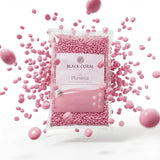
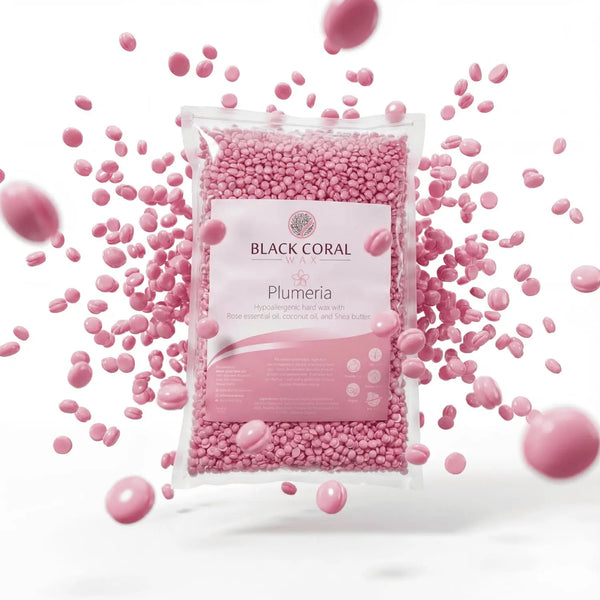
Plumeria Extract: Used in our Plumeria Blend, this ingredient not only provides a subtle, natural scent but is also known for its soothing and moisturizing properties.
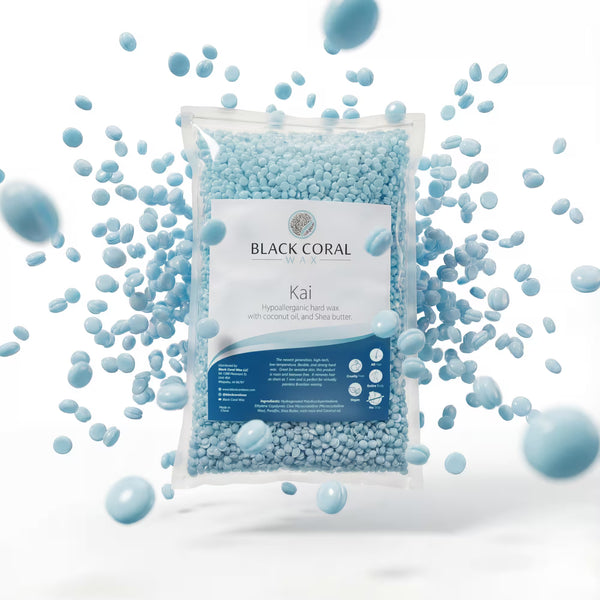
For example, our Kai Blend is intentionally formulated without added colors or fragrances, making it the ideal choice for clients with extreme sensitivities. Products like these exemplify a professional, skin-first approach. You can find more tips on picking the right product in our guide on choosing the perfect hair removal wax.
Ingredients To Approach With Caution
Knowing what to look for is only half the battle; you also need to know what to avoid. Certain common ingredients can be major irritants for sensitive skin.
Be cautious with waxes that contain:
-
Artificial Fragrances: Synthetic perfumes are one of the most common triggers for skin sensitization and allergic reactions.
-
Harsh Dyes: Unnecessary colorants can sometimes cause irritation, especially on delicate facial skin.
-
Rosin (Colophony): As a known allergen, it’s best to avoid rosin-based waxes completely when treating clients with a history of skin reactions.
By choosing waxes with clean, modern, and soothing formulas, you empower yourself to deliver a consistently safe and comfortable service. That expertise builds client trust and sets you apart as a true professional.
Mastering Your Application Technique For Sensitive Skin
Even the best wax for sensitive skin is only as good as the professional applying it. Your technique is the final, crucial step that transforms a premium product into a flawless, comfortable service. For clients with reactive skin, mastering your application is about providing a safe and reassuring experience that fosters loyalty.
The process begins long before the wax touches the skin. Proper prep is non-negotiable for sensitive clients. It creates a protective foundation for the entire service, ensuring the skin is calm, clean, and ready for treatment.
Pre-Wax Preparation The Right Way
A perfect application is built on a perfectly prepped canvas. This is your first opportunity to minimize irritation and make your client feel at ease.
-
Cleanse Gently: Begin by wiping the area with a pH-balanced, alcohol-free cleanser. This removes surface oils, sweat, or lotion without stripping the skin's natural moisture-a key detail for preventing dryness and irritation.
-
Apply Pre-Wax Oil: This is the single most important step for sensitive skin. Smooth on a thin layer of a high-quality pre-wax oil. This creates a crucial protective barrier, ensuring the hard wax adheres only to the hair, not the skin.
Think of pre-wax oil as your insurance policy for sensitive skin. It provides a buffer that allows the wax to shrink-wrap the hair while gliding over the skin. This one step drastically reduces the risk of skin lifting or significant redness.
Once the skin is prepped, you can focus on the application itself. Here, precision and control are your greatest assets.
Application Mastery For Sensitive Clients
Working on sensitive skin requires a methodical, gentle touch. Work in small, manageable sections to maintain control and minimize stress on the skin.
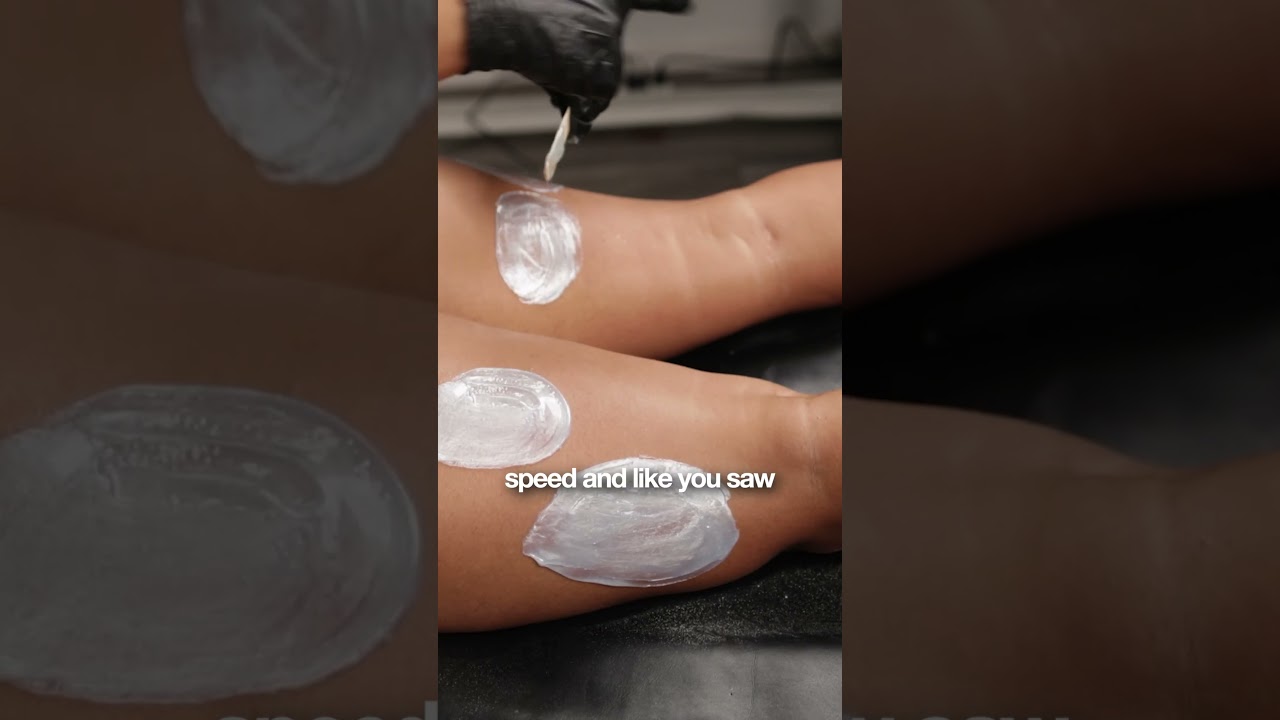
Always apply the wax in the direction of hair growth, using firm and even pressure. This helps the wax envelop every hair from the base. As you finish laying a strip, create a slightly thicker edge, or 'lip,' at the end. This small detail provides a clean, sturdy handle for a quick and efficient removal.
The removal technique is the biggest factor in preventing unnecessary trauma. Always hold the skin taut with one hand while pulling the strip off with the other. The pull must be parallel to the skin, not up and away from it. Pulling upward yanks the skin, leading to pain, bruising, and broken hairs. A parallel pull directs all force at the base of the hair, ensuring a clean release from the follicle with minimal impact on the surrounding skin.
Perfecting Your Technique With Hard Wax
While these principles apply to all waxing, they are vital when using hard wax on sensitive areas. Some professionals wonder if soft wax is a viable alternative, but its adherence to the skin makes it inherently riskier. You can learn more by reading about how to use soft wax on sensitive skin, but hard wax remains the safer, more intelligent choice.
To perfect your hard wax technique for sensitive skin, commit these key points to memory:
-
Work Small: Apply wax in smaller patches, especially on contoured or highly reactive spots like the upper lip or bikini line.
-
Check Consistency: Your wax should have a smooth, honey-like consistency-warm, not hot. If it's too hot, it will cause more redness. If it's too cool, it won't grip properly.
-
Create A Clean Lip: A well-formed lip makes removal swift and clean. No fumbling means less anxiety for your client.
-
Always pull parallel. This is very important. A professional's signature move is a quick, confident pull parallel to the body.
When you use a high-quality product and a careful, safety-first method, you show that you are committed to being a professional. These steps not only keep your client's skin safe, but they also make you a better waxer and strengthen your reputation as an expert in waxing sensitive skin.
The Key to a Perfect Wax: Care Before and After
A good waxing service doesn't end with the appointment. The foundation is laid days before your client arrives and stays in place long after they leave. Think of it as a team effort. You're not just removing hair; you're also making the whole experience better and solidifying your reputation as a trusted skin expert by showing your client how to take care of their skin before and after.
Preparation is key to a calm and successful wax on sensitive skin. By teaching your clients these simple steps before their wax, you can reduce irritation and make sure the wax works perfectly.
Pre-Wax Prep: Getting Ready for Success
Give your clients a clear, simple checklist before every appointment. This step makes the skin much less reactive and makes the service go smoothly and comfortably.
-
Avoid Sun Exposure: Tell your clients to stay out of the sun and tanning beds for at least 48 hours before their appointment. You should never wax skin that has been burned by the sun.
-
Pause Active Ingredients: Clients should not use AHAs, BHAs, or retinoids on the area for 3 to 5 days before the appointment. These ingredients make the skin more sensitive and more likely to lift.
-
Come with Clean Skin: Tell them to come with skin that doesn't have any lotions, oils, or deodorants on it. These items can make a barrier that keeps the wax from gripping the hair correctly.
Pre-care is what the client does to help make the service a success. When they come ready, they are helping you give them the comfortable, perfect results they want. Working together builds trust and shows how important your professional advice is.
Your Post-Care Checklist for Skin Happiness and Long-Lasting Results
After the service is over, you become an educator instead of a technician. Giving clients clear instructions on what to do after their care is important for keeping their skin calm, stopping ingrown hairs, and making their results last longer.
This is especially true for things like waxing your face. Hard wax is the professional standard for sensitive skin in the booming facial waxing market, which is worth $3.2 billion worldwide in 2024. When using hard wax, estheticians have seen up to 30% fewer complaints from clients about redness. This benefit is even greater when the client gets the right aftercare. You can learn more about this growing market by looking at detailed facial waxing market insights.
The First 24 to 48 Hours:
-
Let your skin breathe: Tell your clients to wear clothes that are loose and comfortable. Tight clothes rub against your skin and hold in heat, which can cause irritation and breakouts.
-
Tell them to stay cool and calm by not taking hot showers, going to saunas, working out hard, or swimming for at least 24 hours.
-
To soothe and hydrate, suggest a professional anti-inflammatory product. Black Coral's ili Oil is a great example of a high-quality formula that can calm redness and soothe follicles without blocking pores.
Taking care of your skin over time: Aftercare that works lasts longer than the first two days. A smart long-term routine is the best way to avoid ingrown hairs, which are a big problem for 60% of facial waxing clients with sensitive skin.
Clients should start gently exfoliating after 2 to 3 days. This easy step gets rid of dead skin cells that can trap new, finer hairs, which is the main reason for ingrown hairs. A moisturizing lotion that doesn't clog pores will keep their skin soft and healthy. Send them to our guide on after-waxing care products for more advice.
By giving your clients this information, you give them the tools they need to keep their skin looking great between appointments and show that you are an expert they can't live without.
Using the right professional wax to improve your service
Picking the best professional wax for sensitive skin is the most important part of a five-star service. The right product, a high-quality, low-temperature hard wax, is the key to getting perfect results, happy customers, and a reputation that speaks for itself. It turns a normal appointment into an experience that your clients will trust and tell others about.
When you buy professional-grade products, you're not just getting wax. You're putting money into your craft, your business, and the health of your clients. That level of dedication is what makes a service great instead of just good.
The Pillars Of A Premium Service
Mastering waxing for sensitive skin depends on a few key elements. First, always choose a high-quality, polymer-based hard wax with a low melting point. This single choice dramatically reduces heat and inflammation.
Next is technique. A controlled application and a clean, parallel pull are non-negotiable for protecting the skin barrier. Finally, great service extends beyond the treatment room. Implement solid pre- and post-care education. Guiding clients on how to care for their skin ensures longer-lasting smoothness and minimizes issues like ingrown hairs. You can learn more about why investing in high-quality wax is worth it in our detailed guide.
When you prioritize skin health with superior products and expert knowledge, you deliver more than just hair removal-you build unwavering trust and loyalty.
This approach demonstrates your commitment to safety and results. Hair removal becomes a collaborative partnership focused on achieving beautiful, healthy skin. The results speak for themselves through happy, returning clients.
As a professional, the tools you use reflect your standards. When you stock your station with waxes expertly formulated for sensitive skin, you can approach any client with confidence. This is how you elevate your services and deliver the smooth, glowing results every client deserves.
Ready to provide a truly premium waxing experience? Explore the Black Coral Wax collections to discover the perfect formulas for delivering comfortable, effective, and beautiful results for every skin type.
Frequently Asked Questions
Even experienced estheticians have questions when it comes to waxing sensitive skin. This delicate service requires specialized knowledge. We’ve gathered and answered some of the most common questions to help you wax with total confidence.
Can I Use Soft Wax On A Client With Sensitive Skin?
While it may be acceptable for large, resilient areas like the legs, soft wax is not recommended for truly sensitive skin. For areas like the face, bikini line, and underarms, hard wax is the only professional choice. Soft wax adheres to the top layer of skin as well as the hair, which can lead to irritation, redness, and painful skin lifting.
A high-quality hard wax is the superior option. Because it shrink-wraps the hair and not the skin, it provides a much gentler and more comfortable experience.
What Is The Ideal Wax Temperature For Sensitive Skin?
The wax should be as cool as possible while remaining workable, with a smooth, honey-like consistency. Premium hard waxes, like those from Black Coral Wax, are formulated to melt at lower temperatures, typically between 48-60°C (120-140°F).
Before putting the wax on your client, always test it on the inside of your wrist. This is a safety check that can't be changed. The wax should feel warm but not hot. This easy step is the first thing you can do to protect yourself from burns and help reduce swelling.
The best professional wax for sensitive skin must melt at a low temperature. It's the first line of defense against client discomfort and inflammation after waxing, which makes for a calm, professional service.
How can I stop my sensitive skin from breaking out after waxing?
Keeping breakouts from happening is a team effort that includes both your client's at-home care and your own hygiene while they are in treatment.
-
During the service: Maintain a spotless environment. Never double-dip wax applicators. Ensure all tools are sanitized. Impeccable hygiene is crucial.
-
After the service: Educate your client. Advise them to avoid touching the area, intense exercise, saunas, or tight clothing for at least 24-48 hours. A quality post-wax oil will help soothe follicles and calm irritation before it can develop.
You can also suggest they begin gentle exfoliation 2-3 days later to help prevent ingrown hairs as new, softer hair emerges.
Is It Normal For Sensitive Skin To Stay Red After Waxing?
A small amount of pinkness immediately following the service is normal, as hair is being removed from the follicle. However, when using the correct low-temperature hard wax and proper technique, this redness should be minimal and subside within a few hours.
If you observe lasting redness, welts, or significant irritation, it may indicate that the wax was too hot, the removal was not clean, or the client’s skin is exceptionally reactive. Applying a soothing post-wax product immediately will make a significant difference in how quickly their skin calms down.
Ready to provide a truly premium waxing experience? Explore the Black Coral Wax collections to discover the perfect formulas for delivering comfortable, effective, and beautiful results for every skin type.
Explore Our Professional Wax Collections