Painless Hair Removal Techniques: Your 2026 Guide
The saying "no pain, no gain" doesn't apply to modern beauty treatments. It is possible and should be a pleasant and reassuring experience to get skin that is smooth and free of hair. The best ways to remove hair without pain don't involve magic; they involve using the best products, applying them correctly, and getting the skin ready very carefully.
FREE COURSE
Turn Your Passion for Beauty Into a $75K+ Waxing Business
GET IT NOW!
Course succesfuly sent. 🎉
Please go to your inbox to recieve it.
The New Way to Make Hair Removal More Comfortable for Clients
The days of painful waxing appointments are over. The professional beauty industry has changed, and clients today rightly expect that pain is not a necessary part of the process. They actively look for professionals who can get the job done perfectly without causing pain, which reinforces the idea that a high-quality service is a gentle one.
This client-centered way of thinking puts the guest's experience first. It's about earning their trust and making sure they feel safe and cared for. Every part of the service is meant to reduce stress and increase comfort.
What Makes an Experience Comfortable
A truly comfortable hair removal session depends on both the esthetician's skill and the quality of the products they use.
This is what really makes the experience better:
-
Clear Communication: A good professional always starts by talking about how sensitive the skin is, explaining the process, and setting expectations so there are no surprises.
-
This step, proper skin prep, is not up for debate. Using a professional pre-wax cleanser and a light barrier powder makes sure the skin is ready and safe.
-
How to Do It Like a Pro: The details are important: putting wax on at the right temperature and taking off the strip parallel to the skin, not pulling it up. This exact change makes the pain feel much less.
-
Picking the Right Product: It's important to use a high-quality wax made for sensitive skin, especially on delicate areas.
A modern, professional service turns hair removal from a chore into a refined way to take care of yourself. It's all about learning how to protect the skin and lessen sensation from the beginning to the end.
The Role of Premium Hard Wax
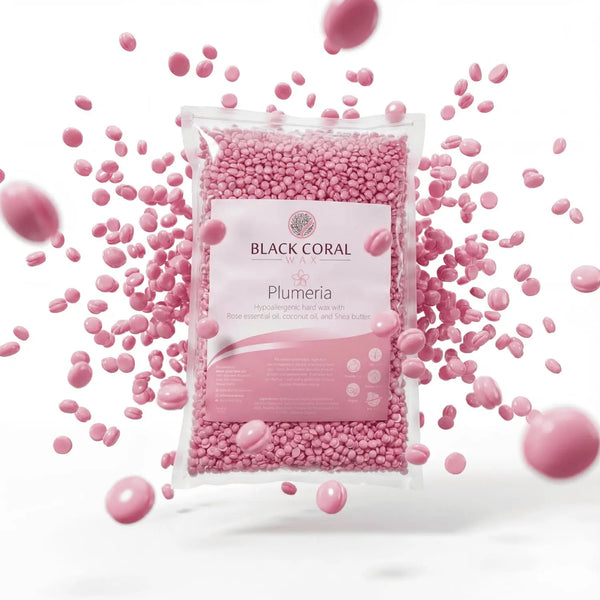
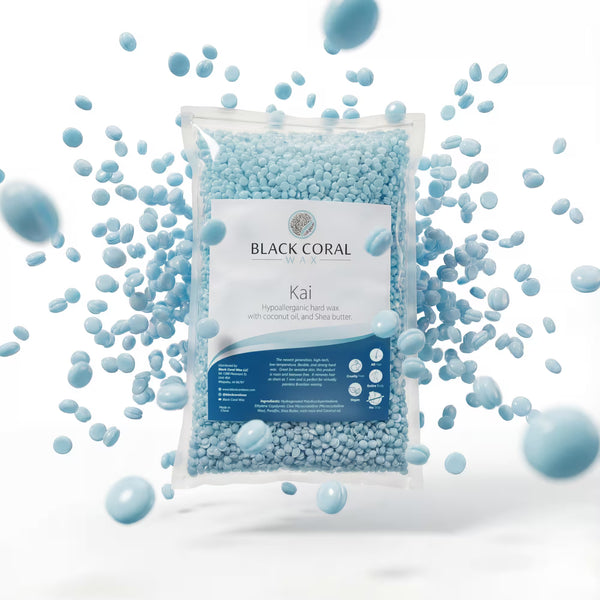
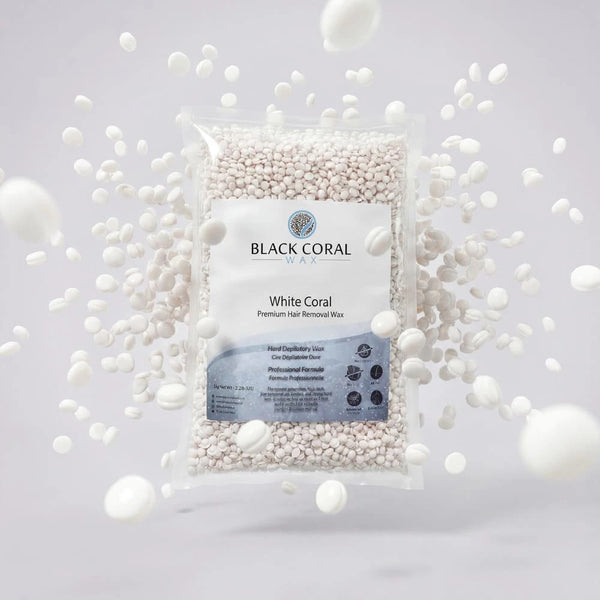
For any dedicated professional, the choice of wax is paramount. A high-quality hard wax, like the formulas perfected at Black Coral Wax, is a game-changer for achieving nearly painless hair removal. Unlike soft wax (strip wax) which adheres to both hair and skin, premium hard wax is formulated to "shrink-wrap" and adhere only to the hair.
What does this mean for client comfort? The wax grips only the hair, lifting it from the follicle without pulling or stressing the skin. The difference in sensation is significant, which is why it is the superior choice for sensitive areas like the bikini line, underarms, and face.
Pre-Treatment Steps for a Pain-Free Session
A truly great waxing service doesn't start when you get on the table; it starts hours or even days before. The key to many painless hair removal methods is to get ready well ahead of time. The wax works best when the skin is ready, which makes for a clean, quick service that keeps customers coming back.
Clear communication is the first step in this process. Teaching your clients how to take care of their skin at home is not just a nice thing to do; it's an important part of a professional, skin-first service.
The 24-Hour Countdown List
The things a client does the day before their appointment have a direct effect on how comfortable they are. Giving them a simple list of things to do is a good way to help them avoid being too sensitive.
Clients should stay away from these things for at least 24 hours before their appointment:
-
Caffeine and alcohol can both make nerves more sensitive and blood flow faster, which can make the skin more sensitive during a waxing treatment.
-
Sunburned skin is a complete no-no for waxing. But even a little bit of sun exposure can make the skin more sensitive, which can make it hurt more and possibly lift.
-
Products for skin care that are too harsh: Tell clients to stop using retinoids, AHAs, or BHAs on the area that will be waxed. These active ingredients can make the epidermis thinner, which makes it more fragile and easier to damage.
Before starting any service, you need to have a full professional skin consultation. This helps you find possible contraindications and tailor the treatment, which builds trust from the start.
Tip: Tell clients to make their appointments when they are calm. Stress hormones can make pain feel worse, so a client who is calm will naturally have a more comfortable experience.
Finding the Right Length for Your Hair
The length of your hair is very important for a clean and less painful removal. If the hair is too short, the wax won't stick properly, which means you have to apply it multiple times to the same area, which can be painful. If it's too long, it can cause unnecessary pulling and make it more likely that hair will break instead of being pulled out from the root.
The best length is about 6 millimeters, which is about the same as a grain of rice. This helps the wax hold onto the hair tightly and well. For clients who usually shave, tell them to stop for at least two weeks before their appointment to get the best length.
Immediate Pre-Service Skin Prep
Once your client is in the treatment room, the final preparation is your responsibility. This is where professional products demonstrate their value, creating a protective barrier that ensures the wax adheres only to the hair-the key to a comfortable hard wax service.
Start by cleaning your skin with a good pre-wax cleanser. This gets rid of any oils, lotions, or sweat on the surface that could keep the wax from sticking. Read our article on using a pre-wax cleanser for a step-by-step guide on this.
Make sure the skin is completely dry after washing it. A light layer of pre-wax powder is great for soaking up any extra moisture, especially in humid places or on areas that sweat a lot, like the underarms. Following these steps makes the perfect surface for the wax, which makes the whole process faster and more comfortable.
Comparing Different Ways to Remove Hair Professionally
Helping a client find the right hair removal service is about more than just getting smooth skin. It's about finding the best and most comfortable solution for their skin type, pain tolerance, and long-term goals. As a professional, being able to confidently explain the differences between methods builds trust and strengthens your position as an expert.
Let's look at the most common professional options, from old-fashioned waxing to high-tech solutions.
The Professional Waxing Showdown
Waxing is a salon must-have for a good reason: it works quickly and well, and it leaves your skin smooth right away. But the real conversation about comfort starts when you have to choose between soft wax and hard wax.
Strip Wax (Soft Wax)
You put on a thin layer of soft wax and then take it off with a piece of cloth or paper. It works because it sticks to both the hair and the top layer of skin. This gives a strong grip, but it can also make your skin more sensitive, sting, and hurt after treatment.
Due to this dual-adhesion property, soft wax is best reserved for larger, less sensitive areas like the legs, arms, and back, where the skin is more resilient.
Hard Wax (Stripless Wax)
This is where the client comfort experience is transformed, and it's the foundation of our philosophy at Black Coral Wax. A quality hard wax has a lower melting point, so it feels pleasantly warm upon application, not uncomfortably hot.
The most crucial difference? Hard wax is formulated to adhere only to the hair itself, not the skin. As it cools, it "shrink-wraps" the hair. Upon removal, it lifts the hair directly from the root without pulling on the surrounding skin. This dramatically reduces pain and redness, making it the undisputed choice for sensitive areas like the bikini line, underarms, and face.
Clients who have only experienced soft wax are often amazed at how much more comfortable a hard wax service can be. It has the power to turn a dreaded appointment into a manageable part of their self-care routine. For professionals looking to broaden their expertise, understanding the nuances of sugaring vs. waxing can also enhance your ability to offer tailored services.
Advanced Technology in Hair Removal
While waxing provides excellent temporary results, some clients seek a more permanent solution. This is where treatments like laser hair removal and electrolysis enter the picture, and modern technology has made them significantly more comfortable than their predecessors.
One of the most popular long-term options is Laser Hair Removal. This method uses concentrated light energy to target and heat the pigment within the hair follicle, which damages it and inhibits future growth.
Previously, this treatment was known for its "rubber band snap" sensation. Today's advanced machines have changed that. Many feature integrated cooling systems, such as a chilled sapphire tip or a cryogen spray, that cool the skin's surface an instant before the laser pulse. For most clients, this transforms the sensation into a mild, warm tingle.
For clients who desire a truly permanent solution, electrolysis is the only method that is 100% FDA-approved for permanent hair removal. It works by inserting an ultra-fine probe into each individual hair follicle and applying an electrical current to destroy the hair's growth center.
This was once considered a very uncomfortable process, but techniques have improved. Modern "blend" methods use multiple types of currents to work more efficiently and comfortably. When combined with a high-quality topical numbing cream, the treatment becomes far more tolerable for clients committed to becoming completely hair-free.
Hair Removal Method Pain and Efficacy Comparison
How do you help a client choose the best path forward? This table breaks down the key factors to facilitate an informed discussion.
|
Method
|
Average Pain Level (1-10)
|
Result Permanence
|
Best For
|
|
Soft Wax
|
5-8
|
Temporary (3-6 weeks)
|
Large, less sensitive areas like legs and back.
|
|
Hard Wax
|
2-5
|
Temporary (3-6 weeks)
|
Sensitive areas: bikini, underarms, and face.
|
|
Laser Hair Removal
|
2-4
|
Long-Term Reduction
|
Clients with darker hair seeking to reduce density.
|
|
Electrolysis
|
4-7
|
Permanent
|
Clients wanting permanent removal of any hair color.
|
In the end, you need to know a lot about your client's skin, hair, and comfort level to help them choose the right method. By learning different techniques and only using the best products like **Black Coral Wax** for your waxing services, you show that you care about your clients' comfort and results.
Getting the hang of how to use hard wax with as little pain as possible
Getting ready is half the battle, but your application technique is what really shows how professional you are. This is how to give a service that feels both high-end and comfortable. Using a better product like Black Coral Wax is a big help, but your skill is what turns a regular wax into one of the best ways to remove hair without pain.
It's all about moving with confidence and having a light touch. You can make sure that every step, from getting the right temperature to the final pull, is perfect for the most comfort for your clients and the best results. Everything starts with the wax warmer.
Why the Right Wax Temperature Is Important
Getting the wax temperature right is not a small thing; it's very important. If the wax is too hot, you could burn your client's skin and make it very uncomfortable. The wax won't hold onto the hair well if it's too cool because it gets thick and hard to spread. This makes it hard to get rid of and means that the client has to apply it again, which is never fun.
A formula that melts at a low temperature makes the best hard wax. You want a wax that works and becomes soft at a temperature that feels warm but not hot on the skin. This is one of the main reasons why clients like hard wax.
Modern waxes have come a long way in making things less painful. Trusted by more than 10,000 professionals, brands like Black Coral Wax offer hard waxes that melt at low temperatures (around 45-50°C) and set quickly. Surveys show that 78% of clients say they feel a lot less pain with hard wax than with other methods. Studies have even shown that modern hard waxes can be 60% less painful than sugaring, with pain scores going from 7 out of 10 to just 3 out of 10.
Using thin, even layers for a clean pull
When your wax is the right consistency, like honey, it's time to put it on. You want to put on a thin, even layer that goes with the way your hair grows. A thin layer of wax makes sure that every hair is covered without being too thick, which would make it wasteful or hard to remove.
Use steady, firm pressure and hold your applicator at a 45-degree angle to the skin. This pressure helps the wax get to the hair's base so it can hold on tight.
A very important professional tip is to always make the end of your strip thicker. This edge will be your tab for taking it off. It gives you a clean, easy-to-grasp point for a quick pull and stops you from having to pick at the edges, which is never comfortable for a client.
The main point is A true professional has lips that are perfectly shaped. It makes sure that the job is done quickly and cleanly, which shows that you pay attention to details and builds trust and loyalty with clients.
The Pull Art
The removal technique is where you either win or lose comfort. The most important rule is to pull parallel to the skin, not up and away from it. Pulling up the hair and skin at the same time is what causes the most pain, bruising, and skin lifting. A parallel pull keeps the skin in place and sends all of the force to getting rid of the hair.
To do this perfectly every time:
-
Brace the Skin: With your free hand, pull the skin tight just below the spot you want to pull. This counter-pressure is not up for discussion. It makes the pull feel much less intense and keeps the skin stable.
-
Pull Against Hair Growth: Always take off the strip in the opposite direction of hair growth. This makes sure that the hair comes out at the root instead of breaking at the surface.
-
Quickly: The pull should be a single, fast, and sure movement. If you wait, the feeling lasts longer and gets worse.
Our guide on how to use hard wax like a pro has more tips and information on best practices for applications.
Working in small, easy-to-handle parts
Don't give in to the urge to wax a big area all at once, especially on sensitive areas like the bikini line, underarms, or face. Instead, do it in small, easy-to-handle pieces, about two to three inches at a time.
This plan makes a big difference in comfort for a number of reasons:
-
Better Control: You can better control when and where you apply and remove it in a smaller area.
-
Less Sensation: For the client, taking off a small patch of hair is much less stressful on their nervous system than taking off a large strip.
-
Lets the skin heal: It gives the skin a little time to calm down before you move on to the next area.
You're not just removing hair anymore when you use the right temperature, clean application, perfect pull, and smart sectioning. You are giving clients a comfortable, professional experience that makes them feel at ease. That level of skill is what makes you an expert.
As a professional, it's important to know how to use a high-quality hard wax for waxing. But knowing about other ways to remove hair is what makes a good esthetician great. Don't think of these other methods as competitors; think of them as extra tools that can help you learn more about your field.
You become a trusted advisor when you can clearly explain how treatments like laser or electrolysis work. This shows that you really care about your client's long-term goals, not just one service. You can help them find the best solution for their lifestyle, budget, and goals, which will keep them coming back for more.
Advancements in Laser Hair Removal
Laser hair removal once had a reputation for being painful. The "rubber band snap" sensation was a common deterrent. However, modern laser treatments are vastly different, thanks to technological advancements that have positioned it as one of the most popular painless hair removal techniques for long-term reduction.
The most significant change has been the focus on skin cooling. New devices are engineered to protect the skin's surface while effectively targeting the follicle below.
-
Contact Cooling: Many modern lasers feature a chilled sapphire or glass tip that maintains contact with the skin. It cools the area before, during, and after each laser pulse, providing a soothing sensation.
-
Cryogen Spray: Other systems emit a brief burst of cooling spray a millisecond before the laser pulse. This numbs the surface so effectively that clients often report feeling nothing more than a gentle warmth.
These innovations have completely transformed the client experience. What was once a painful procedure is now a comfortable and quick session, making it a viable choice even for sensitive areas.
Understanding Different Laser Types
Not all lasers are created equal. The appropriate choice depends entirely on a client’s skin and hair type, and making the right selection is crucial for both comfort and safety. The laser's wavelength determines its depth of penetration and its interaction with melanin (the pigment in hair and skin).
Alexandrite Laser: This laser is known for its speed, making it ideal for treating large areas like the back or legs on clients with light-to-olive skin tones.
Diode Laser: Considered the versatile workhorse of the laser world, the diode is effective on a wide range of skin tones. Its longer wavelength penetrates deeper, making it a safer and more comfortable choice for clients with darker skin.
Today’s technology has made these treatments remarkably more comfortable. For instance, the Alexandrite laser often includes a built-in cooling tip that can cut the risk of overheating by 80%, with some clients rating the pain as low as 2 out of 10. A modern diode laser can lead to a 70-90% hair reduction in just 6-8 sessions, and new vacuum-assisted lasers have been shown to reduce discomfort by up to 50%.
Professional Insight: When discussing laser with clients, be transparent. It provides long-term hair reduction, not 100% permanent removal, and it requires multiple sessions. It is a fantastic option for anyone seeking to significantly thin their hair growth over time.
The Evolution of Electrolysis
For the client seeking a truly permanent solution, electrolysis remains the only method approved by the FDA for permanent hair removal. It functions by inserting a sterile, fine probe into each hair follicle and delivering a small electrical current to destroy the growth cells. While it has historically been known for being effective but uncomfortable, even this classic method has received a major comfort upgrade.
The most significant improvement is the "blend" method, which combines two types of currents:
-
Galvanic Current: This creates a chemical reaction within the follicle.
-
Thermolysis Current: This uses heat to destroy the growth cells.
By using both simultaneously, an electrologist can work much faster and at a lower intensity, which makes a considerable difference in what the client feels. Combined with a quality topical anesthetic cream applied 30-60 minutes beforehand, most people find the treatment entirely manageable.
It is a meticulous, hair-by-hair process. But for clients committed to achieving complete hair removal on smaller areas like the upper lip, chin, or brows, its permanent results make it the absolute gold standard.
Post-Treatment Care for Lasting Comfort
The hair removal service is not complete when the last strip is pulled. True professional care extends into post-treatment aftercare. This is where you elevate a simple treatment into a comfortable, long-lasting result that ensures client satisfaction and loyalty.
Proper aftercare is the final, crucial step to calm and protect the skin, preventing common issues like redness, bumps, or ingrown hairs. By educating clients on these best practices, you reinforce your expertise and build lasting trust.
Immediate Post-Wax Skin Soothing
Immediately following a wax, your priority is to calm the skin. Freshly treated skin has open follicles, making it vulnerable to bacteria and irritation. Applying a professional post-wax product is therefore non-negotiable.
Look for a product with anti-inflammatory and antiseptic ingredients. A high-quality post-wax oil or lotion will immediately soothe redness, hydrate the skin, and form a protective barrier. This simple yet powerful step minimizes discomfort and initiates the healing process, making it a cornerstone of all painless hair removal techniques.
A professional aftercare product is a necessity, not an add-on. It demonstrates your commitment to the client's comfort from start to finish and helps prevent sensitivity before they leave the treatment room.
The First 48 Hours Rules
Educating clients on what to do-and what to avoid-in the first two days is critical for protecting their freshly treated skin. Provide them with a clear, simple list of guidelines.
Post-Wax Care Checklist:
-
Avoid Heat: No hot baths, saunas, steam rooms, or hot tubs for at least 24-48 hours. Heat can increase skin sensitivity and create a breeding ground for bacteria in open follicles.
-
Steer Clear of Friction: Advise clients to wear loose, breathable clothing. Natural fibers like cotton are ideal. Tight, synthetic fabrics can trap heat and sweat, leading to irritation and breakouts.
-
Skip Intense Exercise: Any activity that causes significant sweating should be avoided for a day or two. Perspiration can introduce bacteria into vulnerable pores.
-
No Sun Exposure: Freshly waxed skin is extremely susceptible to UV damage. Ensure clients avoid direct sun and tanning beds to prevent burns or hyperpigmentation.
These rules are simple for any client to follow and make a profound difference in how their skin heals and feels.
Long-Term Maintenance for Smooth Skin
Excellent aftercare extends beyond the first few days. The secret to preventing ingrown hairs and maintaining a silky-smooth result lies in a consistent at-home routine.
Gentle Exfoliation Approximately two to three days after their appointment, clients should begin to gently exfoliate. This is key to removing dead skin cells that can clog follicles and trap new hairs, which is the primary cause of painful ingrowns. Suggest a mild chemical exfoliant with ingredients like salicylic or glycolic acid, or a soft scrub used two to three times per week.
Daily Moisturization Hydrated skin is healthy skin. Encourage your clients to moisturize the treated area daily. Keeping the skin soft and pliable allows new hairs to grow through the surface without obstruction, further minimizing the risk of ingrown hairs.
For clients looking to build the perfect aftercare regimen, exploring a curated selection of professional after-waxing care products can provide everything they need. By promoting a complete post-treatment plan, you position yourself as a trusted expert who genuinely cares about their clients' comfort and satisfaction.
Common Questions About Painless Hair Removal
Even with the best preparation, questions are inevitable. Providing clear, professional answers is the best way to build trust and ensure everyone-from the client to the esthetician-feels confident in the process. Let's address some of the most common inquiries.
Is Any Hair Removal Method Truly 100% Painless?
This is a frequent and important question. The honest answer is that the term "painless" is subjective. While no method can guarantee zero sensation, modern techniques and products have advanced to a point where the service can be incredibly comfortable and nearly pain-free for many individuals.
Several factors influence the experience: personal pain tolerance, the area being treated (the bikini line has more nerve endings than the legs, for instance), and the esthetician's skill. An expert professional can make a significant difference.
The goal is not necessarily zero sensation, but to minimize it to a brief, forgettable moment-transforming a once-dreaded appointment into a simple and easy part of a beauty routine.
Which Method Is Best for Extremely Sensitive Skin?
For individuals with highly reactive or sensitive skin, a premium-quality hard wax is the definitive answer. This is where hard wax truly excels. Unlike soft wax, which adheres to both skin and hair, a professional hard wax like Black Coral Wax is specifically designed to "shrink-wrap" around the hair itself.
The result is significantly less pulling on the skin. This dramatically reduces redness, irritation, and the "ouch" factor. When applied by a skilled professional at the correct low temperature, hard wax is gentle enough for even the most delicate skin types.
What About Permanent Hair Removal Options?
When clients are looking for a long-term solution, electrolysis is the only method officially approved by the FDA for permanent hair removal. It once had a reputation for being uncomfortable, but the technology has evolved considerably.
The "blend" methods we use today are much faster and more comfortable. Since 2015, client complaints have gone down by 40% thanks to improvements like shorter pulse durations and cooled probes. Also, using a professional-grade numbing cream beforehand can make the pain go down by another 60%. You can learn more about how different ways of removing hair compare in terms of pain.
Laser hair removal is a good long-term option, but electrolysis is the best way to get rid of all hair for good. This makes it a good choice for clients who are willing to stick with it.
In the end, the best way to have a "painless" experience is to use high-quality products, use the right technique, and talk to the client clearly. You can get smooth, beautiful results that feel as good as they look if you know what makes each method work and always put skin health first.
We at Black Coral Wax think that a professional service should never be painful. Estheticians design our waxes for estheticians so that every client has a comfortable and effective experience.
Check out our professional-grade hard and soft waxes and see for yourself how modern formulas and high-quality ingredients can make a big difference in your treatment room.