Your Guide to Flawless Hair Removal
Perfectly smooth results rarely come from rushing. They come from reading the skin, matching the wax to the area, and using a pull that removes hair cleanly instead of snapping it at the surface.
Waxing has a long history, but modern commercial waxing became accessible in the 1930s, when the first commercial waxes were manufactured in France and sold to the public. By the 1960s, strip waxing was widely adopted, and today waxing remains a reliable hair removal method with results that can last 4 to 8 weeks, depending on the individual growth cycle, as outlined in this overview of the history of waxing.
That matters for one reason. Waxing isn’t guesswork anymore. The methods are established. The challenge is execution.
Practical rule: Every good wax starts before the wax touches the skin.
A clean result depends on three habits:
-
Prepare the skin well: Remove residue, moisture, and anything that interferes with adhesion.
-
Choose the right wax for the job: Large areas and sensitive zones don’t behave the same way.
-
Finish the service properly: The last pull isn’t the end of the treatment. Skin needs calming and protection.
When people say waxing “didn’t work,” it’s usually one of those three. Not the concept of waxing itself.
The Foundation of a Perfect Wax Prep and Product Selection
A wax can fail before application. The room is warm, the client has lotion left on the skin, the warmer is running hot, and the waxer is already trying to correct the service with extra pressure and repeat passes. That sequence leads to more irritation, more cleanup, and poorer hair removal.
Strong prep creates control. It lets the wax grip hair cleanly, release when it should, and stay predictable from the first section to the last.
Start with sanitation and station setup
Clean technique starts before skin prep. In a professional setting, that means disinfected surfaces, fresh applicators as needed, gloves when appropriate, and products arranged so the service flows without cross-contamination or awkward reaching. A well-set station also improves speed because every item is where your hand expects it to be.
At home, the same rule applies on a smaller scale. Wash hands, clean tools, clear the workspace, and keep used items separate from clean ones.
Good sanitation is part of good results. Contamination risks aside, a disorganized setup usually shows up as dripping wax, missed sections, and rushed decisions.
Prep the skin for adhesion, not just cleanliness
Wax performs best on skin that is free of residue and stable enough to tolerate traction. Remove makeup, body oil, sunscreen, deodorant, and sweat. Dry the area fully. If the skin runs oily, use a light pre-wax cleanser or powder only as needed. Too much product under the wax can interfere with grip as easily as too little prep.
This is the step many newer waxers underestimate. If wax slides, strings, or leaves patchy pickup, the first check is the skin surface and the room conditions, not the formula.
Do not wax over compromised skin. Fresh exfoliation, visible irritation, sunburn, active rash, or broken skin changes the service plan immediately.
Choose wax by area, hair pattern, and service goal
Wax selection is a technical choice, not a brand-loyalty decision. The right formula depends on three things. The body area, the density and direction of the hair, and the balance you need between speed and control.
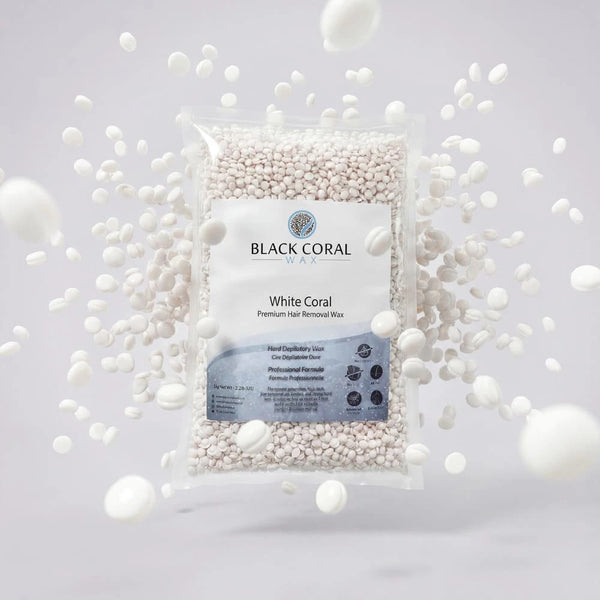
Hard wax suits smaller sections, curved anatomy, and coarse growth because it shrinks around the hair and can be removed without a strip. Soft wax spreads thinner and clears larger zones faster, which makes it useful on legs, arms, chest, and back when the growth pattern is consistent.
For a closer breakdown of formula behavior, application zones, and working differences, Black Coral covers types of wax and their uses clearly.
Hard Wax vs. Soft Wax A Professional's Choice
|
Characteristic
|
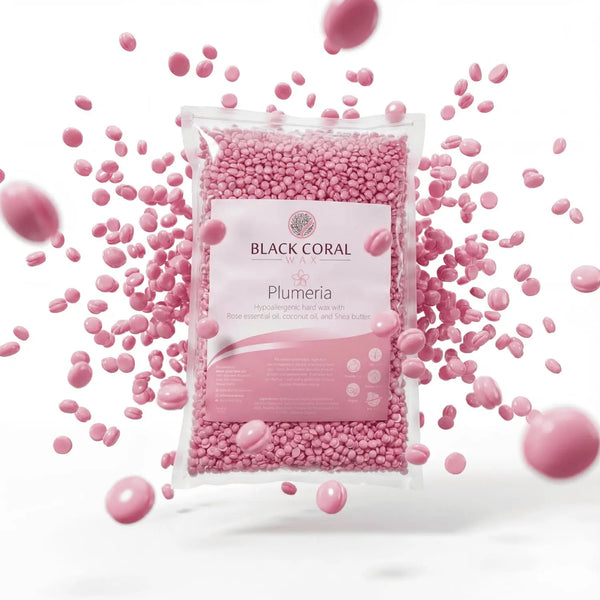
Hard Wax (e.g., Black Coral Plumeria Beads)
|
Soft Wax (Strip Wax)
|
|
Best fit
|
Sensitive zones, curved areas, coarse or resistant hair
|
Larger areas such as legs, arms, chest, and back
|
|
Removal method
|
Removed once it sets, no strip needed
|
Removed with cloth or non-woven strips
|
|
Skin feel during removal
|
Usually gentler on skin when applied correctly
|
Fast and effective, but often less forgiving on reactive skin
|
|
Precision
|
Strong control for smaller sections and detail work
|
Better for broad coverage than detailed shaping
|
|
Workflow
|
Slower, section by section, with more control
|
Faster across large body areas
|
|
Material use and timing
|
Usually requires more product and more time on large services
|
Usually uses less product and moves faster on broad areas
|
|
Why a pro may still choose it
|
Reduces skin drag and gives better control on difficult growth patterns
|
Improves efficiency on large, uniform areas
|
That trade-off matters in real services. A full leg with soft wax is often the efficient choice. A difficult underarm, dense bikini line, or highly curved area usually rewards the extra control of hard wax.
Map the body before you commit to a formula
Professionals do not choose one wax for the whole service by habit alone. They read the terrain first.
Brows, upper lip, underarms, and bikini work usually benefit from hard wax because section size stays small and placement has to be exact. Legs and arms often favor soft wax when the hair grows in a cooperative direction and the skin tolerates strip removal well. Chest and back can go either way. Density, sensitivity, and growth direction decide the method.
Cowlicks, flat-lying hair, and areas where hair changes direction mid-zone need more planning. In those cases, hard wax often gives cleaner correction work because you can break the area into smaller mapped sections without overworking the skin.
Temperature and consistency decide how the wax behaves
Correct texture is part of product selection. A formula can be right for the service and still perform badly if the working temperature is off.
Watch the wax, not just the dial:
-
Too hot: runny, messy, harder to place accurately, and more likely to irritate skin
-
Too cool: thick, draggy, uneven, and more likely to leave bulky application
-
Correct working texture: smooth spread, stable placement, and clean removal
Hard wax should set with enough flexibility to peel in one solid piece. If it turns brittle, it is usually too cool or too thin. If it stays gummy and stretches, it is often too warm or applied too heavily. Soft wax should spread in a thin, even layer with clean strip contact. If it puddles or skips, adjust the temperature or reassess the skin prep before continuing.
Good waxing starts with these decisions. They determine whether the technique that follows feels controlled or corrective.
Mastering Wax Application and Removal Techniques
A difficult wax usually starts before the first pull. The section was too large, the hair pattern was read too late, or the wax was placed without a clear exit path. Clean results come from a planned workflow. You should know where the application starts, where the tab will sit, how the skin will be supported, and where your hand will travel on removal before wax touches the body.
If you want a closer product-specific walkthrough, Black Coral’s guide on how to use hard wax is useful alongside hands-on practice.
Core mechanics that keep removal clean
Technique changes by body area, but the mechanics stay consistent.
-
Keep sections small enough to control fully. Oversized sections slow your hand and weaken your angle on removal.
-
Lay the wax with enough pressure to wrap the hair. Surface placement alone does not grip short or resistant growth well.
-
Build a usable lip with hard wax. A strong edge gives you a confident grip and helps the strip release in one piece.
-
Set skin tension before you remove. Tension should already be in place, not added halfway through the pull.
-
Remove low and parallel to the skin. Lifting up increases drag, breakage, and unnecessary skin stress.
-
Press the area immediately after removal. That brief compression helps settle sensation and reduces the reflex to tense up.
These are the habits that separate a controlled service from a corrective one.
Facial waxing rewards restraint
Brows and upper lip require exact placement, clean borders, and a realistic section size. Precision matters more than speed because facial skin shifts easily and visible overwork shows fast.
For facial hard wax, keep your applications compact and intentional:
-
Use small placements. This protects the shape and keeps tension focused.
-
Leave enough body at the edge. A paper-thin rim tends to crack.
-
Anchor the skin completely. One loose finger can change the line of the pull.
-
Treat cleanup as detail work. Pick off strays selectively instead of repainting the same patch.
For brows, establish the line before you apply. For the upper lip, split the area into right and left sections instead of trying to clear the full lip in one pass. On the face, controlled architecture gives better results than aggressive clearing.
A strong brow wax removes the intended hair and leaves the skin quiet.
Underarms and bikini demand mapping before application
These zones challenge even experienced waxers because the hair rarely grows in one obedient direction. Underarms often shift from upward to sideways or downward growth within a small space. Bikini hair can flatten along curves, then change direction again at the crease.
Read the pattern first. Then divide the area into workable sections that match it.
A reliable workflow looks like this:
-
Visually map the direction before loading the stick.
-
Use smaller beads or ribbons to follow contours closely.
-
Create a firm tab you can grip without digging.
-
Commit to the pull once tension is set.
Hesitation is a common source of bruising and incomplete removal. A quick, low pull performed on well-supported skin is usually cleaner than a cautious one that loses direction halfway through.
Use cleanup passes with intent
Corrective work is part of professional waxing, especially on multi-directional growth. The difference is that cleanup should refine the result, not rescue poor placement.
With hard wax, the first application usually follows the dominant growth pattern so the removal can clear effectively against it. After that, a cleanup strip can target stray hairs that were lying flat or growing across the main pattern. Keep that corrective pass small and only proceed if the skin still looks calm enough to tolerate another application.
This approach is especially useful on:
I teach cleanup passes as a judgment skill. The question is not whether one more strip could remove the hair. The question is whether one more strip is the best choice for the skin in front of you.
Large areas improve with body-part mapping
Legs, chest, and back should be treated as a series of zones, not one continuous panel. Mapping keeps your applications aligned with growth changes and stops you from chasing missed hair across a large surface.
For legs, divide the area into front lower, front upper, inner, outer, knee, and any area where the direction shifts. Knees need special handling because the skin is mobile and uneven. Bend or stabilize the joint so the surface stays firm.
For the chest, separate the sternum, upper pectoral area, outer chest, and any area where the hair splits direction near the centerline. For the back, use upper, mid, lower, and shoulder transition zones. Left and right sides often differ more than people expect.
A mapped service usually means fewer corrective passes, cleaner timing, and less product waste.
Stick angle changes the result
Applicator angle controls more than neatness. It affects pressure, thickness, edge formation, and how well the wax wraps the hair.
On larger or irregular areas, aim for three things:
-
Firm contact at the start of the stroke
-
Even pressure through the body of the application
-
A slightly fuller finish point for a gripable edge
Too flat, and the wax can flood the skin and lose precision. Too upright, and the application may skip, drag, or pile up. Good placement feels deliberate from the first inch to the last.
Mistakes that create patchy removal
Most poor results trace back to a short list of technical errors:
-
Repeating passes on the same area without reassessing the skin
-
Applying hard wax too thin to remove in one solid piece
-
Pulling before the wax has set properly
-
Using a section size that exceeds your control
-
Ignoring growth changes inside the same zone
-
Pulling outward instead of staying close to the skin
-
Using more wax for every leftover hair instead of choosing selective tweezing when appropriate
Waxing improves fast when the method fits the area. The opposite is also true. One rigid pattern used everywhere leads to breakage, missed hair, and unnecessary irritation.
How to Achieve a Less Painful Waxing Experience
Pain reduction isn’t a trick. It’s the result of product choice, temperature control, skin support, and a pull that’s clean enough to finish the job the first time.
One major improvement in waxing comfort came with modern hard wax. It adheres primarily to the hair rather than the skin, which helps minimize skin trauma and pulling, as described in this summary of modern waxing history and hard wax innovation.
Comfort starts before the pull
A less painful service begins with the wax itself. Low-melt hard wax feels different on contact. It should feel warm and pliable, not sharp or shocking. If the client flinches from temperature before removal even happens, the service is already off track.
Then comes section size. Oversized applications increase tension and make removals feel drawn out. Smaller, smarter sections usually feel cleaner and more controlled.
Technique is the real pain manager
The pull should be quick, low, and close to the skin. Your support hand should already be creating tension before you remove the strip or hardened wax. Right after the pull, apply firm pressure with your hand. That brief compression helps calm the sensation quickly.
Use these habits consistently:
-
Keep the skin taut: Loose skin magnifies discomfort.
-
Pull parallel, not upward: This reduces drag.
-
Don’t hesitate: Slow removal usually hurts more.
-
Mind the wax temperature: Warm enough to spread, never hot enough to startle.
-
Coach breathing: A slow exhale during removal helps many clients stay relaxed.
For more comfort-focused technique guidance, Black Coral shares practical tips in how to make waxing less painful a professional guide.
Smooth removal should feel decisive, not violent. If a wax feels rough every time, something in the setup or technique needs correcting.
What people often mistake for “normal pain”
Some discomfort is expected, especially for first-timers or dense growth. But these are not signs of a well-executed wax:
-
Wax that feels too hot on contact
-
Repeated pulling on the same spot
-
Hair snapping instead of lifting cleanly
-
Excessive sticking to the skin
-
Dragging the strip upward
Those aren’t proof that waxing has to hurt. They’re signs to adjust the method.
Essential Post-Wax Care and Troubleshooting Common Issues
A clean wax can still turn into next-day irritation if the finish is handled poorly. The hair is gone, but the follicle openings are exposed, the skin barrier has been stressed, and friction or heat can turn a calm result into bumps, stinging, or breakouts within hours.
Medical literature describes waxing as a form of mechanical epilation that can create superficial skin injury, which is why post-wax care should center on reducing inflammation, limiting contamination, and protecting clients with a compromised barrier or concurrent skin treatments, as outlined in this review of preoperative hair removal protocols and skin risk considerations.
The recovery window starts immediately
The first few hours matter most. In a professional workflow, post-care is not an afterthought. It is the final control step that protects the result you just created.
Start by removing residue fully, then reduce heat and friction. Keep product choice simple. A light, calming finish usually performs better than a heavy balm that traps sweat and debris, especially in underarms, bikini, or areas covered by tight clothing. If you want a practical product framework, Black Coral’s guide to after waxing care products is a useful reference.
Give clients clear instructions:
-
Keep the area clean: Avoid unnecessary touching for the rest of the day.
-
Keep it cool: Skip hot showers, steam rooms, saunas, and intense workouts right after waxing.
-
Reduce rubbing: Loose clothing helps prevent avoidable irritation.
-
Pause strong actives: Hold exfoliating acids, retinoids, scrubs, and heavily fragranced products until the skin is calm.
-
Use restraint with home remedies: Freshly waxed skin reacts best to fewer variables, not more.
That last point prevents a lot of problems.
Read the skin correctly before you treat it
A skilled waxer separates a normal short-term reaction from a sign that technique, product choice, or timing needs correction. Redness alone does not tell the full story. Distribution, intensity, and duration matter more.
Mild diffuse redness
This is common after proper removal, especially on first-time clients or dense growth. It should settle. Cooling the area, minimizing contact, and avoiding extra product usually works better than layering multiple soothing formulas.
Pinpoint follicular bumps
These often show up where hair was coarse, firmly rooted, or removed from a warm area like the underarm or bikini line. Leave them alone at first. Picking, scrubbing, or overapplying oil usually makes the area look worse.
Heat or stinging that lingers
This deserves attention. Persistent heat can point to overworked skin, wax that was too warm, repeated passes, or poor support during removal. Shift from correction to protection. Do not exfoliate and do not re-wax the area.
Tenderness with movement
I see this most often on inner thighs, underarms, chest, and bikini services. The problem is often friction, not inflammation alone. Clothing choice and activity level can determine whether the skin settles or flares.
Prevent ingrowns by fixing the cause, not chasing the symptom
Ingrowns are rarely just an aftercare issue. They usually reflect a combination of hair breakage, compacted surface cells, friction, and dry skin between appointments. That is why professional results depend on both clean removal during the service and disciplined maintenance afterward.
A better plan looks like this:
-
Wait until sensitivity has passed before exfoliating
-
Choose gentle chemical or very light physical exfoliation
-
Keep the skin hydrated so new growth can surface more easily
-
Watch high-friction zones such as waistbands, leggings, and underwear lines
-
Review your technique if one area repeatedly develops ingrowns
If a client enjoys sensory aftercare, a quality Ili Oil can be considered as part of a broader routine, but only with careful dilution and only after confirming the skin is calm enough for it.
Know when waxing should wait
Good waxing includes saying no at the right time. Delay the service if the skin is abraded, sunburned, actively inflamed, recently resurfaced, or showing signs that the barrier is already under strain.
Troubleshooting what went wrong
Do not guess. Pattern-match the outcome to the step that caused it.
|
Issue
|
Likely cause
|
Better response
|
|
Sticky residue
|
Wax applied too thick, too warm, or removed too late
|
Reduce load, confirm temperature, and work in smaller controlled sections
|
|
Broken hairs
|
Pull angle too high, removal against a difficult growth pattern, or poor section mapping
|
Remap the area and remove low and parallel to the skin
|
|
Red, overworked skin
|
Repeated passes, poor skin support, or trying to perfect every missed hair
|
Stop waxing the area and switch to calming aftercare
|
|
Left-behind patches
|
Sections too large, uneven pressure during application, or incomplete contact at the edges
|
Tighten section size and apply with more deliberate pressure and direction
|
|
Ingrowns later
|
Hair snapped at the surface, congestion between services, or friction-heavy aftercare habits
|
Improve extraction quality during the service and set a better maintenance plan
|
The strongest post-wax routine is controlled, minimal, and intentional. Calm skin the same day usually starts with disciplined decisions during the service, then finishes with aftercare that protects the work instead of disturbing it.
Elevate Your Waxing From Technique to Artistry
The shift in how to wax hair removal happens when you stop thinking only about removal and start thinking about control. Prep controls adhesion. Product choice controls efficiency and skin response. Mapping controls speed and consistency. Pull technique controls comfort. Aftercare controls how well the skin recovers and how the result holds.
That’s the difference between a basic wax and a refined one.
Professionals feel it in their workflow. At-home users feel it in the mirror a day later, when the skin still looks calm and the result still feels clean. The details matter because waxing is part technical service, part pattern recognition, and part restraint. Knowing when to move forward matters. Knowing when to stop matters too.
If you want cleaner results, focus on fewer passes, better sectioning, smarter wax selection, and stronger post-wax discipline. That combination creates the kind of finish people describe as effortless, even though it never is.
The craft is learnable. The polish comes from repetition with standards.
If you’re refining your waxing routine or building a more efficient service menu, explore the professional waxes, pre-care, and post-care options at Black Coral Wax.