How to Prevent Breakouts After Waxing
Freshly waxed skin should feel clean, smooth, and comfortable. What frustrates clients most is when that smooth finish turns into red bumps, tiny whiteheads, or tender irritation a few hours later.
That reaction is common, but it is not random. In practice, post-wax breakouts usually come from a breakdown somewhere in the full treatment chain: skin prep, product choice, technique, sanitation, or aftercare. Focusing on only one part of the process rarely solves it.
For anyone searching for how to prevent breakouts after waxing, the answer is more precise than “exfoliate and use aloe.” Professional results come from a controlled protocol that protects the follicle before, during, and after hair removal.
FREE COURSE
Turn Your Passion for Beauty Into a $75K+ Waxing Business
GET IT NOW!
Course succesfuly sent. 🎉
Please go to your inbox to recieve it.
The Professional Approach to Smooth Post-Wax Skin
A familiar pattern shows up in treatment rooms. The wax service itself goes well. Hair removal is clean, the skin looks calm at first, and then by evening the client notices bumps along the bikini line, upper lip, chest, or jawline. The immediate assumption is often that waxing itself caused the breakout.
Usually, the better question is what happened around the wax.
Breakout prevention starts before the first strip or bead is applied. It continues through product selection, temperature control, pressure, removal angle, and sanitation. It finishes with disciplined aftercare in the first two days, when follicles are most vulnerable.
That is also why experienced educators put so much emphasis on consistency. A skilled service is not one dramatic trick. It is a repeatable workflow. If you train a team, this operating standard is exactly what improves skin outcomes and client trust, making resources such as this guide on staff consistency useful: How to train your staff for perfect waxing results every time
What smooth post-wax skin requires
Professionals who get clear outcomes consistently tend to control the same factors:
-
Skin readiness: The area is not over-exfoliated, over-treated, or coated in residue.
-
Wax fit: The wax matches the body area and skin sensitivity.
-
Clean technique: Application is precise, removal is controlled, and hygiene is strict.
-
Barrier support: Post-wax skin is cooled, soothed, and protected from friction, sweat, and pore congestion.
Clear post-wax skin is usually the result of process discipline, not luck.
When those pieces are in place, bumps become far less common and much easier to troubleshoot when they do appear.
Why Post-Wax Breakouts Happen
Not every bump after waxing is the same problem. That matters, because prevention depends on identifying what kind of reaction you are trying to avoid.
Folliculitis, histamine response, and ingrowns
Bacterial folliculitis usually looks like small whiteheads or inflamed bumps centered around follicles. It tends to show up after bacteria reach freshly opened follicles. This is why clean tools, clean hands, clean skin, and clean aftercare matter so much.
Histamine response behaves differently. These bumps often appear quickly, feel itchy, and look more like generalized redness or raised irritation than acne. This is the skin reacting to the traction of hair removal, not necessarily an infection.
Ingrown hairs arrive later. Instead of showing up right away, they develop when new hair struggles to emerge through dead skin or curls back into the follicle. They often feel deeper, firmer, and more localized.
A lot of people group all three under “breakouts,” but they do not behave the same way and should not be managed the same way.
Where the service itself can trigger the problem
The treatment can set the skin up for trouble even before aftercare begins.
If wax is too aggressive for the area, too hot, too sticky on the skin, or poorly removed, the follicle and surrounding barrier take more stress than they need to. That extra trauma can create more redness, more residual irritation, and more opportunity for clogged follicles afterward.
Sanitation is just as important. Cross-contamination during service can introduce bacteria exactly when follicles are most exposed. That is one reason strict single-use habits are not optional in professional settings.
For a deeper look at this specific reaction pattern, Black Coral Wax has a useful overview on folliculitis after waxing, causes, prevention and effective treatments: Folliculitis After Waxing: Causes, Prevention, and Effective Treatments
Why wax choice is not a minor detail
Wax formulation gets underestimated. Most consumer advice starts after the appointment, but the wax itself affects how much stress the skin experiences.
The choice of wax is a critical, often overlooked factor. Recent trends on 2025 esthetician forums show a significant number of salon owners report fewer client breakouts when using high-quality hard waxes formulated with antibacterial properties, and anecdotal professional surveys suggest that low-melting-point hard waxes may outperform exfoliation-only routines by up to 30% in protecting the follicle from irritation and clogging (as explored in this article).
That does not mean wax alone replaces proper prep. It means the service starts with the material touching the skin. A better wax can reduce unnecessary pull on the surface, leave less residue, and lower the inflammatory response that often opens the door to post-wax bumps.
Residue can undo good technique
Even technically clean waxing can be undermined by what sits on the skin afterward. Heavy occlusive products, fragranced residue, or ingredients that trap debris in the follicle can push vulnerable skin toward congestion.
For readers evaluating post-wax product choices, this breakdown of pore-clogging ingredients is a helpful reference point when reviewing oils, creams, and lotions used around waxing.
Your Pre-Wax Protocol for Breakout-Free Results
The best time to prevent post-wax breakouts is before the appointment begins. Once the follicle has already been irritated or exposed to residue, correction becomes harder.
The most reliable approach is a 48-hour pre-wax regimen. For licensed estheticians, gently exfoliating 24 to 48 hours prior with a non-abrasive salicylic acid-based product using 2% as a benchmark can significantly reduce post-wax acne risk in acne-prone clients, while dry skin can notably increase sensitivity, and retinoid-induced barrier compromise can spike irritation in 50% of cases.
Start 24 to 48 hours before the appointment
This window matters because it gives the skin enough time to settle after exfoliation and enough time to avoid sensitizing products.
-
Use gentle chemical exfoliation
A non-abrasive salicylic acid product is often the cleaner option for breakout-prone areas because it helps loosen dead skin and clear the path around follicles without the scratchiness of a harsh scrub.
-
Do not over-exfoliate
This is one of the most common mistakes. Skin that has been scrubbed too aggressively is easier to inflame during waxing. If the area already looks pink, shiny, or tender before service, the prep has gone too far.
-
Hydrate inside and out
Skin that is properly moisturized usually handles traction better. Keep hydration simple. Drink water consistently and use a non-comedogenic moisturizer rather than anything greasy or heavily fragranced.
Remove common triggers before they create problems
A strong waxing result often depends on what the client stopped using, not only what they applied.
-
Pause retinoids and peels: These can leave the barrier too vulnerable for safe, comfortable waxing.
-
Skip tanning and deliberate sun exposure: Recently sun-stressed skin is easier to irritate and harder to soothe.
-
Avoid experimenting with new active skincare: If the skin reacts, it becomes difficult to tell whether the issue is the product or the wax.
If someone is already managing acne, it also helps to align waxing prep with the rest of the routine.
Day-of prep should be clean, not heavy
On the day of the appointment, the goal is clarity on the skin. Not slip. Not residue.
A proper immediate pre-wax cleanse with a non-comedogenic clarifying toner removes leftover skincare, sweat, and surface debris that can interfere with adhesion and sit inside newly exposed follicles. Black Coral Wax covers this step in more detail in its guide to using a pre-wax cleanser.
A few practical rules help here:
-
Come in with bare skin: No body butter, rich oil, or heavy lotion over the treatment area.
-
Keep makeup away from facial waxing zones when possible: Especially around the upper lip, chin, and jawline.
-
Check hair length: Hair around an optimal length gives the wax a cleaner grip according to the verified protocol.
-
Wear loose clothing to the appointment: Friction right after service can start the irritation cycle early.
Prep should make the skin more cooperative, not more fragile.
What works and what does not
A lot of generic advice misses the trade-offs.
What works
-
Planned exfoliation in the correct window
-
Light hydration and barrier support
-
A clean, residue-free treatment area
-
Respecting contraindications such as retinoids and recent peels
What usually backfires
-
Scrubbing the night before
-
Applying oils because the skin feels dry
-
Waxing over freshly irritated, sun-exposed, or over-treated skin
-
Assuming acne-prone skin needs “more cleansing” rather than calmer preparation
When pre-wax prep is done well, the skin feels balanced going into service. Not squeaky, not raw, not coated.
The Professional Difference Wax Selection and Technique
Technique determines how much unnecessary trauma the skin experiences. Professional services distinguish themselves from rushed or improvised waxing by focusing on precise technique.
Hard wax and soft wax do not behave the same way
For breakout-prone or sensitive areas, wax selection should match the skin and the hair, not habit.
Hard wax is often preferred on smaller, more reactive zones because it is designed to set around the hair and lift with less broad surface adhesion than strip wax. In practical terms, that usually means less disturbance to the surrounding skin when the formula and technique are right.
Low-melting-point formulas also matter. The verified protocol notes that low-melt hard waxes operating at specific, lower temperatures can minimize follicle trauma when used correctly. Lower working temperatures can make the service feel more comfortable and reduce some of the avoidable heat stress that contributes to irritation.
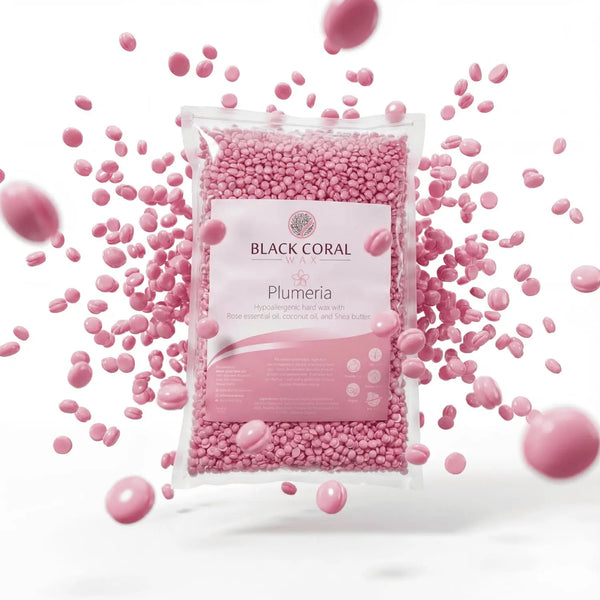
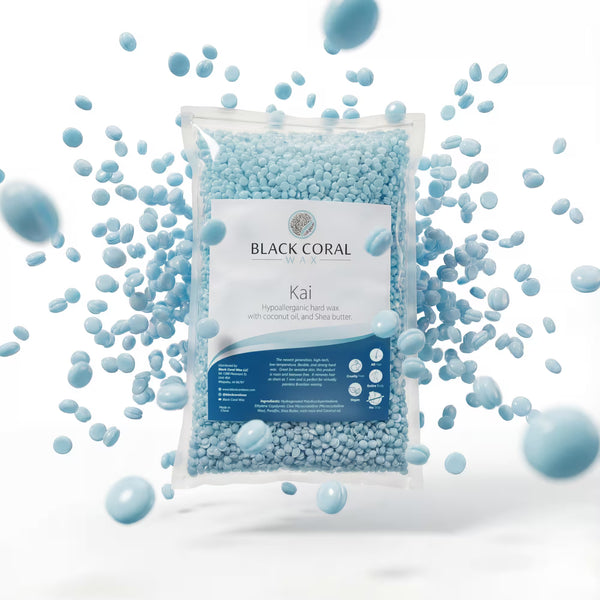
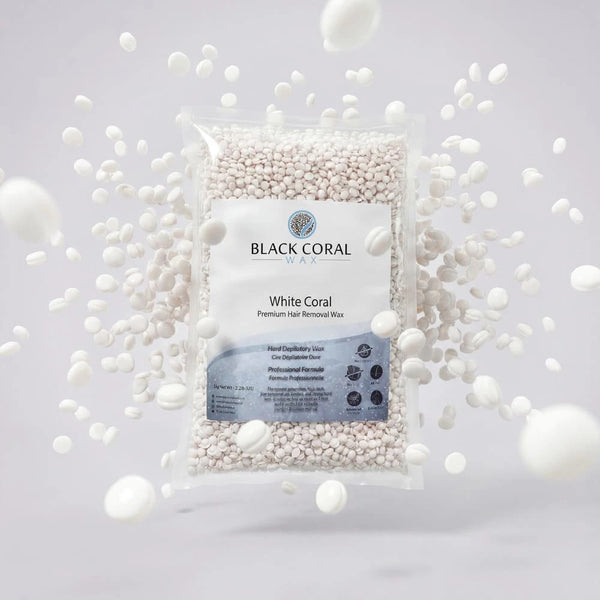
In a professional workflow, product texture becomes important. A wax that spreads smoothly, sets with flexibility, and removes without shattering gives the practitioner more control. One option in this category is Black Coral Wax, a professional hard wax line formulated for strong grip with low melting points, which supports cleaner removal on sensitive areas when paired with proper technique.
For practitioners comparing formulas by skin type, this guide on choosing hard wax beads by skin type is useful.
Technique protects the follicle
Good wax cannot compensate for poor hand skills. The service still depends on how the practitioner handles the skin.
Some fundamentals are essential:
-
Apply with the direction of hair growth: This helps the wax seat around the hair more predictably.
-
Remove against the growth pattern: The goal is complete extraction from the root, not breakage at the surface.
-
Pull parallel to the skin: Lifting upward too much increases drag on the skin.
-
Support the skin with tension: Stable skin is less likely to bruise, catch, or react.
-
Avoid repeated passes whenever possible: Every extra pass increases irritation.
These points sound basic, but breakout-prone skin responds strongly to basic errors. A client may describe the result as “acne after waxing” when the original problem was breakage, friction, or unnecessary surface trauma.
Sanitation is part of breakout prevention, not a separate issue
Some waxers think of hygiene as a compliance topic. In reality, it is part of skin outcome.
The verified protocol notes that double-dipping wax sticks introduces bacteria, significantly elevating inflammation risk. That is a direct reminder that sanitation affects the follicle in real time, especially when the skin has just been opened by hair removal.
Professional standards should include:
-
Single-use applicators
-
Clean gloves or freshly sanitized hands
-
Fresh linens or properly managed disposable barriers
-
No touching the waxed area unnecessarily after removal
-
No decanting products in ways that contaminate the container
Breakout prevention during service often comes down to reducing friction, reducing heat stress, and reducing bacterial opportunity.
Trade-offs practitioners should explain to clients
Clients often want the fastest service possible. That can create pressure for shortcuts that increase post-wax issues.
A careful wax may take longer because the practitioner is assessing skin condition, choosing a more suitable formula, controlling application thickness, and protecting the barrier. Those choices are worth explaining. They make the treatment feel more intentional, and they help clients understand why good waxing is not just hair removal. It is skin management.
The Ultimate Post-Wax Aftercare Routine
Many post-wax breakouts are created after the client leaves, not during the service. The first two days matter most because follicles are open, skin is warm, and friction builds easily.
A consistent aftercare routine can lead to substantially clear skin at 48 hours, and cryotherapy with ice for 2 to 5 minutes can reduce redness notably faster than ambient cooling, while sweat-borne bacteria are a major contributor to post-wax bumps and friction can increase ingrown hairs by 40%.
The first hour after waxing
The goal immediately after service is to cool, calm, and keep the area clean.
Use a gentle, non-active antibacterial toner rather than an exfoliating toner. Freshly waxed skin is not the moment for strong acids. The aim is to keep bacterial transfer low without adding a chemical sting.
Then use cryotherapy. A clean ice cube or other cold compress applied for a short duration helps constrict the area and settle visible redness faster than letting skin cool on its own.
Follow that with a soothing, non-comedogenic product that supports the barrier instead of suffocating it. Think light gel textures, calming botanicals, or a simple fragrance-free moisturizer depending on the body area.
The next 24 to 48 hours
Many otherwise good waxes get undone during the next 24 to 48 hours.
Heat, sweat, tight clothing, and friction all increase the chance that vulnerable follicles become irritated or congested. Clients often assume that if the skin looks fine immediately after waxing, normal activities are safe. That is not usually true.
For the next two days:
-
Skip workouts and saunas
-
Avoid hot baths and heavy heat exposure
-
Wear loose clothing over body areas that were waxed
-
Keep hands off the area unless cleansing or applying aftercare
-
Use a fragrance-free, non-comedogenic moisturizer daily
-
Delay exfoliation until day 3
This is especially important for high-friction zones such as the bikini line, inner thighs, chest, back, and underarms.
Post-Waxing Care Do's and Don'ts (First 48 Hours)
|
Do
|
Don't
|
|
Cool the area gently with ice or a cold compress
|
Apply strong acids immediately after waxing
|
|
Use a gentle antibacterial toner if the area is breakout-prone
|
Use active toners that can sting or over-strip
|
|
Wear loose, breathable clothing
|
Wear tight leggings or restrictive underwear over freshly waxed skin
|
|
Moisturize with a fragrance-free, non-comedogenic product
|
Layer on heavy oils or rich fragranced creams
|
|
Keep the area clean and calm
|
Touch, rub, or pick at follicles
|
|
Resume gentle exfoliation on day 3
|
Scrub the area right away
|
For readers building a more complete recovery routine, Black Coral Wax has a practical roundup of after-waxing care products here.
Aftercare should lower heat, lower friction, and lower bacterial exposure. If a step does the opposite, it does not belong in the first 48 hours.
What works better than “letting the skin breathe”
Clients often say they will just leave the area alone. That is partly right, but passive care is not enough.
Freshly waxed skin benefits from targeted calming care, not neglect. Cooling the area, choosing a simple antibacterial step, and using a barrier-supportive moisturizer are active measures that help the skin recover without overload.
The common mistakes are predictable:
-
exercising too soon
-
sleeping in tight clothing
-
applying scented body products
-
using exfoliating pads because a few bumps appeared
-
picking at tiny whiteheads
Those habits turn mild irritation into prolonged breakouts.
How to Treat Breakouts If They Still Appear
Even with good prep and aftercare, some skin still reacts. That does not mean the service failed. It means the response now needs to be controlled gently.
Start with a mild cleanse twice daily and keep the area clean without scrubbing. If the bumps feel hot, swollen, or visibly inflamed, a cool compress is usually a safer first move than adding multiple treatment products at once.
What to do first
A simple sequence works best:
-
Cleanse gently: Choose a mild wash that does not leave the area stripped.
-
Cool the skin: A cool compress can settle heat and reduce the urge to touch.
-
Use a light spot treatment if the skin is intact: Salicylic acid or benzoyl peroxide can help on pimple-like breakouts, but only if the skin is no longer raw.
-
Keep the area dry and low-friction: Especially on the bikini line, chest, glutes, or underarms.
If the reaction seems more like general itchiness and redness than acne, avoid piling on acne products immediately. Over-treating reactive skin often prolongs the problem.
What not to do
The most damaging habit is picking.
The verified guidance warns clearly against popping breakouts because it spreads bacteria and can trigger more pimples. In practice, picking also increases staining, irritation, and the chance that a simple post-wax bump turns into a mark that lasts much longer than the breakout itself.
Avoid these common mistakes:
-
Do not squeeze or dig at ingrowns
-
Do not re-wax the area until it has fully settled
-
Do not apply harsh exfoliants to skin that still feels tender
-
Do not assume every bump needs aggressive acne treatment
Different areas need different restraint
Facial skin usually needs a gentler hand than legs or arms. The upper lip, chin, and jawline can react quickly to active products after waxing, especially if the client already uses acne treatments or retinoids in that region.
The chest and back often behave more like acne-prone body skin. They can tolerate targeted cleansing once the immediate sensitivity has eased, but they are also prone to sweat and friction, so clothing and activity choices matter.
The bikini area is often more affected by occlusion and rubbing than by skincare alone. In that zone, hygiene, loose clothing, and patience often outperform a shelf full of products.
If the skin still feels freshly waxed, treat it like irritated skin first and breakout-prone skin second.
When the reaction deserves closer attention
Most mild post-wax bumps improve fairly quickly with calm care. If the area becomes progressively more painful, spreads, develops significant pustules, or fails to improve over several days, it is reasonable to stop self-treating and seek medical guidance.
That is especially true if the person has a history of recurrent folliculitis, severe acne, or unusual sensitivity after hair removal.
Frequently Asked Questions About Post-Waxing Care
How long does post-wax folliculitis usually last
Mild bumps often settle within a day or two when the area stays clean, cool, and low-friction. If bumps persist beyond that, worsen, or become more inflamed, the reaction may need more targeted care.
Is it safe to use AHAs or BHAs right after waxing
Not usually. Freshly waxed skin is more reactive, so applying active acids immediately can intensify stinging and irritation. It is safer to use calming, non-active care first and return to exfoliation later, once the skin has recovered.
Why do I break out after waxing my upper lip but not my eyebrows
Different areas produce oil differently, experience different friction, and tolerate skincare differently. The upper lip also sits in a high-movement zone that is often exposed to makeup, lip products, and facial actives. Brows may be less congested and less reactive in your routine.
Can changing my diet help prevent breakouts after waxing
Diet can influence acne patterns for some people, but post-wax breakouts are often more directly tied to local skin factors such as friction, residue, bacterial transfer, and barrier disruption. If breakouts happen only after waxing, improve the treatment protocol first before blaming food.
Should I moisturize if I am acne-prone
Yes, but choose a non-comedogenic product with a simple formula. Acne-prone skin still needs barrier support after waxing. Dry, stressed skin often reacts more, not less.
Can I wax again if I still have bumps
It is better to wait until the area is calm. Re-waxing over irritated follicles can compound the problem and make it harder to tell whether the next reaction came from skin sensitivity, trapped hairs, or existing inflammation.
If you want to refine your full waxing routine, from prep through recovery, explore the educational resources and professional product collections at Black Coral Wax. They are designed to support safer services, calmer skin, and more consistent results across sensitive areas.