How to Get Wax Out of Wax Warmer: Salon-Tested Techniques for a Spotless Pot
The last client has gone, the treatment room is quiet, and the warmer is still sitting there with a ring of wax around the pot. Clean tools and a clean warmer aren't extra touches - they're part of the service.
Knowing how to get wax out of wax warmer properly matters beyond simple housekeeping. It protects your equipment, supports sanitation, and keeps your wax performing consistently. A professional wax warmer only pays for itself when it stays clean and easy to turn over between services, which is part of the bigger workflow discussed in this guide to maximizing profits with a professional wax warmer.
FREE COURSE
Turn Your Passion for Beauty Into a $75K+ Waxing Business
GET IT NOW!
Course successfully sent. 🎉
Please go to your inbox to receive it.
Why a Clean Wax Warmer Matters for Sanitation and Performance
A wax warmer sits at the center of your treatment flow. If the bowl stays coated in old product, fresh wax doesn't heat as evenly, switching between formulas slows down, and the station looks less professional. In a salon, that affects rhythm, hygiene, and client trust.
Seasoned estheticians treat cleanup as part of the service itself. You're not only removing wax - you're preserving the surface of the warmer, reducing contamination from leftover residue, and setting yourself up for a smooth first appointment the next morning.
The Safest Method to Remove Wax: Cool, Soften, Lift
The safest routine for most warmers is straightforward: cool the wax, briefly soften only the base, then lift the wax out. Wax releases more cleanly when it's solid through the center but slightly loosened where it contacts the bowl.
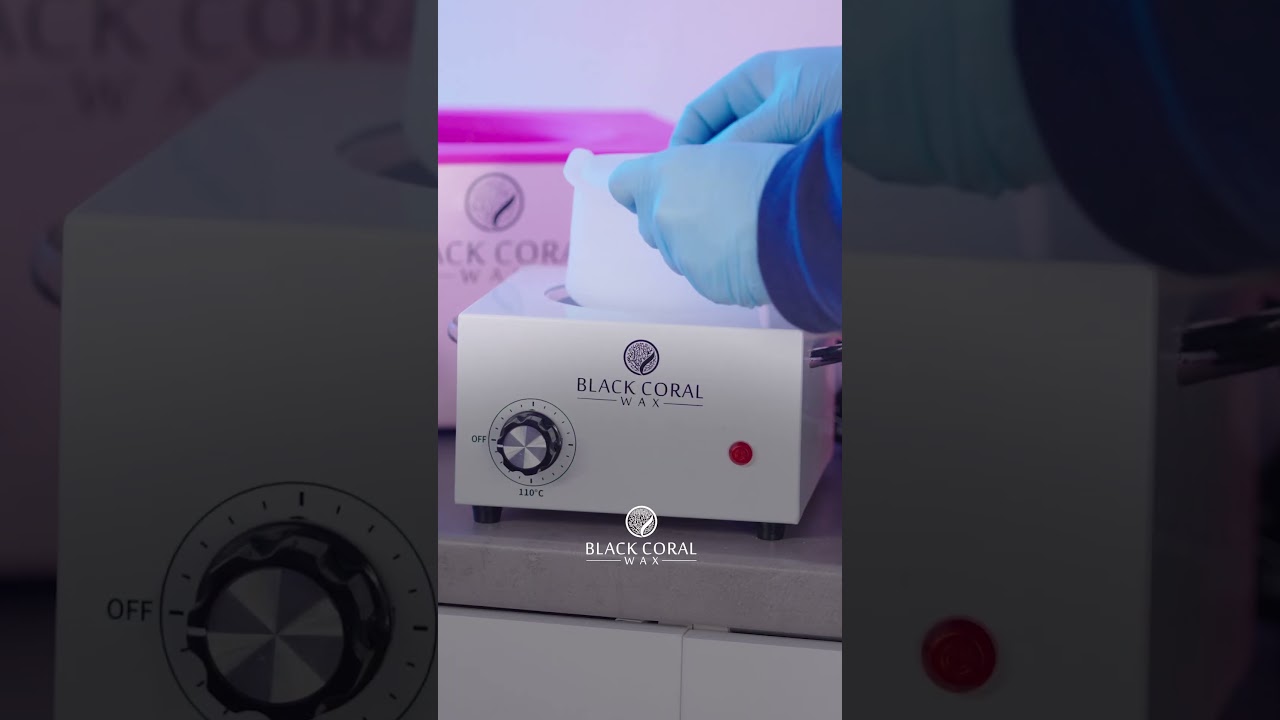
When wax has hardened, we recommend reheating an electric wax burner for no more than about 1 minute so the wax loosens at the base and can be pushed out in one piece, rather than scraped out aggressively.
That's the sweet spot: the puck should feel firm, but with a slight give underneath.
Step-by-step wax warmer cleaning routine
-
Switch off and let the wax cool fully. Wait until the wax has become a solid mass.
-
Warm the pot briefly. Turn the warmer back on just long enough to loosen the bottom contact point. Don't walk away.
-
Test the edge gently. Use a silicone or wooden spatula. If it slides, it's ready.
-
Lift or push the wax out in one piece. The cleaner the release, the less residue to chase afterward.
-
Wipe the bowl while still slightly warm. A paper towel or cotton pad works well for the final film.
If you have to force the wax out, it isn't ready yet.
Aggressive scraping feels faster but usually creates more work. It can mark the insert, leave small flakes behind, and wear down the interior surface over time. A controlled release preserves the bowl and keeps your warmer easier to maintain session after session.
Temperature control matters from the start. If wax is repeatedly overheated, residue bakes on more stubbornly - which is why proper heating habits matter just as much as removal technique. (See also: top waxing temperature mistakes and how to avoid them.)
How to Remove Stubborn Residue and Sticky Soft Wax
Hard wax is the easy cleanup when it comes out as a clean puck. The real test is the thin sticky film left behind, or soft wax that never gives you a neat release.
For stubborn residue, a controlled hot-water softening step or a freeze-and-pop technique reduces mechanical stress. After the bulk wax is gone, any remaining film can be softened with hot water before wiping.
Removing residue that clings to the bowl
Use this order:
-
Start with bulk removal - take out as much wax as possible first.
-
Soften the film with controlled heat or hot water applied only to the removable dish.
-
Wipe with intention using a lint-free cloth, paper towel, or cotton pad.
-
Finish with an oil-based cleanser if the residue still feels tacky. Keep it minimal - you want the surface clean, not greasy.
Soft wax cleanup: absorption is faster than scraping
Soft wax stays spreadable and adhesive rather than forming a stable puck. The fastest method is absorption: warm it to a safe liquid state, then use thick paper towel, cotton, or a cleaning strip to soak up the product before wiping the bowl clean.
Sticky residue usually means you're cleaning at the wrong stage. Either remove it while it's still fluid enough to absorb, or let it set enough to release cleanly.
Quick-Change Methods and Non-Negotiable Safety Rules
Sometimes you need to switch wax types or refresh a pot between appointments without slowing the room down.
Fast wax removal methods compared
| Method |
Best use |
What to watch |
| Cotton pad absorption |
Small amount of melted wax, quick product change |
Best for manageable amounts, not a full deep clean |
| Freeze-and-pop |
Hardened wax that won't release cleanly |
Works only when the insert or dish can be safely chilled |
| Brief re-soften and lift |
Standard hard wax end-of-day cleanup |
Needs attention so the wax doesn't fully remelt |
A reusable silicone insert is one of the most practical upgrades for a busy waxing station: made from heat-resistant silicone, it prevents wax from sticking to the inner pot, so cleanup is as simple as peeling out the hardened wax, rinsing, and reusing. Black Coral Wax offers a silicone wax warmer insert compatible with most standard-sized warmers that works with hard wax, soft wax, and wax beads - a straightforward way to reduce daily scrubbing and extend the life of the pot.
Safety rules for wax disposal and equipment care
-
Never pour wax down a sink. Wax solidifies and clogs plumbing. Cooled wax should be put in the trash or absorbing it with paper towels or cotton first.
-
Never use knives or metal tools inside the bowl. They scratch surfaces and shorten the life of the insert.
-
Never submerge the electric base in water. Clean only the removable parts.
-
Don't mix cleanup waste with fresh stock. Once wax is removed for disposal, it's waste.
Keep your standards consistent with wax machine dos and don'ts for estheticians.
Preventive Maintenance: Keep Your Wax Warmer Performing Long-Term
A clean warmer isn't only about today's mess. Residue buildup changes how a warmer feels to work with: the bowl gets tacky around the rim, the exterior collects dust more easily, and the station looks tired before the device is actually old.
Routine checks to extend warmer lifespan
-
Wipe the exterior so drips don't harden around the controls and edges.
-
Inspect the cord for wear, bending, or visible damage.
-
Clean the lid and rim so the warmer closes properly and stays presentable.
-
Check the insert surface and stop using sharp tools that can mark it.
Protect the surface first. Once a bowl is scratched, cleanup gets harder every single week after that.
If you're choosing a new unit or replacing an older one, durability and ease of cleanup should be high priorities. That's worth considering alongside your guide to choosing the best professional wax warmer.
A Clean Wax Warmer Is Your Professional Signature
Knowing how to get wax out of wax warmer correctly is one of those habits that separates a polished treatment room from a careless one. Let the wax cool, use controlled softening when needed, remove it without scraping, and finish with a clean wipe and safe disposal.
That routine protects the warmer, supports hygiene, and keeps your station ready for the next client. It also helps your wax behave more consistently, which makes every service feel more controlled and professional.
Frequently Asked Questions on How to Get Wax Out of Wax Warmer
Can I use baby oil or coconut oil to clean a wax warmer?
Yes. An oil-based cleanser, including baby oil or coconut oil, works well for removing the thin sticky film left after bulk wax is lifted out. Apply a small amount to a cotton pad and wipe the bowl while it's still slightly warm. Avoid using too much - you want the surface clean, not coated in oil before the next service.
How often should I clean my wax warmer?
After every session you should wipe away residue and drips. A full wax removal should happen after every 3 to 4 uses to prevent buildup that affects heat distribution and hygiene. In a busy salon with back-to-back clients, a quick wipe-down between appointments and a thorough clean at the end of the day is the practical standard.
What's the safest way to dispose of used wax?
Let the wax cool and solidify, then place it directly in the trash. If the wax is still liquid, absorb it with thick paper towels or cotton before disposal. Never pour melted wax down a sink - it will solidify in the pipes and cause blockages.
Why won't my wax release from the warmer bowl in one piece?
Most likely the wax hasn't cooled long enough, or it was briefly reheated for too long and has gone back to a semi-liquid state. Let it cool fully first, then apply heat for no more than about 1 minute to loosen only the base. If it still won't release cleanly, try the freeze-and-pop method: place an ice cube on the surface for about 2 minutes to help the wax contract and pull away from the bowl.